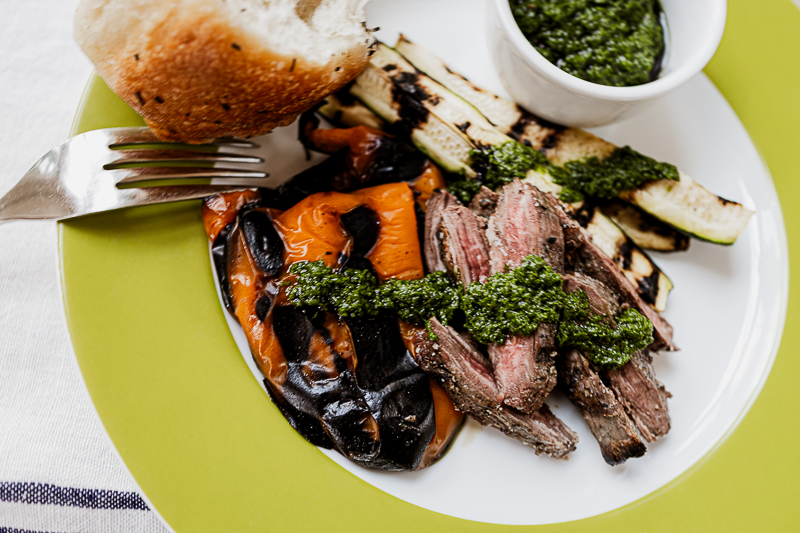
Chimichurri is the vibrant, punchy heart of the South American barbecue tradition asado, serving as the indispensable partner to grilled meats from the Argentine pampas to the churrascarias of Brazil. This uncooked sauce is a bold emulsion of finely chopped flat-leaf parsley, minced garlic, dried oregano, and a kick of red chili flakes, all suspended in a zesty bath of oil and red wine vinegar. While its base is simple, the flavor profile is complex: the acidity of the vinegar cuts through the richness of fatty beef, while the herbs provide a grassy freshness that balances the smoky char of the grill. Traditionally, it is prepared by hand with a knife or a mortar and pestle to maintain a rustic, textured consistency, as pureeing it into a smooth paste is considered a culinary sin in its home regions. But let’s be real – it still tastes damn good made with a blender.
The history of chimichurri is as colorful as the sauce itself, steeped in the lore of the gauchos (cowboys) who roamed the vast grasslands of Argentina and Uruguay in the 19th century. One popular legend attributes the name to an Irish immigrant named Jimmy McCurry, who allegedly created the sauce as a substitute for the Worcestershire sauce he missed from home; over time, “Jimmy’s Curry” supposedly morphed into “chimichurri.” More linguistically plausible theories suggest it stems from the Basque word tximitxurri, meaning a “hodgepodge” or “mixture,” brought over by the significant wave of Basque settlers. Regardless of its etymological roots, the sauce remains a symbol of national pride and communal gathering, evolving from a practical way for wandering cowboys to flavor their campfire meals into a globally recognized masterpiece of South American cuisine.
Chimichurri
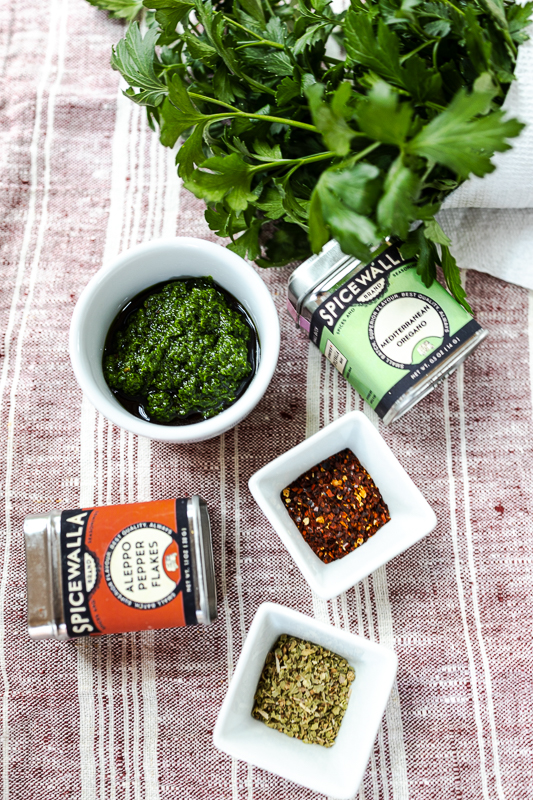
Consider this a flexible blueprint designed for experimentation! I rarely stick to the script myself—depending on the season, I’ll swap in fresh oregano for the dried, or pivot to bright basil or cilantro. If you’re a garlic lover, go ahead and toss in three cloves; if you’re craving a kick, dial up the Aleppo pepper (a wonderfully smoky crushed red chili)., or add a jalapeño! I encourage you to tweak the ratios to complement whatever you’re cooking. It’s a beautifully versatile companion for everything from charred vegetables to grilled meats.
1/2 cup olive oil
2 cloves garlic, chopped
1/2 cup parsley
3/4 teaspoon dried oregano
1 teaspoon red wine vinegar
1 teaspoon coarse salt
Pepper, to taste
1/4 teaspoon aleppo pepper flakes
Place the olive oil and garlic in a blender. Puree until the garlic is emulsified into the oil.
Add the parsley and oregano to the blender, and blend until everything is a fairly smooth puree. Add more olive oil if needed to obtain the consistency you wish.
Add the vinegar, salt and pepper to taste.
Transfer to a bowl, and mix in the aleppo pepper flakes. Allow to sit for at least two hours, so the flavors release into the oil.
This will keep for a few days in the refrigerator. Bring to room temperature before serving, as the oil will solidify a bit in the refrigerator.
You can also freeze this in small plastic bags, or ice cube trays, to use next time you grill.
For our South America Uncorked tasting, Gary selected the 2023 Bodega Garzón Tannat Reserva from the coastal hills of Maldonado, Uruguay. This wine is a masterclass in why Tannat has become Uruguay’s flagship grape. This vintage is deep purple and vibrantly aromatic, bursting with notes of fresh plums, raspberries, and a distinct mineral “grip” from the estate’s ancient granite soils. On the palate, it is full-bodied and powerful, yet it possesses a surprising freshness and “juicy tension” that sets it apart from the heavier, more rustic Tannats of the past.
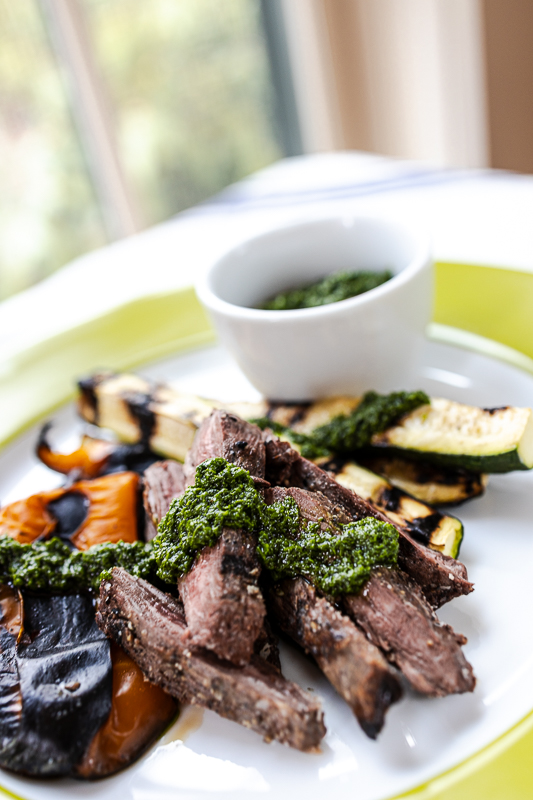
When it comes to the table, this wine and chimichurri-topped grilled meat are a textbook regional pairing for two scientific reasons. First, Tannat is famously high in tannins; these molecules bind to the proteins and fats in a charred steak, effectively “cleansing” your palate with every sip. Second, the wine’s natural acidity and hints of balsamic and spice mirror the zesty red wine vinegar and dried oregano in the chimichurri. Instead of the sauce overpowering the wine, the two dance together—the chimichurri heightens the wine’s fruit profile while the Tannat provides the structural backbone to stand up to the bold, garlicky punch of the sauce.