Rack of Lamb with Hazelnut Crust and Cherries

Canned cherries in wine bike tours italy
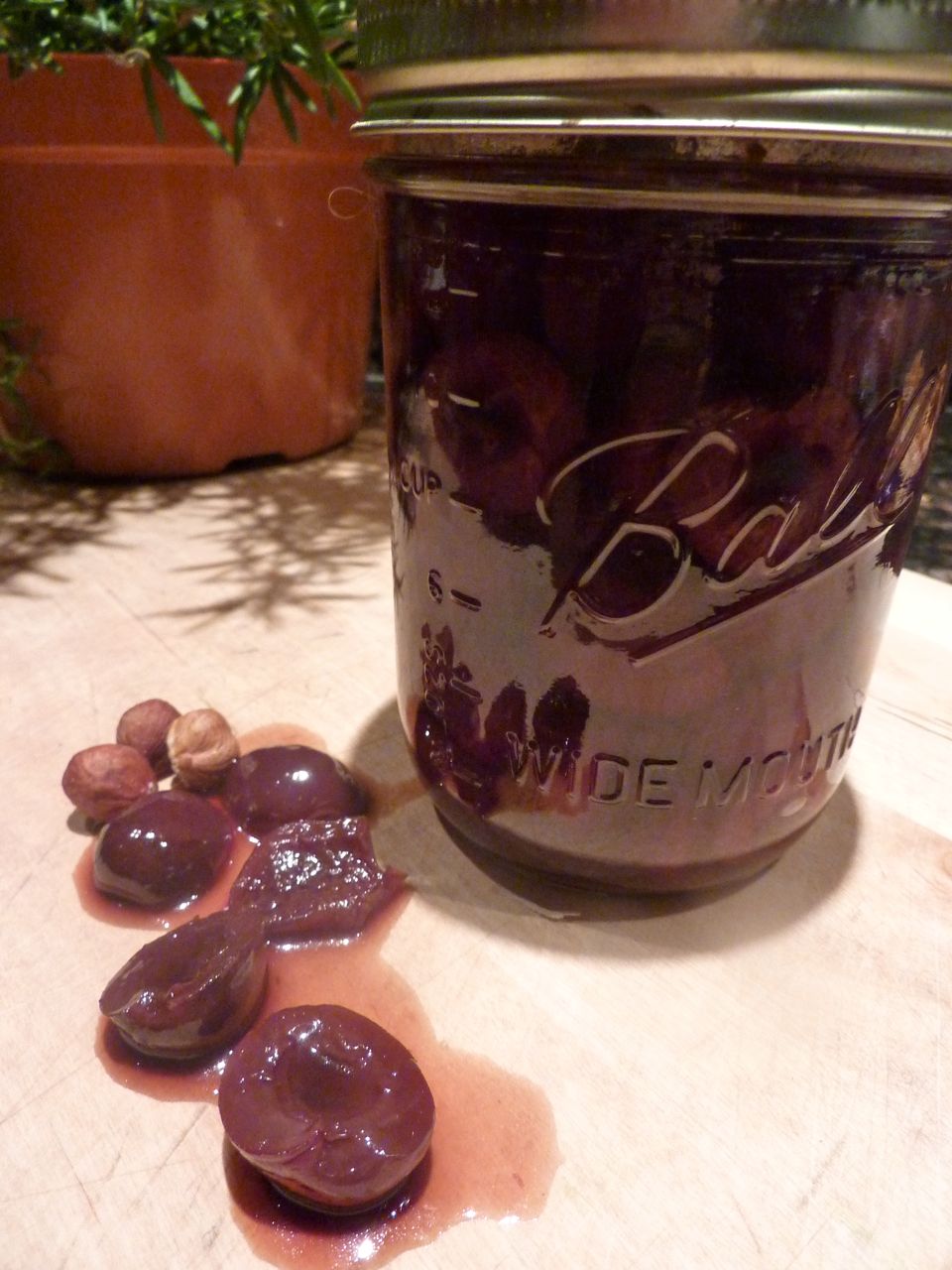
Canned cherries in wine

Two years ago I began teaching myself the basics of home canning, as part of my continuing effort to eat as ‘locally’ as possible. My freezer was filling up quickly with frozen fruit of all sorts – strawberries, blueberries, raspberries, peaches – and I was looking for some way to preserve fruits without taking up my  disappearing freezer space. These cherries were hardly ‘local’, as we don’t see many of them in New England, but they were from about as close they get – probably mid-east coast.  But during a visit to bike in the Veneto last May, I discovered the cherries of Marostica, and saw how those made their way into the cuisine of the season. I had done peaches in a sweetened brandy liquid the preceding fall, and thought a similar technique would work well  with cherries, using a combination of red wine with a little grappa kick -certainly more Italian! I threw in some orange juice and rind for a little acidity, and added some spice with a few cloves.

I found that canning the cherries, or canning just about anything, is only step one of the process. What remains is how to use what you canned. Up until  this point, canned cherries were something that I rarely ever use, and now I had a dozen or so cans. What to do with them? So I came up with this cherry wine sauce that I paired with rack of lamb. It would also work well with a pepper-encrusted beef tenderloin.
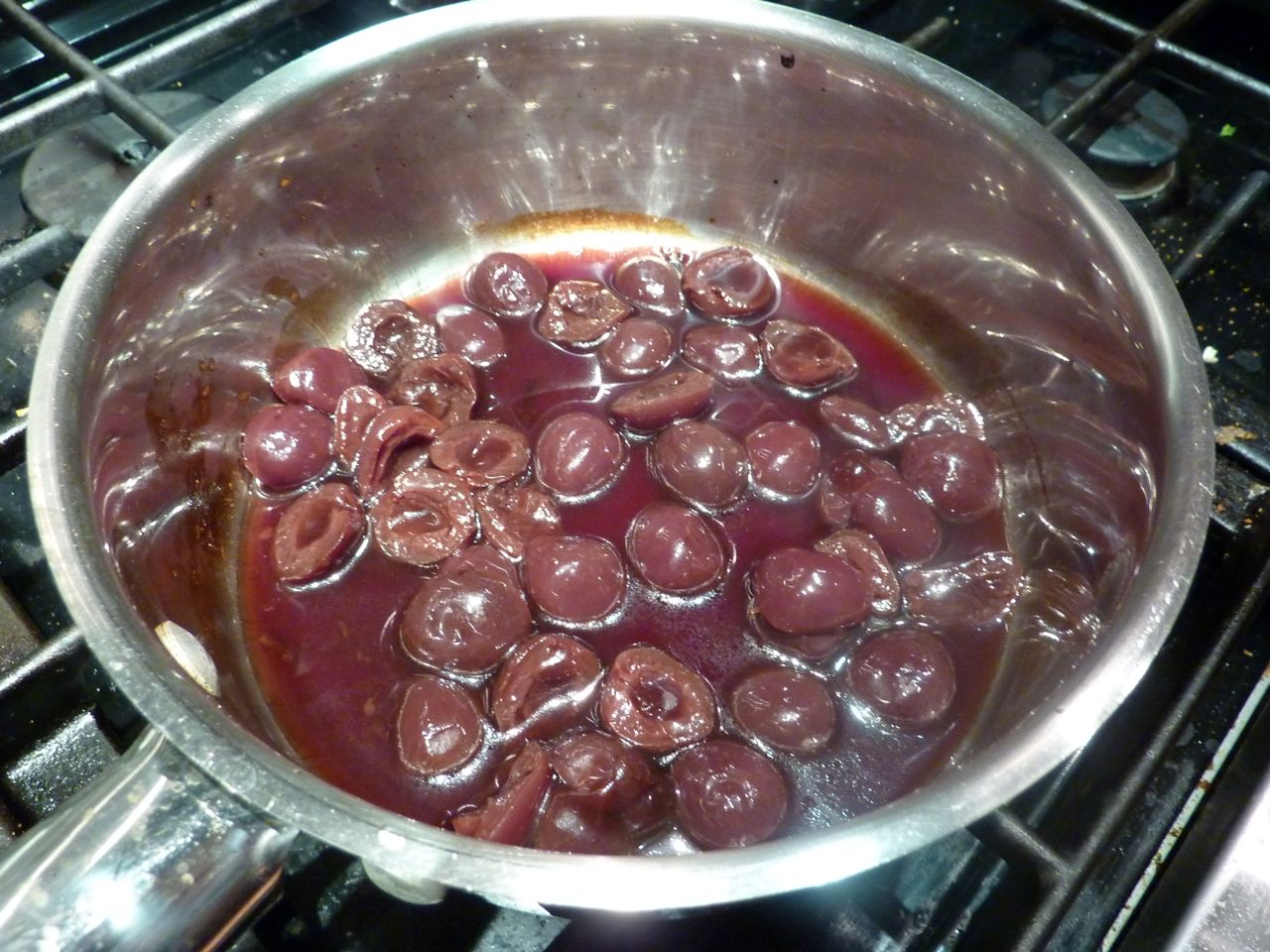
reduced sauce ski holidays dolomites
Reduced sauce with cherries

The wine sauce is easy once you have the canned cherries in wine on hand – I simply drained the wine ‘juice’ off of the cherries into a saucepan, added beef stock and a little balsamic, and reduced. I just needed to season it a bit with salt and pepper. This can all be done in advance, and just reheated when you are ready to serve. For those of you who don’t have the luxury of nice canned cherries available, I’ve include a version that uses fresh. I’ve added a few ingredients to the sauce to recreate the flavors from the original wine ‘juice’ I used in the canning process.
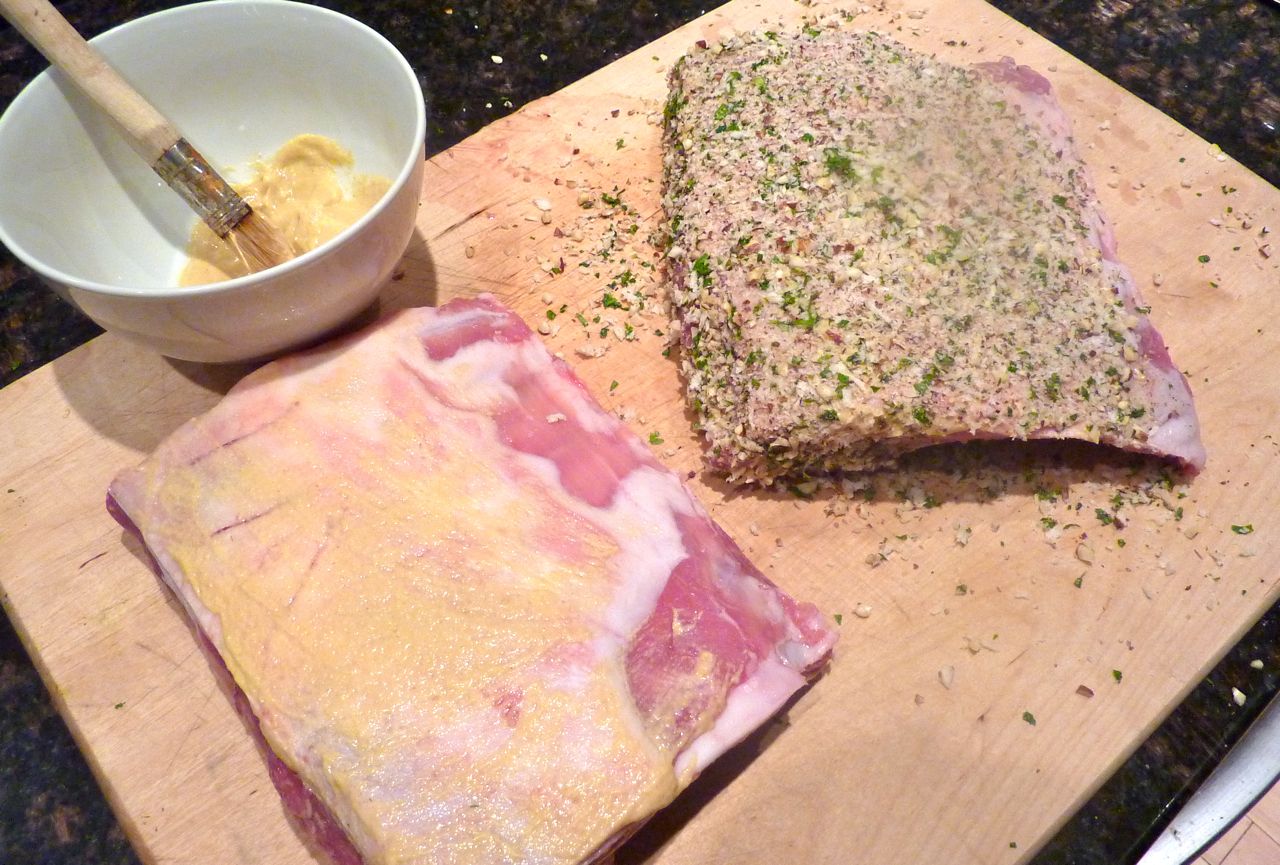
crust on lamb cycling tours dolomites
Putting crust on the lamb

The lamb I had purchased at the Newburyport Farmer’s Market that runs every Sunday between May and November in Newburyport, MA. It is locally raised in Epping, NH at Riverslea Farm. I thought a crust with hazelnuts, breadcrumbs, with some zest from dijon and a taste of horseradish would work nicely with the sweetness of the cherries. The crust can be prepared and applied to the lamb in advance, just place the coated racks on a sheet pan and keep in your frig until ready to cook.

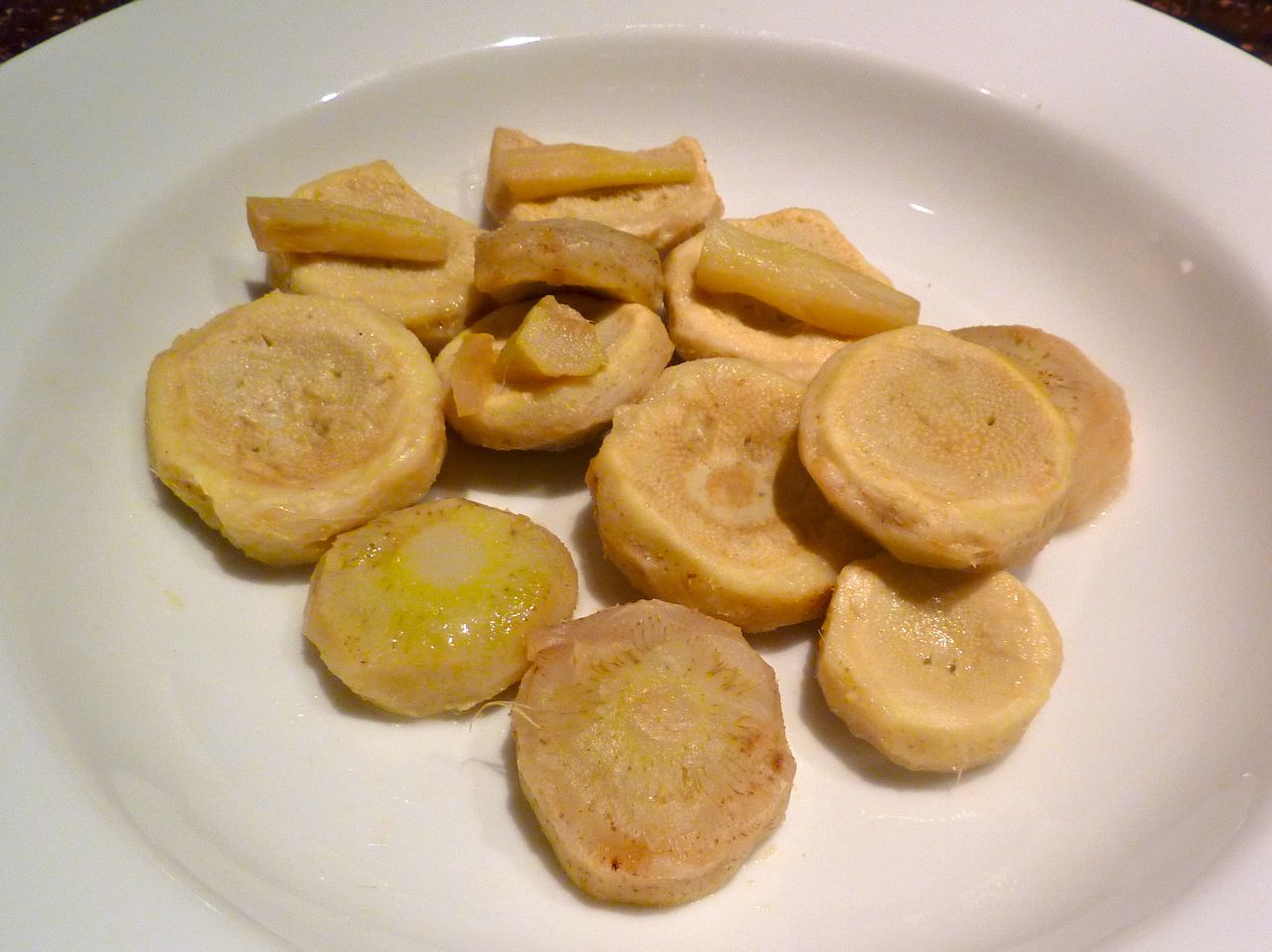
I served these with some sauteed greens (chard and russian kale), and fried parsnip parsnip cakes. A Valpolicella paired nicely with it; a good Pinot Noir would work well too. And the canned cherries are great served as is over almond ice cream, with a little piece of dark chocolate.

Rack of Lamb with Hazelnut Crust and Cherry Sauce

Serves 4
For wine sauce:

1 pint canned cherries in wine OR 1 pint fresh cherries, cut in half and pitted

2 cups beef stock
2 tablespoons balsamic vinegar
kosher salt and freshly ground pepper

 
and, if using fresh cherries:
1 cup red wine
1 tablespoon honey
1/2 cup orange juice
4 cloves

For lamb:

3/4 cup finely chopped hazelnuts
1/2 cup dry breadcrumbs
2 tablespoons horseradish
1/4 cup finely chopped parsley
1 tablespoon chopped fresh thyme leaves
Kosher salt and freshly ground pepper
1/2 cup dijon mustard
2 racks of lamb

For the sauce (this can be done in advance, and reheated just before serving)

If using canned cherries in wine, place a strainer over a medium saucepan and pour the canned cherries into the strainer, allowing the wine sauce to flow into the pan. Set the cherries aside in a small bowl. Add the stock and vinegar. Skip the next paragraph and proceed to the instructions on reducing the sauce.

If using fresh cherries, combine the stock, balsamic vinegar, red wine, honey, orange juice and cloves in a medium saucepan.

Bring to a boil over high heat, reduce heat to medium and reduce to 1/2 cup. If there are cloves in the pan, remove them. Season with salt and pepper. Add the cherries. Reserve until lamb is done.

For the lamb:

Preheat oven to 375°.

Combine the hazelnuts, breadcrumbs, horseradish, parsley and thyme in a small bowl. Season with salt and pepper.

Brush the lamb on all sides with the dijon mustard, except for any exposed bone portion of the rack. Press the hazelnut breadcrumb mixture into the mustard to form a crust. Place the racks on a sheet pan, with the more heavily crusted side up.

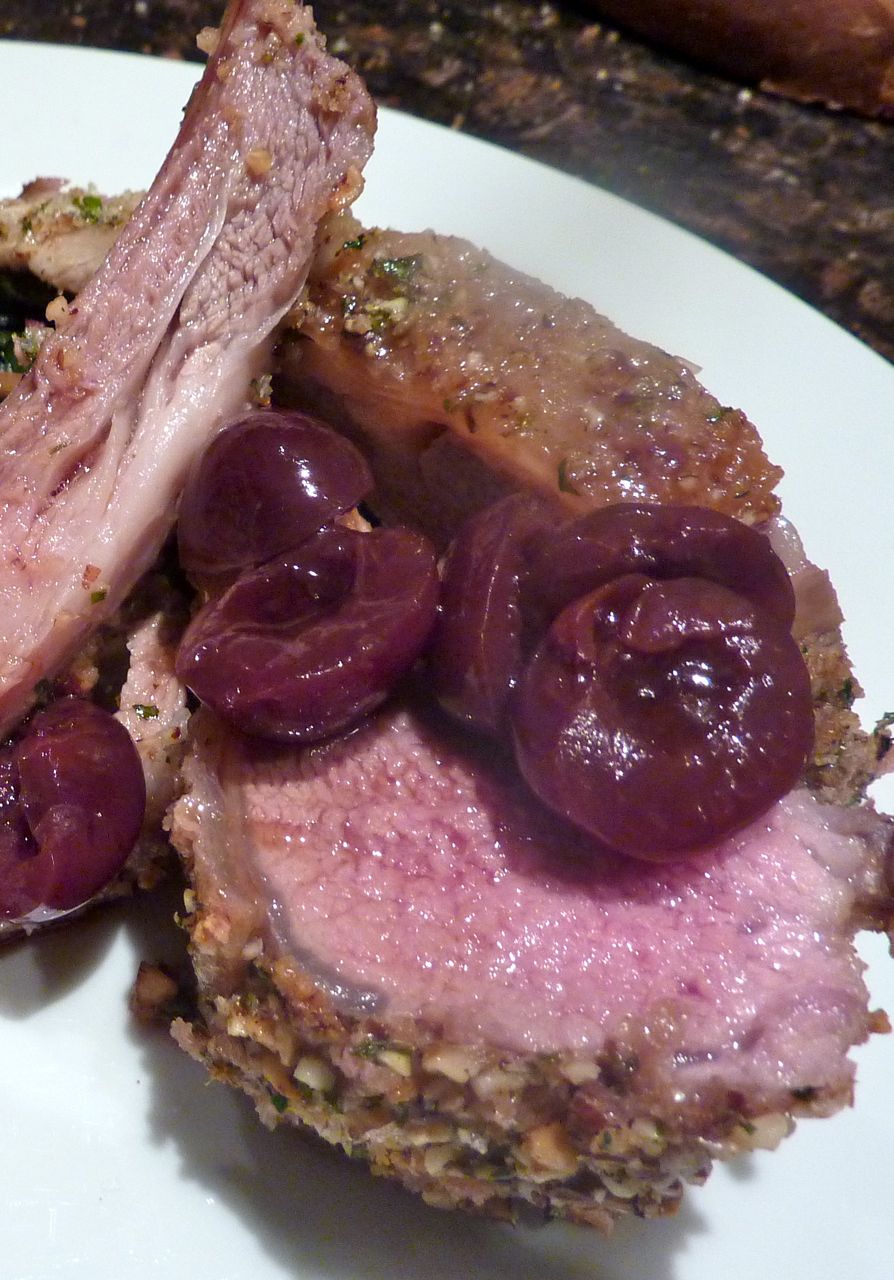
Roast in the oven until the internal temperature reaches 130°. Remove from oven. Cut into individual chops, place on 4 plates and top with cherries and a spoonful of sauce.
Posted in Cherries, Lamb, Meats, Uncategorized | Tagged , , , , , , , , , , , , , , , , , | 1 Comment

Pasta with Artichokes and Mascarpone

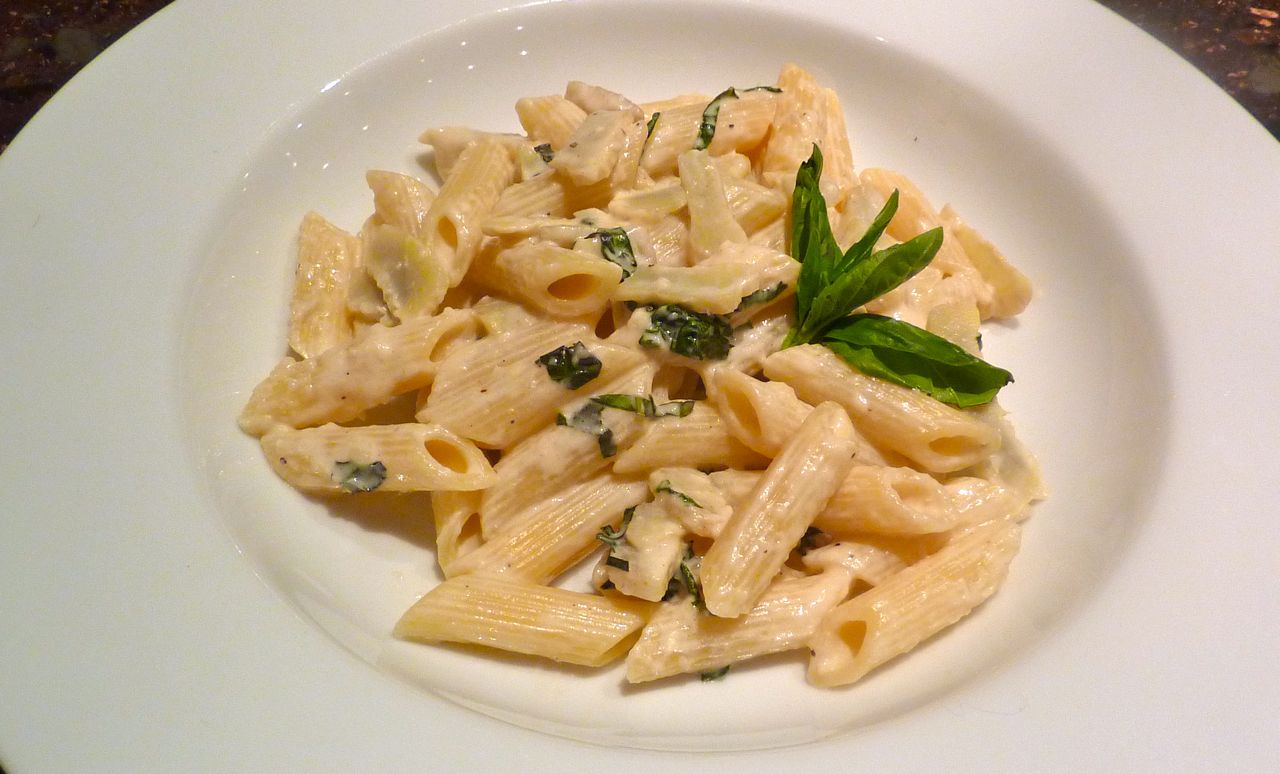
penne with artichokes bike tours italy
Penne with Artichokes and Mascarpone

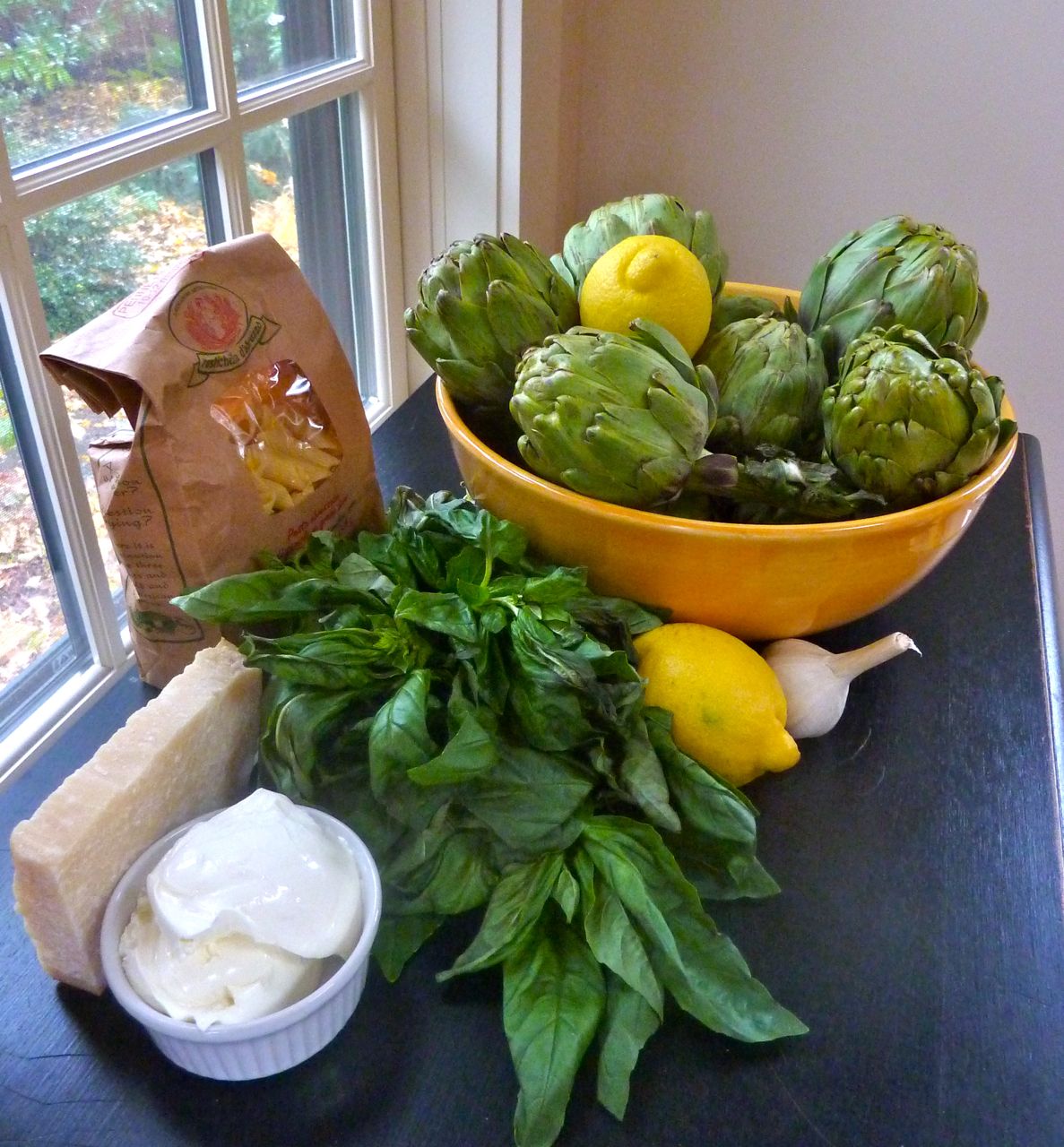
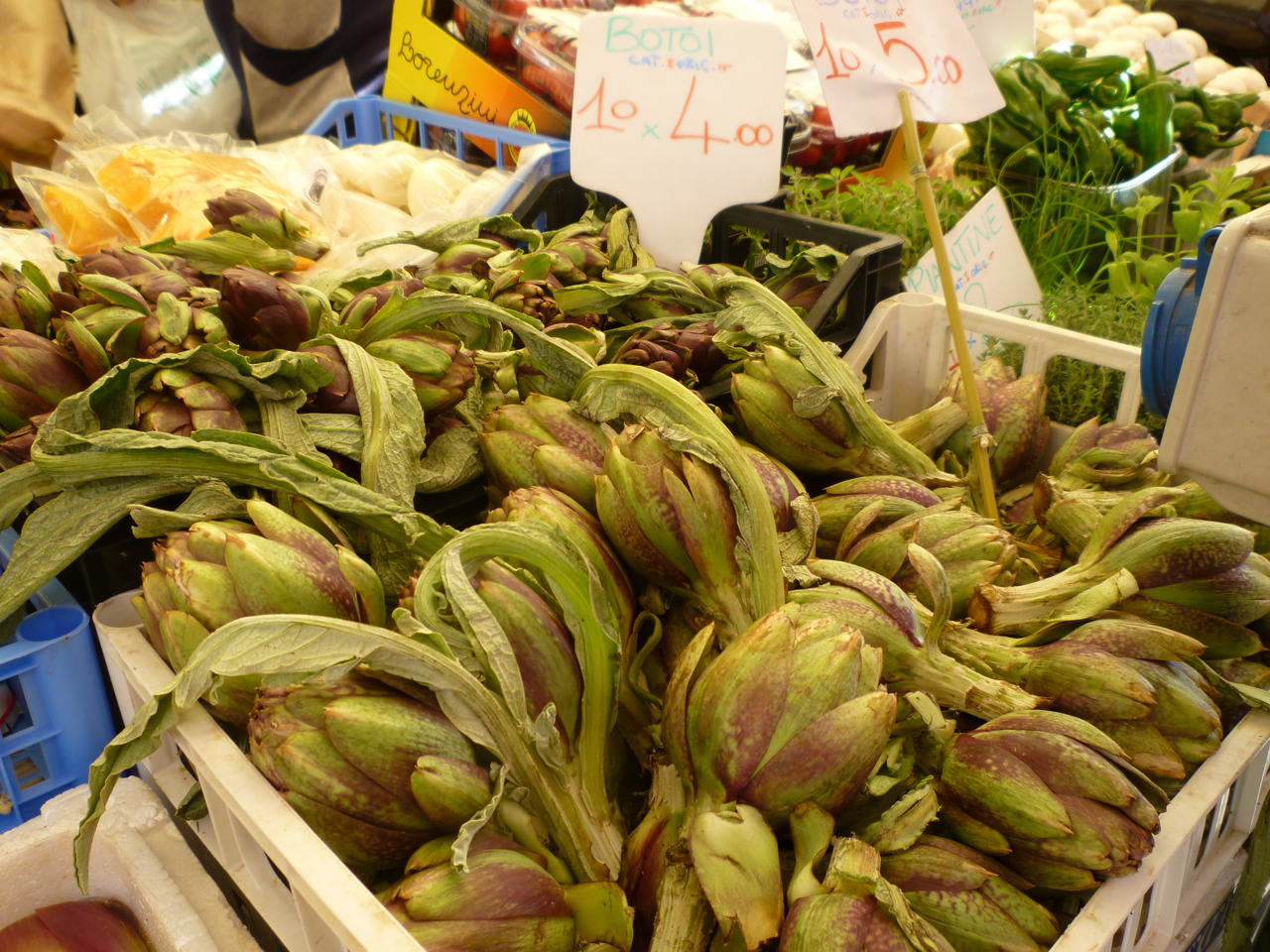
This recipe had several inspirations – first of all, the discovery of LOCAL artichokes at Tendercrop Farm in Newbury, MA. A first for me in New England, I must say! Second, the markets we see along our bike tours of the Veneto with their wide variety of artichokes, including tubs full of trimmed hearts, allowing the cook to enjoy fresh artichoke hearts without the labor intensive preparation. Thirdly, looking through The Splendid Table, by Lynne Rosetto Kasper, an award winning cookbook on the cuisine of Emilia Romagna, I discovered a recipe for tortelloni stuffed with artichokes and mascarpone. Well, trimming the artichokes was enough labor for me, so instead of a stuffed pasta I applied the same combination to create a sauce that I then served over penne rigate. If you use canned artichoke hearts, this becomes a very simple, quick recipe.

artichokes in market italy bike tours
Artichokes in Rialto market, Venice

Lynne Rosetto Kasper developed her stuffed tortelloni recipe to reproduce the original which she discovered in Tamburini, a gourmet store in Bologna. Their pasta stuffing was a combination of artichokes, mascarpone, and fresh white truffles. If you are lucky enough to have a white truffle, you could shave that on top of the pasta – for those of us without a pig, I’ve suggested a drizzle of white truffle oil as a final garnish.

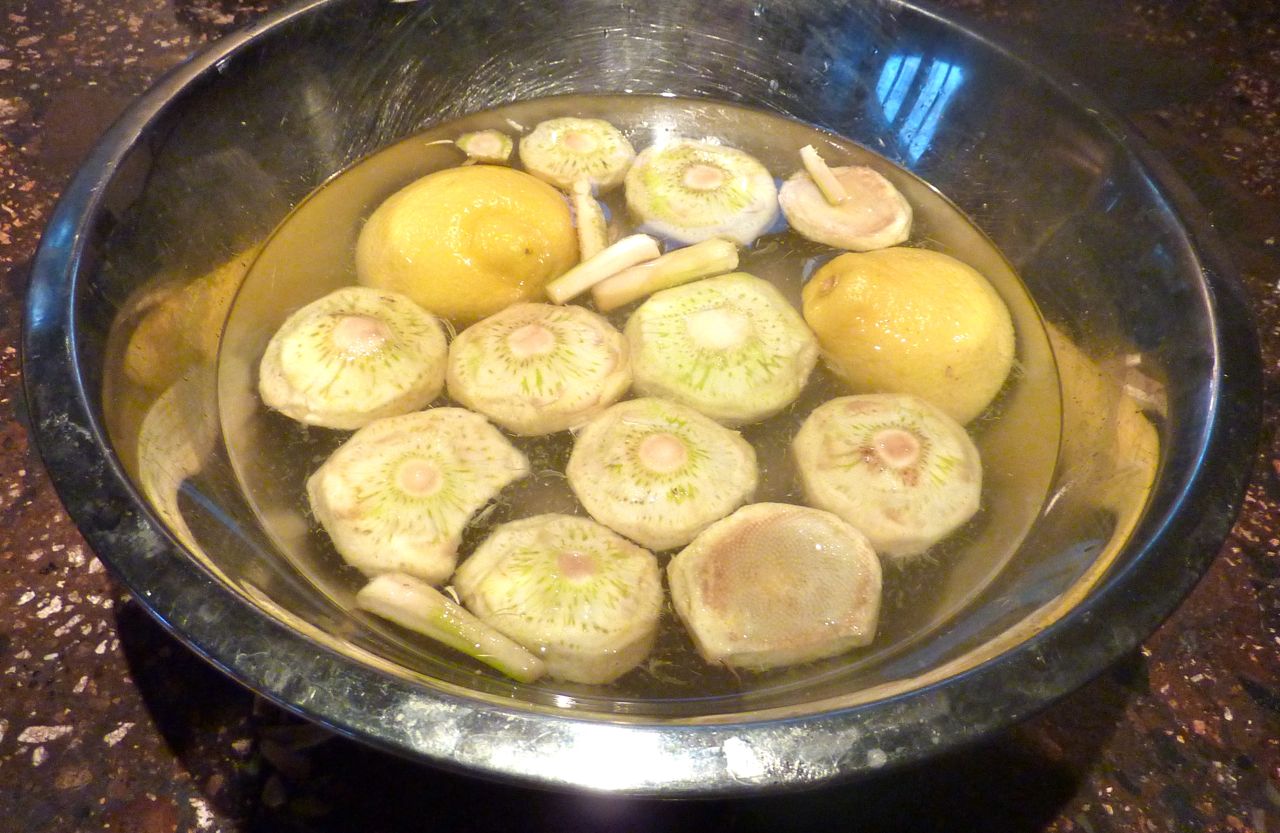
hearts in acidulated water culinary bike tours
Artichoke hearts in acidulated water

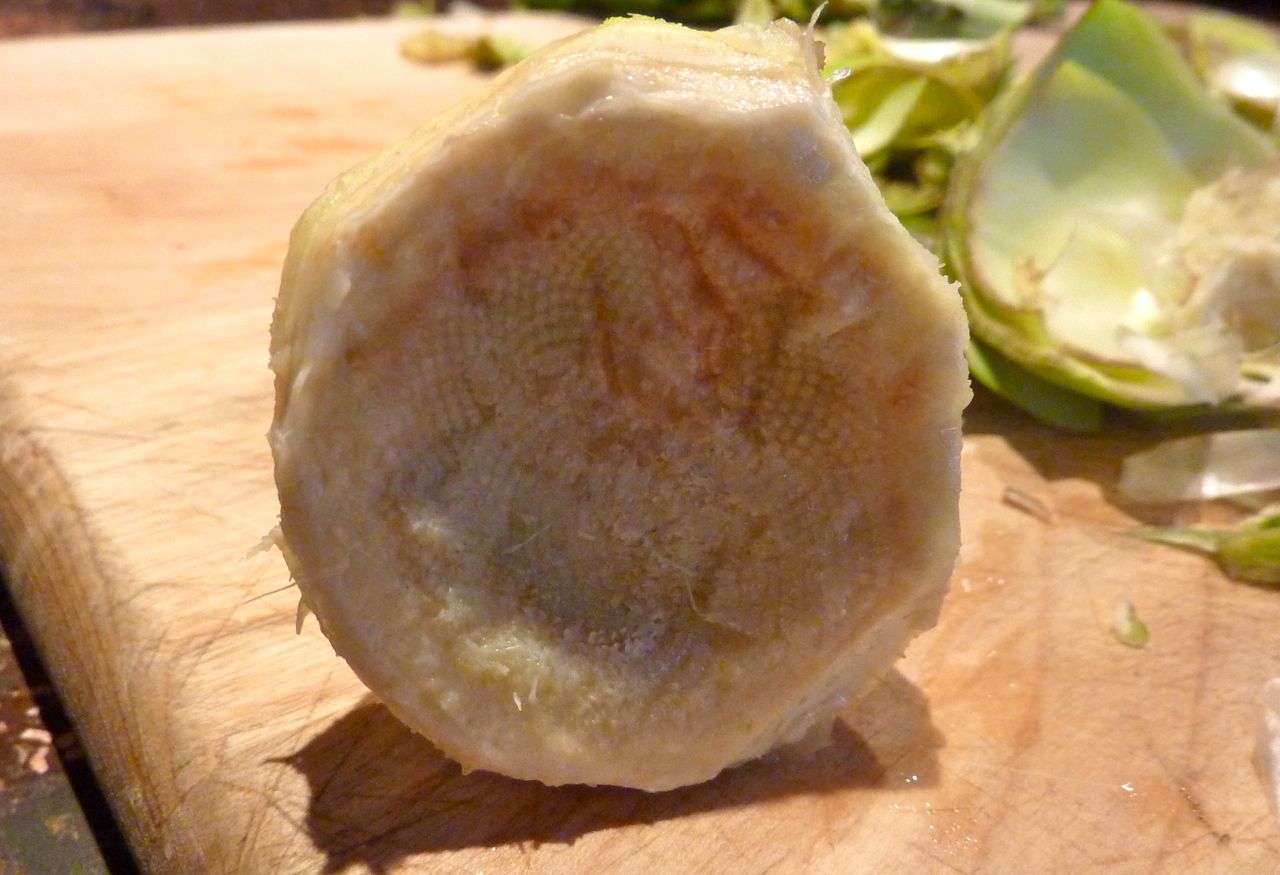
On our Italiaoutdoors Food and Wine web site, I am compiling some details on the foods and wine of the regions in Northern Italy. I just added some background on artichokes, and there you will find a description and pictures of how to trim the artichokes for cooking, just as they do in the markets of the Veneto.

trimmed artichoke heart cycling dolomites
Trimmed artichoke heart

For another pasta with artichoke recipe, check out Oui, Chef for a great version with shrimp.

Pasta with Artichokes and Mascarpone (Penne con Carciofi e Mascarpone)

Serves 4 as a first course

8 trimmed, raw artichoke hearts, soaking in 1 1/2 cups acidulated water
3/4 cup white wine
2 cloves garlic, smashed
Sprig of basil
Sprig of mint

 
or:

 
8 canned artichoke hearts
1 tablespoon lemon juice

for both:

6 ounces mascarpone
1 clove garlic, minced
3/4 cup grated Parmigiano-Reggiano cheese
10 leaves basil, chiffonade (thinly sliced)
Kosher salt and freshly ground pepper
1 pound penne rigate or similar dried pasta
4 small whole basil leaves
White truffle oil (optional)

If you are using raw artichoke hearts, you must cook them before continuing with the remainder of the recipe. If you are using canned hearts, you can skip on to the step in which you slice the cooked artichokes.

For the fresh, raw artichoke version:

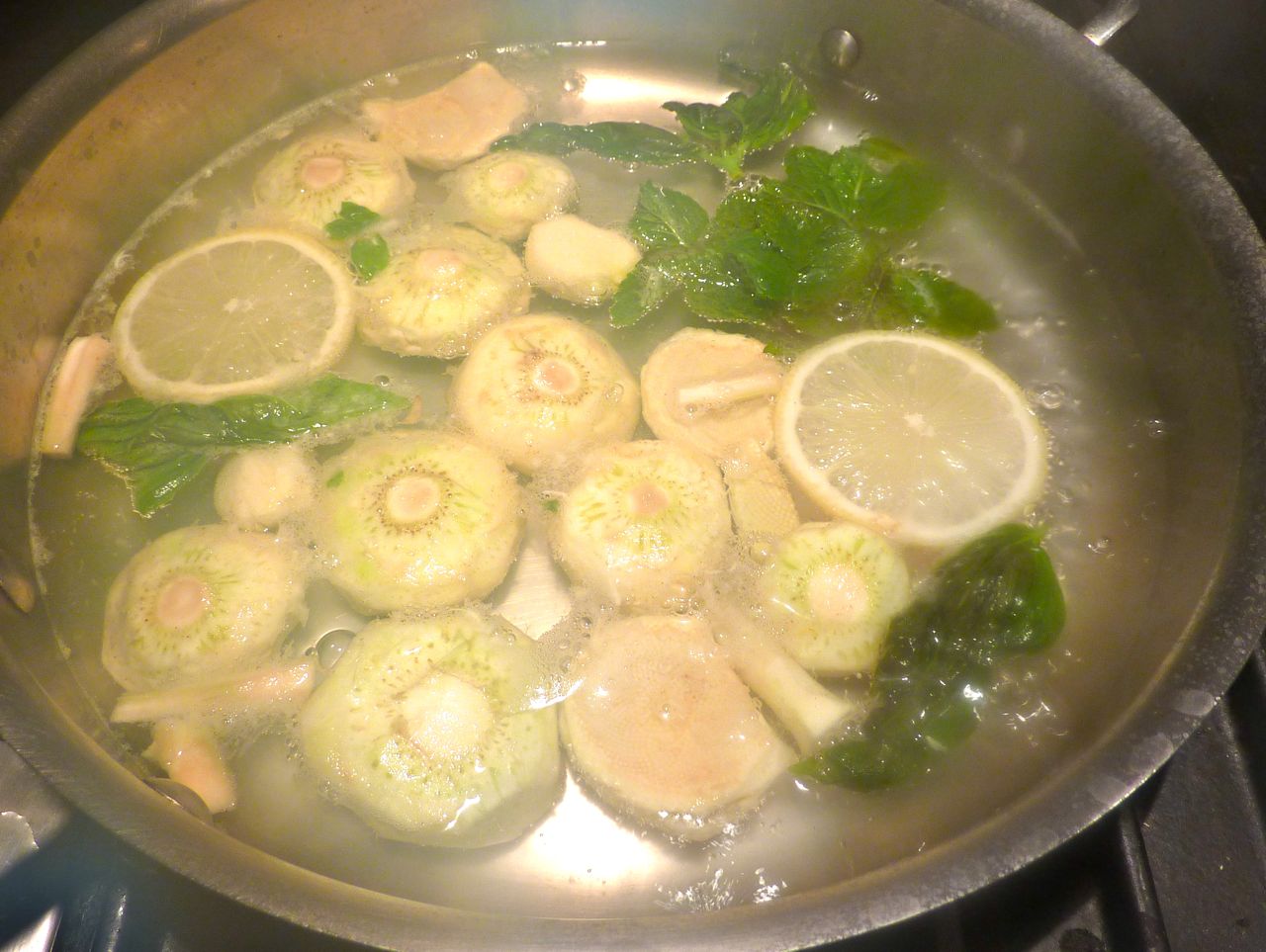
Place the 8 raw artichoke hearts and the acidulated water into a large saute pan. Add the white wine, garlic cloves, basil and mint. Bring to a boil, then reduce the heat and simmer until the hearts are tender enough to be pierced with a skewer, about 20-25 minutes. If your hearts are quite different in size, they may not all be done at the same time. As they finish cooking, remove the hearts and set aside. When all have been removed, use a slotted spoon to extract the garlic cloves and herbs from the cooking liquid. Increase the heat, and reduce the liquid to a glaze, 1 to 2 tablespoons.

For both canned and fresh versions:

Thinly slice the artichoke hearts.

Bring a large pot of water for the pasta to boil over high heat.

If using canned artichokes, add the 1 tablespoon lemon juice to a large saute pan. If using the raw artichokes, use the saute pan in which you cooked the artichokes, as the remaining glaze will replace the lemon juice. For either option, heat the pan over medium heat.

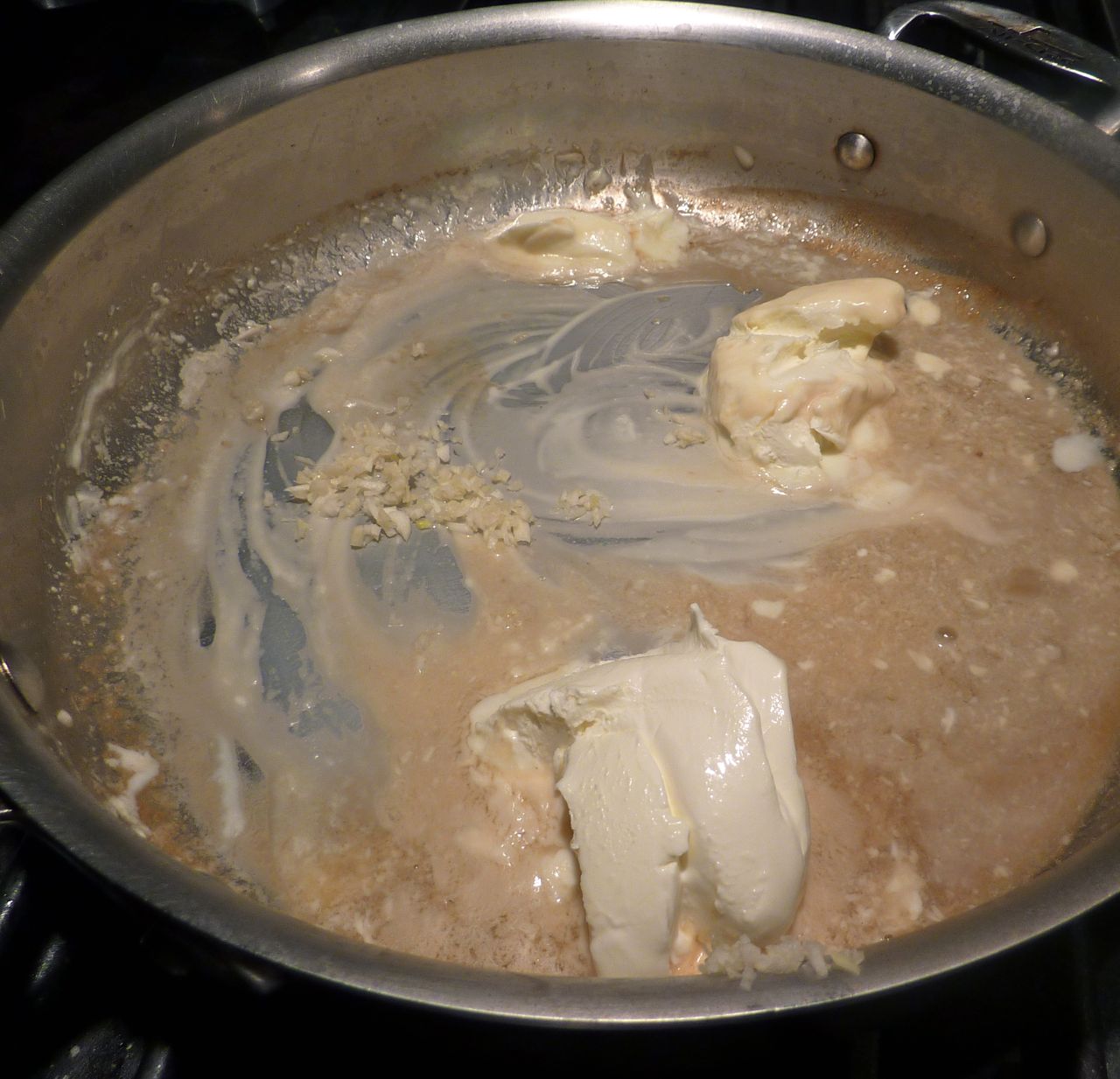
Add the mascarpone, stirring as it softens. Add the garlic and cook for 1 minute. Add the sliced artichoke hearts and the Parmegiano-Reggiano cheese. Stir until combined into a smooth sauce. Season with basil, salt and pepper.

When the pasta water is boiling, add salt, return to a boil, and then add the pasta. Cook until al dente. Remove and drain, reserving 1 cup of pasta cooking water. Add the drained pasta to the sauce in the saute pan, stirring to combine. If the sauce seems a bit thick, you can use a little of reserved pasta cooking water to loosen it up a bit, but this may not be necessary.

Serve in four bowls, garnished with a basil leaf and a drizzle of truffle oil.

Posted in Artichokes, Mascarpone, Pasta, Uncategorized | Tagged , , , , , , , , , , , , , , , , | 5 Comments

Zuppa di Zucca

zuppa di zucca bike tours Italy
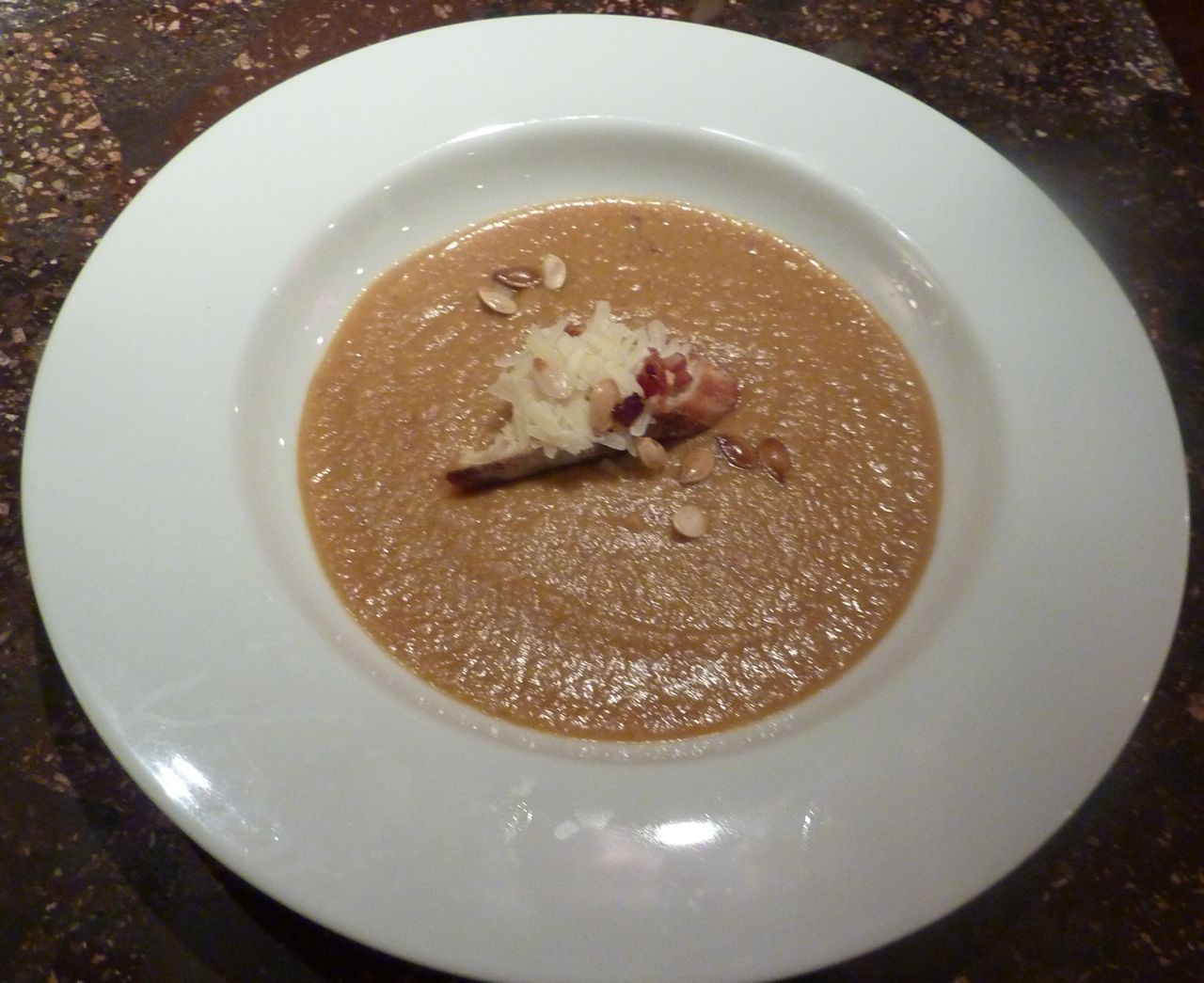
Zuppa di zucca

Fall is here, and with the colder weather my culinary thoughts turn towards warm comfort foods like soup. You will find pumpkin all over Italy, but it is especially common this time of year in the Northern regions we visit on my Italiaoutdoors Food and Wine bike and ski tours; in soups, in stuffed pastas, even sauteed and served over pasta. This soup was a combination of several different pumpkin soups from my library of Italian cookbooks.

pumpkins culinary bike tours
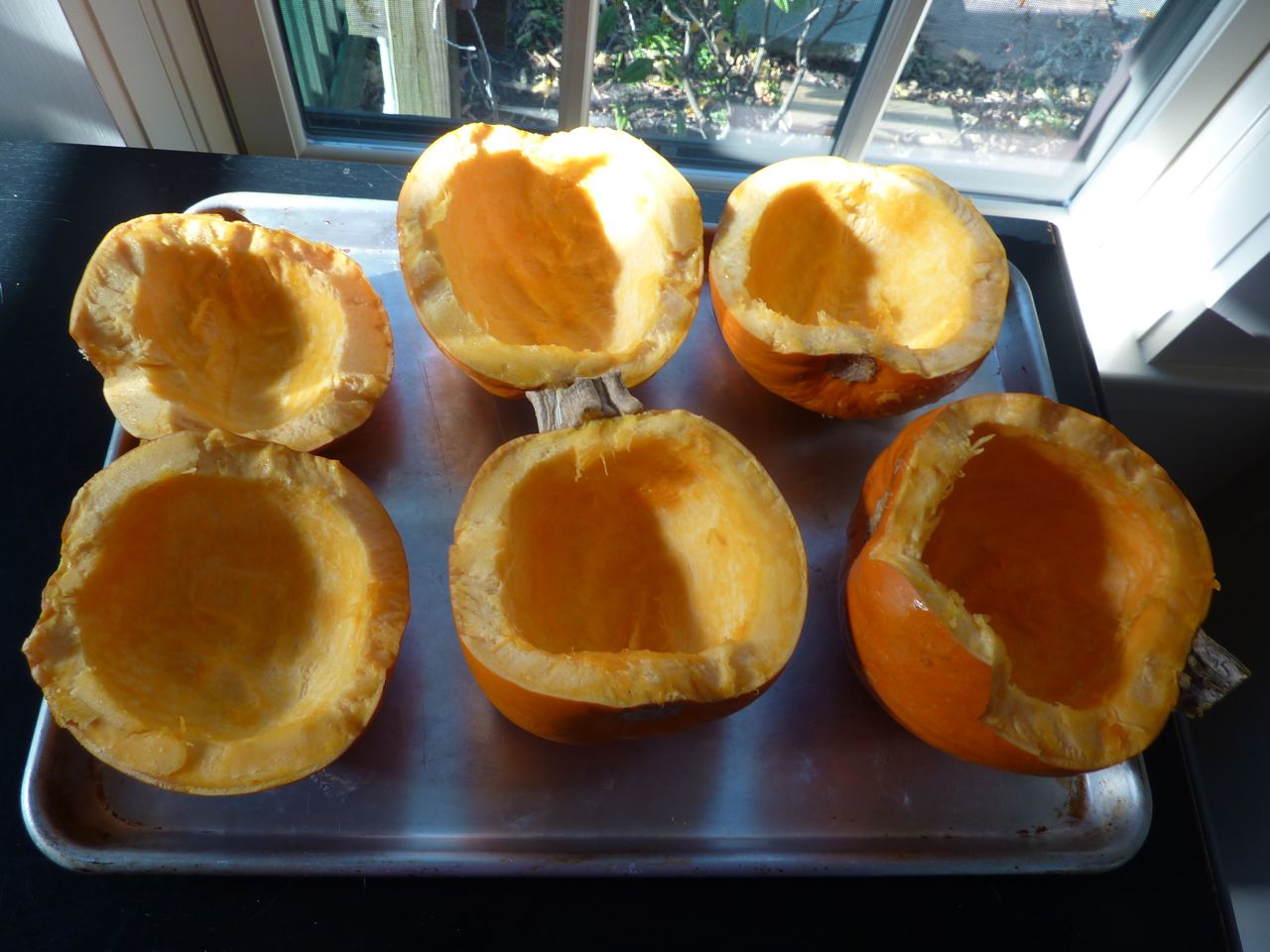
Pumpkins ready for roasting

Most of the soup recipes I reviewed had you peel and chop the pumpkin, then boil it in the stock to cook. Peeling and chopping a pumpkin is a lot of work – I could barely manage cutting these in half! But it was much quicker to halve them and roast them, and then the flesh separates easily from the skin. Also, I prefer the flavor of the pumpkin moistened with olive oil, and I would add a couple of whole garlic cloves in each half next time. I got into the habit of roasted vegetables for soups, rather than boiling them, when I was trying to develop some tasty, low salt soups for my parents, who are on salt-restricted diets. A tasty, low-salt soup – not easy!

saute bacon ski holidays dolomites
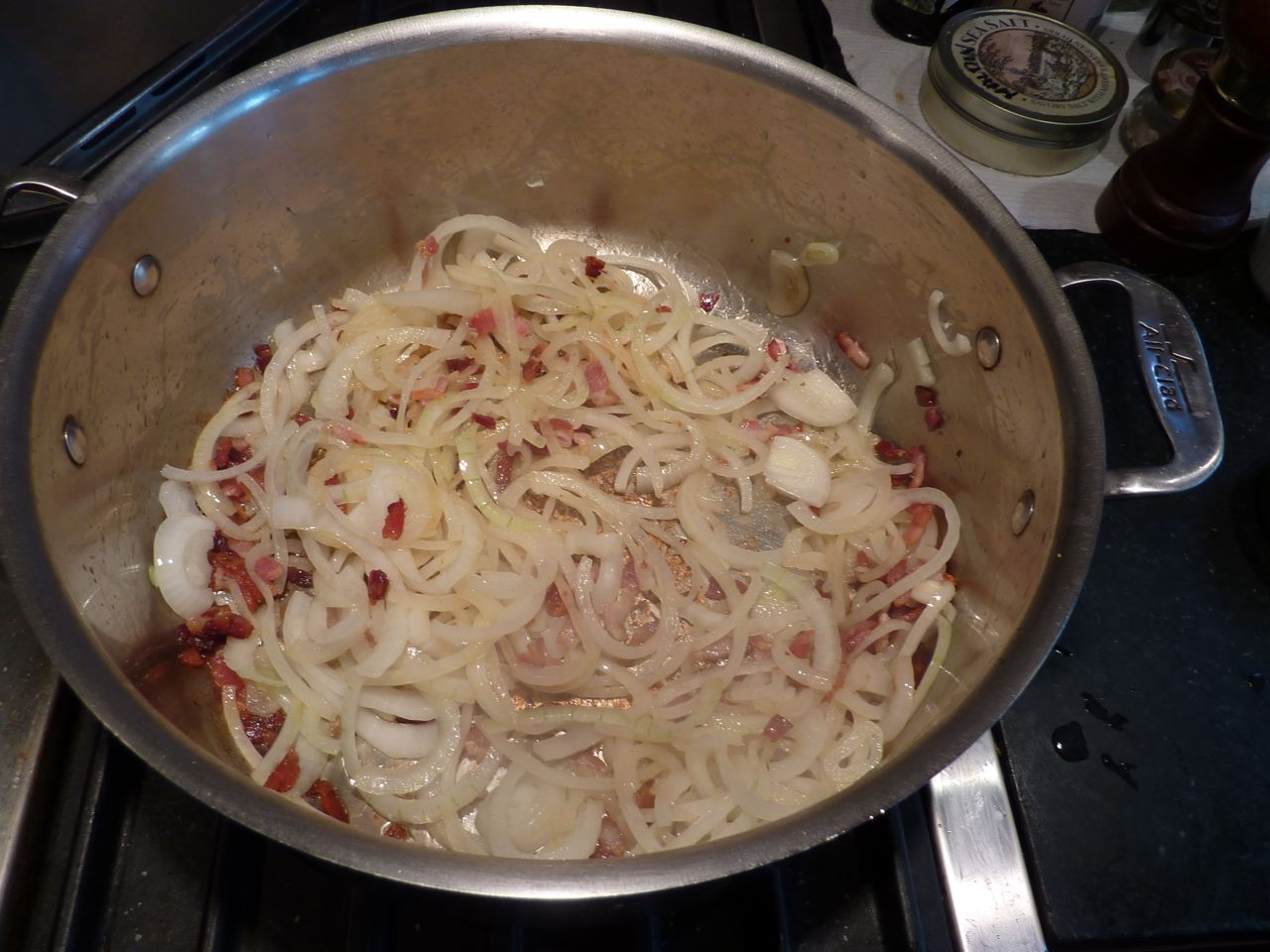
Bacon onions leeks

I tried the recipe once, and decided a little smoky flavor would be nice, so I added the bacon. I had a quart of apple cider in the refrigerator, and included that. Two cups went in the first batch, but that was a little too sweet for my taste. If you like a sweeter, more apple-y version, include more than one cup.

soup cooking bike wine tours
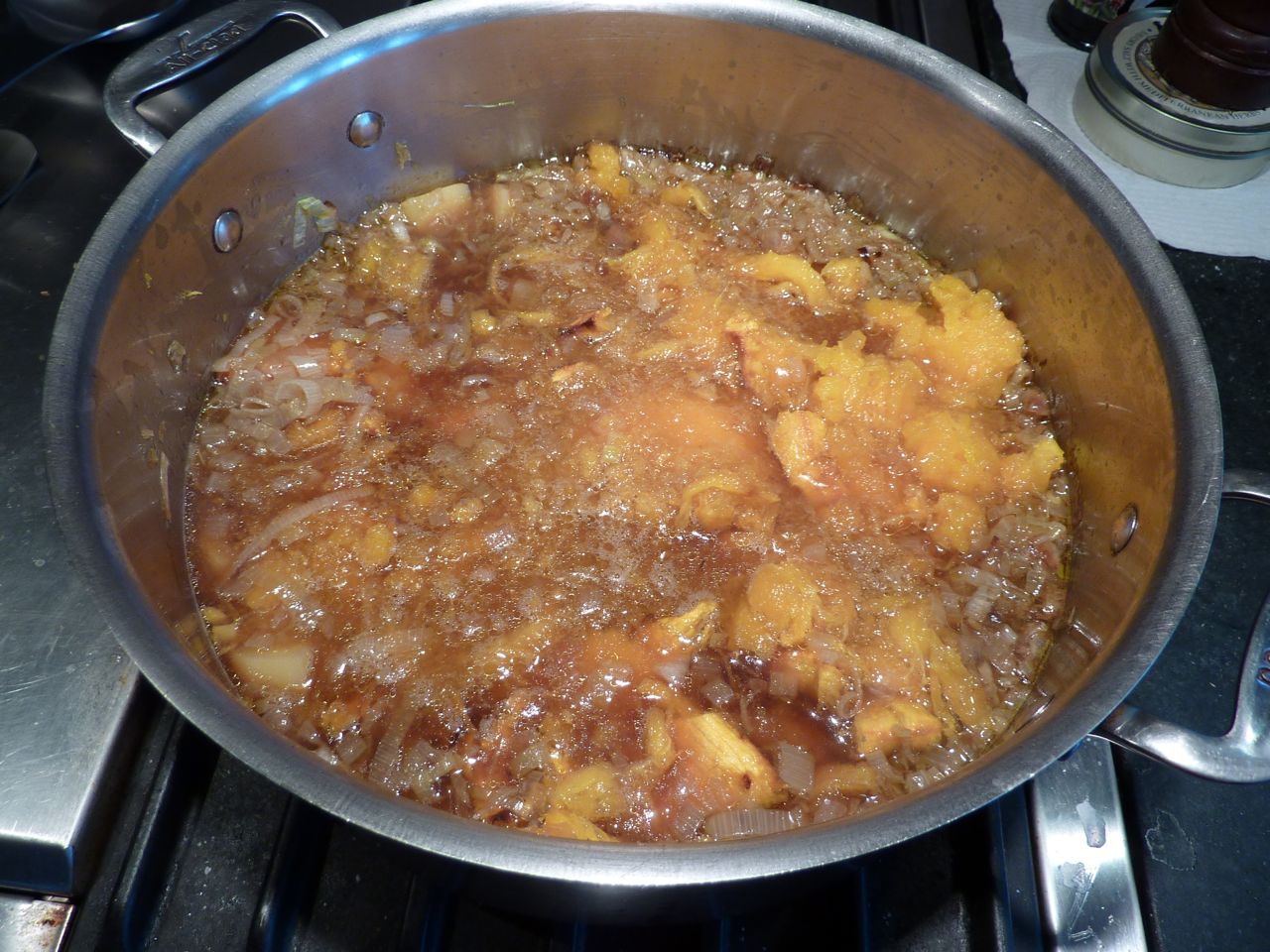
Soup cooking on stovetop

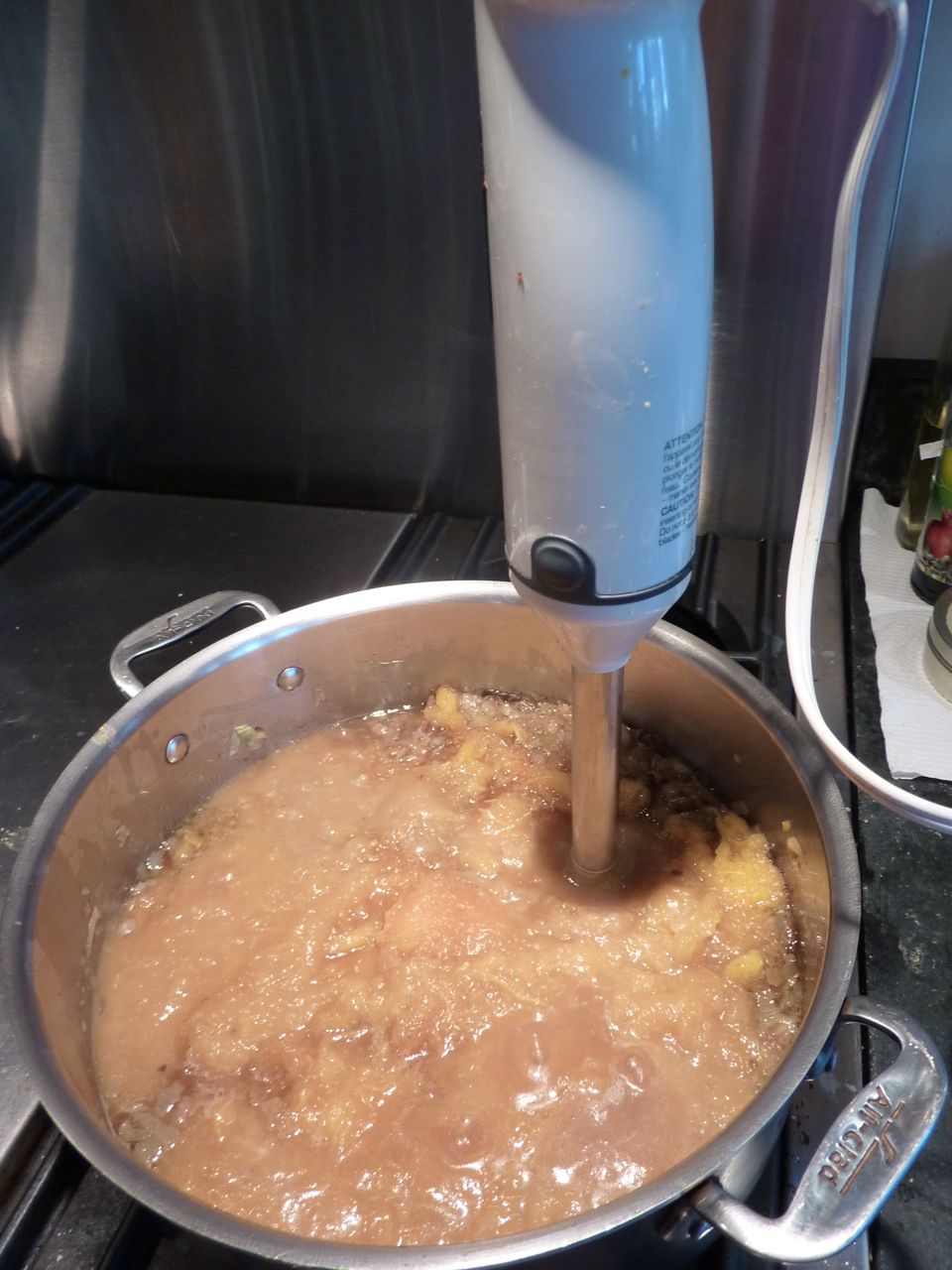
Depending upon the size and water content of your pumpkin, and the final consistency you desire, you may need to add more stock or water, or you may need to reduce it a bit. I found it rather thick, and added a little water. My immersion blender is on it’s last legs and didn’t do a very good job pureeing the soup. If you want a very smooth soup, you may have to move everything to the blender. And if you are pureeing and blending a thick soup, my last piece of advice – wear an apron. Between my malfunctioning immersion blender and the ill-fitting lid on my blender, I was wearing quite a bit of it by the time I finished. And my husband got the direct shot…

pureeing soup cycling dolomites
Pureeing soup

Zuppa di Zucca

Serves 8 as a first course, or 4 as a main with salad

1 small pumpkin, 3 1/2 pounds or so
4 ounces bacon, diced
2 onions, chopped
1 leek, white part only, sliced in half lengthwise, thinly sliced, and swirled in a bowl of water to remove grit
2 cloves garlic, minced
2 potatoes, peeled and chopped
6 cups chicken stock
1 cup apple cider
1/2 cup heavy cream
2 tablespoons butter
1/4 cup toasted pumpkin seeds
4 to 8 slices toasted bread (optional, for gluten free)
1/4 cup grated piave stravecchio cheese

Preheat oven to 400°.

Cut pumpkin in half, remove seeds and scrape out inside. Place on a baking sheet, fill pumpkin halves with a little water and roast until tender, about 40 minutes. Allow to cool.

Heat a large soup pan over medium heat, and add the bacon. Cook until just starting to crisp, and remove 1 tablespoon of the cooked bacon. Add the onions and leeks, and cook until translucent, about 7 minutes. Add the garlic and cook until aromatic, another minute or so. Add the potatoes, chicken stock and cider. Bring to a boil and cook until potatoes are tender, about 15 to 20 minutes.

Scrape the roasted pumpkin flesh out of the skin and add to the soup pan. Cook for five minutes. Using an immersion blender, puree the contents of the soup pan. If you prefer a finer texture, you can transfer the contents of the soup pan to a blender and puree.

Return soup to the pan, if you used the blender method, and reheat. Add the heavy cream and butter. Warm, and add salt and pepper to taste.

Serve in soup bowls, garnishing each with a toast slice topped with grated piave, a sprinkle of pumpkin seeds and bacon pieces.

Posted in Pumpkin, Soups, Uncategorized | Tagged , , , , , , , , , , , , , , , | 1 Comment

Arrosto con le mele

pork with apple bike tour italy
Arrosto con le Mele

I love pork. And while we don’t see it too much on our bike tours in the coastal Veneto region, except when used for the myriad of cured meat products there, you will see it used more and more as you move north into Trentino-Alto Adige. Ski season is approaching, and we are anxiously awaiting opening day here at Sugarloaf, ME (my winter home), as well as ski holidays in Italy, so comfort food is on my mind.

During my last trip to Italy, the apple harvest was in full swing, and it was the same situation here in New England when I returned. So I started a little research into how to combine the two, as pork pairs well with fruit. The “Silver Spoon” cookbook, the self-proclaimed “bible of authentic Italian cooking” had a recipe for Arrosto con le mele – perfect – with a little adaptation.

apples in italy market custom bike tours
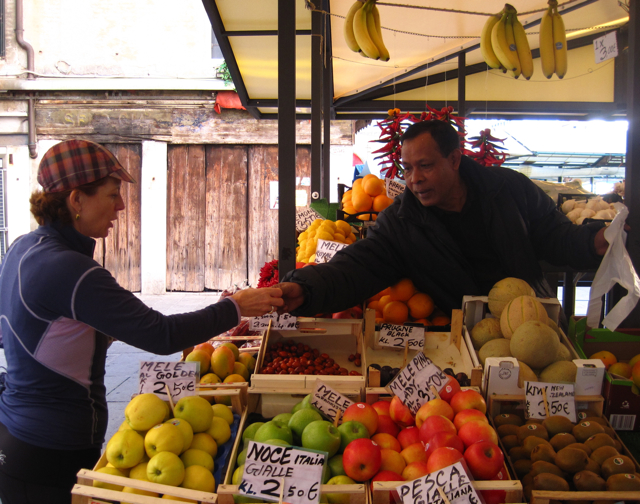
Apples in Italy market on our bike tour

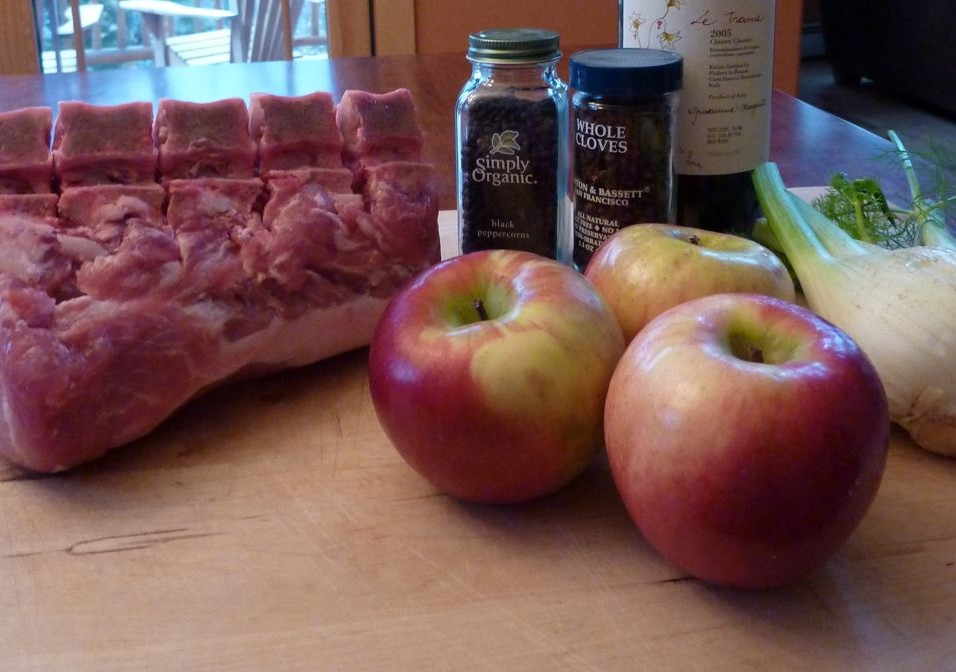
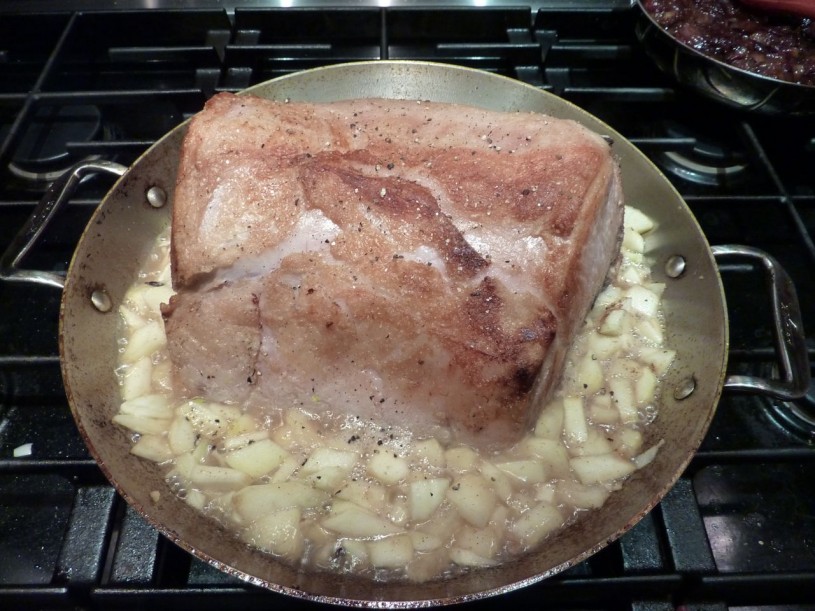
The original recipe calls for a boned pork loin. I prefer roasts with the bones in, as my favorite part is gnawing the meat off of the bones. Or I take the left-over bones (not the one’s I gnaw on) and throw them into the freezer, and when I have enough I make some pork stock. I purchased the pork from my favorite local source of meat, Tendercrop Farm in Newbury, MA. They produce their own chickens, grass-fed beef, and pork. They usually sell pork chops and boneless pork roasts stuffed with their own apple stuffing, but the friendly staff there is always willing to go out back and grab a bone-in roast for me. Basically I’m buying bone-in pork chops before they’ve been chopped. They cut through the bottom portion of each bone, making it easy to separate into chops after it has been roasted. You can see where they’ve cut through in the photo.

ingredients pork culinary bike tours italy
Pork, apples, fennel and spices

The apples and fennel came from Long Hill Orchard, the CSA I have been a member of for three years now. Cindy Adams and her team do a fantastic job, the produce is always beautiful and she has quite a variety all season long. Now there are six or seven different varieties of apples to enjoy. Many of the same varieties are available in Northern Italy, where Trentino-Alto Adige alone produces over 60% of the apples in Italy.

cooking with white wine bike wine tours
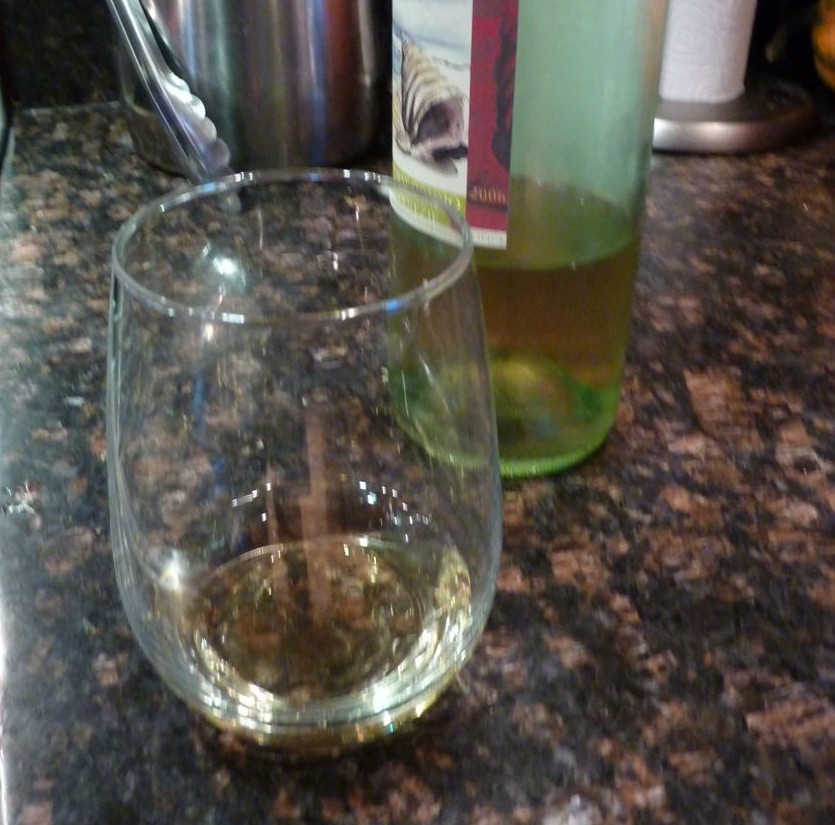
The side benefits of cooking with wine…

I tried the recipe a couple of weeks ago, and used a Veneto red wine and beef stock rather than vegetable stock. The sauce, a combination of apples, red wine and beef stock was a not-too attractive purple color. On my second attempt, I went with white wine and beef stock. I preferred the flavor of white wine version, and it was certainly more attractive!

sear pork ski holidays dolomites
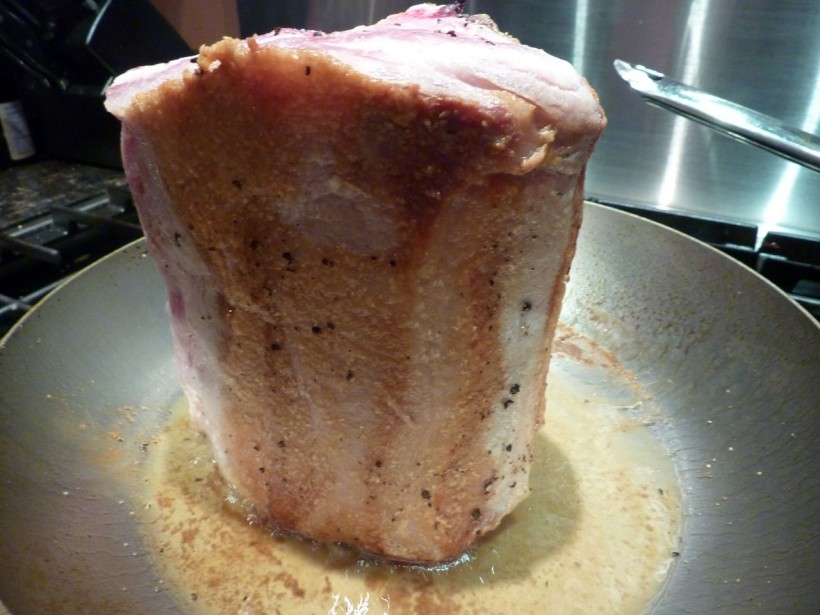
Searing the pork

Both the original recipe and my version specify searing the pork roast on the stove before roasting. I like this – it insures a nice caramelized surface on the pork, but it not absolutely necessary if it is not your thing. I do spend some time on this process, making sure every surface is seared. Sometimes that means I am holding the roast in place with a dish towel as I sear an oddly shaped side that won’t cooperate and balance on its own.

Pork with apple cycling dolomites
Pork with apples

After searing, I placed the roast bone side down in the pan, and added the remaining ingredients. I covered the sauce ingredients, but not the roast itself, with parchment paper and then foil. The parchment paper is needed as the acid in the wine can react with the metal foil. The roast I leave uncovered, as I want a nice crisp outside, not soggy.

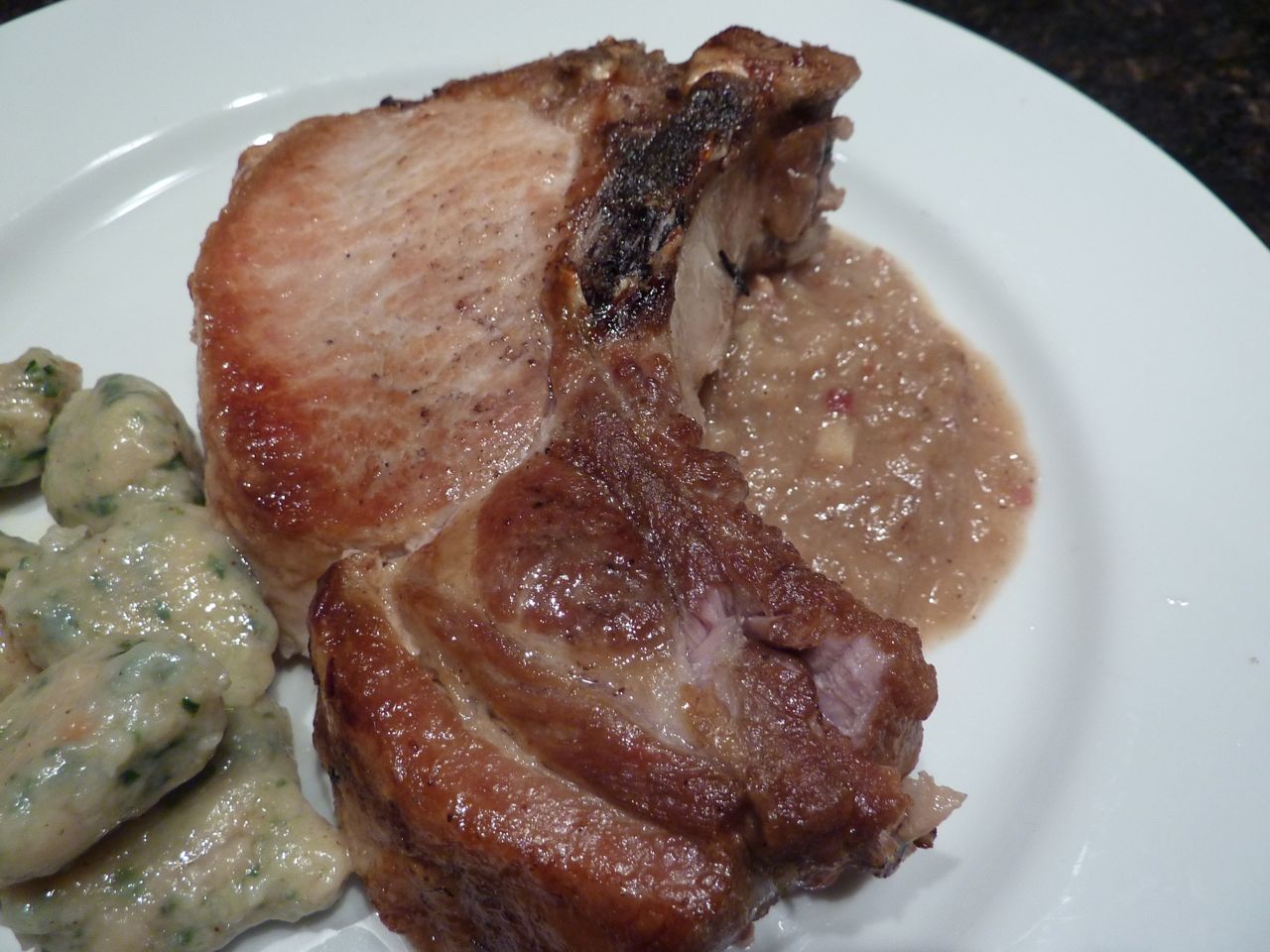
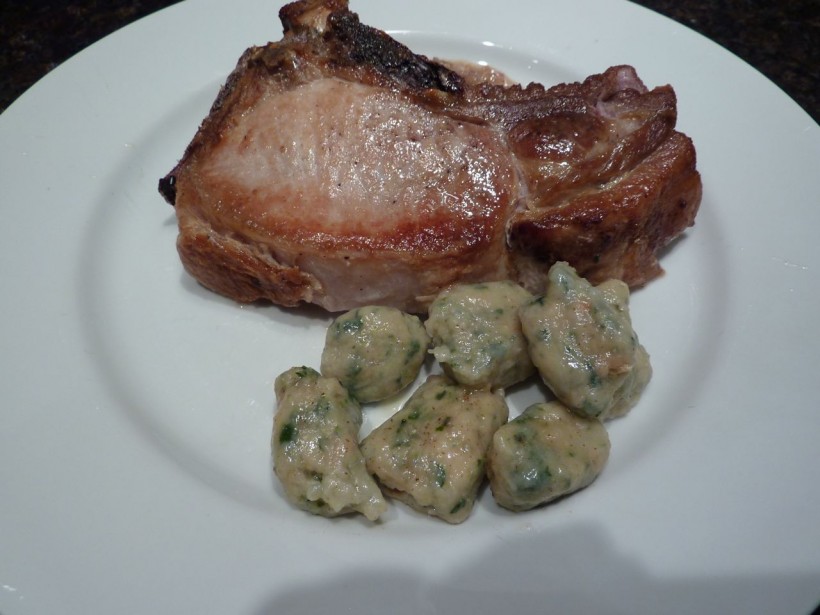
When the roast is done, I remove it from the pan, mash up the apples and fennel in the sauce with a potato masher, and reduce until it is the consistency I wanted. I served this with a bread and kale gnocchi, also hailing from Trentino.

pork with apples and gnocchi cycling tours europe
Arrosto con le mele with gnocchi

Roast Pork with Apples

Trentino-Alto Adige is the region north of the Veneto, extending up to the Austrian border. We will visit this region on our ski trips, as well as on bikes next season. As this area was part of the Austro-Hungarian empire as recently as prior to WWI, there is still a strong germanic influence. Here, two regionally produced food products, pork and apples, are combined in a nice fall roast.

Serves 4
3 lb. pork roast, bone in (4 chops)
2 tablespoons extra virgin olive oil
1 1/2 c. white wine
2 c. meat stock
8 cloves
1 tablespoon mustard
2 tablespoons sugar
1 head fennel, tough outer layers removed, chopped into 1/4 inch dice
3 apples, peeled, cored, and cut into 1/2 inch dice
kosher salt and pepper
Heat the oven to 400°
Season the meat with salt and pepper. Heat the oil in an ovenproof pan, add the meat and sear on all sides until nicely browned.
Pour the wine and meat stock into the pan, and add the cloves, mustard, and sugar. Season with salt and freshly ground pepper and bring to a boil. Add the fennel and apples, cover the liquid with foil, and roast in the oven for 20 minutes. Lower the heat to 350°, and continue to roast for until pork reaches and internal temperature of 130°.
Remove roast from pan and let stand. Remove the foil, place the pan on a burner, and mash the apples and fennel by pressing down with a spoon. Cook over high heat until thickened and caramelized. Check seasoning.
Slice roast into chops, place a spoonful of sauce on the plate, with the chop on top of it.

Posted in Apples, Pork, Uncategorized | Tagged , , , , , , , , , , , , , , , , , | 2 Comments