The Wines of Umbria

montefalco vineyards bike tours italiaoutdoors food and wineWe are off on our next tour this week, our Bike the Wine Roads of Umbria tour. So as I plan tastings and winery visits, it seems like the perfect time to produce a brief primer on the wines of this region, which are still hard to come by here in the US.
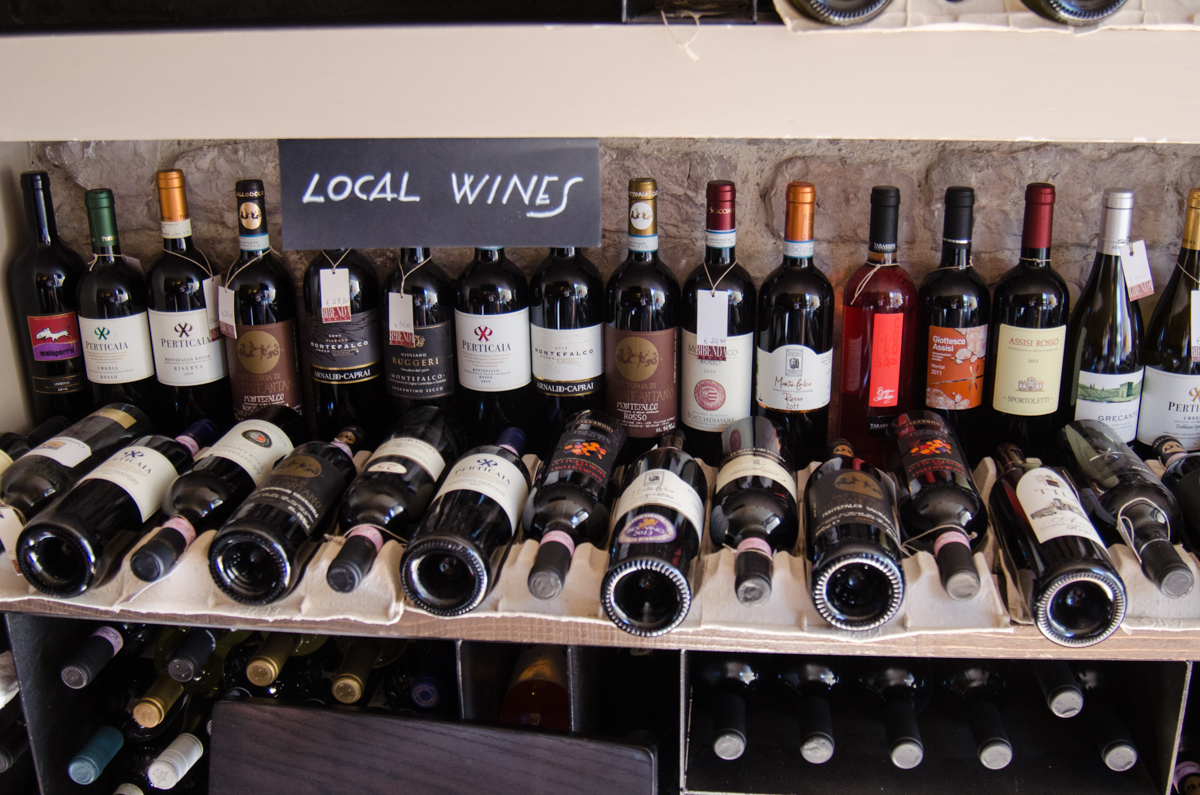
umbrian wines bike tours italiaoutdoors food and wineWine production in Umbria dates back to ancient times. Archaeological artifacts show evidence that the Etruscans engaged in viticulture along the banks of the Tiber River well before the Romans here. But when they did arrive, they too developed a taste for these wines. Around the 12th century, Orvieto was a summer retreat for the Popes, and the then thick, sweet white wine from this area was shipped daily to Rome.
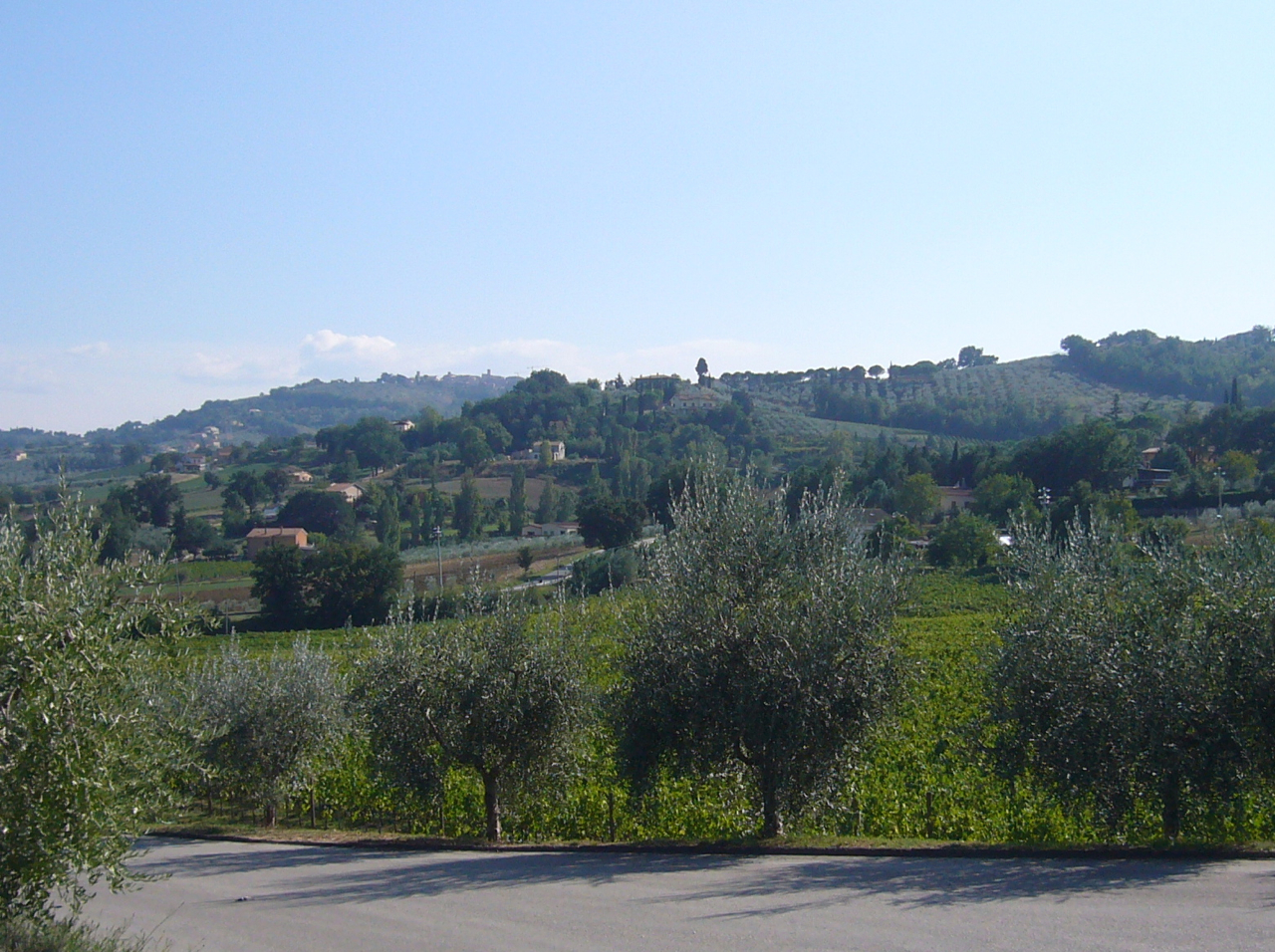
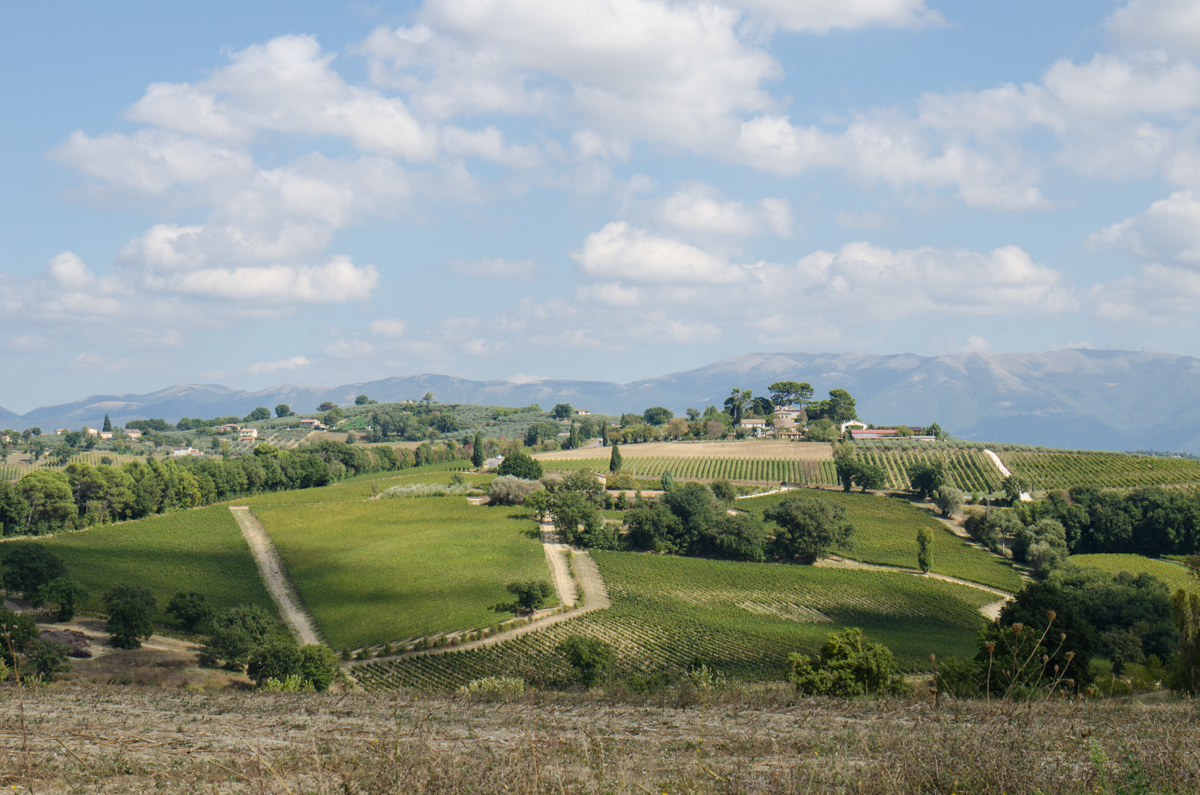
vineyards in umbria wine bike tours italy italiaoutdoors food and wineUmbria is landlocked, and enclosed on three sides by the Apennines mountains, but the many rivers that flow through the region bring with them warmer air from the Mediterranean. The interplay of these warmer air currents with the cool air that flows down from the Apennines provides the ideal environment for viticulture. But winemaking in Umbria has always competed with olive oil production and grain cultivation.
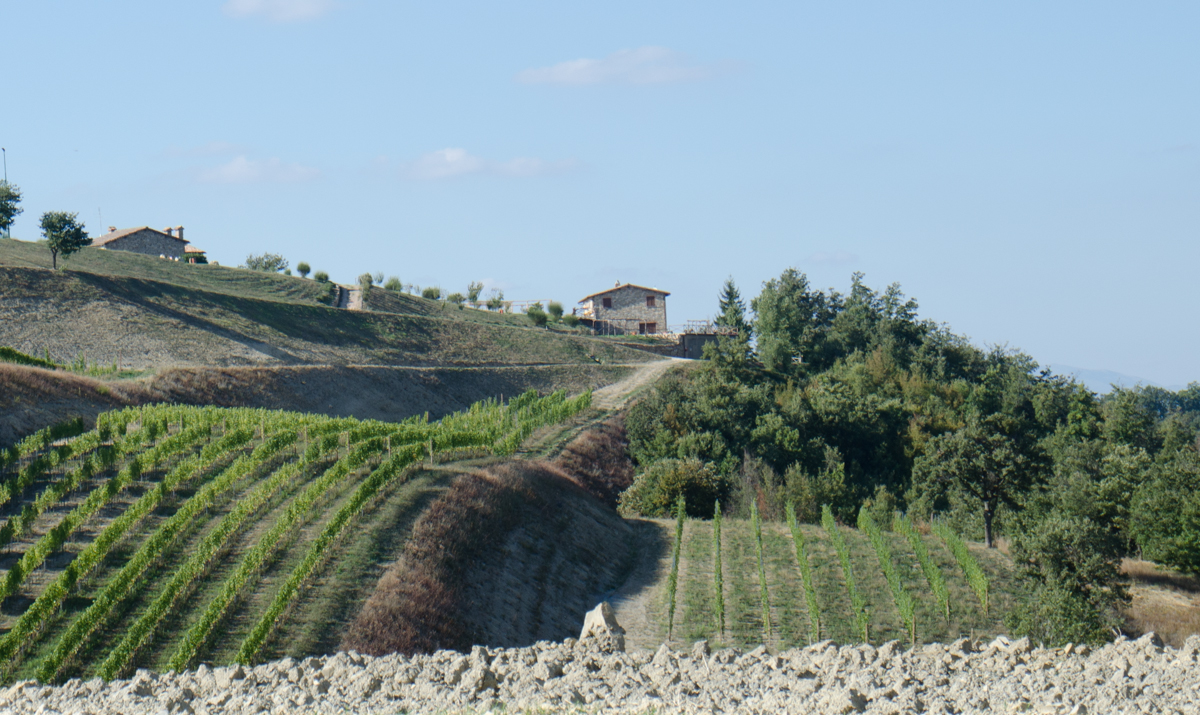
umbria vineyards bike tours italiaoutdoors food and wineCenturies ago, rather than the neatly manicured vineyards we see today, the grapevines were interspersed among trees such as maple, elm, and even olive. The trees acted as natural trellises, raising the grapes off the ground so they could ripen without rotting. As recently as the 1970s, wine production in Umbria was basically a farmhouse operation making wines for local consumption. Today, a few of these family producers have transformed themselves embracing modern production methods and controls, and are now producing high quality wines worthy of international attention.

There are now 13 DOC and 2 DOCG wine zones in Umbria. A few of the distinctive wines you will find in this region are:

Grechetto

Grechetto is a white varietal found in central Italy, particularly in Umbria. It is believed to be of Greek origins, and related to the greco grape of Campania. It is primarily used as a blending grape, though now some varietal (single grape) wines are being produced.
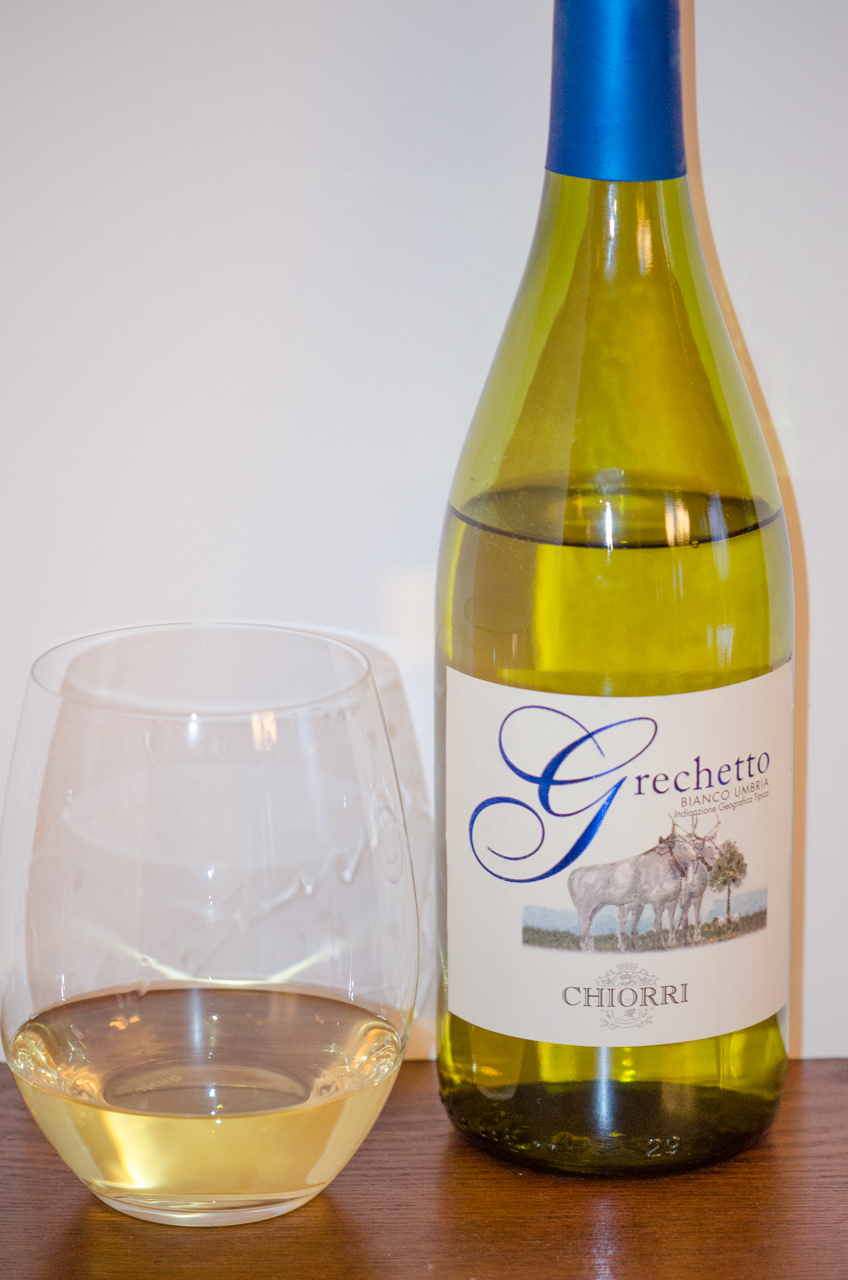
chiorri grechetto wine bike tours umbriaThe producer Antinori describes Grechetto as “small, dark-yellow, thick skinned, highly acidic, low-yielding, notable tannic Umbrian grape that produces creamy wines with unique spicy, herbal, freshly mown hay flavors, good structure, good aging potential, and elegance.”

Several denominations in Umbria use this grape, including Orvieto, probably the most well-known white appellation in the region, as well as Assisi, Colli di Trasimeno, and Colli Martani. In addition to the varietal wines, we will search out the regions traditional Trebbiano based blends that are now becoming very interesting as producers add varietals such as Grechetto and Chardonnay to the mix.

Torgiano Rosso Riserva DOCG

In 1968, Torgiano was the first zone to be awarded DOC status in Umbria, and was elevated to DOCG status in 1990. The success of this zone is largely the work of one farsighted producer, Lungarotti, who was the first Umbrian wine maker to become a true commercial entity. Lungarotti now operates a winery, hotel, restaurant, enoteca and several museums, one for wine, one for olive oil, all located in Torgiano.

Torgiano Rosso Riserva is a blend of Sangiovese (50-70%), Canaiolo (15-30%), and Trebbiano (10%), with other red grapes such as Ciliegiolo and Montepulciano allowed, up to a maximum of 5%. It must be aged a minimum of 3 years, beginning November 1 of the year of the harvest. They are ruby red in color, with a delicate bouquet that develops complexity with age. Dry, well-balanced, with a persistent finish, they pair wonderfully with the local cuisine – roasted meats and game, and aged hard cheeses such as pecorino.

Sagrantino di Montefalco

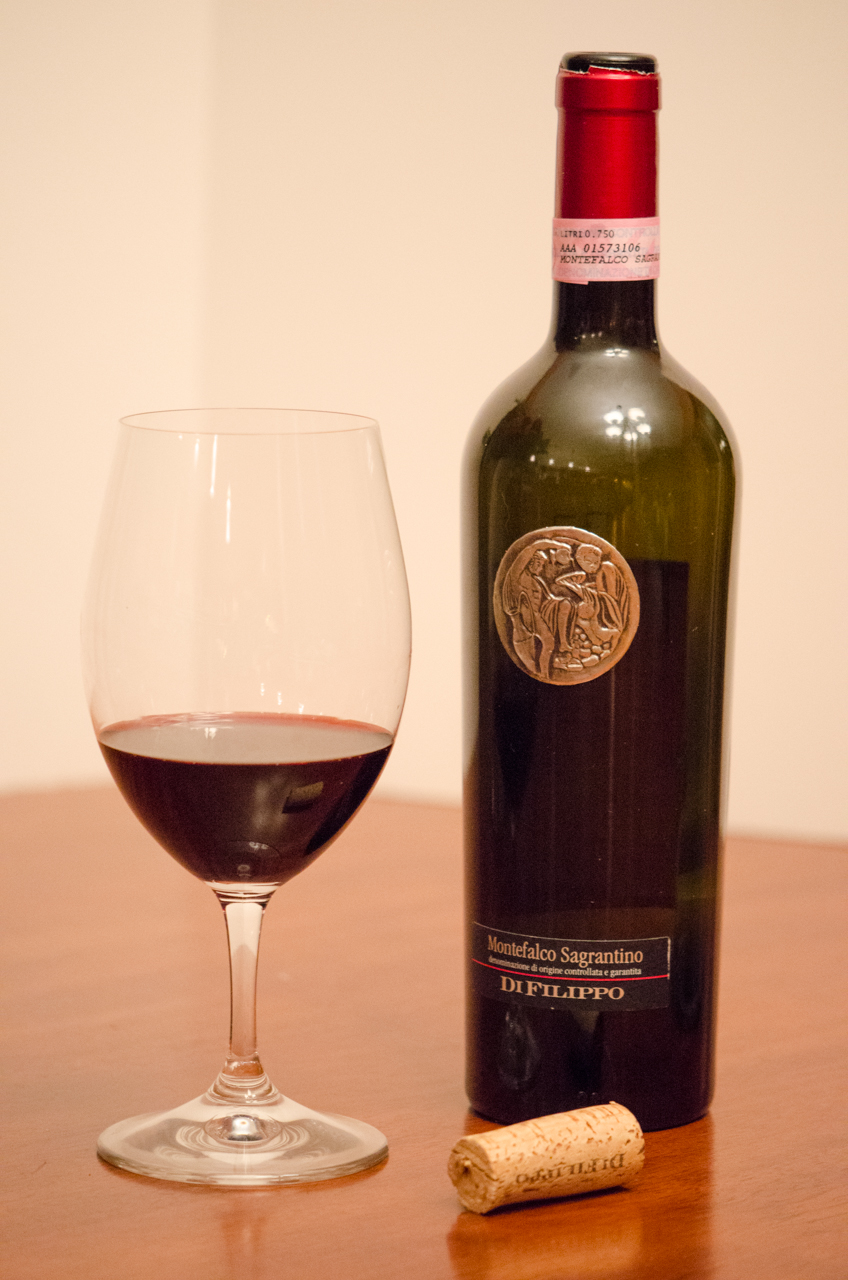
If you wish to find the one wine unique to Umbria, it is the Sagrantino di Montefalco. Sagrantino di Montefalco is a single varietal wine, produced exclusively from the Sagrantino grape. This varietal of unknown origin – some claim it hails from France, others claim Greece – is very rarely grown outside of Umbria, and almost disappeared even here until rediscovered in the 1970s. Today, there are only a handful producers that make this wine, and only about 250 acres under production.
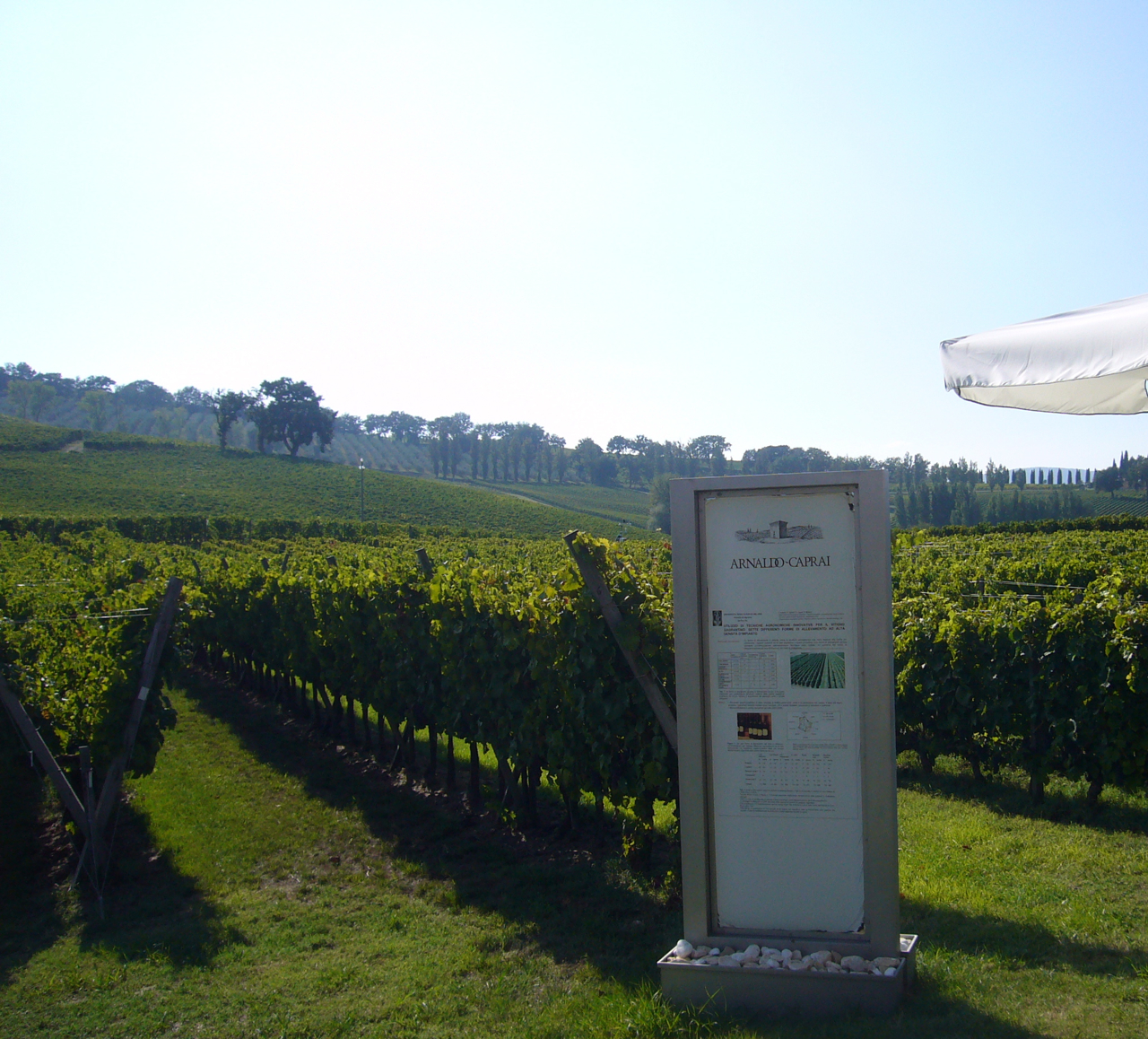
vineyards at caprai bike wine tours italy italiaoutdoors food and wine.comTwo types of Sagrantino are produced; a dry red, which much have an alcohol content of at least 13%, and a sweet wine, with a minimum alcohol of 14.5%. The dry style, Sagrantino Secco, must age for 30 months, 12 of which must be in a cask. The sweet style, Sagrantino Passito, must also age for a minimum of 30 months. As Sagrantino grapes have a particularly high concentrations of polyphenols, it requires a bit of skill to produce a drinkable wine with this grape, one in which the tannins don’t overwhelm everything else. These long periods of aging allows the tannins to mature, resulting in a more balanced, less aggressive wine.

Dark and dense, loaded with dark fruits with some spicy and earthy notes. It expresses flavors of black cherry, licorice and chocolate. Medium to full bodied, and high in tannins, but with tannins that are more sweet than austere, producing a wine that manages to be both sweet and savory. Another great pairing with the cuisine of Umbria – roasted or grilled meats and hard cheeses.
di filippo sagrantino front wine bike tours umbria

Posted in Umbria, Uncategorized, Wine | Tagged , , , , , , , , , , , , , , , , , , , | Leave a comment

Brasato di Maiale con Fagioli – Braised Pork with Beans

brasato di maiale private bike tours italy italiaoutdoors food and wineThe regions of Tuscany and Umbria are considered the “Heart of Italy”, lying as they do in the geographic middle of the country. Adjacent to each other, their cuisines are quite similar. Simple, country cooking; not a lot of ingredients. Robust flavors attained by using the freshest local products, rather than a lot of sauces and seasonings. We see the source of their two favorite ingredients all along the routes we follow on our bike tours through the Tuscan and Umbrian countryside – olive orchards for their famed olive oil, and vineyards for their wines.

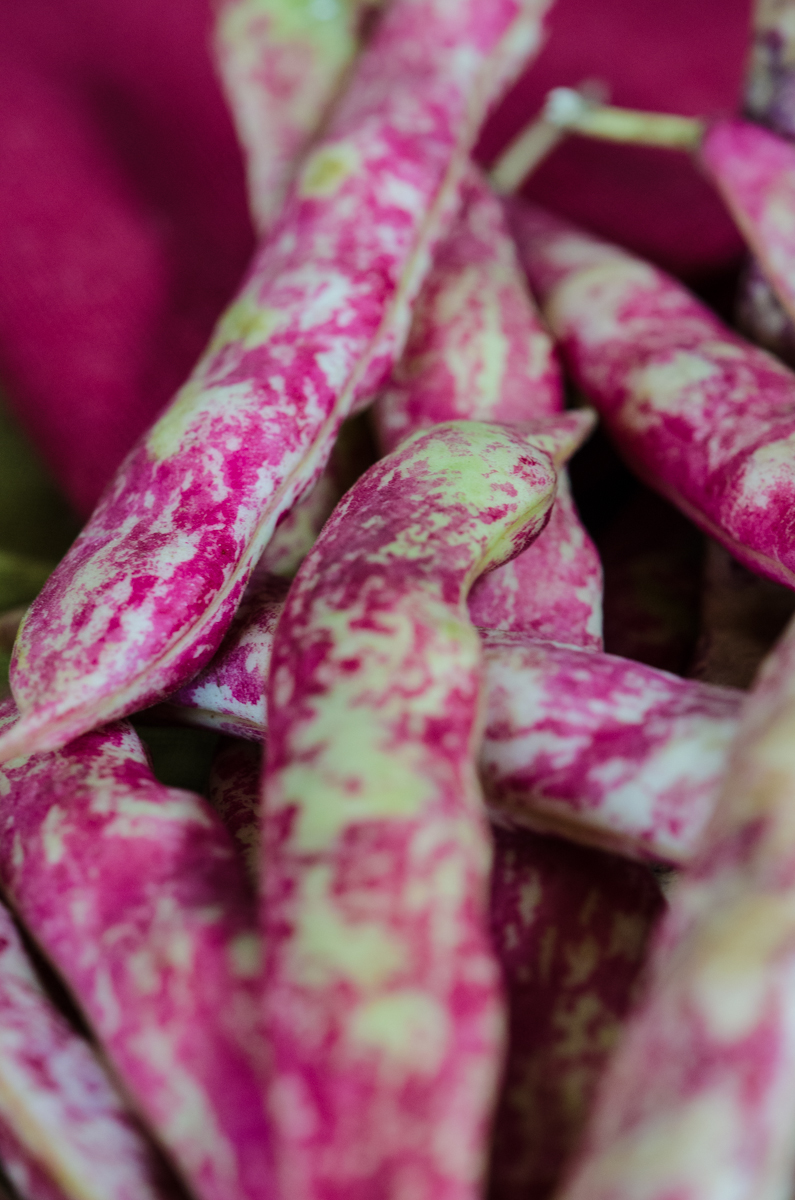
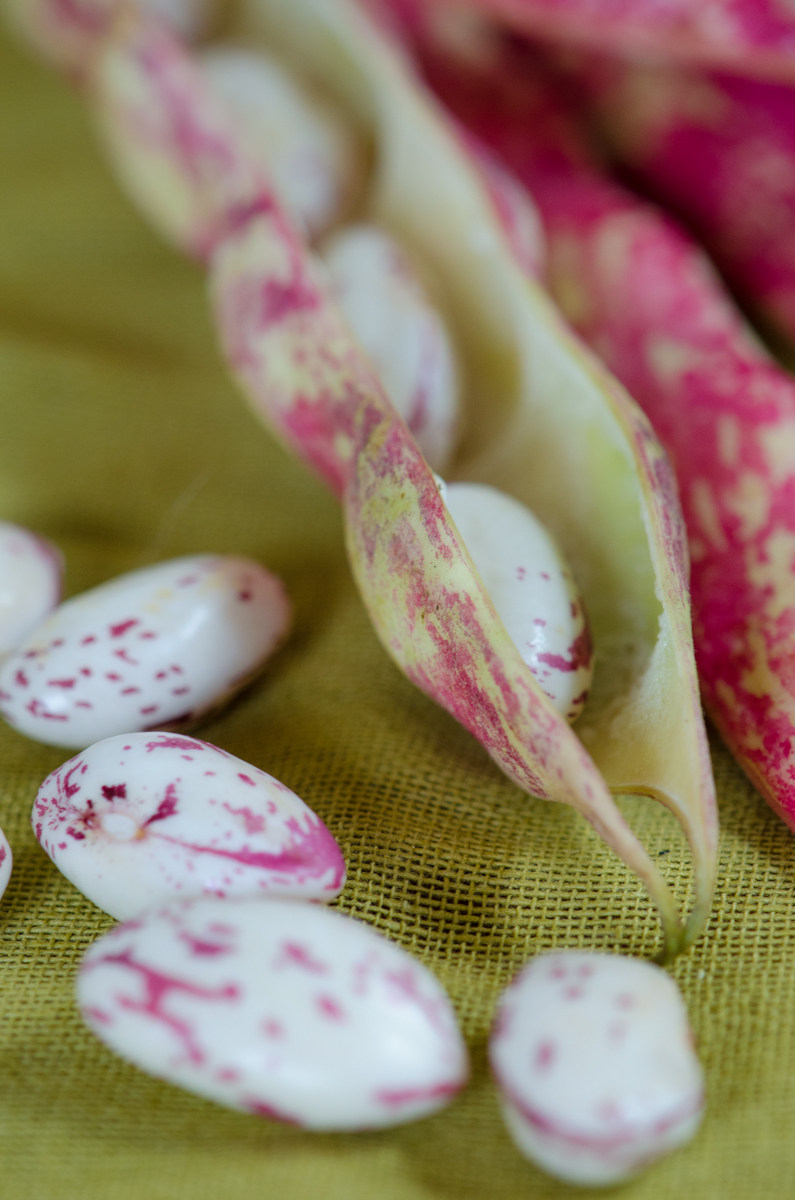
borlotti beans bike tours italy italiaoutdoors food and wineBeans also have a predominate role on the tables of Tuscany and Umbria. Tuscans have been referred to as ‘bean eaters’ by other Italians. In Tuscany you will find simple white beans, fagioli al fiasco, which have been cooked in a flask, or fiasco. Farmers would fill the bottle with beans and water, and place them in the embers of the fire before retiring. In the morning, the beans would be cooked. Fiasco is also used to refer to the straw covered glass bottle traditionally used to bottle Chianti.

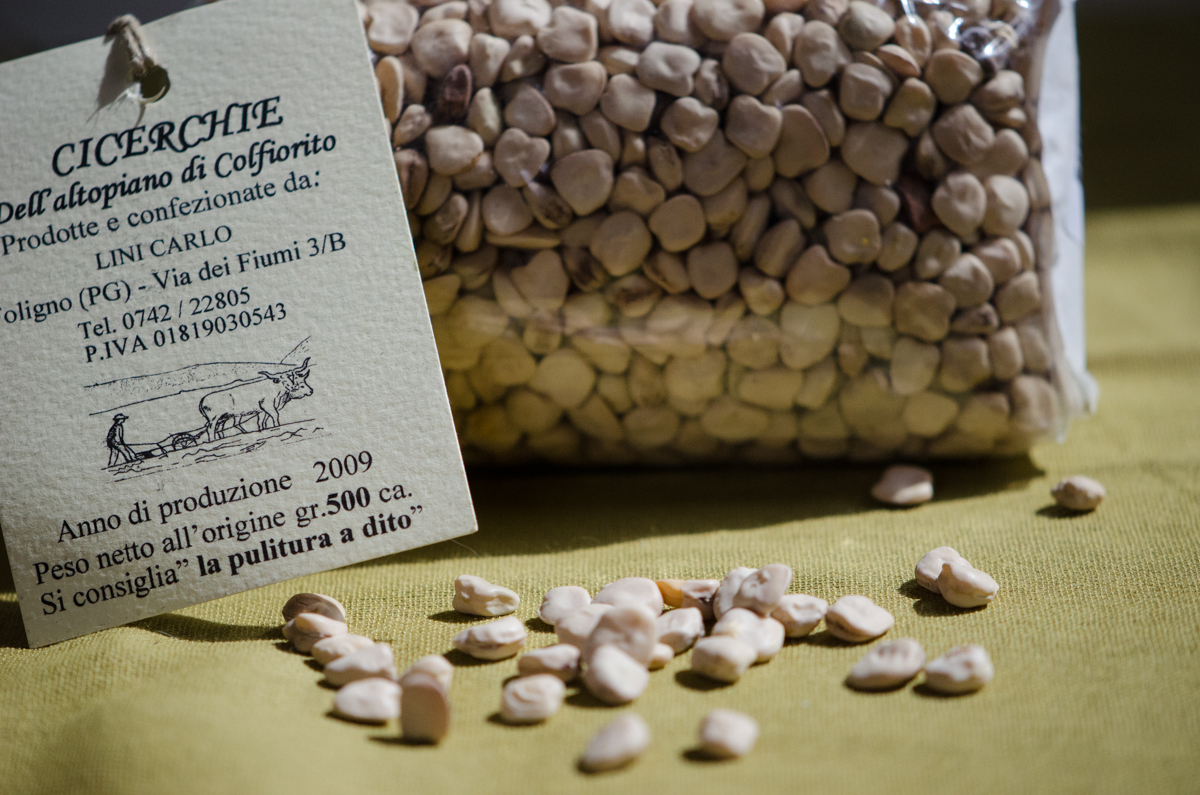
shelled borlotti bike tours tuscany italiaoutdoors food and wineUmbria is particularly well known for its beans and lentils, which are dried and appear on their table year round. Some very special heirloom varieties include Roveja di Civita di Cascia, small wild peas that grow high on the slopes of the Sibillini mountains,  and the Lake Trasimeno bean, a tiny bean about the size of a grain of rice, which are eaten both dried and fresh. Also from Lake Trasimeno is the fagiolino, a eyeless type of black-eyed pea, Cave di Foligno’s rare variety of navy bean, the fagiolo or the earthy cicerchie, a type of chickpea. The town of Castelluccio produces some wonderful tiny lentils.cicerchie private bike tours italy italiaoutdoors food and wine

Here in the US, I only rarely see fresh shell beans at my farm stand. This time of year I enjoy cranberry beans, a light to medium tan bean streaked with red. In Italy I find the very similar borlotti bean, also known as the Roman bean, a variety of cranberry bean bred in Italy to have a thicker skin.

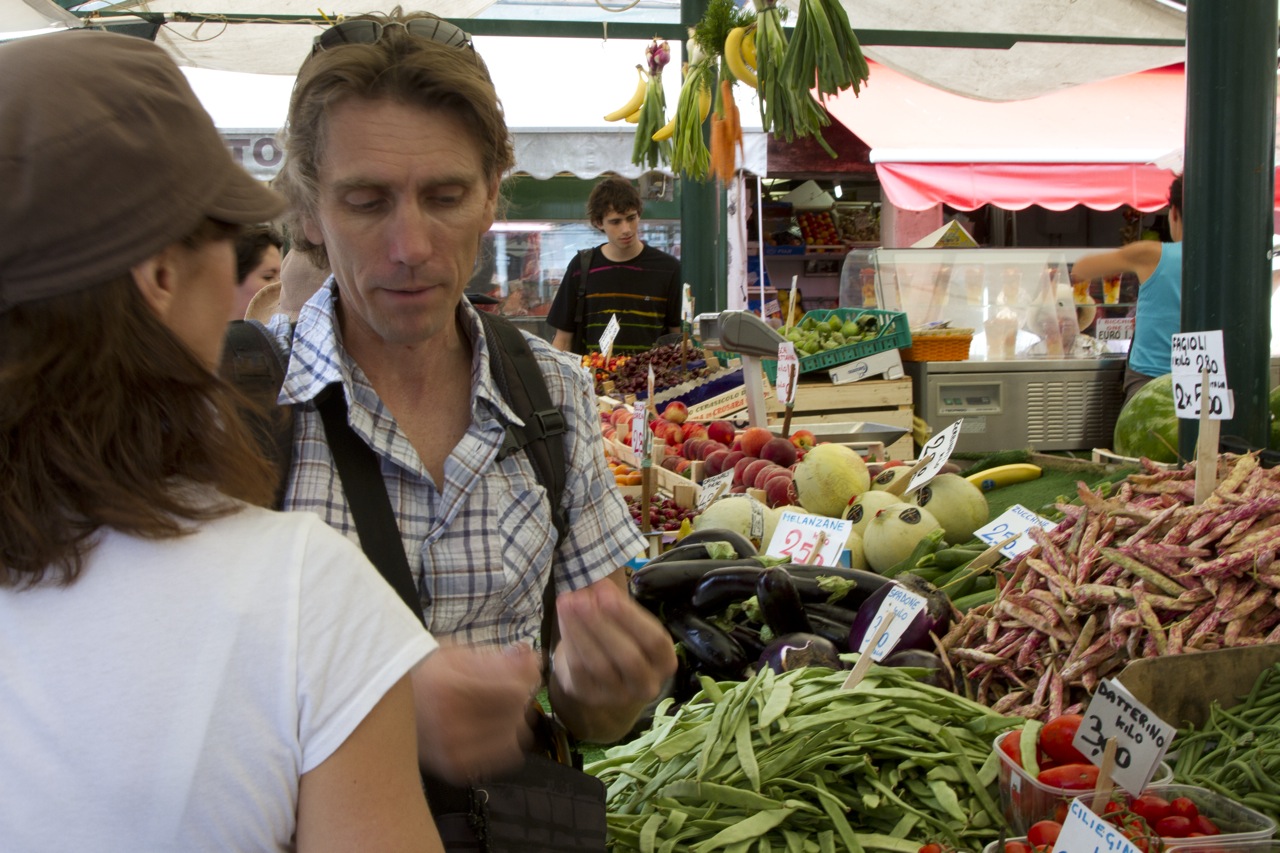
kathy and vernon at market bike tours italy italiaoutdoors food and wine
Kathy and Vernon select beans at market in Italy

With the snap of autumn in the air, my dinners are moving away from the grill towards more hearty dishes like braised meats. A nice fresh pork butt, and beans, olive oil and wine, here come together to create a nice fall dinner.

Brasato di Maiale con Fagioli

2 tablespoons olive oil
4 pounds boneless pork butt
Kosher salt and freshly ground black pepper
2 medium carrots, cut into 1/4-inch dice
2 celery ribs, cut into 1/4-inch dice
1 medium onion, cut into 1/4-inch dice
1 garlic clove, peeled and minced
2 cups white wine
2 cups unsalted chicken broth
1 1/2 pounds fresh borlotti or cranberry beans, shelled
1 tablespoon finely chopped parsley

Heat 1 tablespoon oil in a large wide heavy pot or Dutch oven over medium-high heat. Season the pork butt with salt and pepper, and sear, turning, until browned all over. Transfer pork to a plate.

Place the remainder of the olive oil in the pot. Add the carrot, celery, and onion, and cook until tender and starting to brown, about 4 minutes. Add the garlic and cook until aromatic, about 1 more minute.

Add the wine to the pot, and cook until reduced by half. Return pork to pot. Add the chicken broth and bay leaf, and bring to a gentle simmer. Cover with parchment, topped by aluminum foil, placed down close to the meat, then place the pot cover on top.

Cook slowly over very low heat until the meat is tender, and is easily shredded with a fork. Remove the pork and set aside.

Add the beans to the pot, increase to a simmer and cook until the beans are tender and the liquid is reduced, about 30 to 40 minutes.

Return the pork to the pot, cook until the pork is reheated, and serve.

Posted in beans, Braising, Travel, Tuscany, Umbria, Uncategorized | Tagged , , , , , , , , , , , , , , , , , , , , , , | Leave a comment

Pappa al Pomodoro

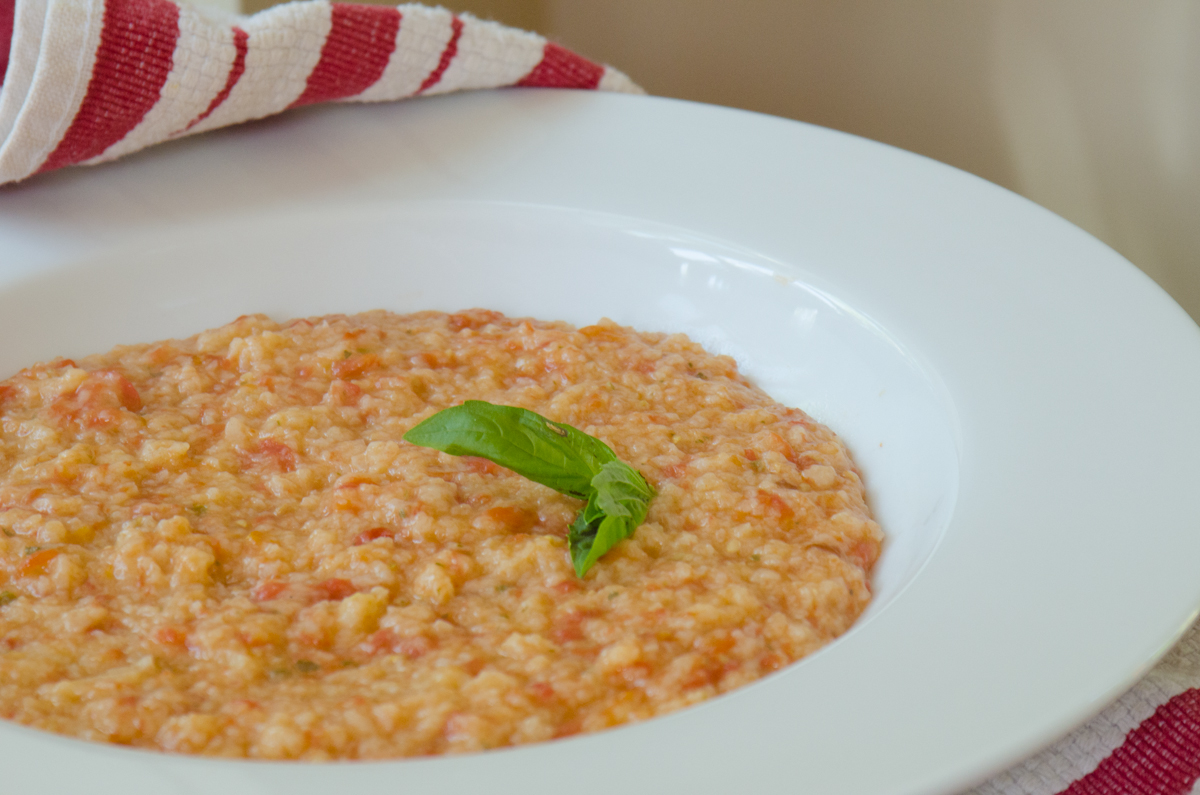
pappa al pomo luxury ski and wine holidays dolomites italiaoutdoors food and wineWe see many bread based dishes on our cycling tours in Umbria and Tuscany. Here, bread is not often enjoyed alone, but worked into a dish. I covered one of these recipes, the great summer salad made from tomatoes and bread, panzanella. Today, I am introducing another, the Tuscan soup Pappa al Pomodoro.

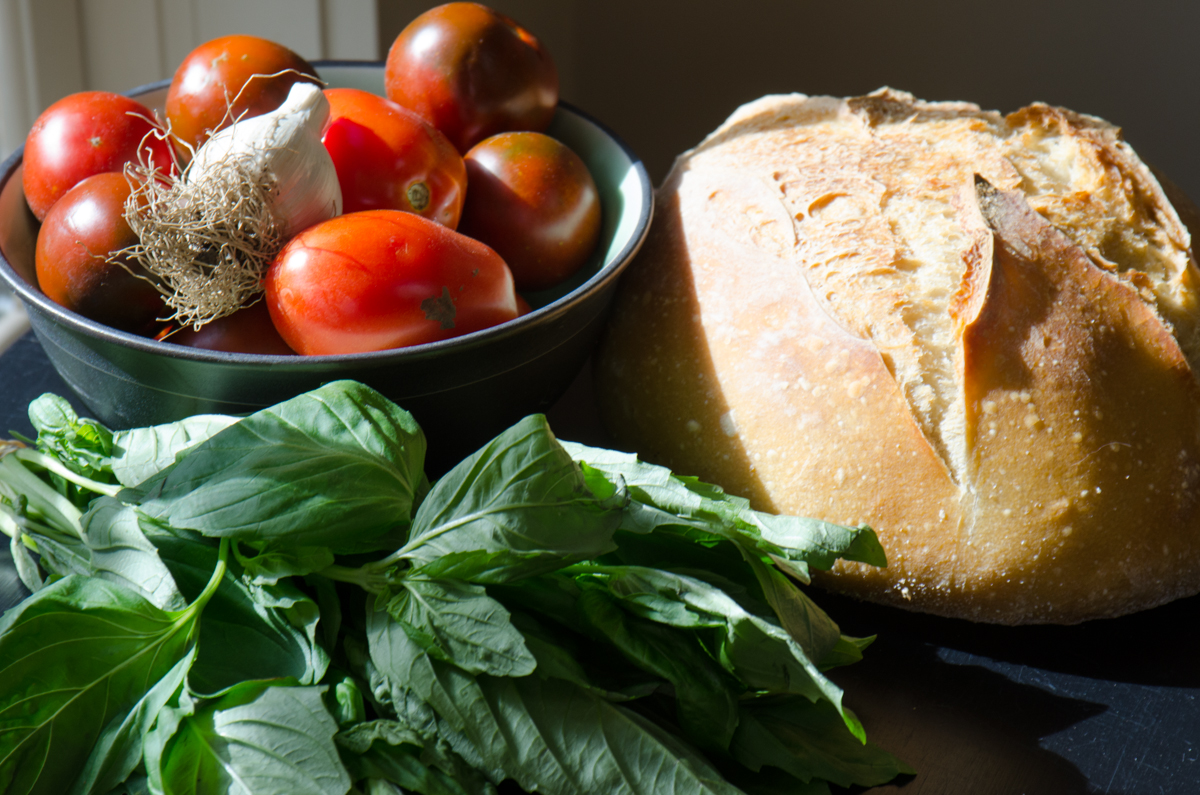
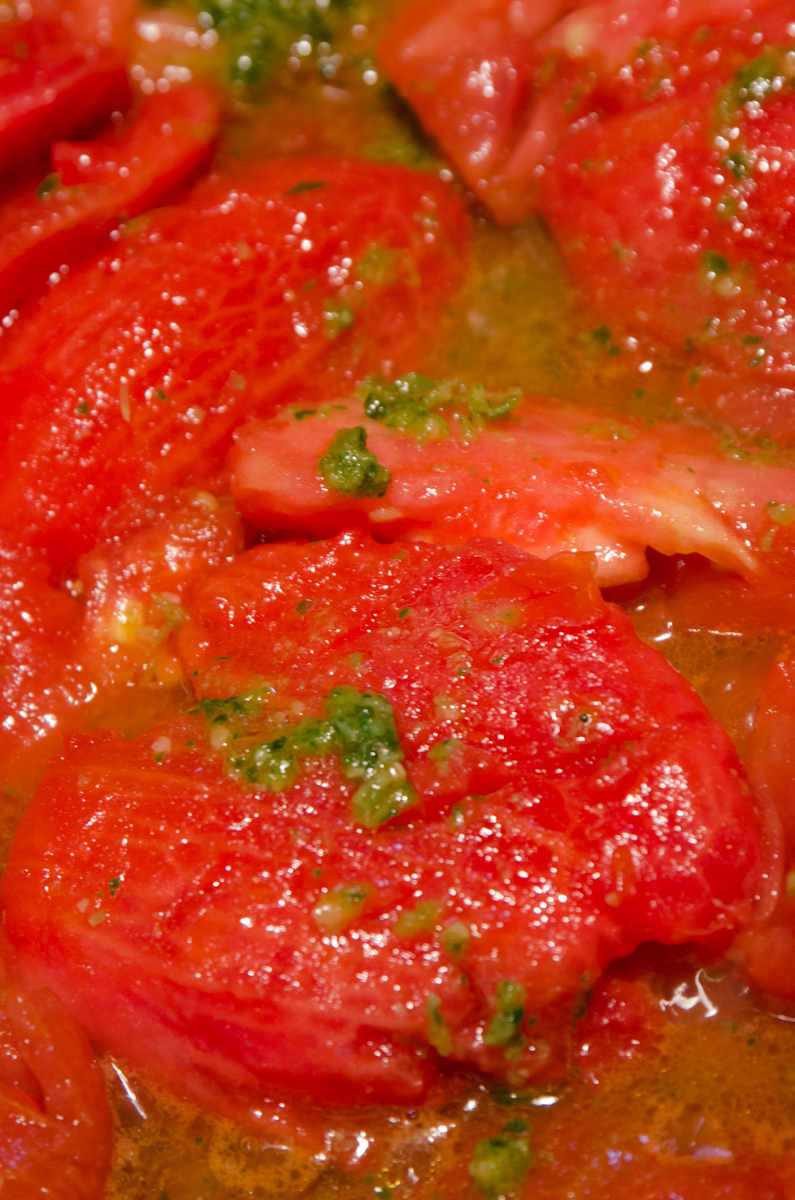
ingredients private bike tours tuscany italiaoutdoors food and wineThe history behind these dishes dates back to the 12th century, when the rulers of Pisa were at odds with the rulers of Florence, and cut off their supply lines from the coast. This made salt prohibitively expensive. The Florentines, unwilling to cave to the pressure, simply began making their bread without it. Hence, Pana Toscano was born – Tuscan bread, made without salt.cut tomatoes bike tours tuscany italiaoutdoors food and wineThis tomato soup is a dish of poor peasant origin (cucina povera), typically Tuscan, from the Siena area. It is a very simple recipe, made stale bread, tomatoes, garlic, basil and plenty of extra virgin olive oil. Given it’s simple ingredients, the ingredients must be of top quality. No using bland, hard hothouse tomatoes. But in early September, the markets are full of wonderful fresh heirloom tomatoes. I used a combination of varieties I picked up at my local farmer’s market. If I were to attempt this in winter, I’d used some good quality canned tomatoes, maybe with the addition of some oven roasted cherry tomatoes.

peeling tomatoes cooking and biking tuscany italiaoutdoors food and wineThe Italian word Pappa translates to mush, or baby food. That pretty much describes the consistency of the finished product; a porridge that can be eaten at any age. But with amazing tomatoes, fresh basil and high quality olive oil, the flavor is anything but bland!

sauteed tomatoes luxury ski holidays dolomites italiaoutdoors food and winePappa al Pomodoro

2 pounds mixed fresh local tomatoes
1/2 cup high quality extra virgin olive oil
3 garlic cloves, minced
10 basil leaves, chopped
4 thick slices country style bread, crusts removed
Kosher salt and freshly ground pepper

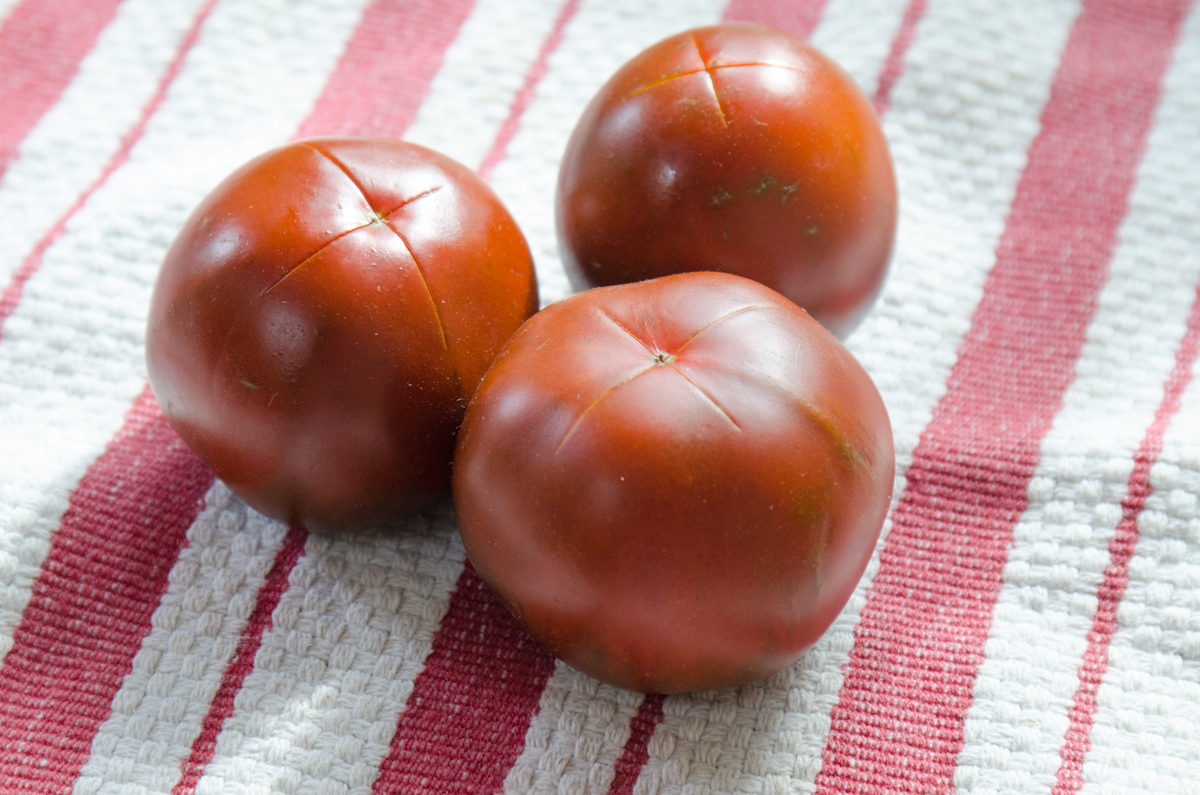
With a sharp knife, cut a small X on the bottom of each tomato, just piercing the outer skin. Bring a medium saucepan filled with water to boil over high heat. Place the tomatoes in the boiling water and cook for 45 seconds or so. Remove from water.

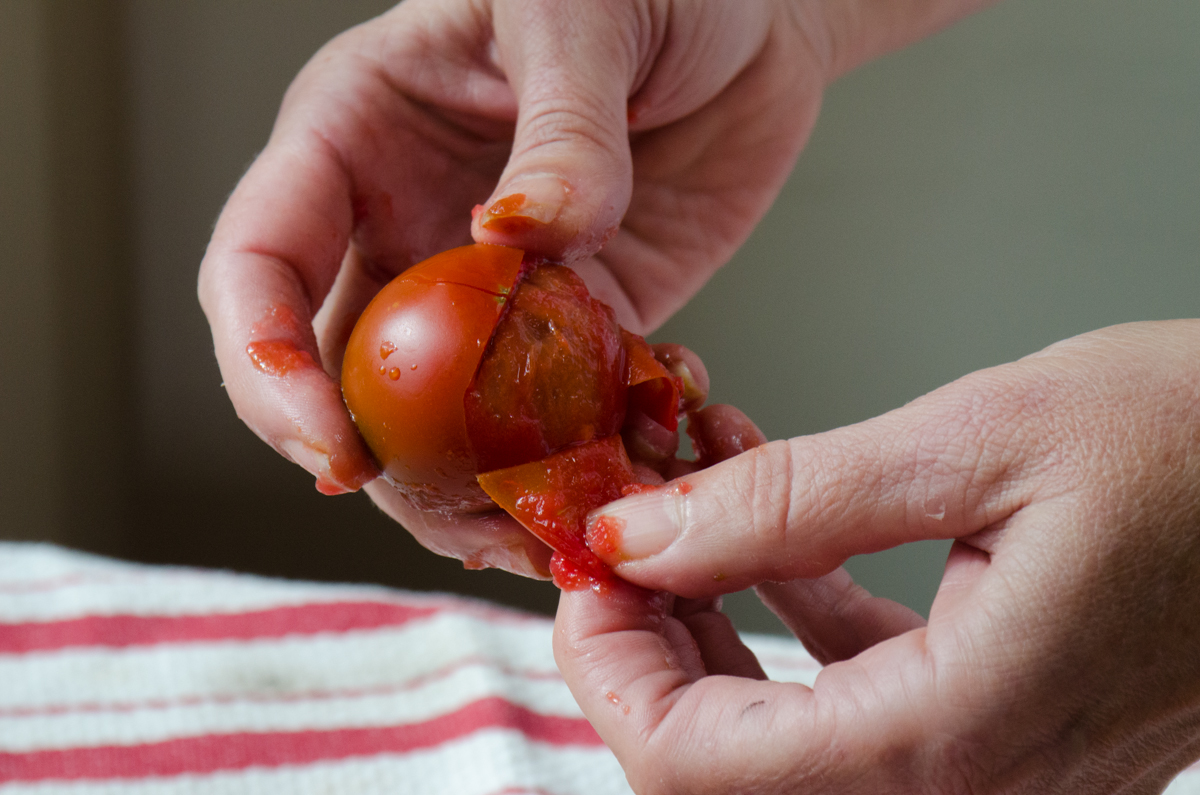
When the tomatoes have cooled, you can slide the skin right of. Using your fingers, remove the seeds from the tomatoes.

Heat the olive oil in a large saucepan over medium high heat. Add the garlic mixture and basil (this is also a good recipe to use a frozen cube of pesto from your freezer). Add the tomato pulp, and allow to cook for 20 minutes.

Break up the tomato pulp with a fork. Add the bread slices, cover with warm water, and continue to cook until the bread has turned to mush. Break everything up again with a fork, until blended. Season with salt and pepper

This is best if made in advance, and allowed to sit for several hours to a day. Store in the refrigerator if it will be sitting more than an hour before serving. Garnish with basil and serve.

Posted in Soups, Tomato, Travel, Tuscany, Umbria, Uncategorized, Vegetarian | Tagged , , , , , , , , , , , , , , , , , , , , | 1 Comment

Torta al Testo con Ricotta, Salsiccia e Cicoria

torta di testo cycling tours italy italiaoutdoors food and wine

We are on our way to Umbria soon, on our next Bike the Wine Roads cycling tour, and I am looking forward to enjoying some of Umbria’s unique style of pizza along our route. Called torta al testo, torta meaning pizza or bread, and testo referring to the heavy iron pan the bread is cooked on, is one of Umbria’s favorite food traditions.

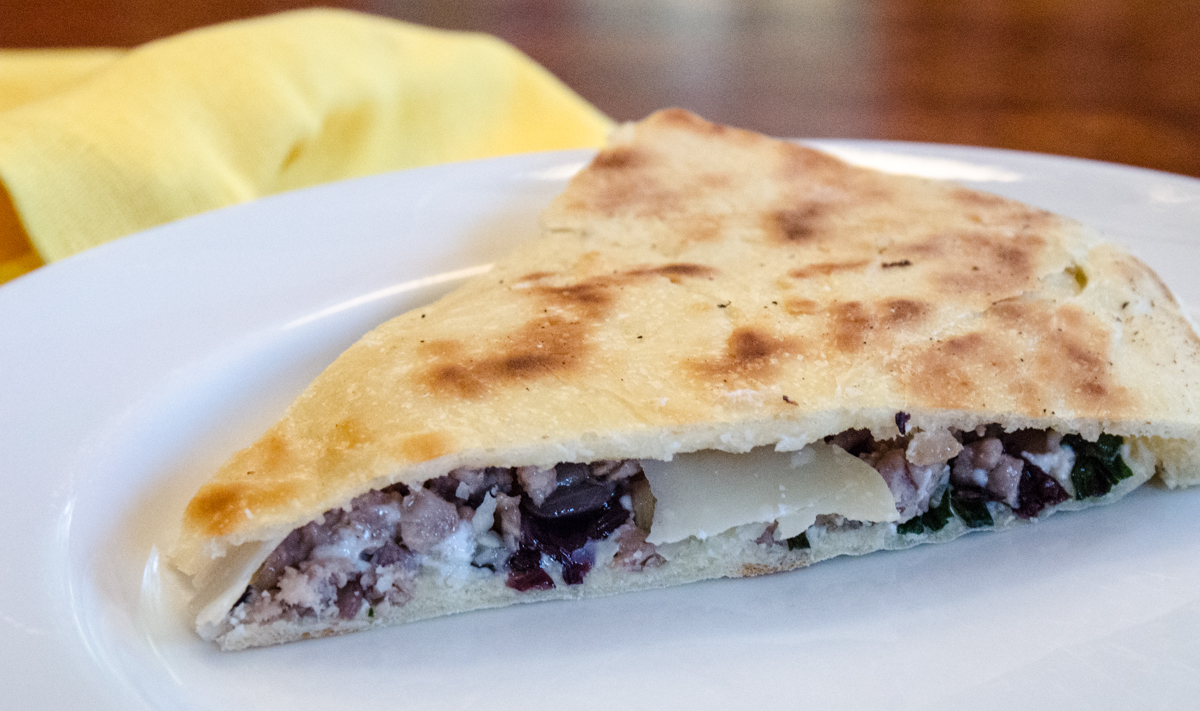
inside torta di testo private bike tours italiaoutdoors food and wineYou can find it stuffed with just about every combination of vegetables, cheeses and meat you can imagine. You’ll find it on tables and in restaurants throughout the region, but hiding under different names – we’ll see it as pizza al testo, near Gubbio it is crescia, on the Tuscan border it is ciaccia, further south near Terni, pizza sotto il fuoco  or pizza sotto lu fucu (under the fire).
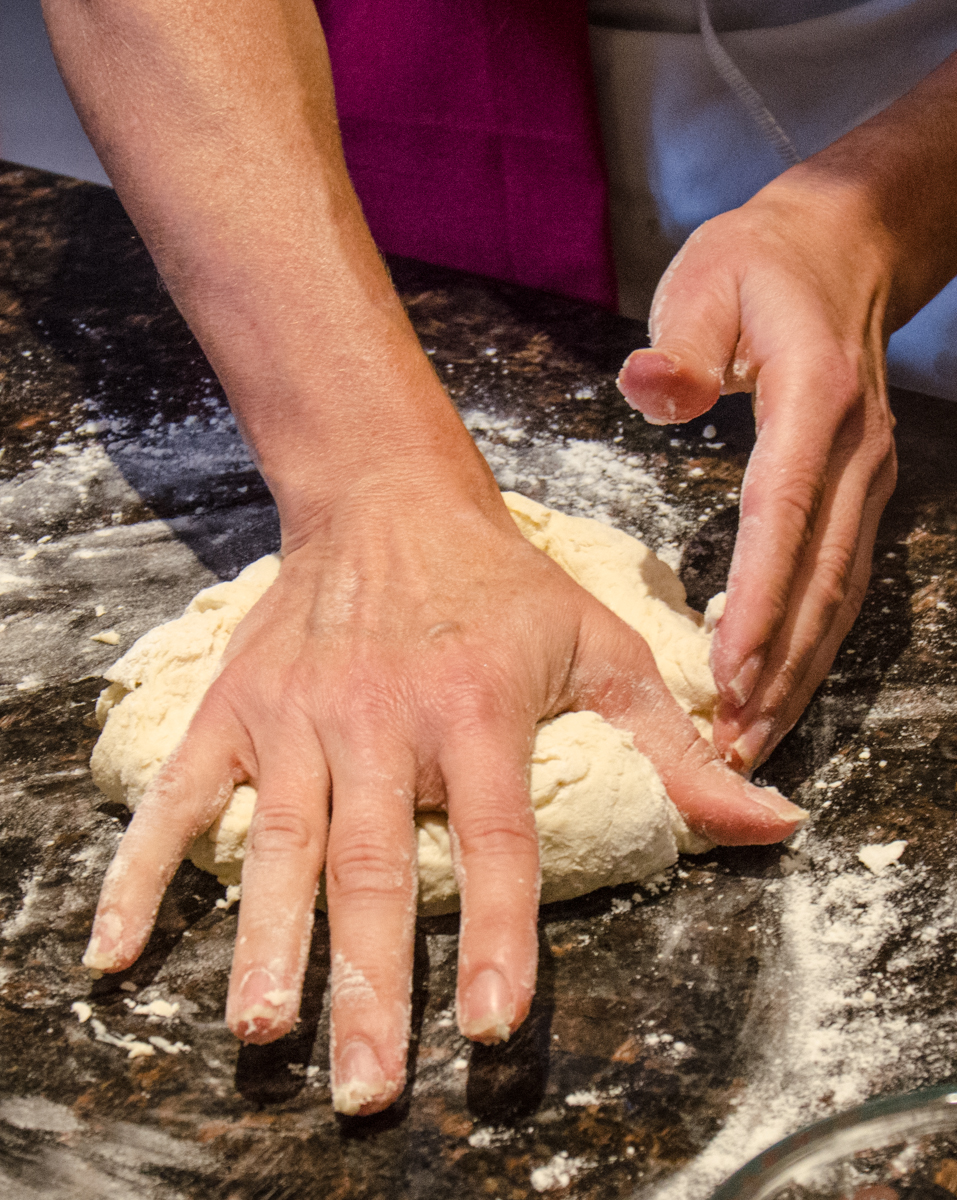
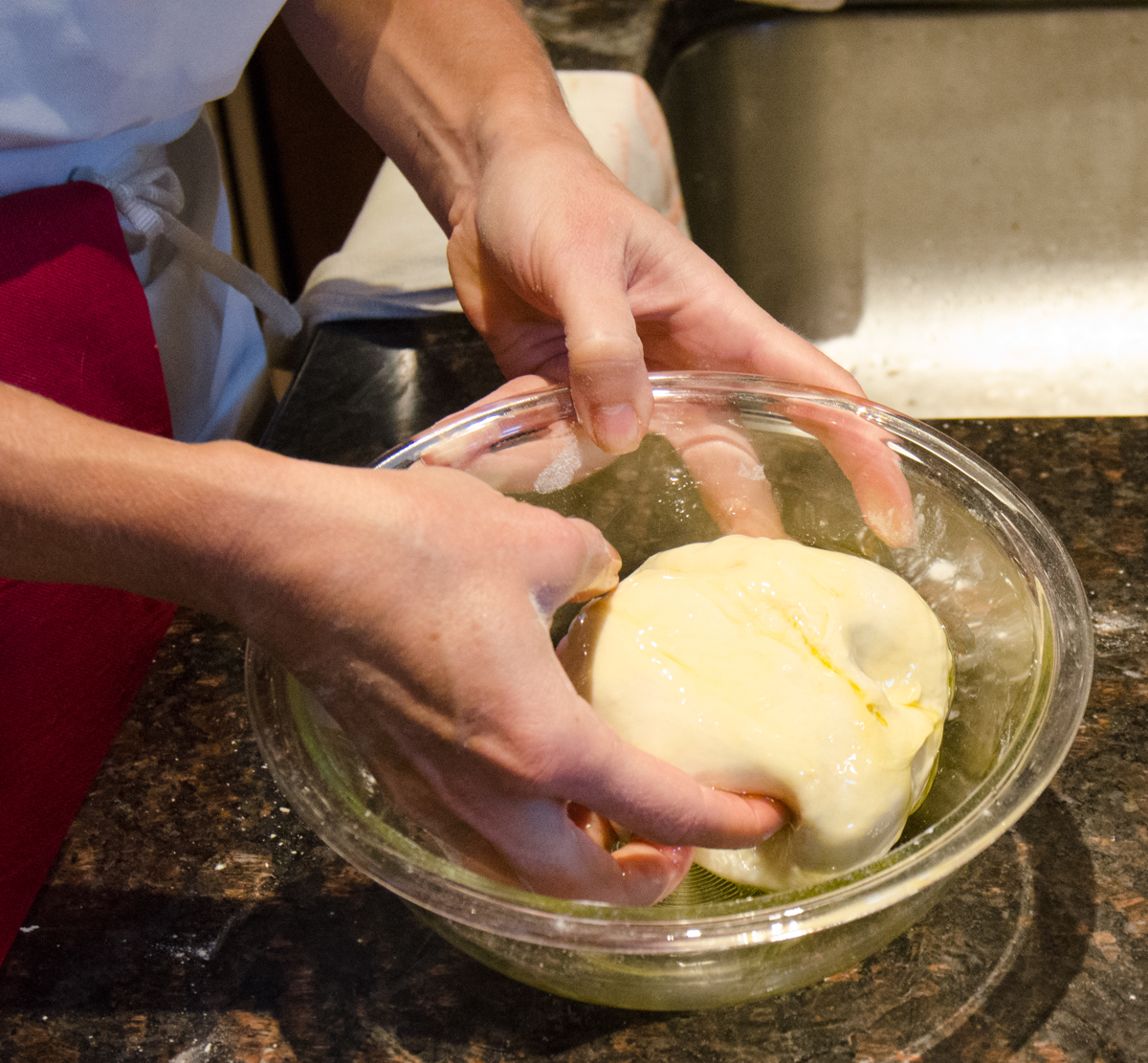
kneading torta dough cycling tours umbria italiaoutdoors food and wine-2This ancient dish is believed to date back to the Etruscans, early settlers of Umbria and Tuscany, predating the Romans. Then unleavened, this was a mixture of flour and water, and cooked over hot coals on a disc made of river pebbles and clay, very similar to a flour tortilla in Central American.
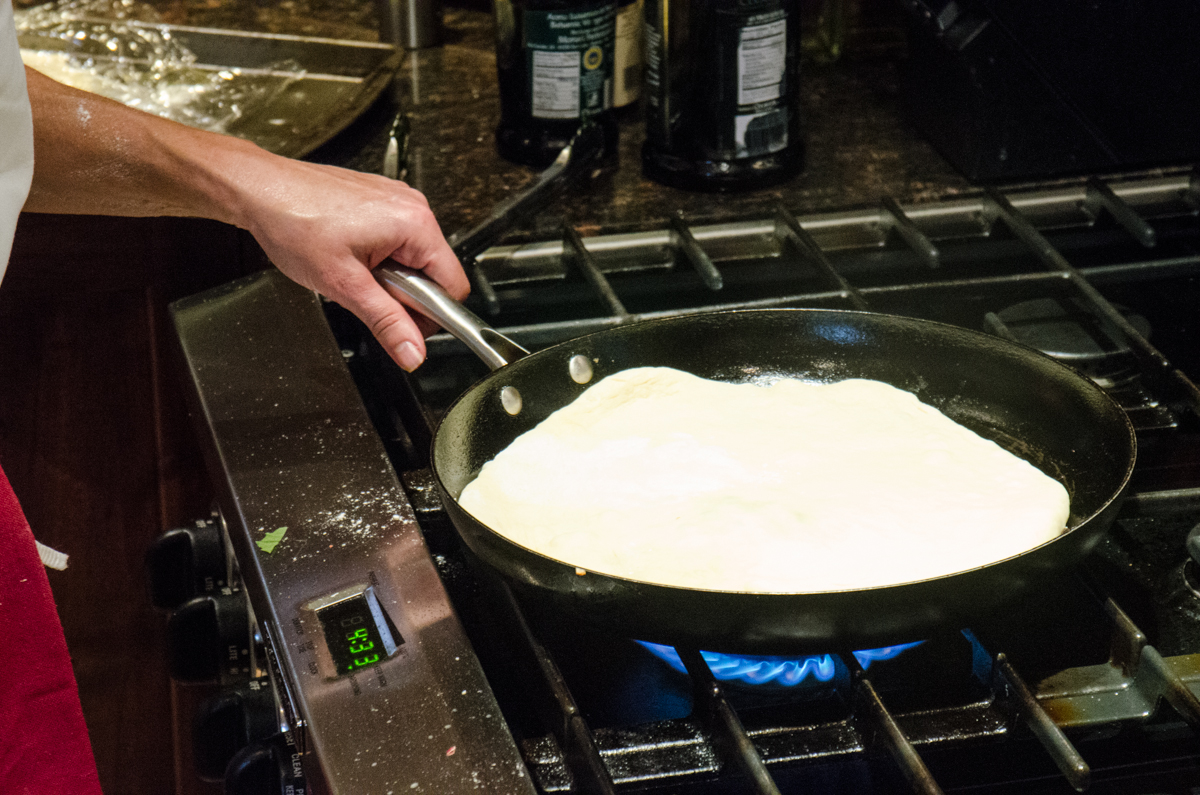
coating with oil ski holidays dolomites italiaoutdoors food and wineToday, a testo can be purchased at an Umbrian market. A modern testo is made from iron or iron and aluminum, and is meant to be used on a stovetop. A cast iron pan would be a great substitute, and I use a non-stick skillet which works just fine too. Most modern recipes for torta al testo include some sort of leavening agent, such as yeast. It makes a great antipasto, stuffed with Umbrian favorites like prosciutto, pecorino, and drizzled with Umbria’s famed olive oil.
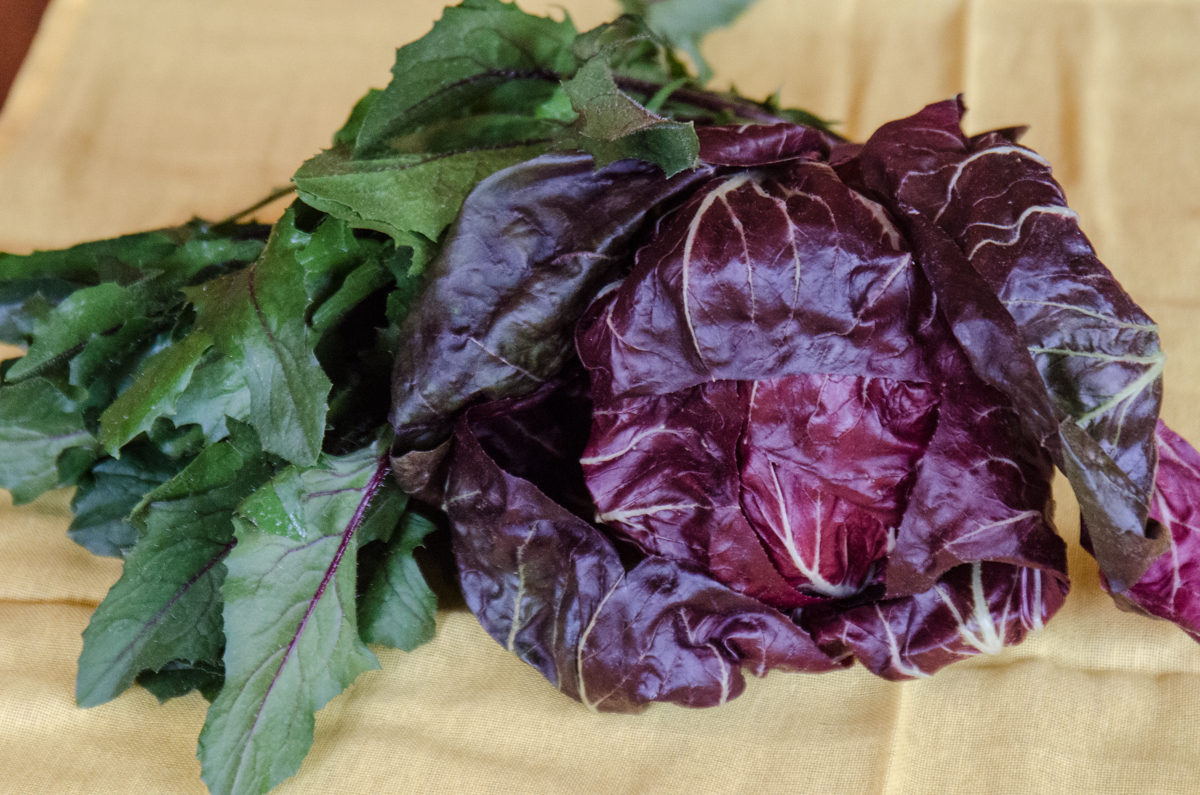
greens private ski holidays dolomites italiaoutdoors food and wineDuring summer months, Umbrians love their food festivals, or sagra. These are food festivals that celebrate a single favorite dish, or local product. You will find torta al testo at many a sagra, but the towns of Sant’Egidio and Montefranco love their torta so much that they devote an entire sagra to it!
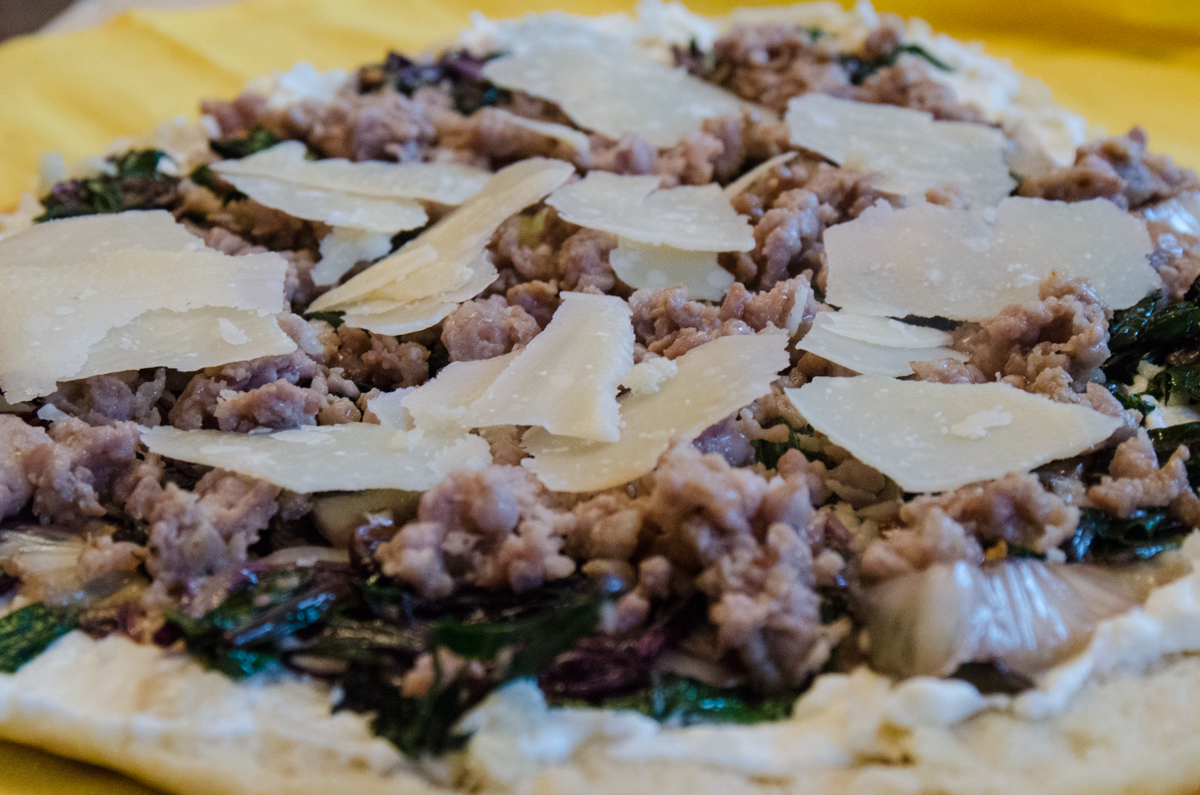
cooking torta di testo private bike tours italiaoutdoors food and wineThe torta al testo can be served as a flatbread to accompany a meal, or stuffed with just about anything you can think of. My recipe below uses a fairly common stuffing of cheese, sausage and sautéed greens. The bread itself does not keep well, so should be used as soon as possible after cooking. You can make the dough a day in advance, and let it rise in the refrigerator – this long rise would even improve the flavor. Have the fillings ready to go, and you can whip up your stuffed torta al testo in about 15 minutes.

Torta al Testo con Ricotta, Salsiccia e Cicoria

1 1/2 tsp. active dry yeast
3/4 cups warm water (110°F)
1 1/2 cups all-purpose flour, plus more for kneading
2 tsp. kosher salt
7 tbsp. extra-virgin olive oil, plus more for drizzling
1 small bunch kale, chopped
1/2 head radicchio, chiffonade (substitute any greens you wish)
2 cloves garlic, minced
1⁄2 tsp. crushed red chile flakes
1⁄2 lbs. pork sausage meat
3/4 cups fresh ricotta cheese
Kosher salt and freshly ground black pepper, to taste
About 20 or so thin slices of grana or parmesan cheese – use a vegetable peeler to slice pieces off of a large brick.

In a small bowl, stir together the yeast warm water. Let sit until foamy, about 10 minutes. If the mixture does not become foamy, the yeast is expired and you should start again using fresh yeast.

Add the 2 tsp. kosher salt and 2 tablespoons of the olive oil to the yeast mixture. Add the flour, and stir until a dough forms. Transfer dough to a lightly floured surface, and knead for 6-10 minutes, adding flour when necessary to keep the dough from sticking, but keeping it as moist as possible.

Form dough into a ball; transfer to a large oiled bowl. Cover bowl with plastic wrap; let dough rise until doubled in size, about 1 1⁄2 hours.

Punch the dough down; divide in half. Lightly flour one piece of dough and, using a rolling pin, roll into a 10″ circle. Place the disk on a floured baking sheet. Repeat with remaining dough.

Heat 1 tablespoon olive oil in a 12″ skillet or cast iron pan over medium-high heat. Add the sausage meat and cook until browned, about 5 minutes. Transfer to a small bowl.

Heat 1 more tablespoon olive oil in the pan, Add the kale and radicchio, and sauté until soft, about 4-5 minutes. Add the garlic and chile flakes, cook 1 more minute; transfer to plate.

Wipe down the pan. Add 1 tablespoon of the olive oil (not necessary if you are using a well-seasoned cast iron pan). Place one of the dough circles in the pan, and cook until golden brown, about 5 minutes. Flip once, cooking until browned. Transfer to a sheet pan.

Add 1 more tablespoon of the oil, and cook the second dough disk.

Slice each flat bread in half horizontally to create two rounds. Place the two bottom slices on a sheet pan, and spread half of the ricotta cheese on each. Season with salt and pepper. Arrange the kale and sausages on top of the ricotta, then the slices of grana. Drizzle with a little oil, and top with other half. Cut sandwiches into 8 wedges and serve.


Posted in antipasti, Pizza, Radicchio, Ricotta, Sausage, Travel, Umbria, Uncategorized | Tagged , , , , , , , , , , , , , , , , , , , , , | Leave a comment

Spiedini di Pesce Spada con Pesto di Peperoni

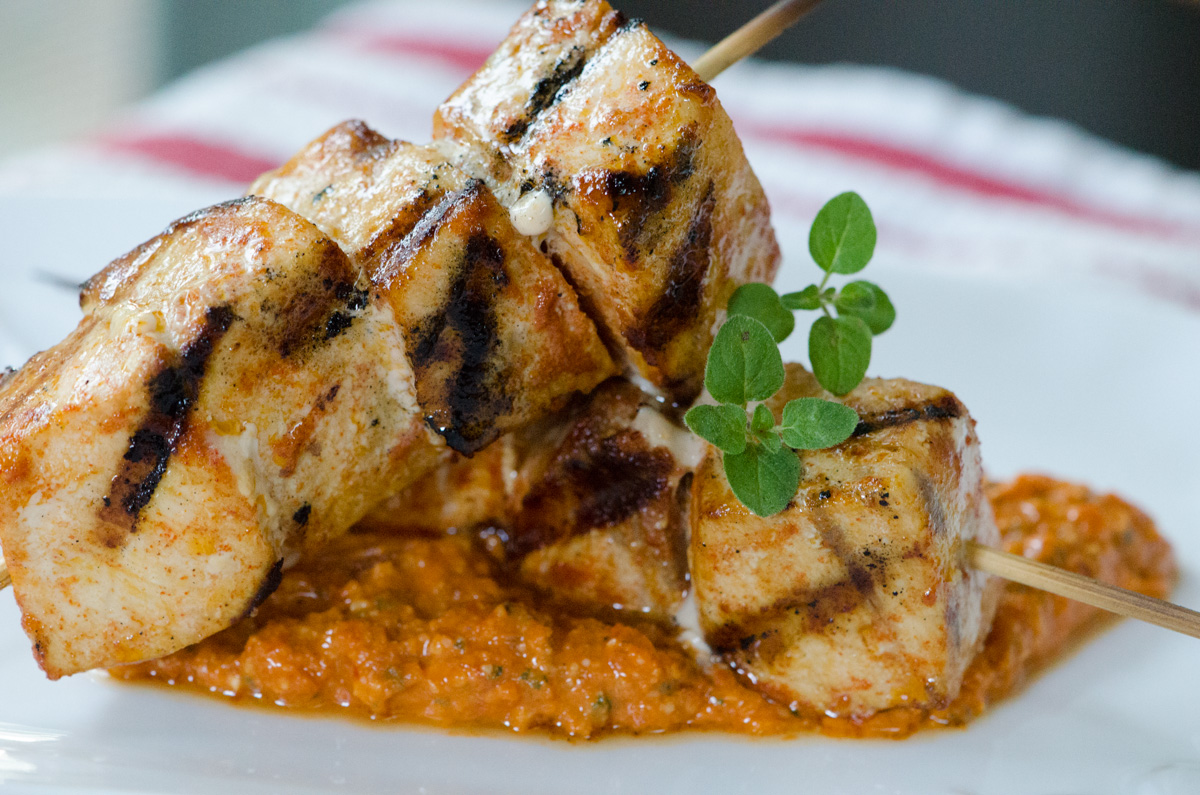
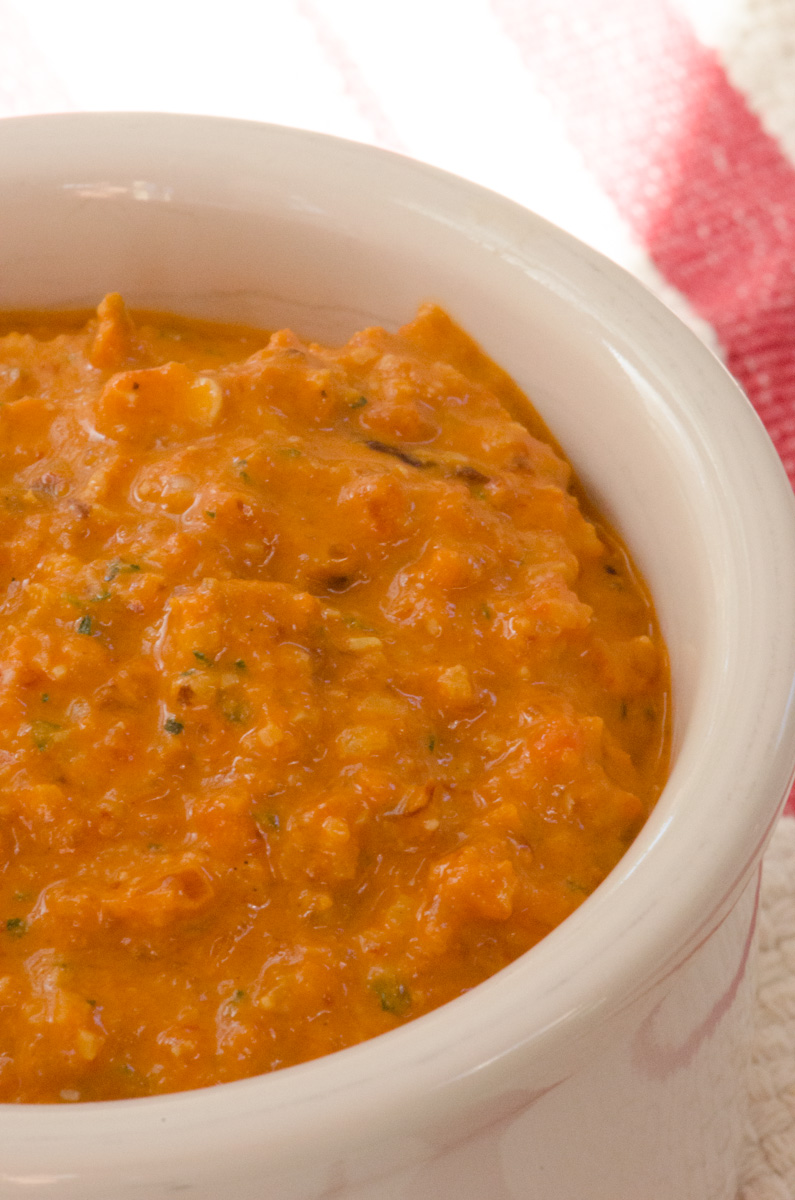
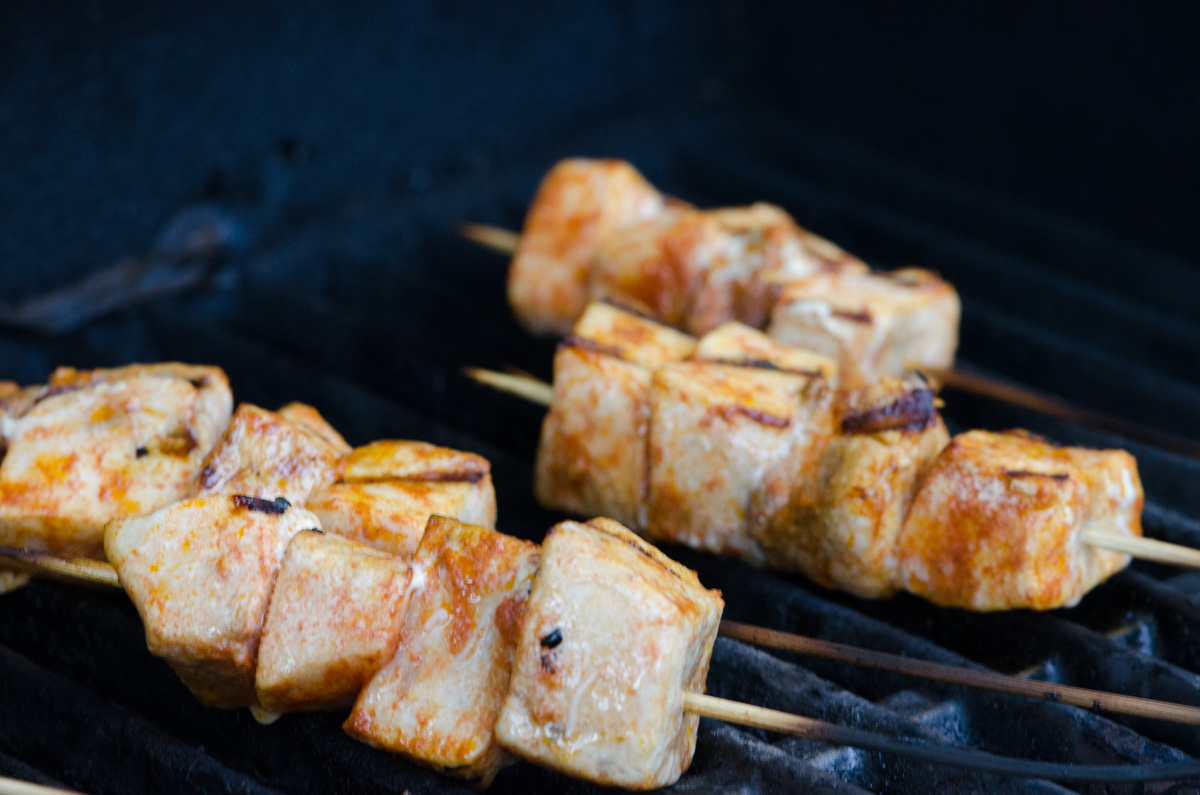
spiedini di pesce spada private cycling tours italy italiaoutdoors food and wineLast week’s post was on a spiedini recipe I was developing for a cooking class. I had a large group attending, and it was great fun to gather around a central island and chat as we made 4 different types of skewers. The party moved outside to grill them all, then we gathered round the table to a great feast. Here’s another of the recipes – a swordfish skewer, seasoned with smoked paprika, and served with a red pepper pesto.
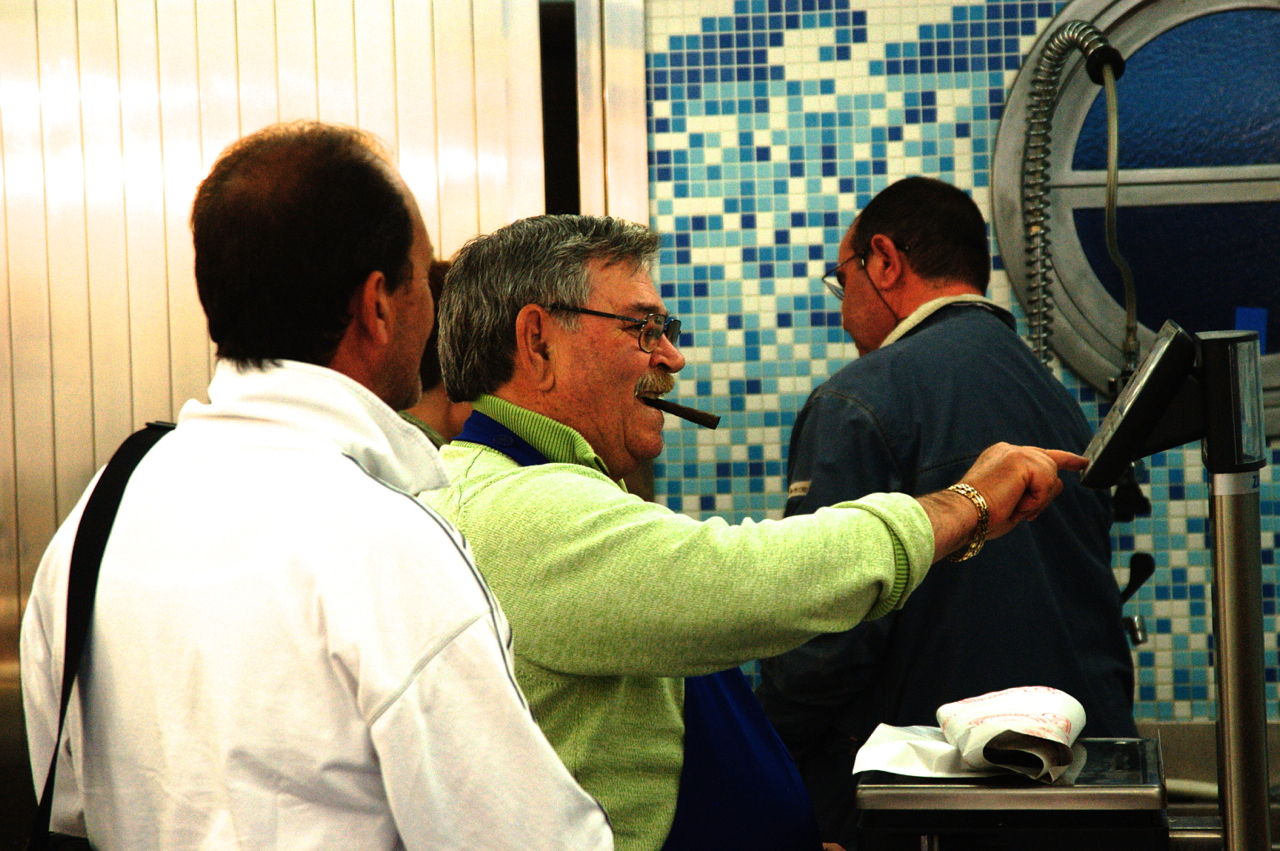
red pepper pesto private cycling holidays italy italiaoutdoors food and wineI’ve enjoyed swordfish all over Italy, from Sicily to the Veneto. Years ago, on a cycling tour in Sicily, we visited a fishmonger to pick up some swordfish for involtini, a ‘roll’ made from thinly sliced something – from meats to fish to vegetables. We wanted to use swordfish as the outer layer, and so needed it thinly sliced. We had a great photo moment, as the fishmonger cut our swordfish with a huge cigar hanging out of his mouth, right over our fish. We cringed and chuckled simultaneously – and washed the fish before we used it.

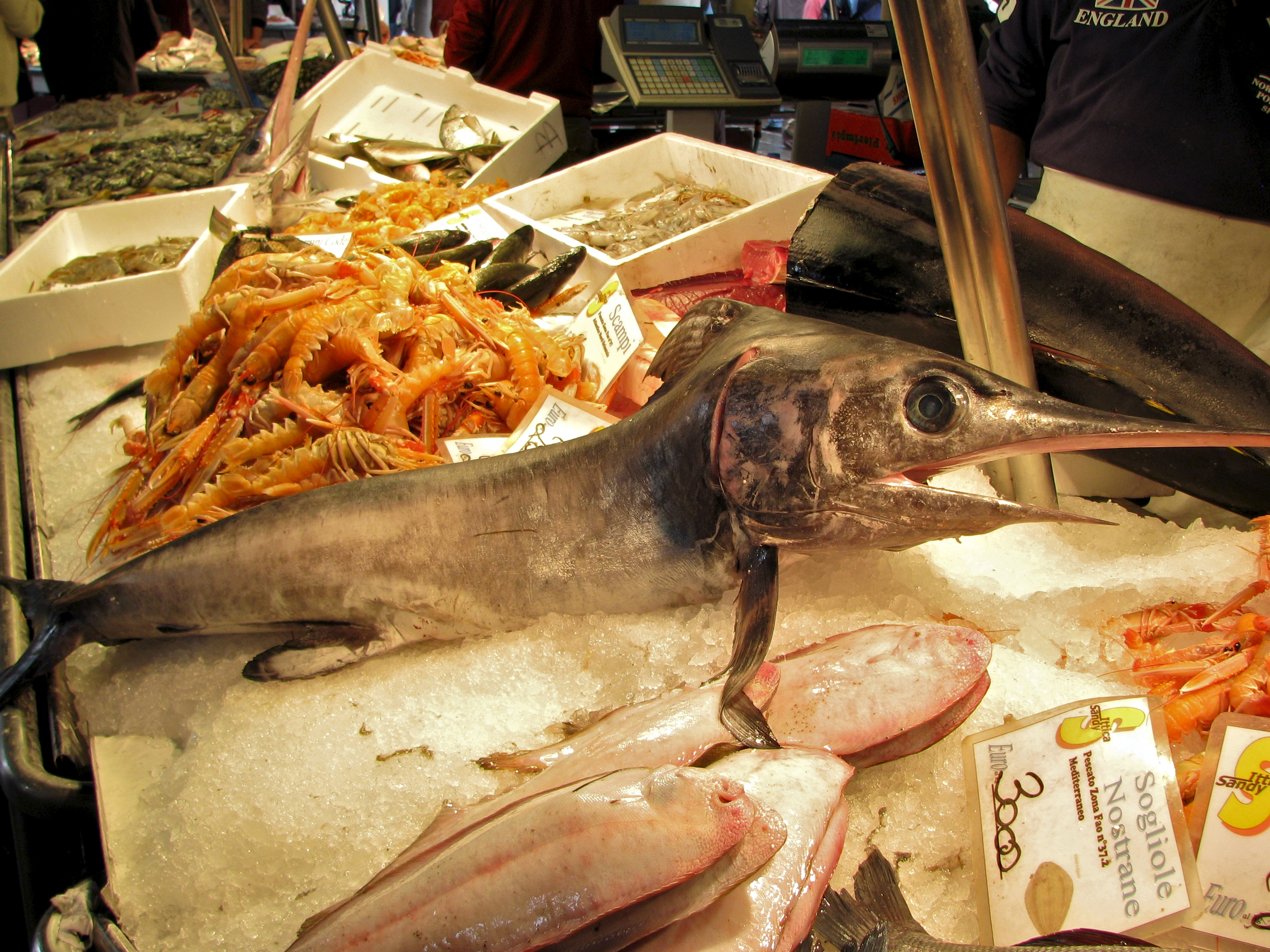
swordfishmonger siciliy bike tours italy italiaoutdoorsfoodandwineNorth in Venice, you can find pesce spada at the famed fish market at Rialto, often dramatically displayed with the head and sword alongside. Fresh fish from the Adriatic is expected on the tables of Venice, but in modern times makes its way inland, so I’ve enjoyed wonderful fresh fish dinners in the mountains of the Dolomites, a mere 2-3 hours from Venice and the coast. Smoked swordfish is one of my favorites, and on my list to try next time I’m in the mood to use our backyard smoker.
swordfish rialto bike tours italy italiaoutdoors food and wineIn the meantime, this was a quick and easy summer grilling dish. I’ve seasoned  the swordfish with smoked paprika, and made a nice red pepper pesto to accompany it. I confess to sneaking in a dried hot chili pepper, stealing a flavor from the Catalan Romesco sauce, but if you don’t care for the added heat, you can eliminate it. Serve with some grilled eggplant.

spiedini on grill private cycling tours italy italiaoutdoors food and wineSpiedini di Pesce Spada

Serves 4

2 garlic cloves, thinly sliced
1 1/2 pounds swordfish, cut into1-inch cubes
3 tablespoons extra virgin olive oil
1 tablespoon smoked paprika
Kosher salt and freshly ground black pepper

Put sliced garlic, swordfish, olive oil and paprika in a bowl. Toss to combine well. Cover and let marinate for up to two hours – in refrigerator, if it will be longer than 10 minutes or so.

Prepare a charcoal grill for direct-heat cooking over medium-hot charcoal, or heat your gas grill to medium-high.

Thread swordfish onto 8 skewers. Season with salt and pepper.

Grill skewers on lightly oiled rack until fish is opaque in center, turning occasionally, about 10 minutes. Serve with red pepper pesto.

Pesto di Peperoni

Makes 2 cups

2 red bell peppers
1 dried red pepper, soaked in warm water for 30 minutes (optional)
1/4 cup sliced almonds
1/4 cup pine nuts
1/2 cup extra virgin olive oil
1/3 cup fresh oregano leaves
2 tablespoons minced shallots
1 tablespoon lemon juice
Kosher salt and freshly ground peppers

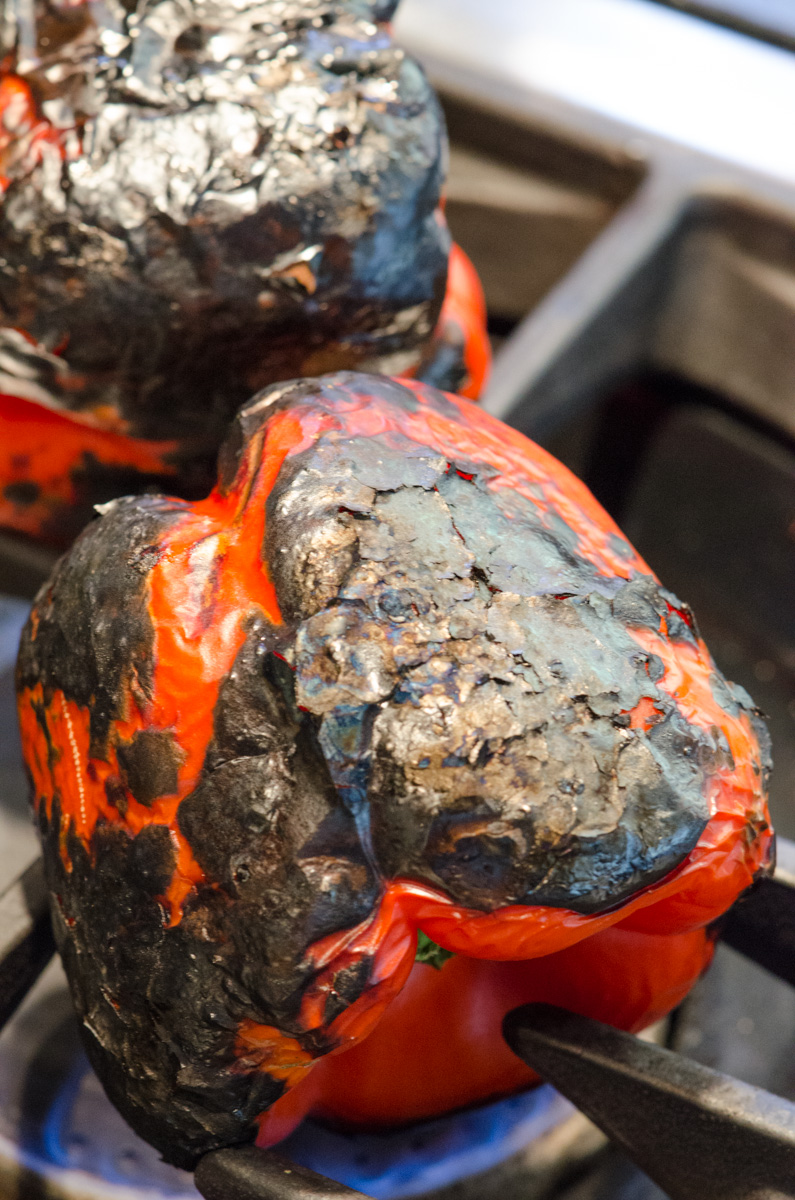
Char peppers over a gas burner set on high, turning frequently, until skin is blackened and blistered on all sides. Transfer to a bowl and cover tightly with plastic wrap; let stand 10 minutes.

Rub skin off peppers, rinsing hands under cold water as you go (do not rinse peppers); remove and discard core and seeds.

In a blender, puree peppers, almonds, pine nuts, oil, oregano, shallot, and lemon juice and blend until smooth. Season to taste with salt and pepper.

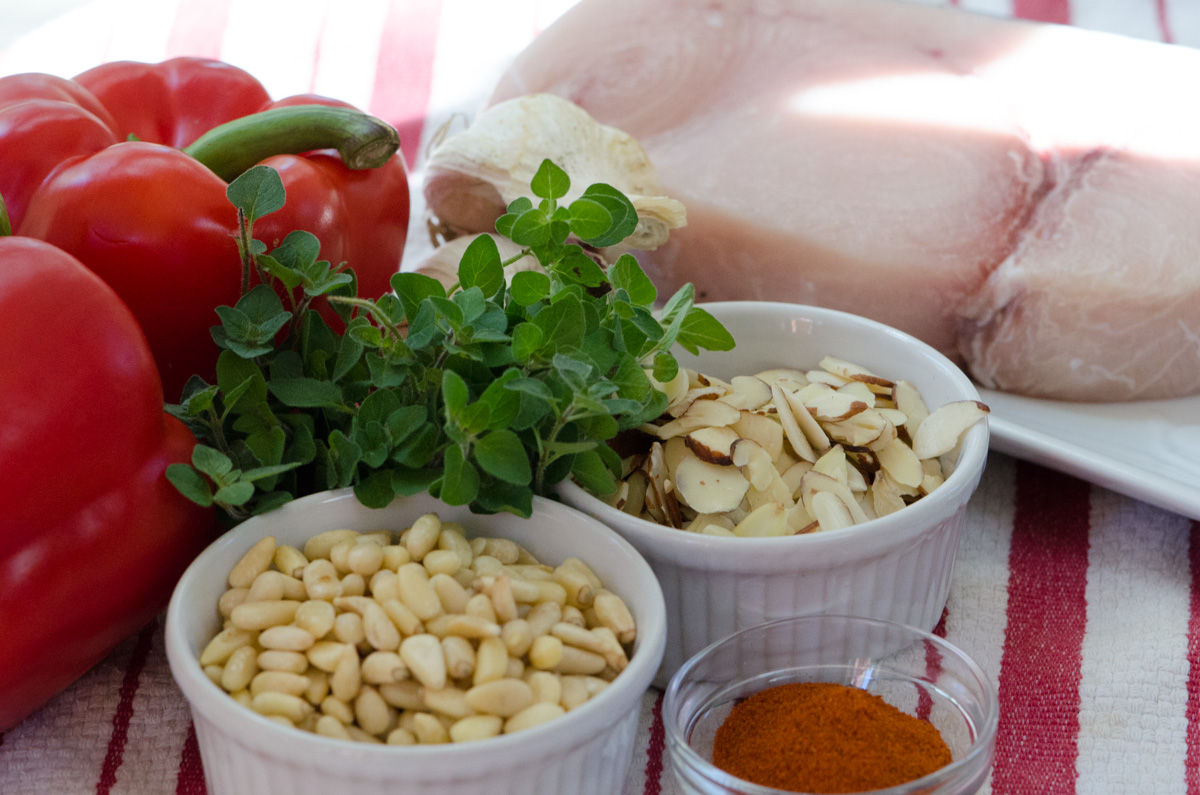
ingredients oregano private dolomites cycling tours italy italiaoutdoors food and wine

peppers private cycling tours umbria italiaoutdoors food and wine

Posted in Fish, Travel, Uncategorized, Vegetables, Veneto Food | Tagged , , , , , , , , , , , , , , , , , , , , , | Leave a comment