Spiedini di Seppie e Finocchi – Squid Skewers with Fennel and Citrus

spiedini di seppie bike tours tuscany italiaoutdoors food and wineAnticipating our upcoming Bike the Wine Roads of Umbria cycling tour, I am reading a new book on this lovely region, “Umbria: A Cultural History” by Jonathan Boardman. A very readable overview of the fascinating culture and history of the “Green Heart” of Italy, chronicling how historical events continue to shape modern culture and traditions.
grilling squid culinary bike tours italy italiaoutdoors food and wineIn the chapter on Food: Timeless Umbria, Boardman describes a typical Umbrian village food festival, which are actually common all over Italy. The locals would gather at the pro loco, the social center or village hall. The meal would start with a wide selection of antipasti, then move on to a primi piatti, which is usually pasta, which participants would have made in their home kitchens and brought to the event, an Italian pot luck. The second course, secondi, “which will almost certainly be prepared on the spot. Barbecued meat are the staple of such village feasts, and it sometimes looks as though a whole Viking funeral pyre is prepared to furnish sufficient quantities of smoldering ash to grill the meat.”
ingredients private cycling holidays italy italiaoutdoors food and wineNext week, I am holding a small version of one of these village feasts, my final fundraiser this year for my Pan-Mass Challenge ride. While not quite a small village, there are now over 20 participants, gathering to cook, feast, and support a worthy cause. My planned menu is just as above, lots of antipasti to start, a pasta as our primi piatti – which we will make ourselves. Our secondi will be cooking on the grill as our pasta course is finished in the kitchen.
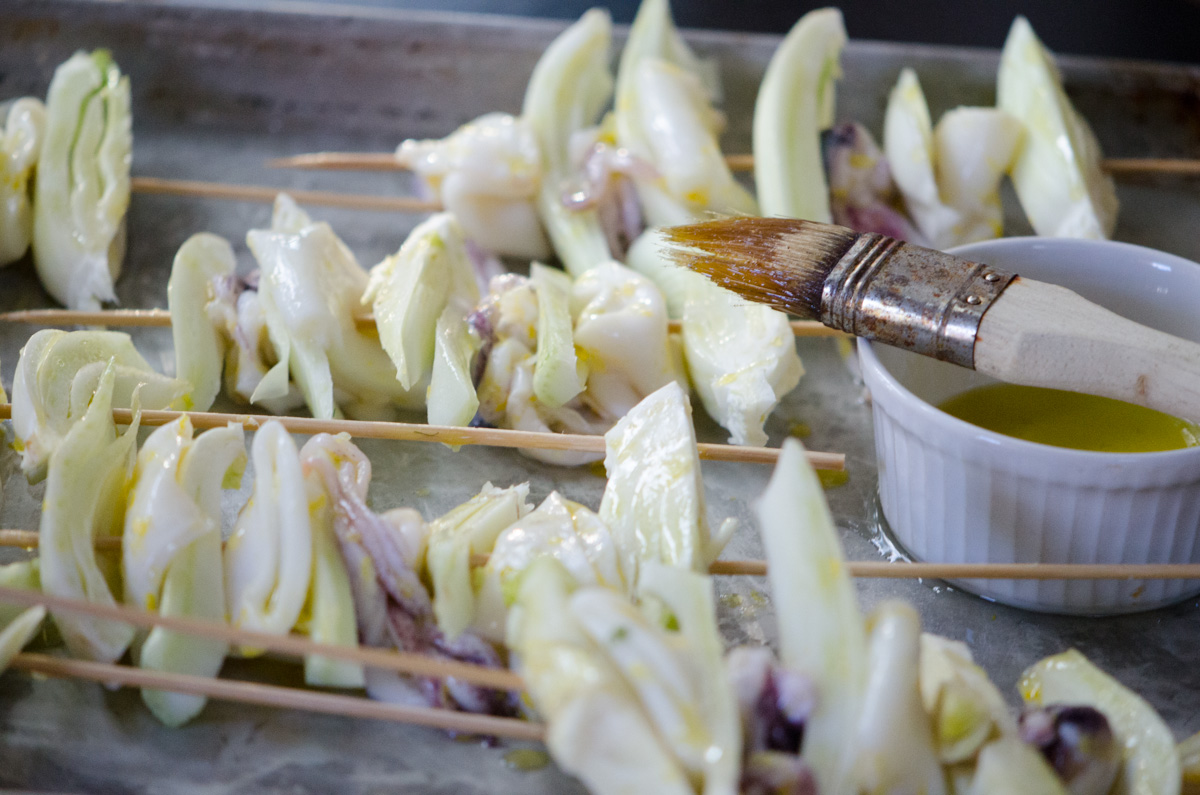
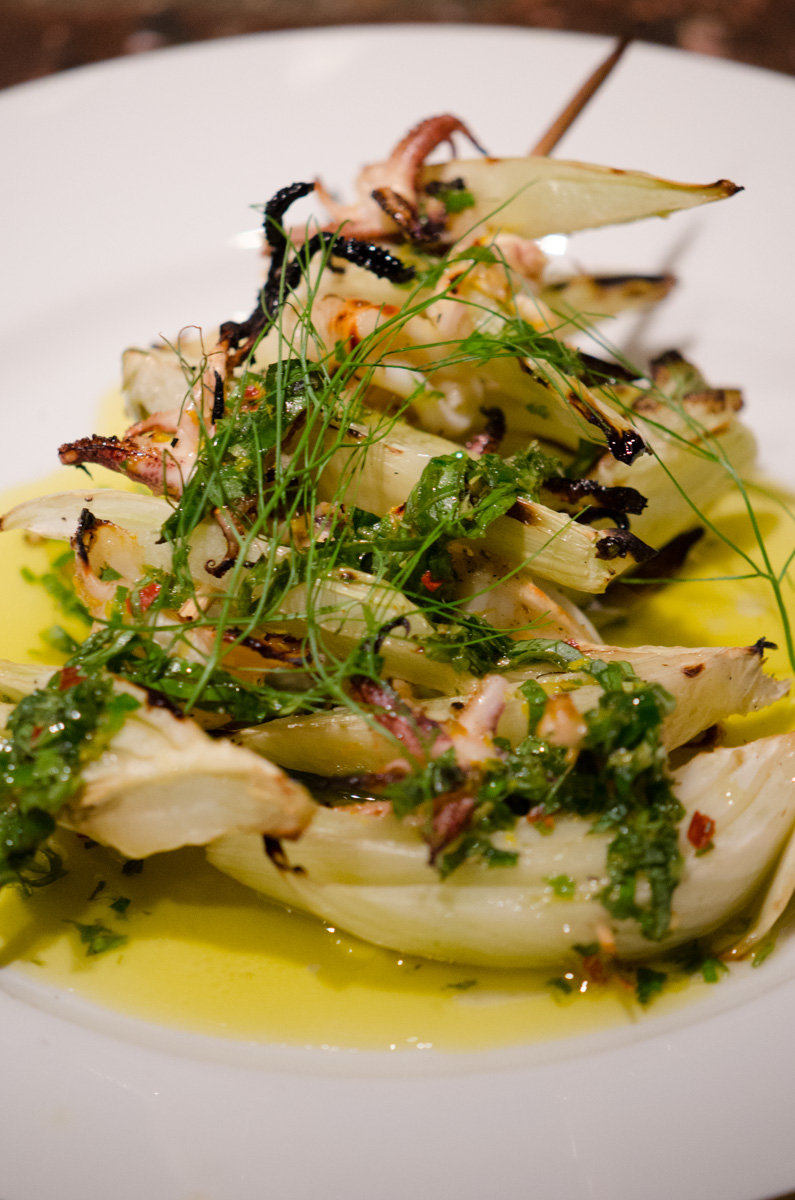
squid skewers private wine bike tours italy italiaoutdoors food and wineWhen entertaining a large group with a wide array of tastes, I find variety is best. Everyone can find something that appeals to them. So for this event, I’ll be supplying a selection of skewers, or spiedini. I’m planning a lamb spiedini with an olive basil pesto, a sausage one with peppers and zucchini, and two seafood offerings, a swordfish skewer with a red pepper pesto, this one, a spiedini di seppie (squid) with fennel.
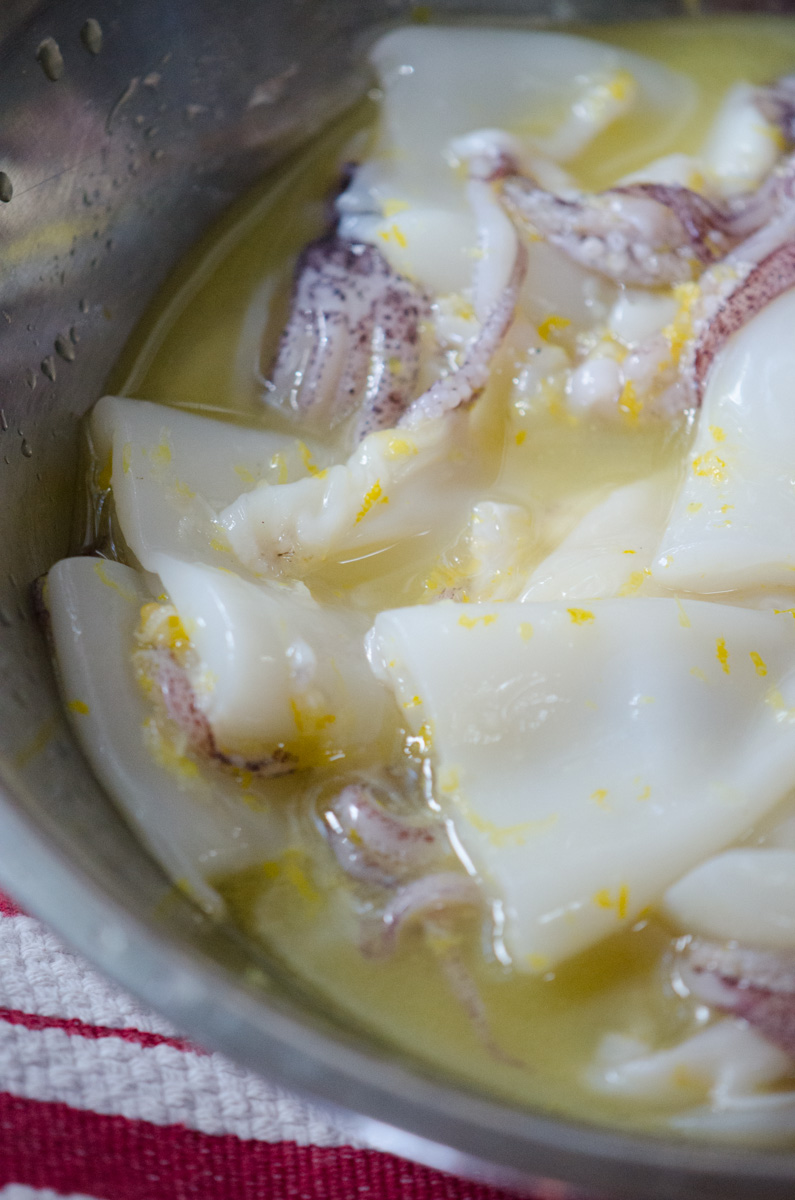
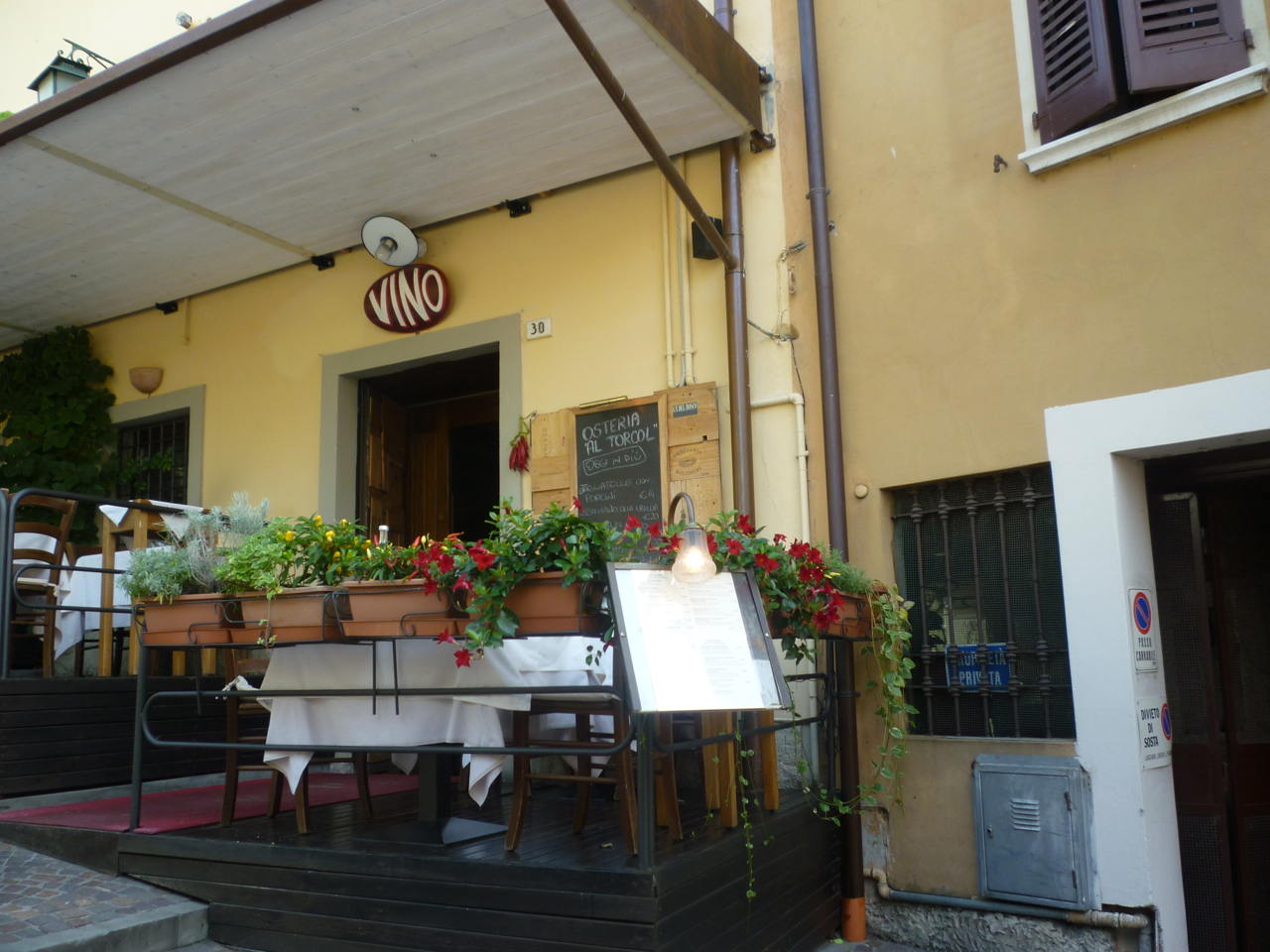
marinate squid private ski holidays dolomites italiaoutdoors food and wineLast year I enjoyed a glorious September day in Sirmione on Lago di Garda with a good friend. We had a wonderful, leisurely lunch, feasting on lake fish with citrus, al agrumi. The citrus sauce that adorned the grilled fish that day inspired the marinade/dressing I created for this dish.

In Umbria, enjoy with a crisp Orvieto. On Lake Garda, a refreshing Lugana wine, like Le Crette from Ottella.
lunch sirmione bike tours italy italiaoutdoors food and wineSpiedini di Seppie e Finocchi

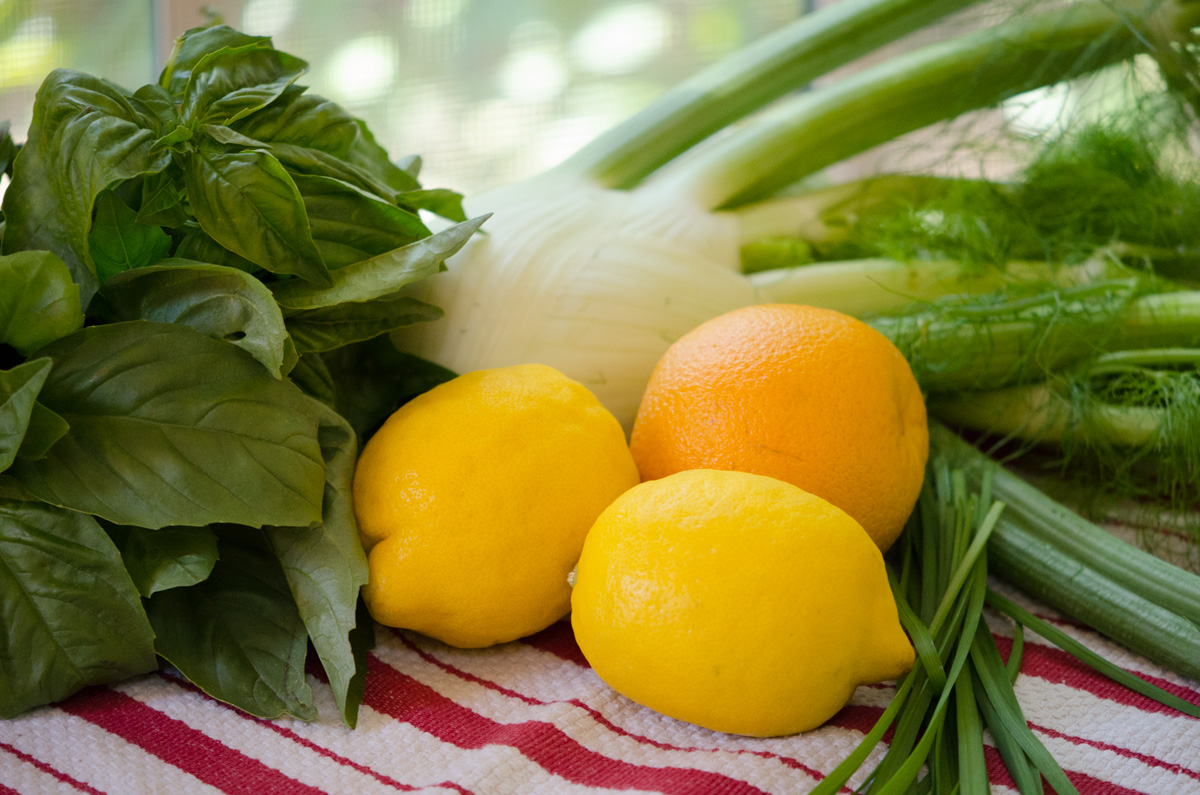
Juice and zest of 1 orange
Juice and zest of 2 lemons
1/2 cup white wine
1 clove garlic, microplane or minced
1 pound cleaned squid – tentacles and bodies, bodies cut into 2 inch thick circles
2 heads fennel, thick outer leaves removed, cut lengthwise into 1/3 inch thick slices
3/4 cups extra virgin olive oil, plus more for brushing
Kosher salt and freshly ground pepper
3-4 tablespoons finely chopped fresh herbs – basil, chives, mint
1/2 teaspoon hot red pepper flakes

If using wooden skewers, soak in water for 30 minutes prior to use.

Combine the orange and lemon juice, zests, white wine and garlic in a medium bowl. Pour half the juice and wine into a small resealable container, reserving for the sauce. Add the squid to the juice mixture that remains in the bowl, and marinate the squid for 2 hours or so.

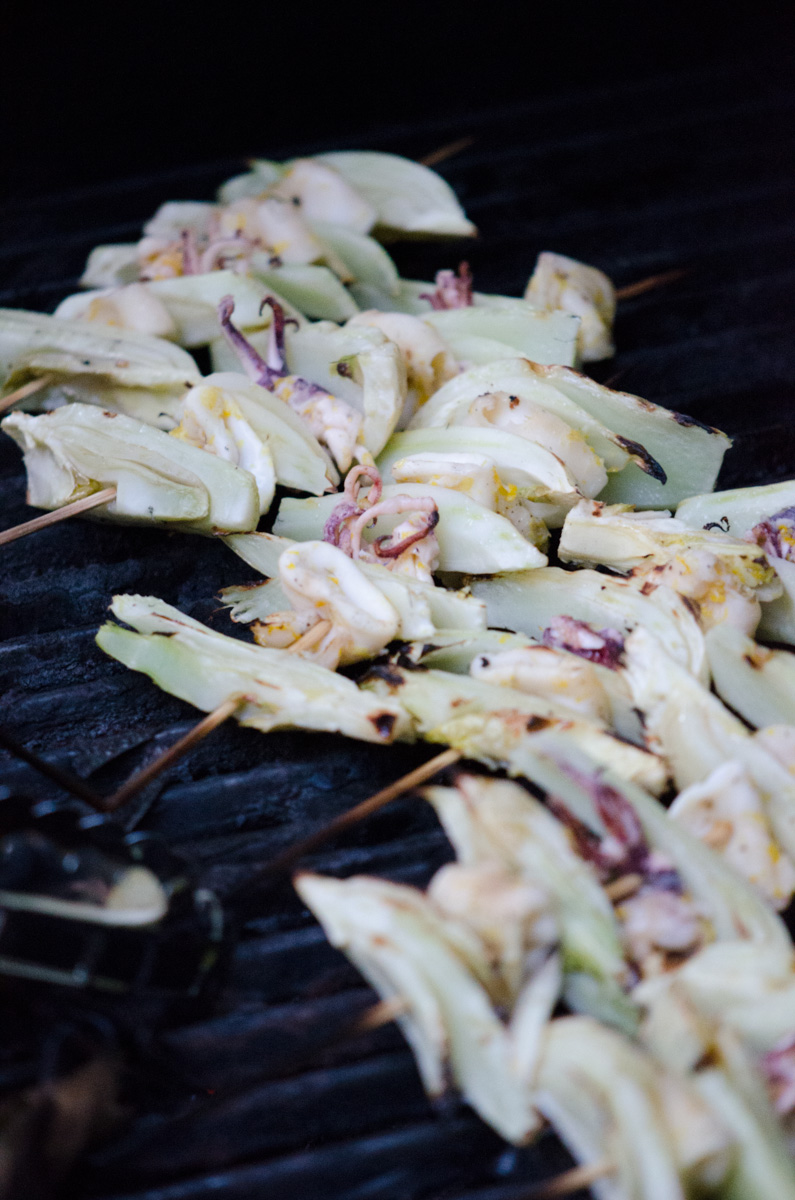
Alternately thread the squid and fennel slices onto skewers. Brush with olive oil, and season with salt and pepper. Grill skewers over medium high heat until squid is just cooked through, about 5 minutes. Transfer to a plate.

While skewers are grilling, combine the reserved juice mixture with the 3/4 cup extra virgin olive oil, fresh herbs and hot red pepper flakes. Whisk to combine. Season with salt and pepper.

Serve skewers topped with a generous spoonful of the citrus-olive oil-herb dressing.
Posted in fennel, Fish, Gluten Free, Lugana, Squid, Travel, Uncategorized | Tagged , , , , , , , , , , , , , , , , , , , , , , , , , | Leave a comment

Panzanella – Tuscan Bread Salad

panzanella private cycling holidays italy italiaoutdoors food and wineOne of my favorite summer salads, especially when fresh tomatoes are overflowing our farmer’s markets, is Panzanella. Panzanella hails from central Italy, Lazio, Umbria, but most commonly Tuscany. It is a poor man’s lunch, a salad that starts with a slice of stale bread, moistened with either water or salad dressing until soggy, resulting in it’s name Panzanella, or “little swamp”.

panzanella bike tours tuscany italiaoutdoors food and wineWe see many bread based dishes on our cycling tours in Umbria and Tuscany. Here, bread is not often enjoyed alone, but accompanies a rich meat dish, or is incorporated into a soup, like pappa al pomodoro or ribollita. Why? Because the traditional breads of the area – Pane Toscana (Tuscan bread) or Pane Sciapo in Perugia – are made without salt.

In the 12th century, the rulers of Pisa were at odds with the rulers of Florence, and cut off their supply lines from the coast. This made salt prohibitively expensive. The Florentines, unwilling to cave to the pressure, simply began making their bread without it. On a tour of Badia e Coltibuono, a winery and olive oil producer in Tuscany, we were shown the estate ‘salt safe’ where the owner would secure his salt each evening before retiring.

In the mid-1500s, the Perugians suffered a similar fate, this time at the hands of Pope Paul III. The Pope essentially created a monopoly on salt, forcing the residents of Perugia to purchase it from pontificates, effectively doubling the price. They responded with similar stubbornness, and still today their Pane Sciapo is produced without salt, sciapo literally meaning ‘unsalted’.

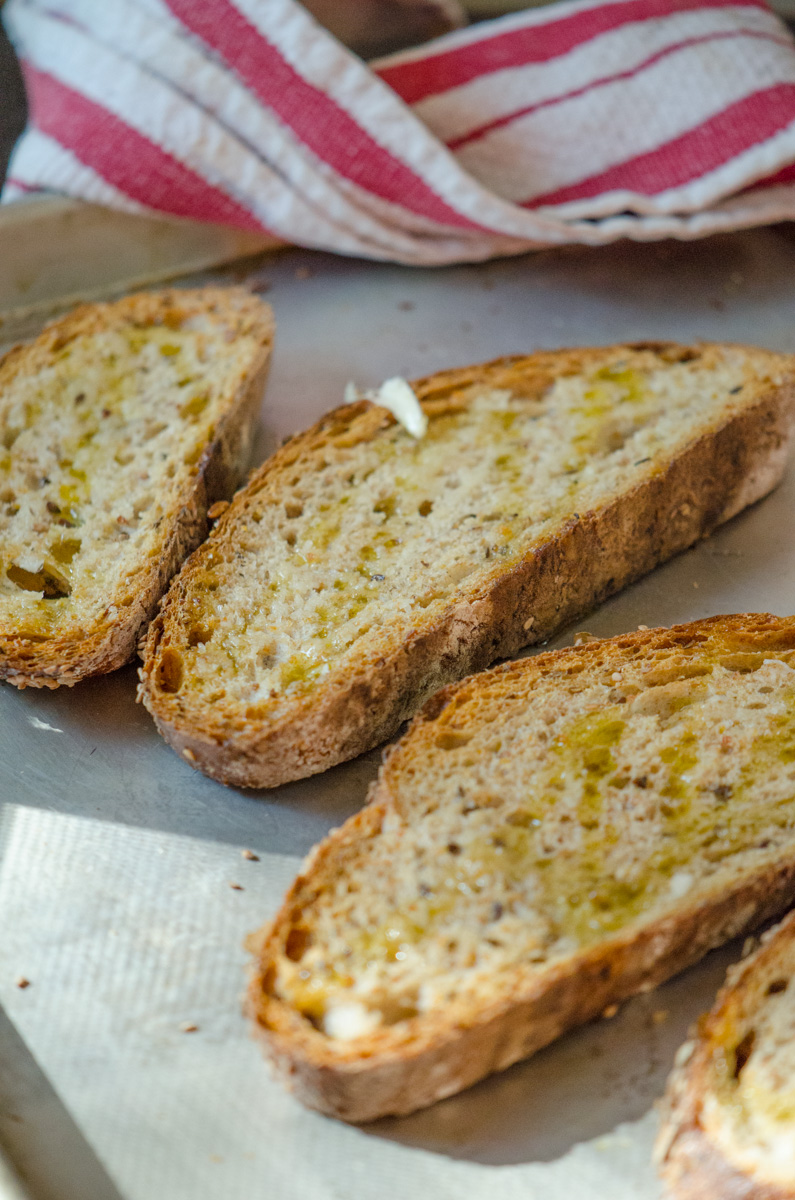
toasted bread biking cooking tuscany italiaoutdoors food and wine

While residents of these regions loyally proclaim the superiority of their local breads, most palates will find them rather bland. And given the plethora of recipes where bread is combined with many other flavorful ingredients, one has to surmise that Tuscan and Umbrian cooks are aware of this shortcoming. But when one has lemons, you make lemonade – or, in this case, panzanella.

pomodoro cycling holidays umbria italiaoutdoors food and wine
Today, panzanella is seen most often in the summer, made primarily with fresh tomaotes. However, prior to the 20th century, it was actually based on onions, not tomatoes, as tomatoes were not commonly consumed until the mid-18th century, since, as a member of the nightshade family, they were believed to be poisonous. The 16th-century artist and poet Bronzino mentions onions with oil and vinegar served with toast, and a salad of onions, purslane and cucumbers, the first description of panzanella.

fennel private cycling tours italiaoutdoors food and wine
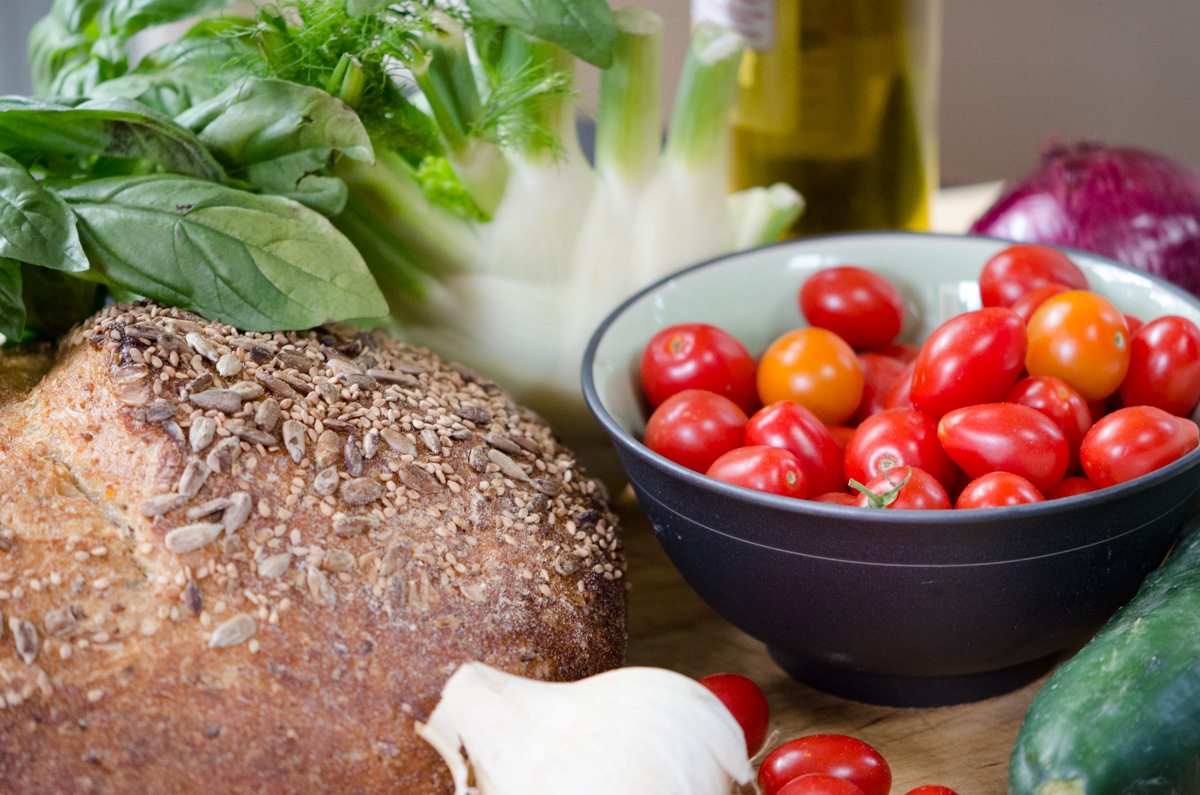
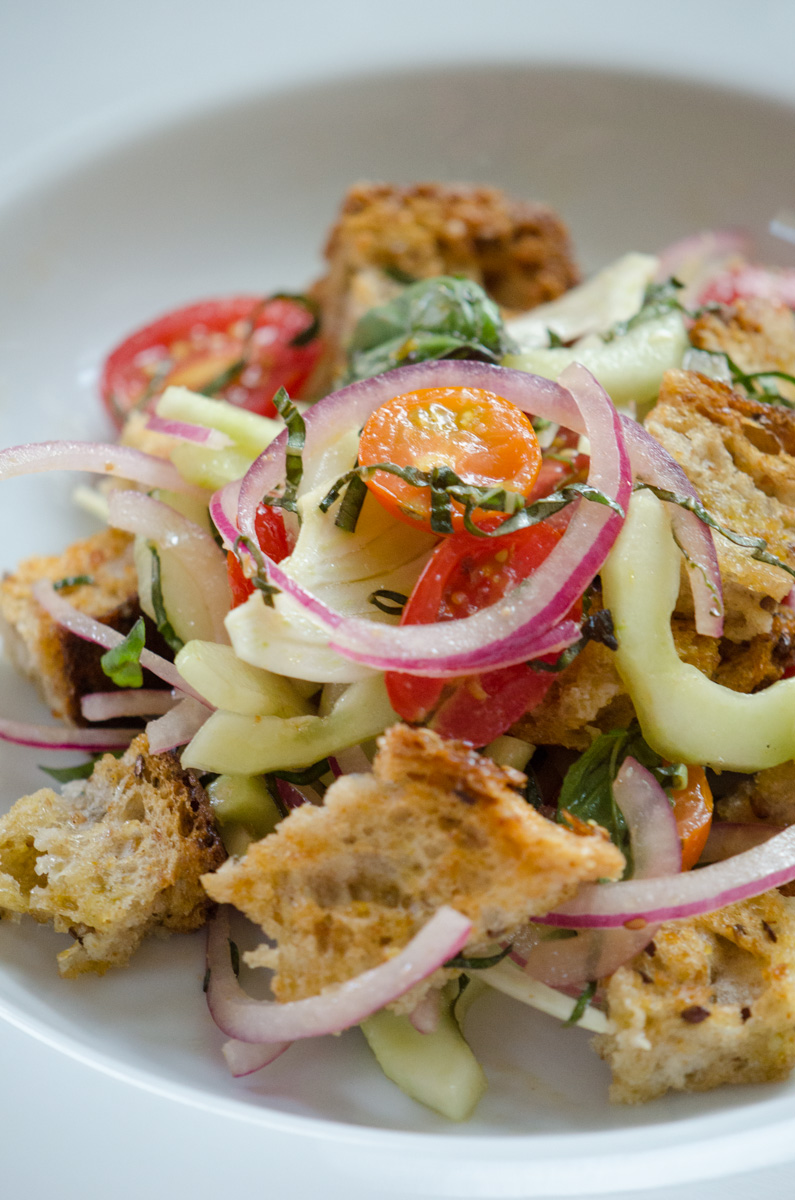
Most modern recipes include stale bread, tomatoes, olive oil and vinegar, along with cucumbers, red onions and basil. Many variations are possible, with lettuce, celery, olives, capers, peppers, mint, mozarella, this list goes on. I provide a pretty traditional version, with the single addition of fennel, but feel free to add what you wish – it is a great way to put to use all of your wonderful fresh summer produce!

basil private dolomites ski holidays italiaoutdoors food and winePanzanella

4 thick slices stale bread, or fresh bread, toasted
1 clove garlic
1/3 cup good quality extra virgin olive oil, plus more if needed
2 tablespoons red wine vinegar, plus more if needed
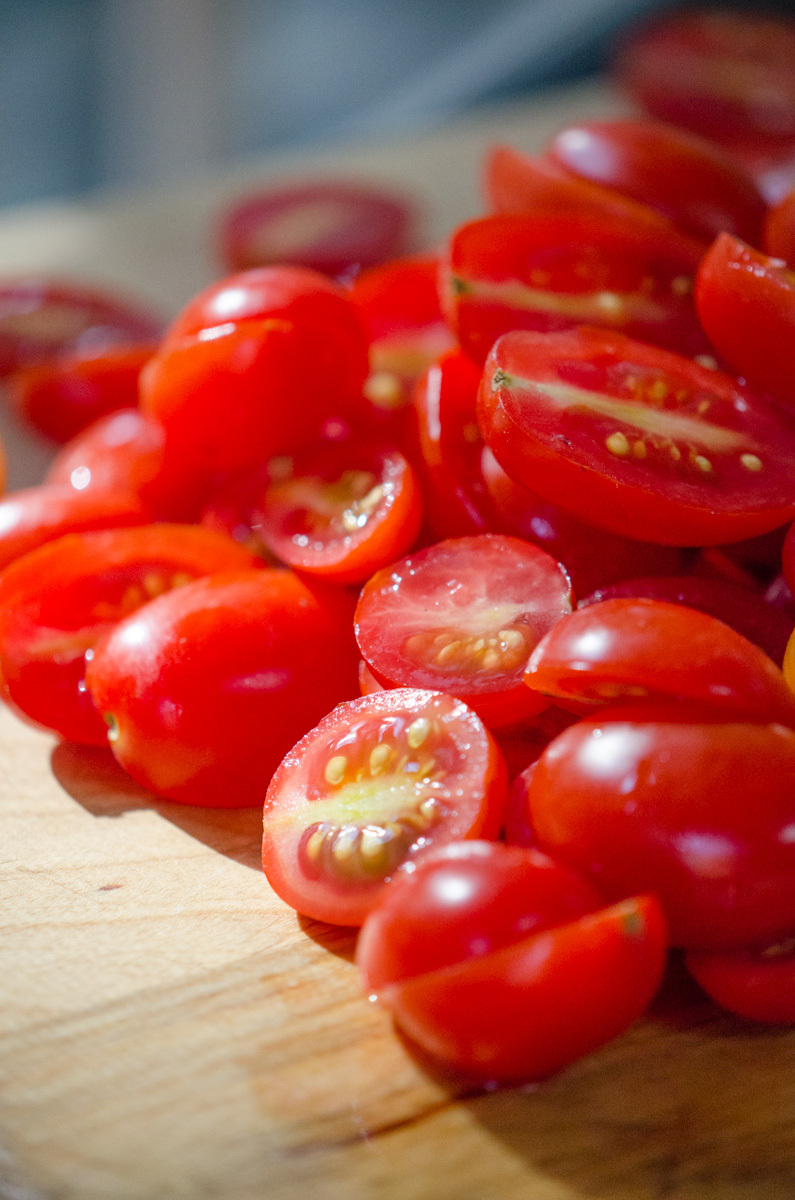
2 large fresh tomatoes, cut into 1/2 inch dice, or 1 pint grape tomatoes, halved
1 cucumber, peeled, seeded and sliced
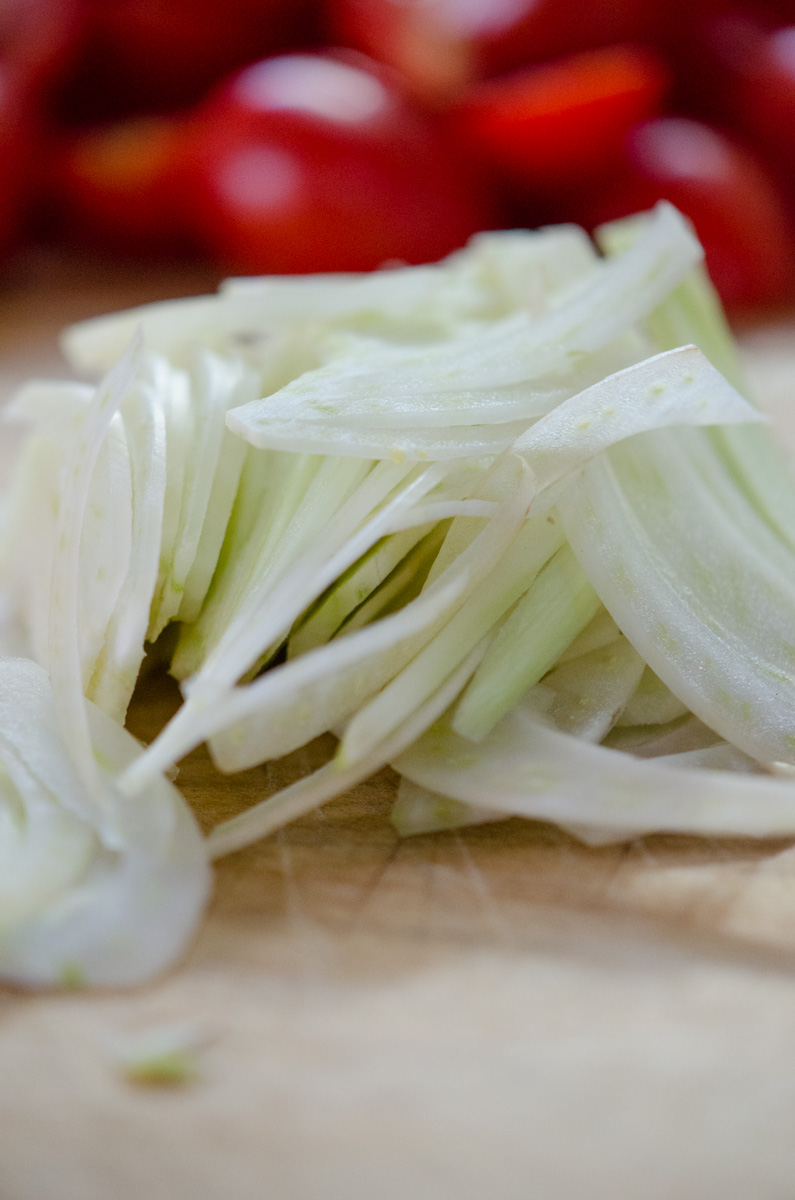
1/2 head fennel, tough outer leaves removed, cored, and thinly sliced
1/2 red onion, thinly sliced
1/2 bunch basil, chiffonade larger leaves, separate smaller
kosher salt and freshly ground pepper

Rub the garlic clove onto the 4 slices of bread. Cut into 1/2” cubes and place in a large salad bowl.

Add the extra virgin olive oil and vinegar. If you wish your bread to be quite moist, add a couple of tablespoons of water. Mix well to thoroughly moisten the bread. Add the tomatoes, and allow to sit in a cool place for 30 minutes or more.

Add the remaining ingredients, with more olive oil and vinegar if needed. Season with salt and pepper. This salad can sit a bit before serving – just keep it in a cool place.

Posted in Salad, Travel, Tuscany, Uncategorized | Tagged , , , , , , , , , , , , , , , , , , , , | 1 Comment

White Bean Puree with Roasted Garlic

crostini culinary bike tours italy italiaoutdoors food and wine We are heading to Umbria for one of our Bike the Wine Roads cycling tours, so my culinary and wine investigations are targeting that region currently. Umbria is particularly well known for its beans and lentils, which are dried and appear on their table year round.

white beans bike tours umbria italiaoutdoors food and wineSome very special heirloom varieties include Roveja di Civita di Cascia, small wild peas that grow high on the slopes of the Sibillini mountains,  and the Lake Trasimeno bean, a tiny bean about the size of a grain of rice, which are eaten both dried and fresh. Also from Lake Trasimeno is the fagiolino, a eyeless type of black-eyed pea, Cave di Foligno’s rare variety of navy bean, the fagiolo or the earthy cicerchie, a type of chickpea. The town of Castelluccio produces some wonderful tiny lentils.

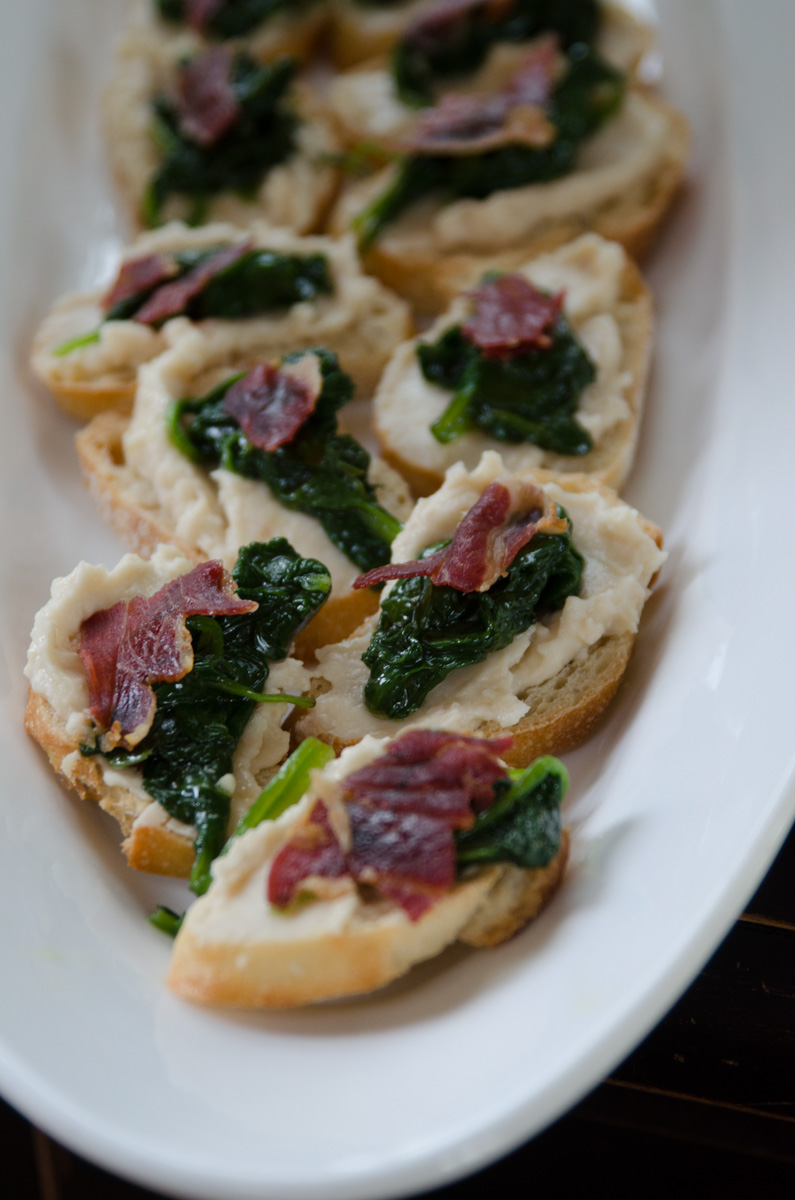
roasted garlic culinary bike tours italy italiaoutdoors food and wineOne very easy, and versatile bean recipe I make quite often is a simple puree. I serve this as a side dish with some grilled tuna or other fish, spread on a sandwich, or as a dip for raw vegetables. I use it on a favorite crostini antipasti at my cooking classes, and am always asked for the recipe. Serve with a drizzle of wonderful olive oil, another Umbrian specialty.

Pure di Fagioli

Makes 3 cups

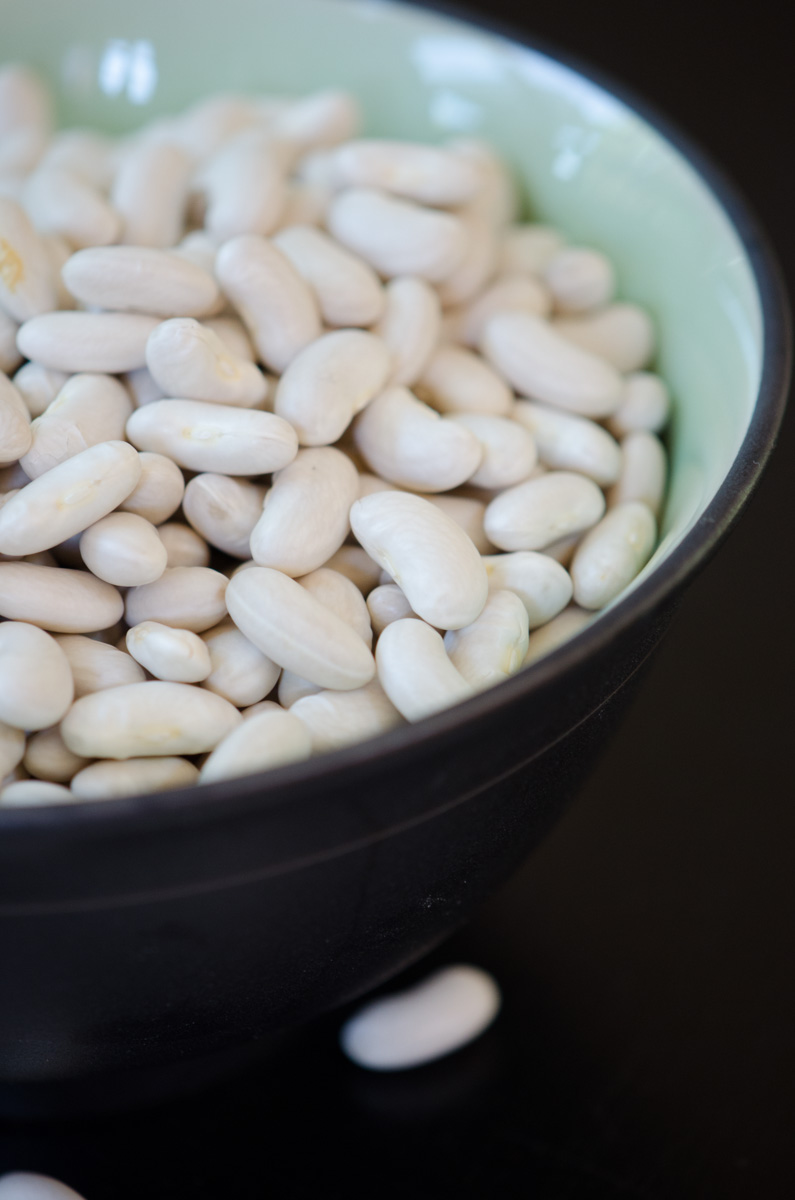
1/2 pound dried white beans, such as cannellini or great white northern, or 2 -15 ounce cans white beans, rinsed
2 bay leaves
1 head garlic
1/4 cup extra virgin olive oil
2 teaspoons minced fresh rosemary
Grated rind and juice of 1 lemon
Kosher salt and freshly ground black pepper

If using dried beans, place the beans in a large bowl and cover with water. The water level should cover the beans by at least an inch. Allow to soak overnight.

Drain beans, and transfer to a large saucepan. Cover the beans with twice as much water and bring to a boil over high heat. Reduce heat to a simmer. Add bay leaves. Simmer until beans are tender, about 1 to 1/2 hours, depending upon the size and age of the beans. Drain, reserving about 1 cup of the cooking water. If using canned beans, you can skip these steps.

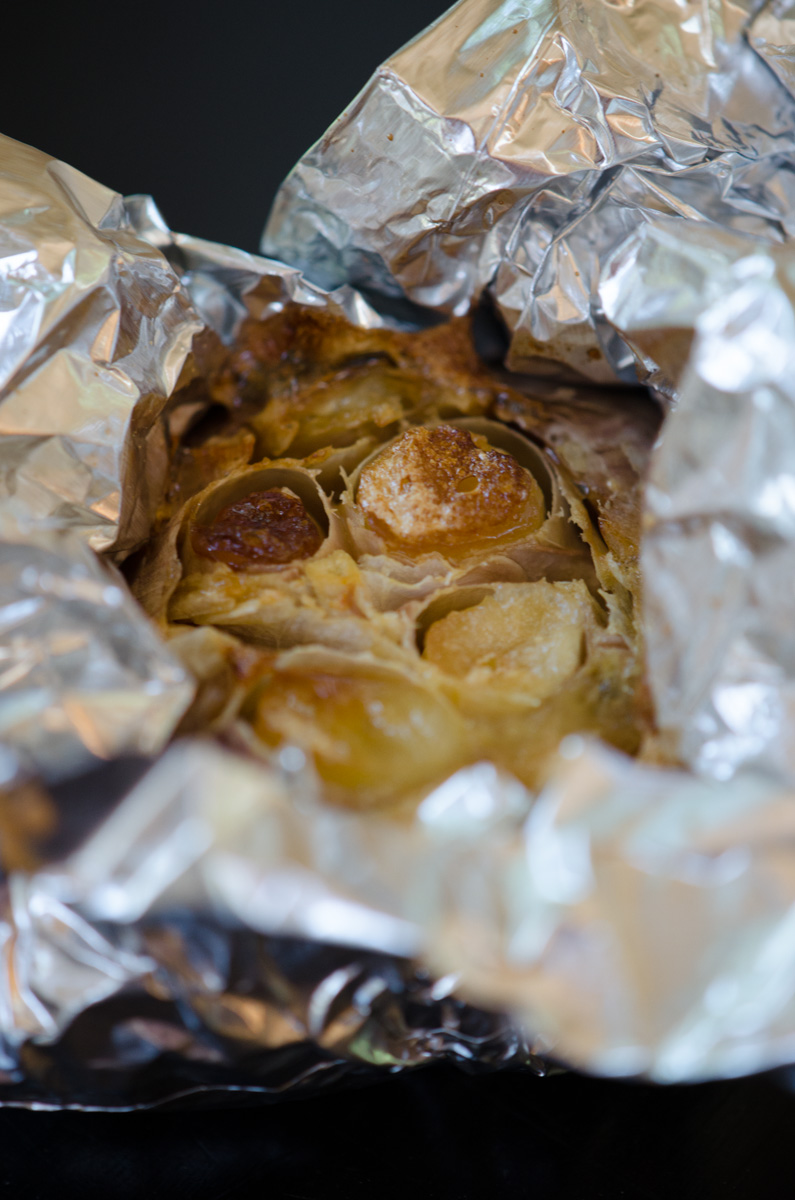
While the beans are cooking, preheat the oven to 375°. Slice the top off of the head of garlic, exposing just the top portion of the individual cloves. Wrap the garlic head in aluminum foil, leaving the top slightly open. Drizzle with 1 tablespoon olive oil. Place in the oven and roast until the cloves are quite tender.

Transfer the cooked beans to a food processor, and squeeze the cooked garlic cloves into the bowl of the food processor. This should be easy to do, squeezing from the bottom of the clove they should just pop out of the opening you cut at the top. Turn the machine on, and slowly add the olive oil in a steady stream through the feed tube, processing until smooth. Add the rosemary, lemon rind and lemon juice, process to combine. If the puree is still too thick for your liking, add a bit of the reserved bean cooking liquid and puree until it is the texture you wish. Season with salt and pepper, and serve.

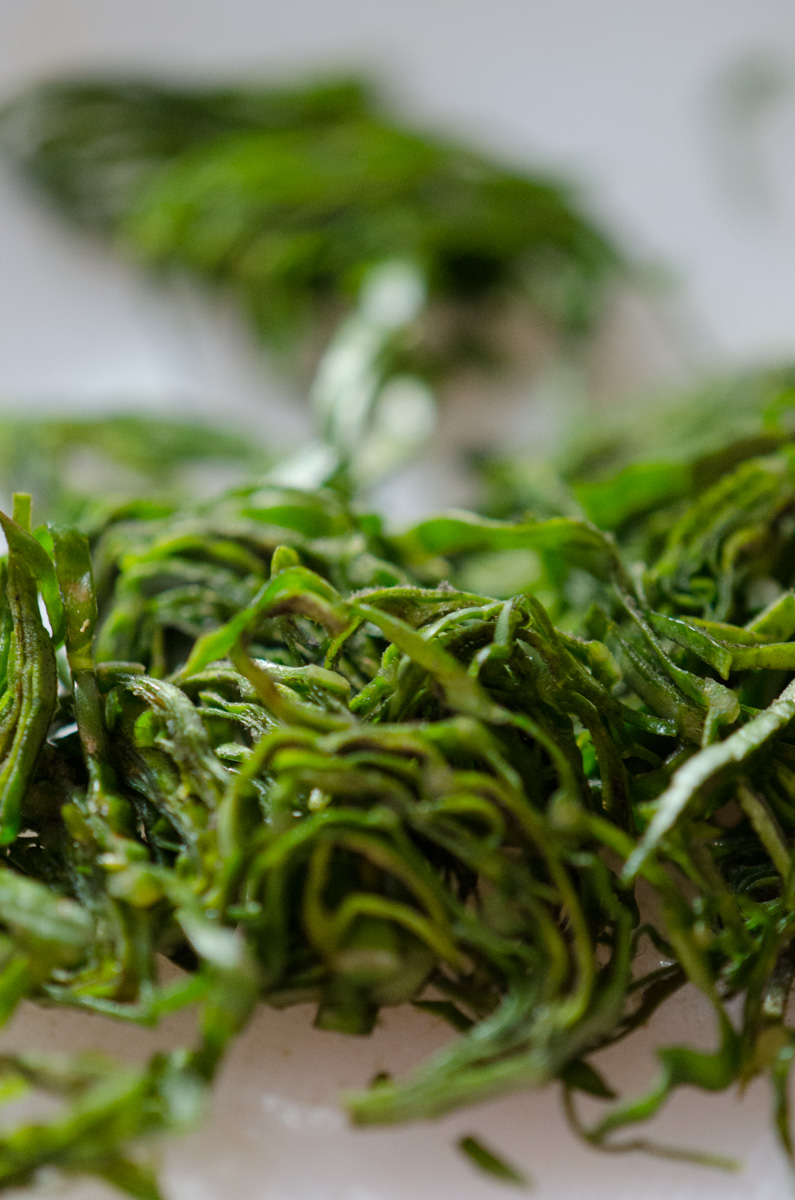
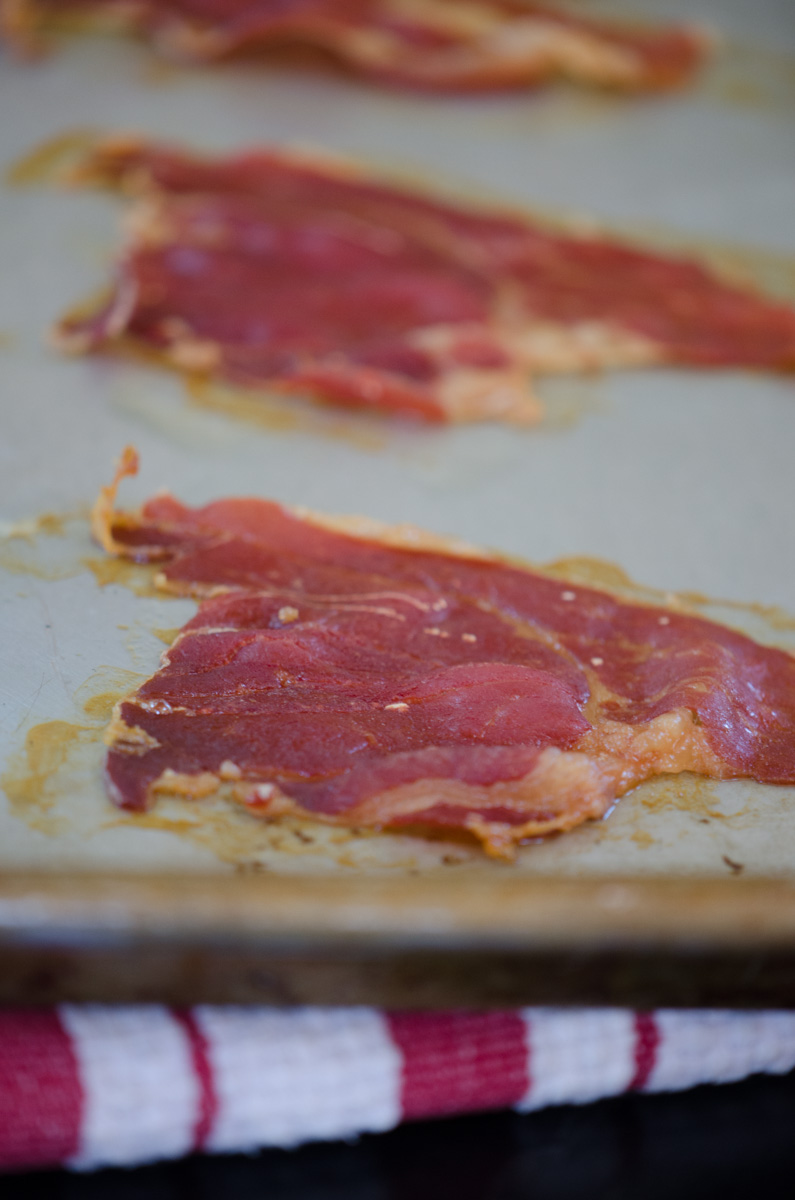
For a nice antipasti crostini, spread the puree on a slice of toasted bread, and top with sautéed kale and a small leaf of dried kale, dried in the oven with a little olive oil and salt, or sautéed spinach and a shard of oven-dried prosciutto.

dried prosciutto cycling holidays dolomites italiaoutdoors food and wine

Posted in beans, Uncategorized, Vegetarian | Tagged , , , , , , , , , , , , , , , , , , , , , , , , | 1 Comment

Pesce al Cartoccio – Fish in a ‘Packet’

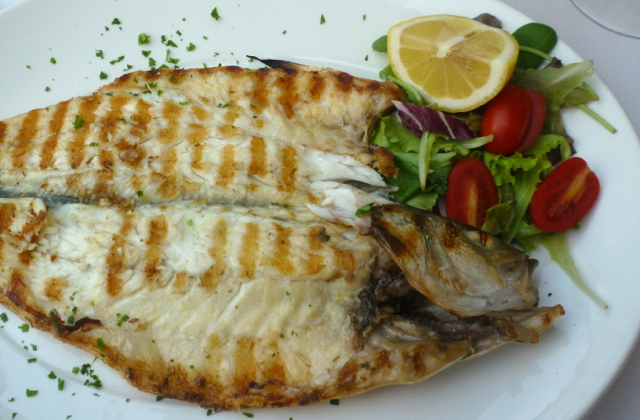
fish in cartoccio cooking and cycling tours italyWith miles of coastline along it’s familiar boot shape, you find fish in just about every regional cuisine in Italy. Even the landlocked regions we tour, we find fish – from Lake Garda, when we cycle down the Sudtirol wine road, or from Lake Trasimeno during our Bike the Wine Roads of Umbria tour. Most are prepared quite simply, a whole fish, split and grilled, served with perhaps a few herbs, and drizzled with olive oil.
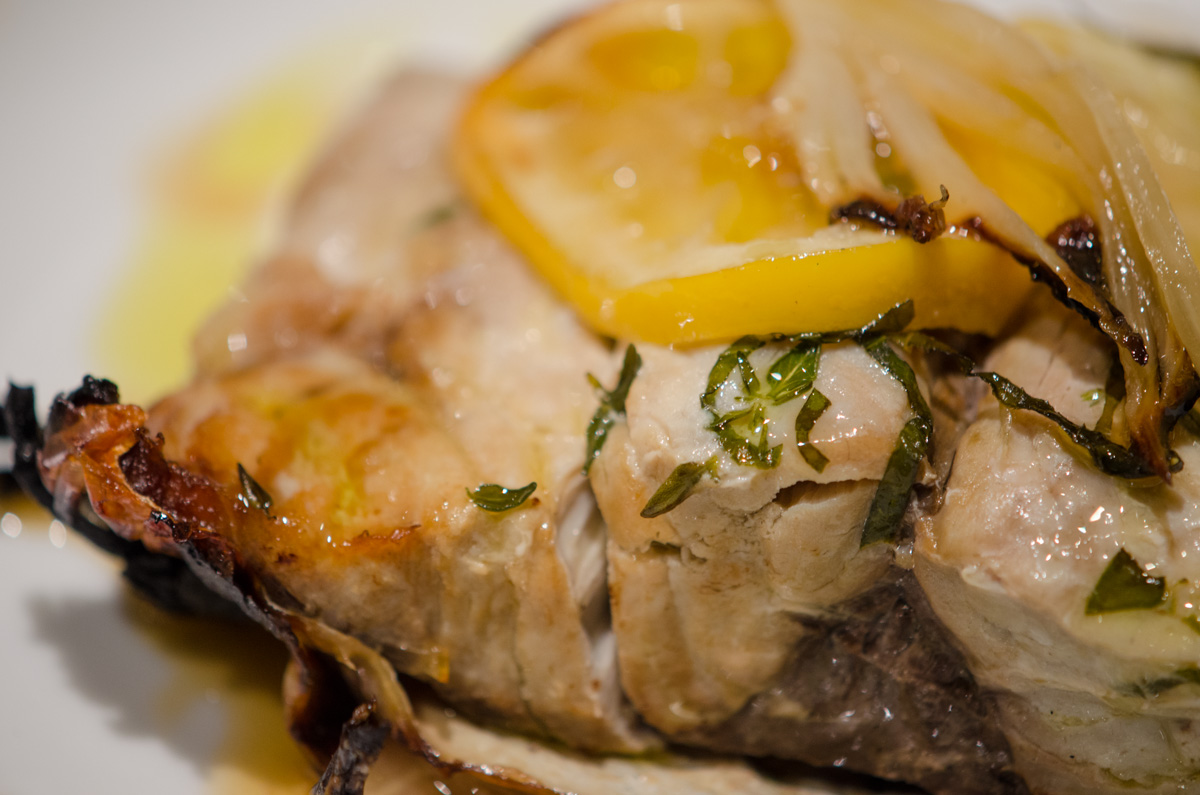
lake fish garda bike tours italy italiaoutdoors food and wineAnother common preparation across Italy is fish “in cartoccio”, or “al cartoccio”, or “cartoccio di…”. This is fish cooked in a “packet”, either foil or parchment paper. I found a variety of recipes for this dish, branzino al cartoccio (sea bass), cefalo in cartoccio (mullet), even cartoccio di seppioline (cuttlefish). All are similar preparations, simply seasoned fish wrapped up in a packet and baked in a hot oven. I do this technique quite often for a quick and easy fish dinner.
fish in packets bike tours tuscany italiaoutdoors food and wineBut as I was perusing fish in cartoccio recipes, I found the following description for Carbonaretti del Lago di Piediluco in “La Cucina – The Regional Cooking of Italy”. This is how the lake fisherman in Umbria would prepare their fish, right on the water. “The fisherman scorch the local perch over small fires in their boats, giving the dish its name, carbonaretti.” I thought cooking ‘in cartoccio’ over hot coals would be a nice variation, especially on a hot summer day when grilling outside is called for. Reminds me of the hobo packs we used to do on our girl scout camping trips.
packets private cycling holidays italy italiaoutdoors food and wineThis recipe is intended as a framework, there are many ways to make it your own. Include any vegetable that would cook through in the same time it would take to cook your fish, you could even use potatoes if they were thinly sliced. You can use a whole fish – which are hard to find in my local seafood vendors, unfortunately – or a piece. I used one of my favorites, bluefish. Season with whatever fresh or dried herbs you have on hand, and drizzle with some wonderful olive oil. And clean up couldn’t be easier!

fish with herbs cycling holidays italy italiaoutdoors food and winegnocchi class eramo july 2013

Pesce al Cartoccio

Serves 6

1 onion, sliced thin
1 head fennel, thick outer leaves removed, cored, sliced thin Extra virgin olive oil
Kosher salt and freshly ground black pepper
2 lbs. fresh fish, bluefish, striped bass, cut into 6 portions
1 lemon, thinly sliced
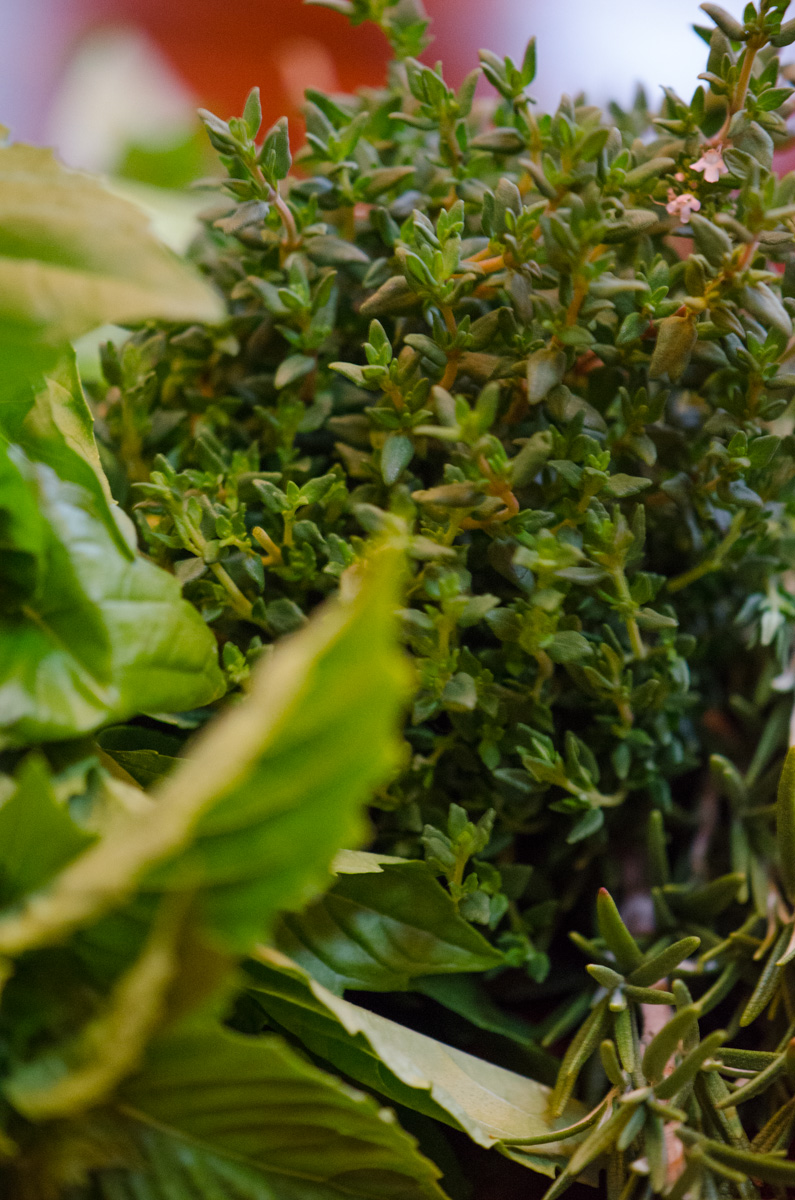
Fresh herbs – basil, thyme, rosemary

Preheat oven to 400°, or build a charcoal fire and allow to burn down to coals.

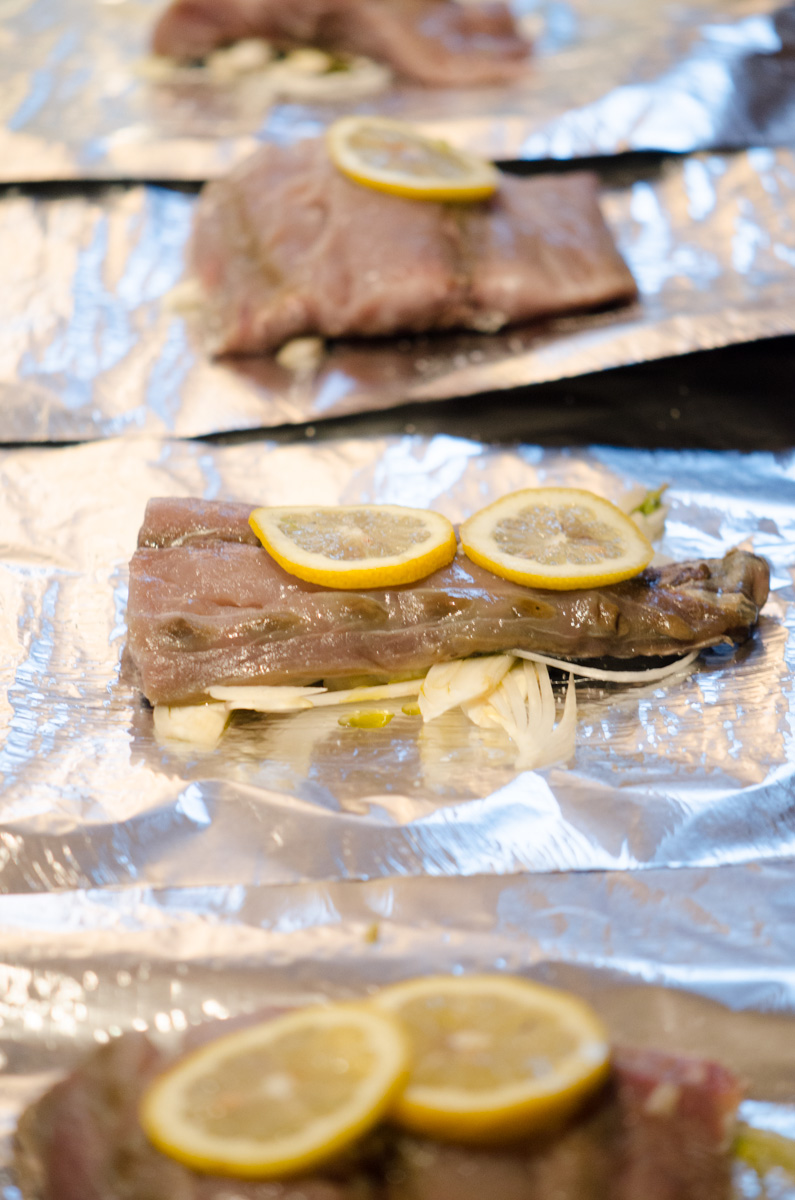
Tear 6 15” sheets of heavy duty aluminum foil, and lay on the counter.

Distribute the onion and fennel slices on the 6 sheets, placing them in a small pile in the center of each sheet. Season with salt and pepper, and drizzle with olive oil.

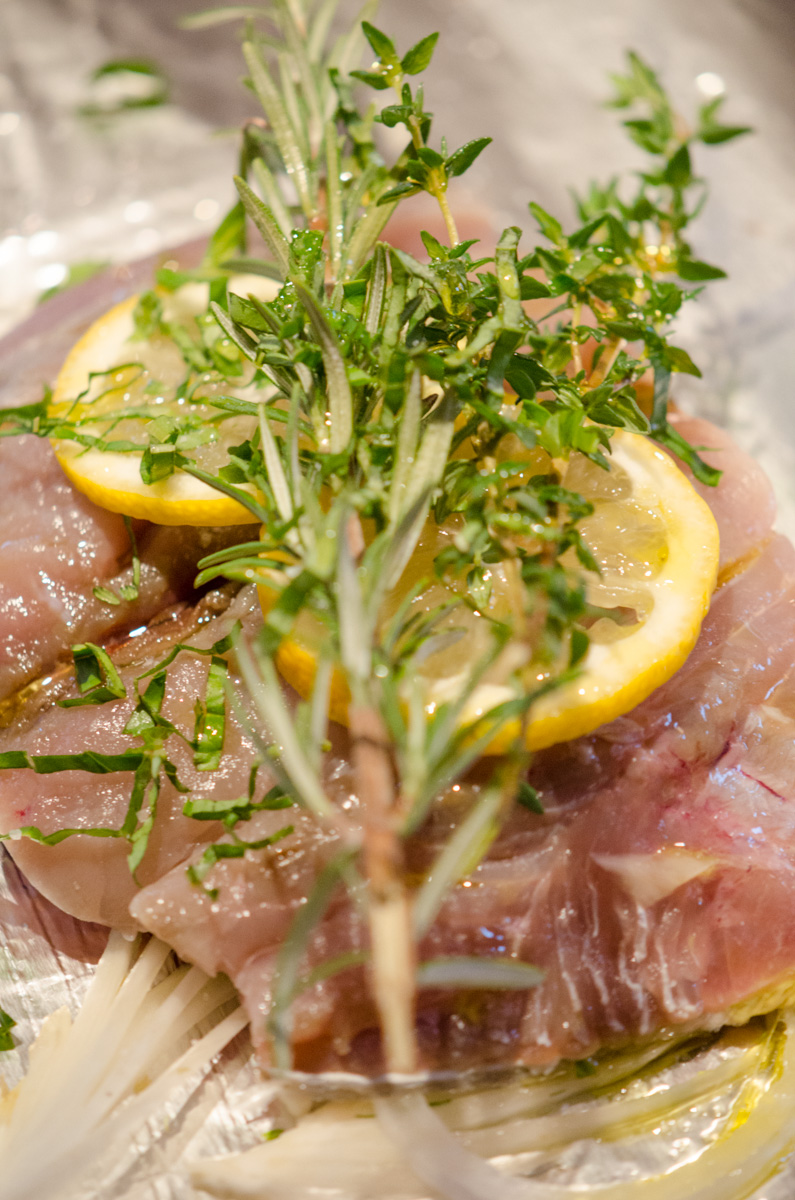
Place one portion of fish on top of the fennel and onion. Season with salt and pepper. Place one or two slices of lemon on top of the fish, then any herbs you may wish to use. Drizzle with more olive oil.

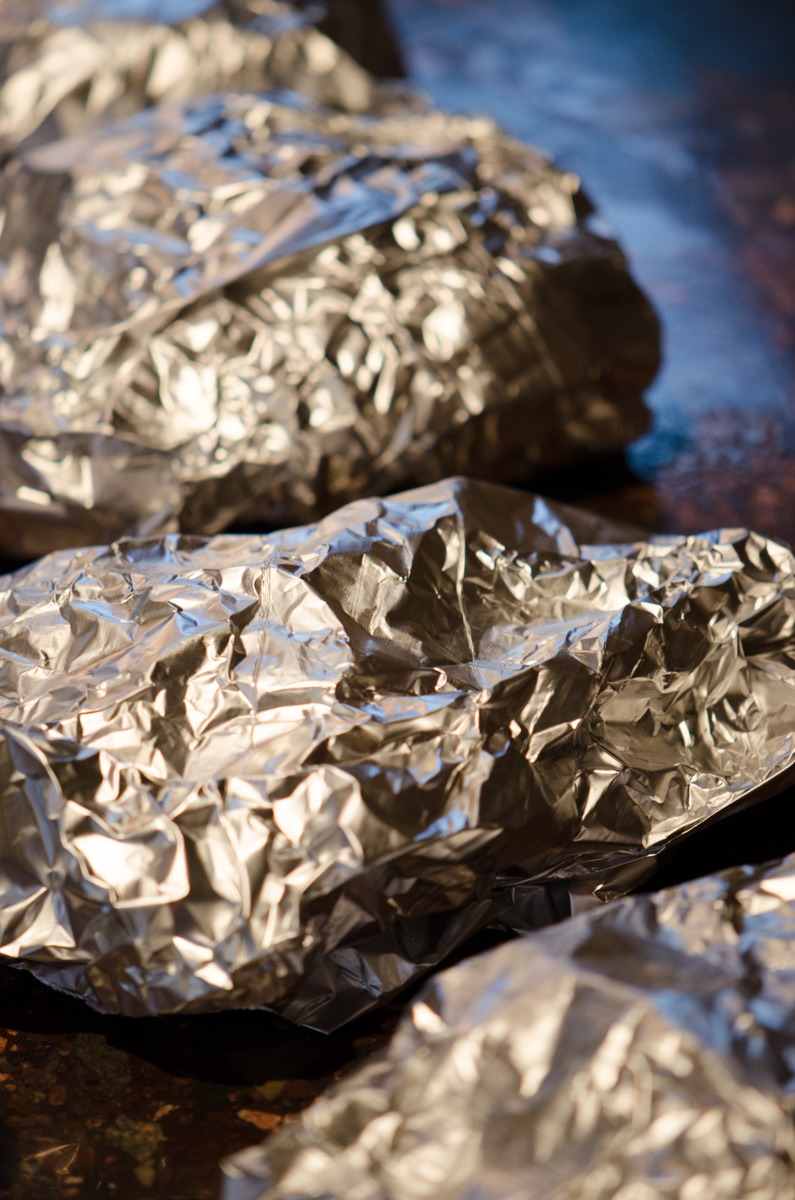
Wrap the fish and herbs tightly in the aluminum foil, sealing well. Place the foil packets on a sheet pan and put in the oven, or place them directly on the hot coals, if you are using a fire. Cook for 20 minutes.

Remove from heat, and serve.


fresh herbs wine bike tours italy italiaoutdoors food and wine

Posted in Fish, Uncategorized | Tagged , , , , , , , , , , , , , , , , , , , , | Leave a comment

Risotto with Zucchini, Squash Blossoms and Prosecco

zucchini risotto wine cycling tours italySummer is here, and zucchini is at every stall in my local farmer’s market and farm stand. But where, I wonder, are the blossoms? In Italy, these are as prevalent and the squash itself, but I can’t find them here. We use them in our cooking classes on our Italy bike tours, and I’d love to show them to my students here at home.

zucchini blossoms cooking and cycling tours italyZucchini, like all squash, has its ancestry in Central and South America, where it has been eaten for several thousand years. Usually considered a vegetable, zucchini is actually a fruit, a member of the cucumber and melon family. Christopher Columbus introduced the seeds of the zucchini to Europe, where in Italy the summer squash as we know it today was developed. It was called “zucchina”, or “zucchino” in Tuscany, meaning little squash (zucca).  Zucchini is the plural.

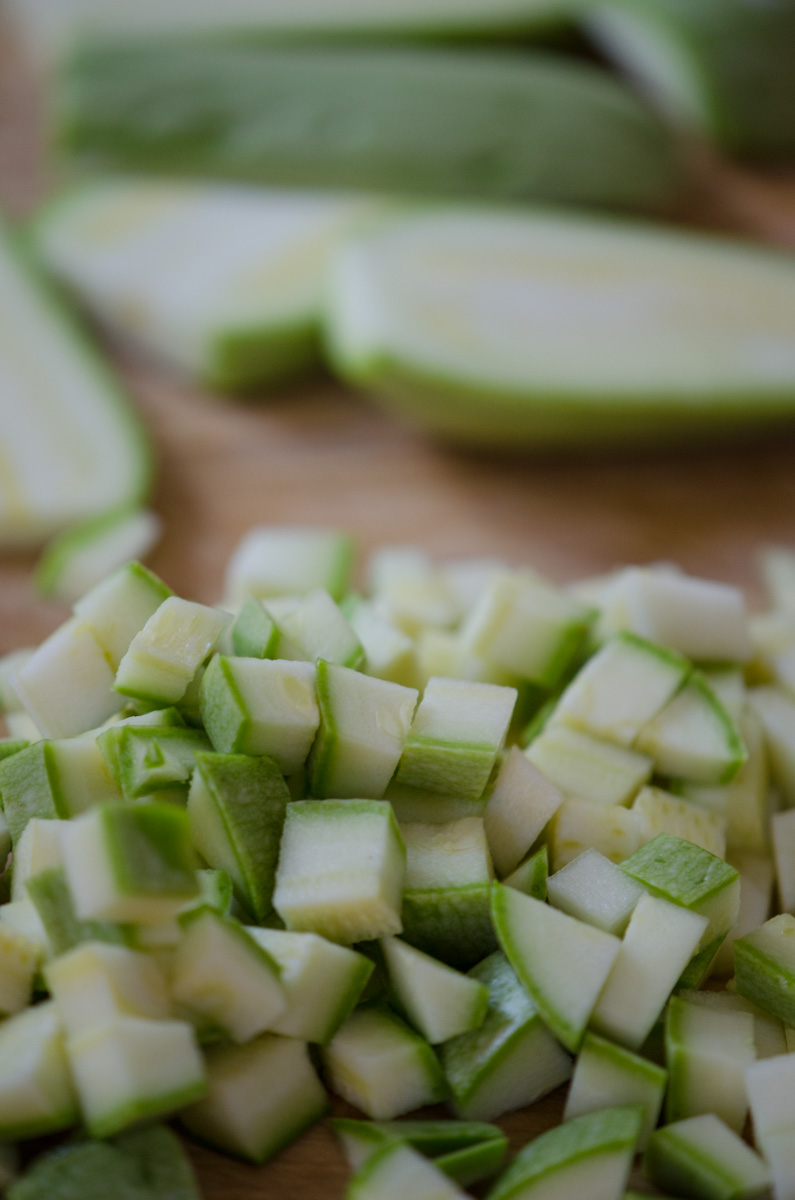
diced zucchini biking and cooking tours italyZucchini was introduced to the United States in the 1920s, by Italian immigrants. I recall finding zucchini squash in my mother’s vegetable garden that were over a foot long, and desperately trying to figure out how to eat an overabundance of these every summer. Seeing how Italians enjoy this squash was a revelation. In Italy, zucchini are harvested and sold when they are only 6-8 inches long, when the seeds are still soft and young, and the flesh sweet. Larger plants are much less sweet, and more fibrous.

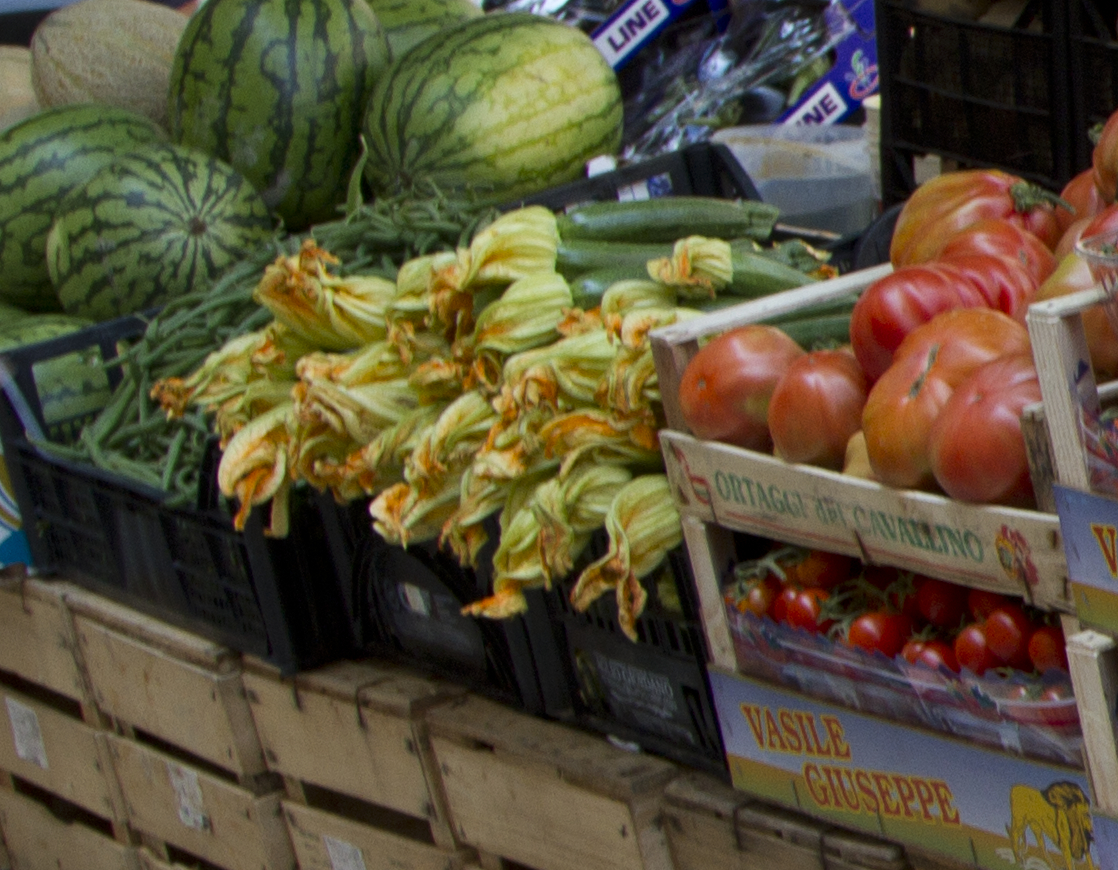
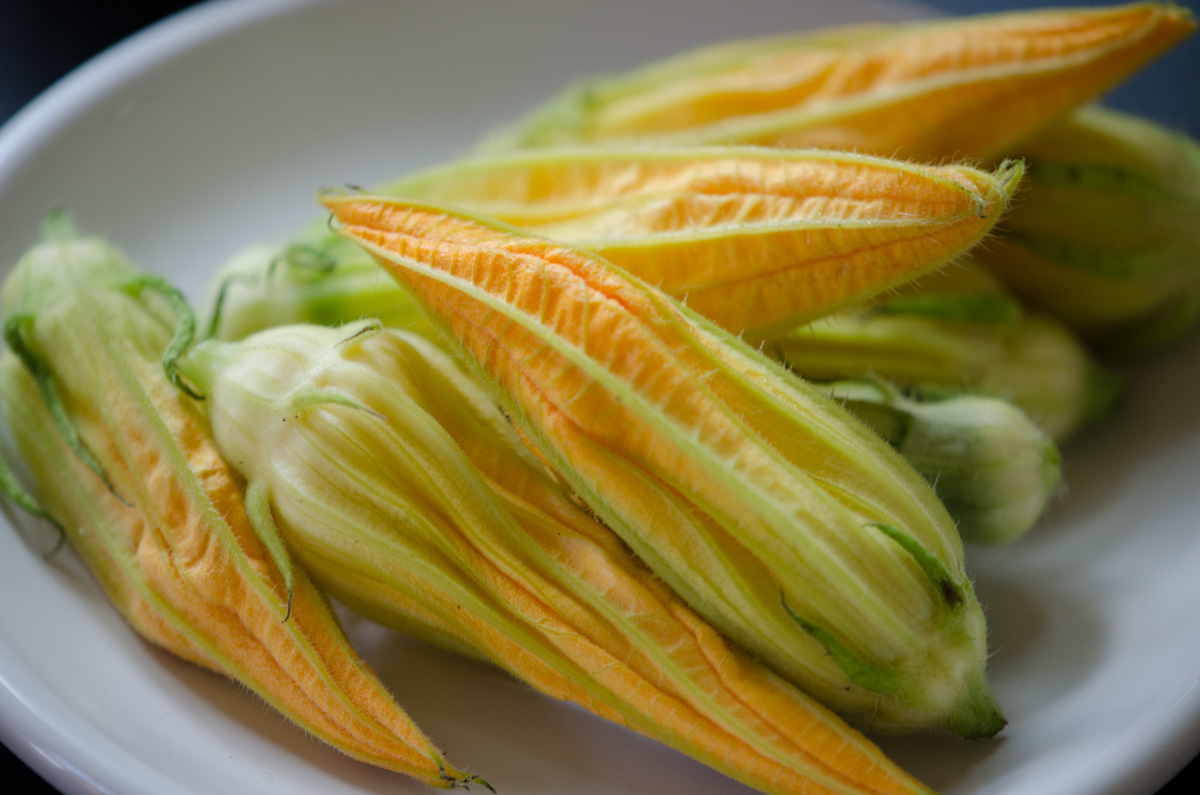
zucchini at rialto bike tours italyIn addition, when zucchini are available in the markets in Italy, they are often accompanied by the zucchini flower. The female flower is a golden blossom that is found on the end of each emergent zucchini. At many a market in Italy, you can buy these small zucchini with the flower still attached. A zucchini with the flowers attached are a sign of a truly fresh and immature fruit, and are especially sought after for its sweeter flavor.

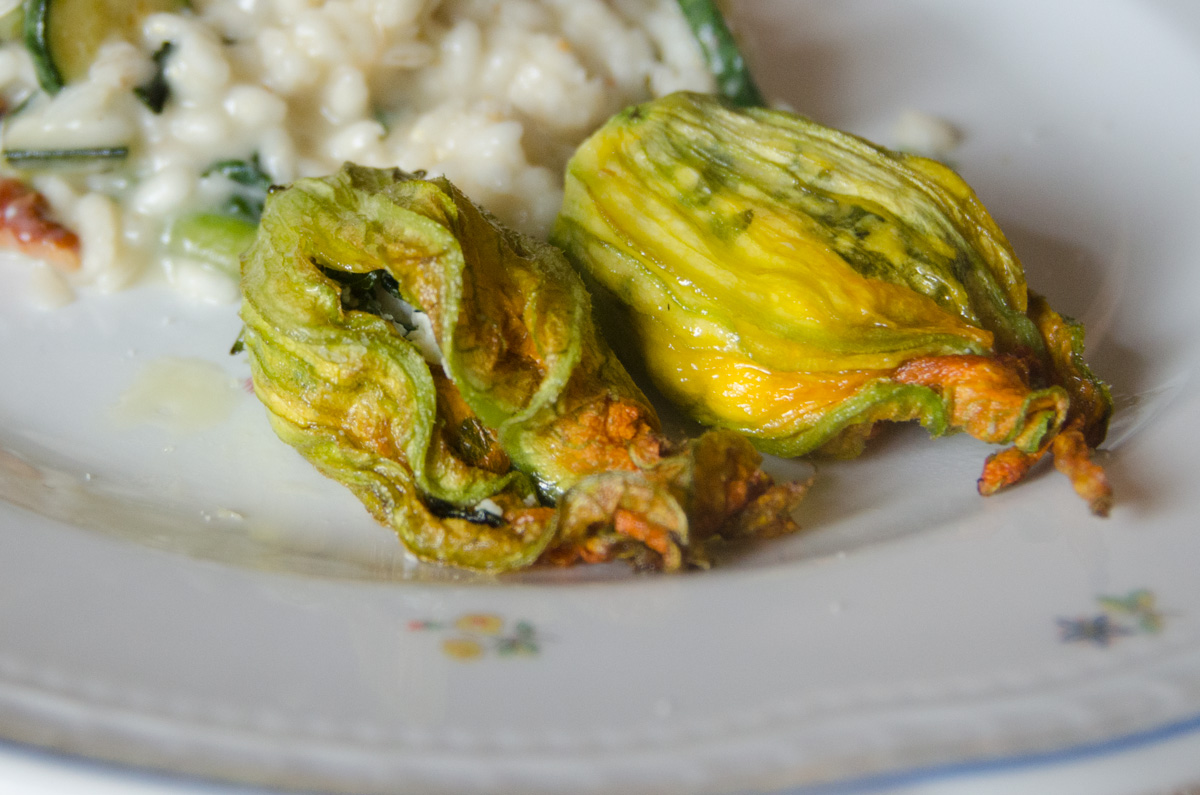
zucchini flowers bike tours italyThe male flower grows directly on the stem of the zucchini plant on a long stalk, and is slightly smaller than the female. Both flowers are edible, best when only slightly opened, with pistils or stamen removed. They are often served stuffed with cheese, and either deep-fried, or even simply grilled, steamed or roasted. We made a stuffed roasted version during our cooking class on one of our Italiaoutdoors Food and Wine cycling tours in Italy.

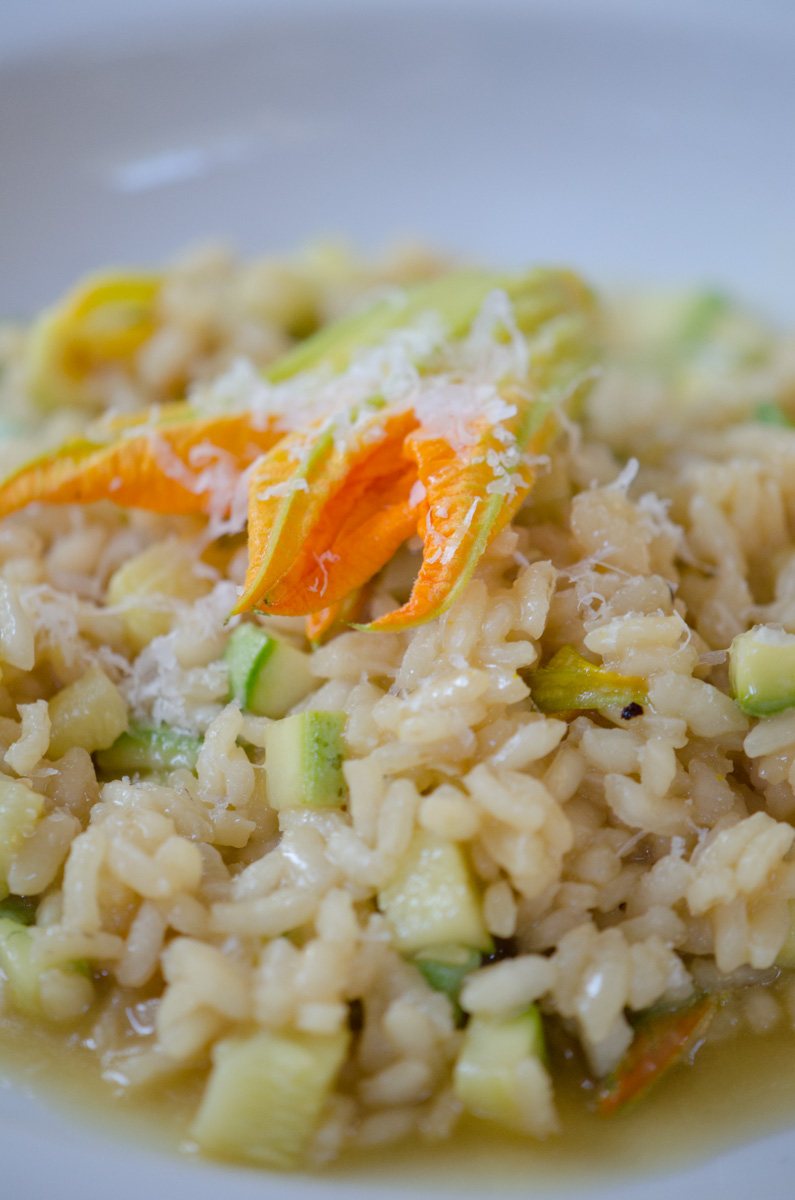
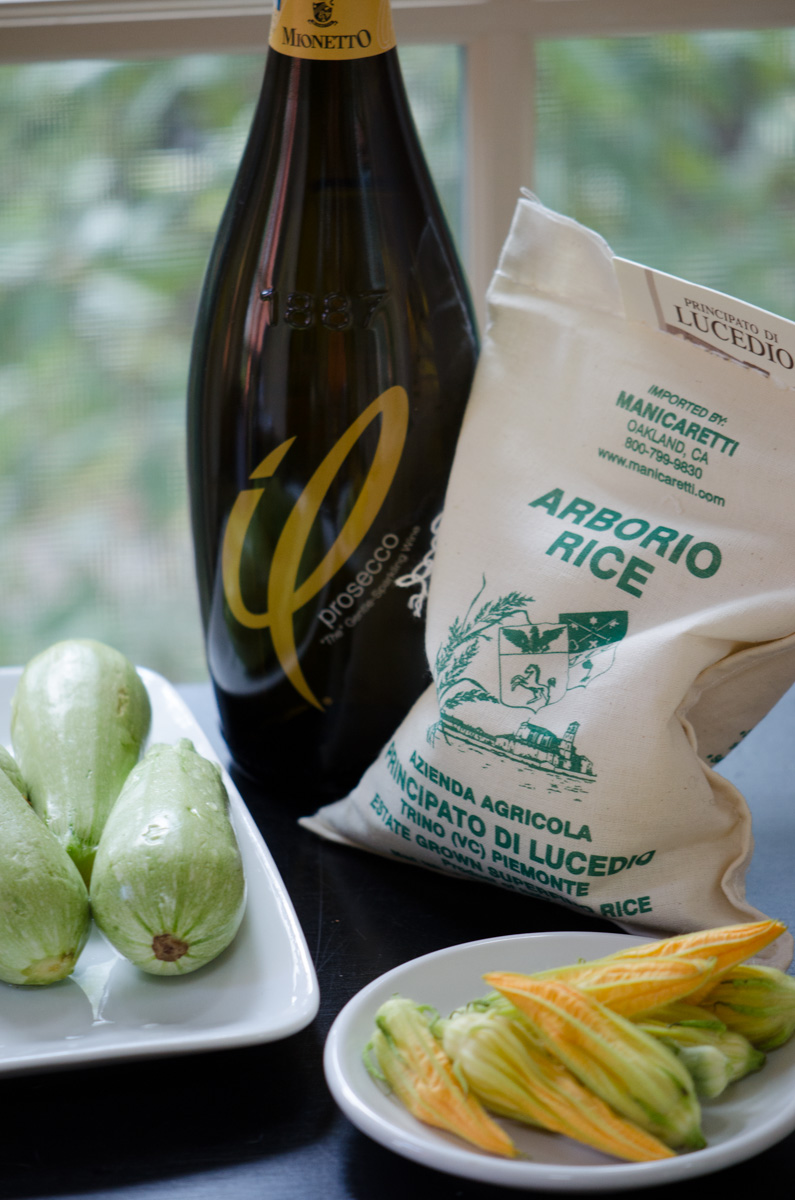
ingredients custom cycling holidays tuscanyThe flowers, and these small squash are very perishable, and the flowers are not a part of our cuisine here in the US, so I suspect it is simply unfamiliarity with their use, and a lack of demand that explains their absence.  But finally, last weekend, I spotted the flowers at our local farmer’s market. They were too small to stuff – the ‘kids’ (to quote the woman that helped me) that were working the fields were experimenting, and I suspect don’t really understand the many culinary uses of the flowers. I, of course, couldn’t resist buying them. I used them as a beautiful garnish for a fresh summer zucchini risotto made with some very small, sweet zucchini from the same farmer. It is always exciting to see new and interesting produce appear from these small local farmers, and the enticing array of vegetables and fruits at a good farmer’s market here in the US is beginning to rival those I see in Italy – a wonderful development I hope to see continue!

Risotto con Zucchini, Fiori di Zucchini e Prosecco

Serves 6 as a side dish

1 tablespoon extra virgin olive oil
2 tablespoons unsalted butter
1 finely chopped shallot
1 1/2 cups Arborio, Carnaroli, or Vialone Nano risotto rice
1 cup prosecco
4 cups chicken broth, either homemade, or unsalted store-bought, heated
3-6 small zucchini (about 10 ounces), trimmed and cut into 1/4” dice
8 zucchini blossoms, pistil/stamen removed, thinly sliced
1/2 cup freshly grated grana cheese, or other hard Italian cheese
Kosher salt and freshly ground pepper

Combine the oil and 1 tablespoon of the butter in a heavy, large skilled over medium-high heat. Add the shallots and cook until soft and translucent, about 2-3 minutes. Stir in the rice to coat with the oil, and cook for 1 minute.

Add the prosecco and stir, cooking until absorbed by rice. Add the chicken broth, 1/2 cup at a time, stirring after each addition and waiting until the broth is absorbed by the rice before adding the next 1/2 cup.

After 15 minutes of cooking, stir in the diced zucchini.

When the rice is tender, but still firm to the bite – al dente, turn off the heat. Add in a last 1/4 cup of broth, the last tablespoon of butter, the zucchini flowers and the grated cheese. Season with salt and pepper, and serve immediately.

Posted in prosecco, Risotto, Travel, Tuscany, Uncategorized, Vegetables, Vegetarian, Veneto Food | Tagged , , , , , , , , , , , , , , , , , , , , , | Leave a comment