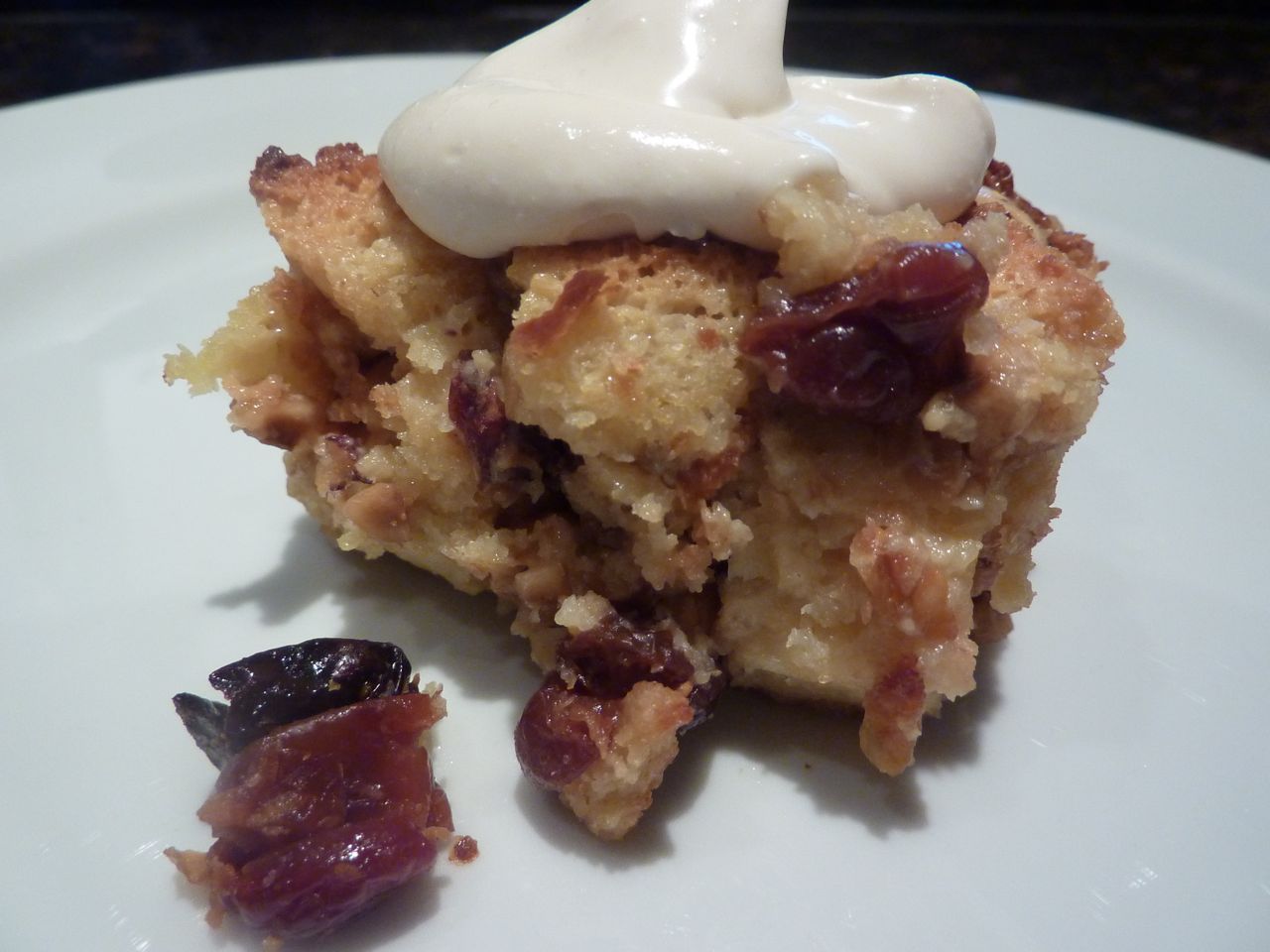
Christmas Panettone Bread Pudding

Panettone Bread Pudding bike tours italy italiaoutdoors food and wine
Christmas Panettone Bread Pudding

Panettone is a classic holiday dessert found all over Italy. It is most commonly believed to have originated in Milano, but now is actually more popular in Southern Italy than in the North. It is a large, dome shaped egg bread flavored with dried fruits and candied citrus peel. Its’ slightly acidic flavor comes from a sourdough type starter and multiple risings. It is quite time consuming and labor intensive to make, so Italians purchase these from a specialty baker, rather than produce them at home.
ingredients culinary bike tours italy italiaoutdoors food and wine
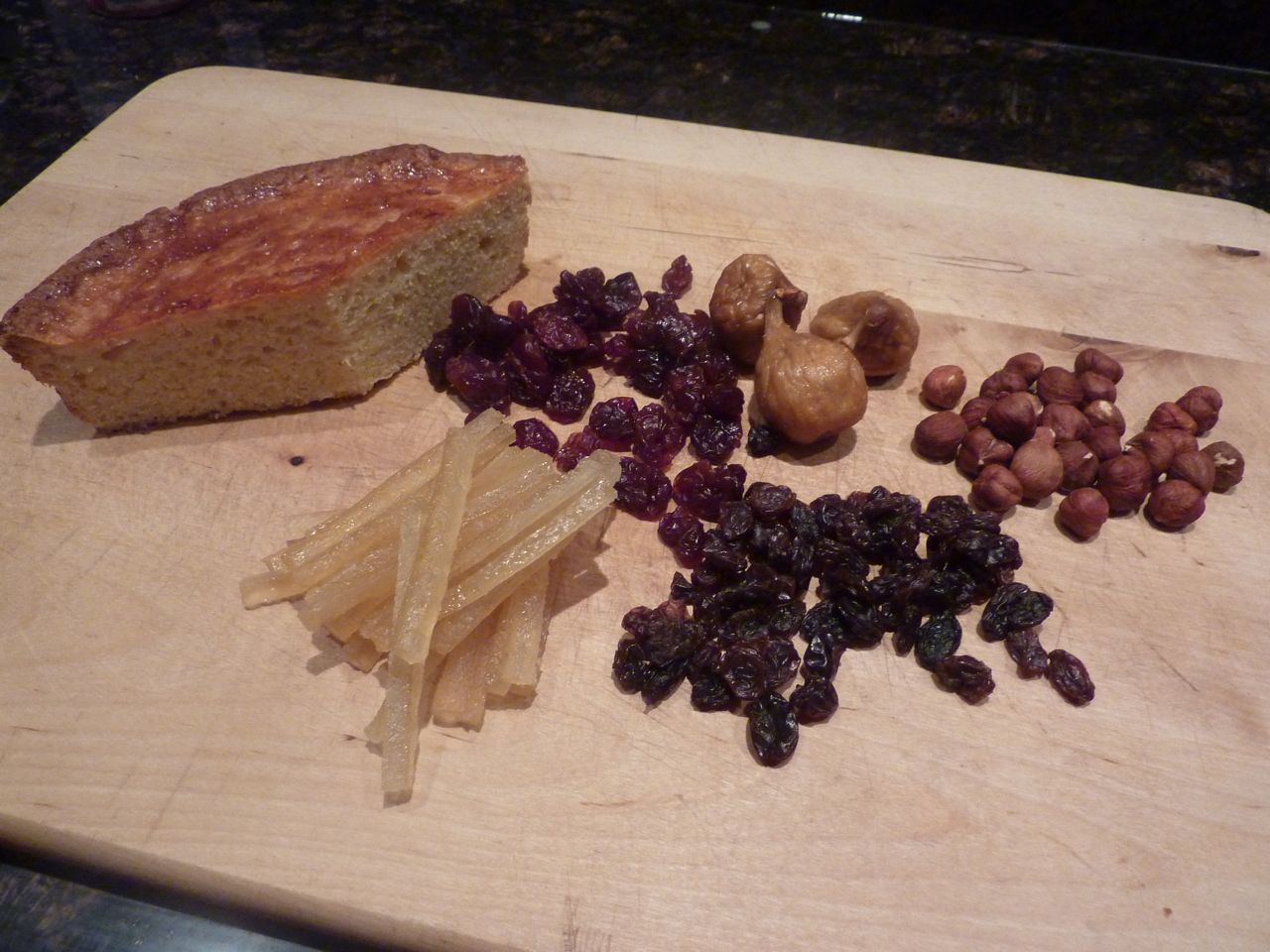
Bread, dried fruit, nuts, raisins – Toni’s inspiration

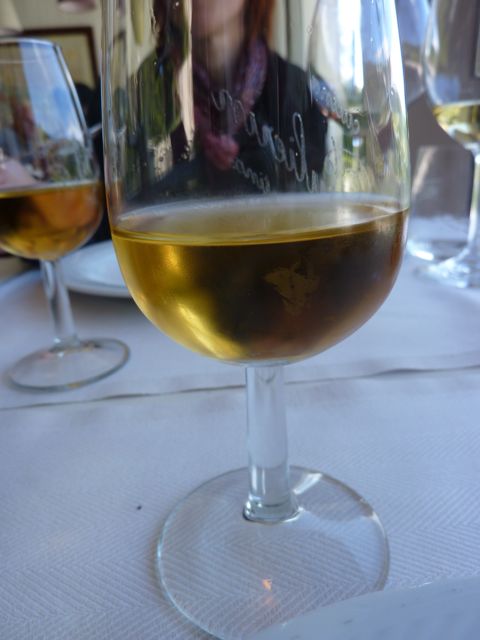
In Italy, panettone has long held a central location on the holiday table. For centuries, there has been a Christmas tradition in which the head of each family would cut three pieces from a panettone, and each family member would eat a piece of each slice to bring good luck during the upcoming year. Sounds better than the creamed herring my dad always swears by! Today, it is a staple of Christmas dinner in Latin America, brought there by Italian emigrants. It is served with a crema di mascarpone (mascarpone, eggs, and a sweet liquor such as amaretto) or a zabaglione. It pairs well with sweet dessert wines; a couple I would recommend from the Veneto wine regions that we visit on our Italiaoutdoors Bike the Wine Roads tours include the Recioto di Soave from the Soave region near Verona, as well as the Torcolato wines from the Breganze region.
torcolato bike wine tours italy italiaoutdoors food and wine
Glass of Torcolato

There are numerous legends as to the origin and name of this well-known holiday treat. Among the more interesting:

– the rounded shape of the bread was created to honor the church domes of Lombardy

– this bread was a particular favorite of a certain Padre Antonio, who always wore the proper ecclesiastical hat. The bread, with its shape resembling the hat, was named for the father, Pane Tonio

– In the 15th century, there was a poor baker in Milan named Toni, who had a very attractive daughter. His daughter was being courted by a wealthy suitor, who, depending on the version of this fable, either staked Toni the money to purchase the expensive ingredients for this special bread (eggs, butter, dried fruit), or disguised himself as a poor baker and created the bread himself. In either case, the result was that he won the daughter’s hand in marriage.

– One year in Milano, during one of the city festivals, a local baker had an assistant of 12 years old that had the responsibility to watch the focacce as they baked.  The boy (named Toni) fell asleep and burnt all the focacce.  When Toni woke up and saw what had happened he was in a panic, trying to figure out what to do.  On a nearby table, he spied ingredients leftover from various other dishes that had been prepared for the festival, including bread dough, fruits, and nuts.  So he added some eggs to the bread dough, threw in nuts, dried fruit, and raisins, and placed it in the oven to bake, hoping it would become some type of bread to replace the focacce.  The chef returned looking for the focacce, and Toni explained what happened.  The chef made the best of the situation, and put out the only cake that was available, Toni’s creation.  To everyone’s surprise, the cake was very well liked and when the chef was asked what the name of the cake was, he replied (in dialect) ‘Pan de Toni’, thus becoming Panettone.

This last legend was related to me by my Italiaoutdoors recreational programming partner in Italy, and represents what he, as a resident of the Veneto region, has been told of the origins of this holiday dessert. In all probability, the name is a simple combination of the word for bread, pane, followed by an Italian suffix “tone”, meaning big. At one point, it was referred to as pane grande. However, I find the colorful legends much more in keeping with a traditional holiday celebration!
finished pudding ski holidays dolomites italiaoutdoors food and wine
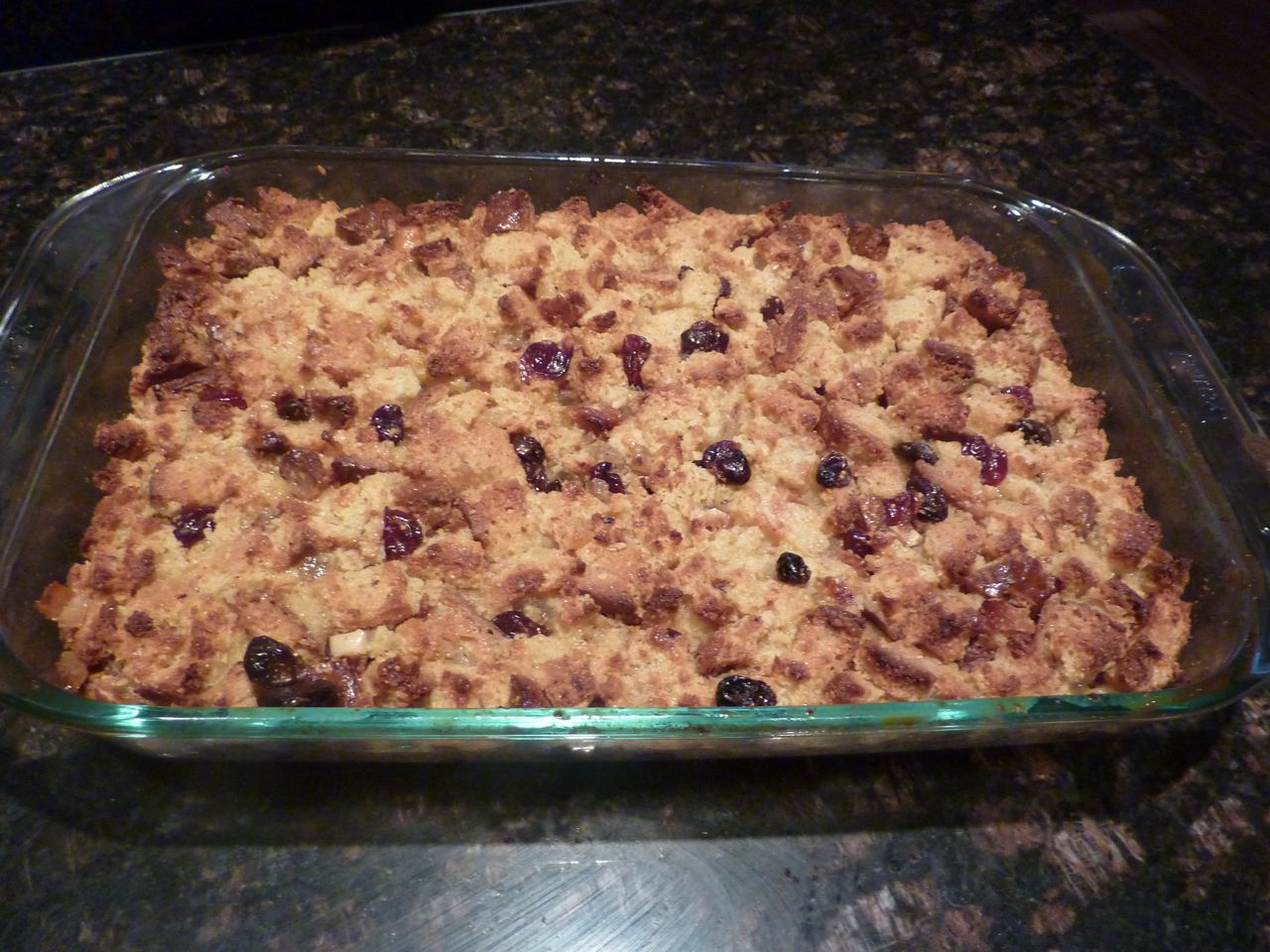
Finished pudding, fresh from oven

I started with the best intentions of making my own panettone this year, but after studying several different recipes I quickly came to appreciate why they are usually purchased from a bakery. During the hectic holiday season, this is quite a project to take on. I am all for an occasional challenge in the kitchen, but I also want my recipes to be accessible by most home chefs with other things to do besides cook, and I include myself in that category. So instead, I thought I’d work on a recipe that captured the flavors of a traditional panettone with a bit less labor. The result is this bread pudding. I began with an egg bread base, as in a panettone; I made my own brioche, which also includes a ton of butter (not a bad addition), as well as two risings to add the yeasty element. If making your own brioche is not in your schedule – it rarely is in mine – I would select a nice, store-bought sweet egg bread such as brioche, challah, or even a portuguese bread. Add to this the traditional panettone ingredients – raisins, candied lemon, nuts – and cover with a combination of eggs, sugar, cream/milk, just as in most classic bread puddings. And, in my mind, no Christmas dessert is complete without a little liquor. The result follows – Happy Holidays!

Christmas Panettone Bread Pudding

One 13×9 pan

1 1/2 cups dried fruit – cherries, figs (chopped), raisins
1/2 cup liquor – grappa, rum, brandy
1 1/2 9×5” loaves of brioche or challah bread, sliced 1/2 inch thick
1 tablespoon butter
1/3 cup candied lemon peel, diced
1/2 cup hazelnuts, toasted and chopped
1/2 cup sugar
5 large eggs
2 1/2 cups whole milk
1 cup heavy cream
1 tablespoon vanilla

Preheat the oven to 350°.

Place the dried fruit in a small bowl. Heat the liquor, and pour over the dried fruit to soften. Let sit for about 30 minutes.

Place the brioche slices on a sheet pan, and toast in the oven until just beginning to brown.

Coat the inside of a 13×9 baking pan with the butter. Break the brioche into small pieces in a large bowl. Add the dried fruit and liquor, candied lemon peel and hazelnuts. Stir lightly to combine. Transfer mixture to coated baking pan.

In a medium bowl, combine the remaining ingredients. Pour over the bread mixture. Let sit for 30 minutes. Press down firmly on the top of the pudding to make sure the bread pieces on top are sufficiently moist.

Place on the middle rack in the preheated oven. Bake for 30-40 minutes, until the pudding has set and is beginning to brown. Serve warm, or at room temperature. This will keep in the refrigerator for a couple of days, and can be reheated.
Posted in Christmas, Dessert, Uncategorized | Tagged , , , , , , , , , , , , , , , , , , , | 2 Comments

Tiramisu Cookies

cookies top view bike and cooking tours italiaoutdoors food and wine

During the rest of the year, I have a pretty standard cookie repertoire; chocolate chip, molasses, the two my boys enjoy most. But during the Christmas season I become a bit more experimental. I used to get together with girl friends every Christmas season and spend an enjoyable afternoon making all varieties of cookies, and those became our holiday thank-yous to teachers, neighbors, and so on. Life has taken us separate ways, but I still enjoy treating friends and family to cookies during the holidays.

cookies on plate side bike tours italy italiaoutdoors food and wine

One staple in my holiday cookie recipe box is Brandy Balls or Rum Balls. There are many recipes for this no-bake cookie, but all include crushed cookies like vanilla wafers, combined with sugar and some sort of liquor – brandy, cognac, rum. These are simple – you just combine ingredients, roll into one inch balls, then roll the balls in sugar. They last for weeks, improving with age. They were the favorites among my cookie baking friends; the ones we ‘saved’ for ourselves as we made up our packages to give away.

Making tiramisu in Italy cycling holidays dolomites italiatoutdoorsfoodandwine
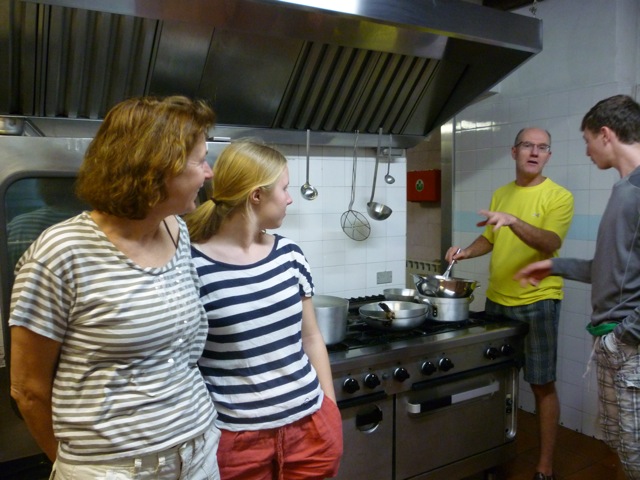
Tiramisu at cooking class in Italy

Our Italiaoutdoors Food and Wine culinary bike trips include cooking classes where we have made the classic Italian dessert, Tiramisu. Tiramisu is a layered dessert of relatively recent origin. There are various stories; some claim it originated in Treviso, at restaurant Le Beccherie, and was named after the maiden name of a daughter-in-law of a famous confectioner. Other stories place its origin in Siena, where it was created to celebrate the visit of Cosmo III. One anecdote places its origin at a brothel, where its’ purpose was to provide a bit of a boost to weary clientele. This may be more legend than fact, but it is certainly the most memorable.

tiramisu cookie ingredients luxury ski holiday italy
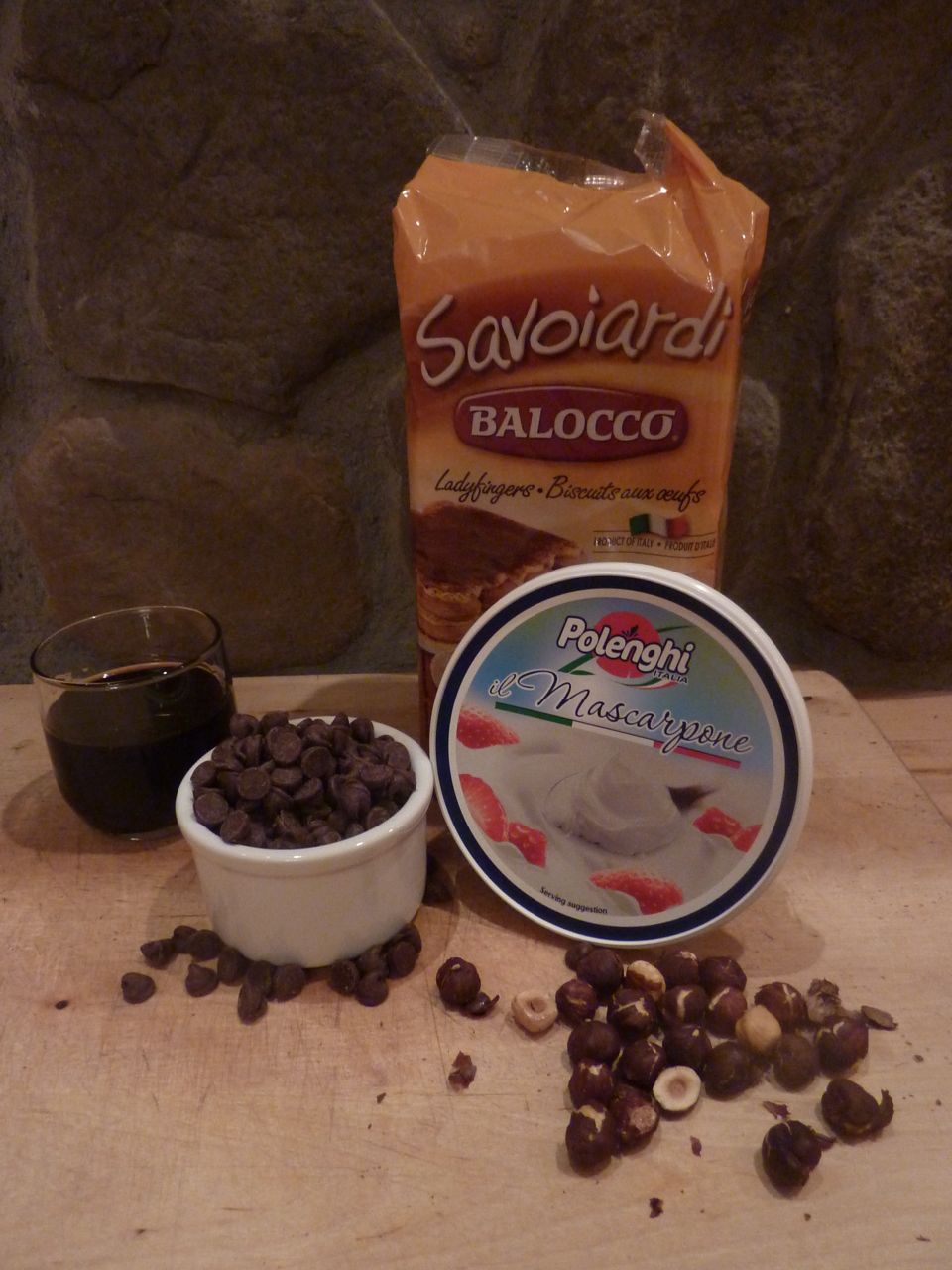
Tiramisu cookie ingredients

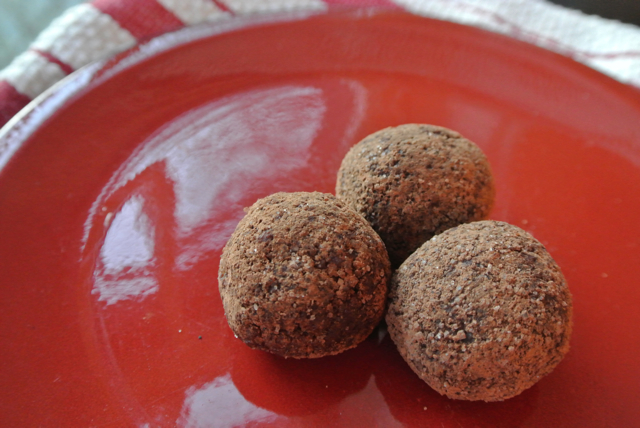
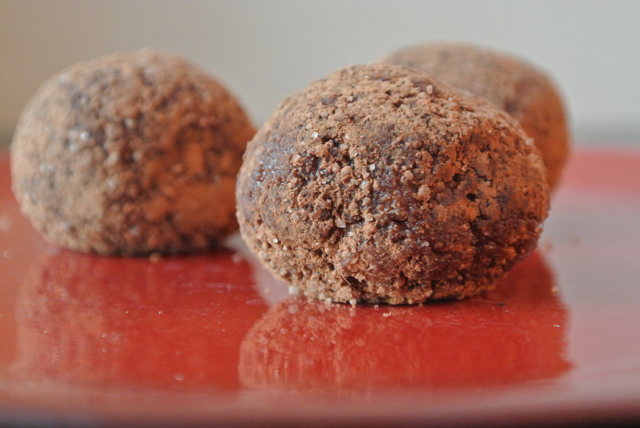
I thought it would be interesting to apply the wonderful flavors found in tiramisu – espresso, coffee liquor, marsala, chocolate, ladyfingers, and mascarpone – to a Brandy Ball type cookie. Coffee, sugar, booze, and chocolate. Not much to go wrong there. I replaced the ground cookies in Brandy Balls with crushed savoiardi (ladyfingers); the brandy with kahlua and marsala and espresso; dusted with cocoa and sugar; and included hazelnuts as the nut.

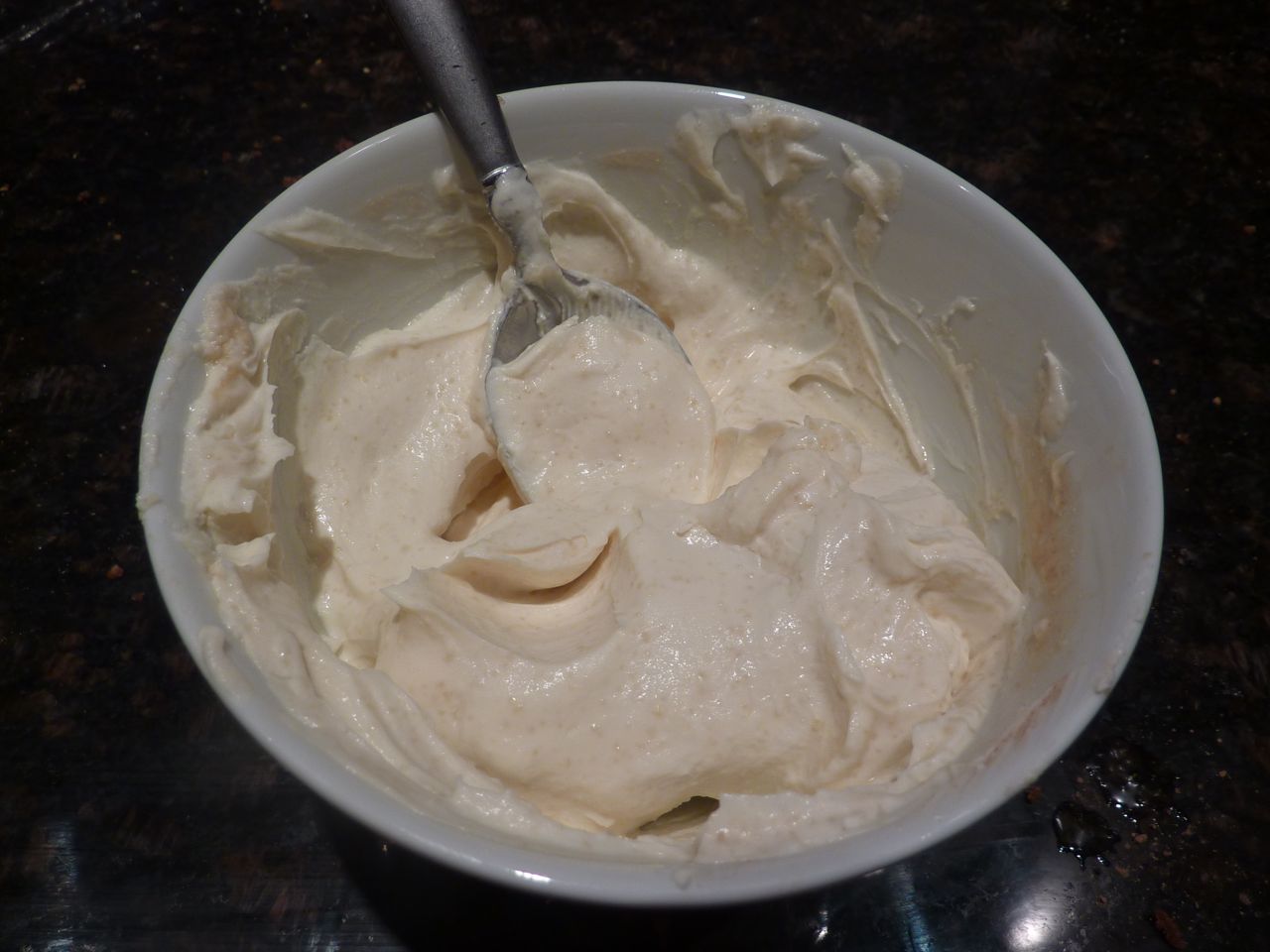
The only thing that was stumping me was how to bring in the mascarpone. Adding it into the mix would require the cookies be refrigerated. I ended up making a light mascarpone icing to top the cookies.

mascarpone icing custom bike tours italiaoutdoorsfoodandwine
Mascarpone Icing

These cookies should keep and actually improve with age, as long as they are not topped with the icing until you are ready to serve them. I don’t have actual proof of this, however, as the batch I made last night is gone. My 15 year old son, who is usually a bit skeptical of my culinary experimentation ate a few too many last night and began bouncing off the walls. Some claim the name (“pull me up” in Italian) refers to the stimulating effect of the combination of coffee, sugar and chocolate, and I now have first hand experience with this. The remaining cookies quickly disappeared after I put them out in the locker room after ski lessons this morning – my ski instructors colleagues seemed to enjoy them as much as my son.

Tiramisu  Cookies

Makes approximately 4 dozen cookies

6 ounces semisweet chocolate chips
1/2 cup plus 2 tablespoons sugar
1/4 cup light corn syrup
1/4 cup kahlua
2 tablespoons dry marsala
1/4 cup espresso or strong coffee
2 1/2 cups finely ground ladyfingers (saiovardi)
1 cup finely chopped, toasted hazelnuts
2 tablespoons cocoa

Optional mascarpone topping: don’t make this until you are ready to serve the cookies.

8 ounces mascarpone cheese
1 tablespoon sugar
1 tablespoon marsala

Place the chocolate in a small non-metal bowl, and microwave in 20 second increments until melted, stirring between each. Stir in 1/2 cup sugar, corn syrup, kahlua, 2 tablespoons marsala and the espresso.

Combine the ladyfinger crumbs and hazelnuts in a large bowl. Add in the chocolate mixture and stir to combine.

In a shallow bowl, mix together the remaining 2 tablespoons sugar and the cocoa.

Roll the dough into 1-inch balls. Roll each ball in the cocoa/sugar mixture. If you are planning on topping them with the mascarpone icing, press down on each ball with your thumb to create an indentation and flatten the bottom. Store in an airtight container. Allow to sit for a few days before serving.

For the mascarpone icing:

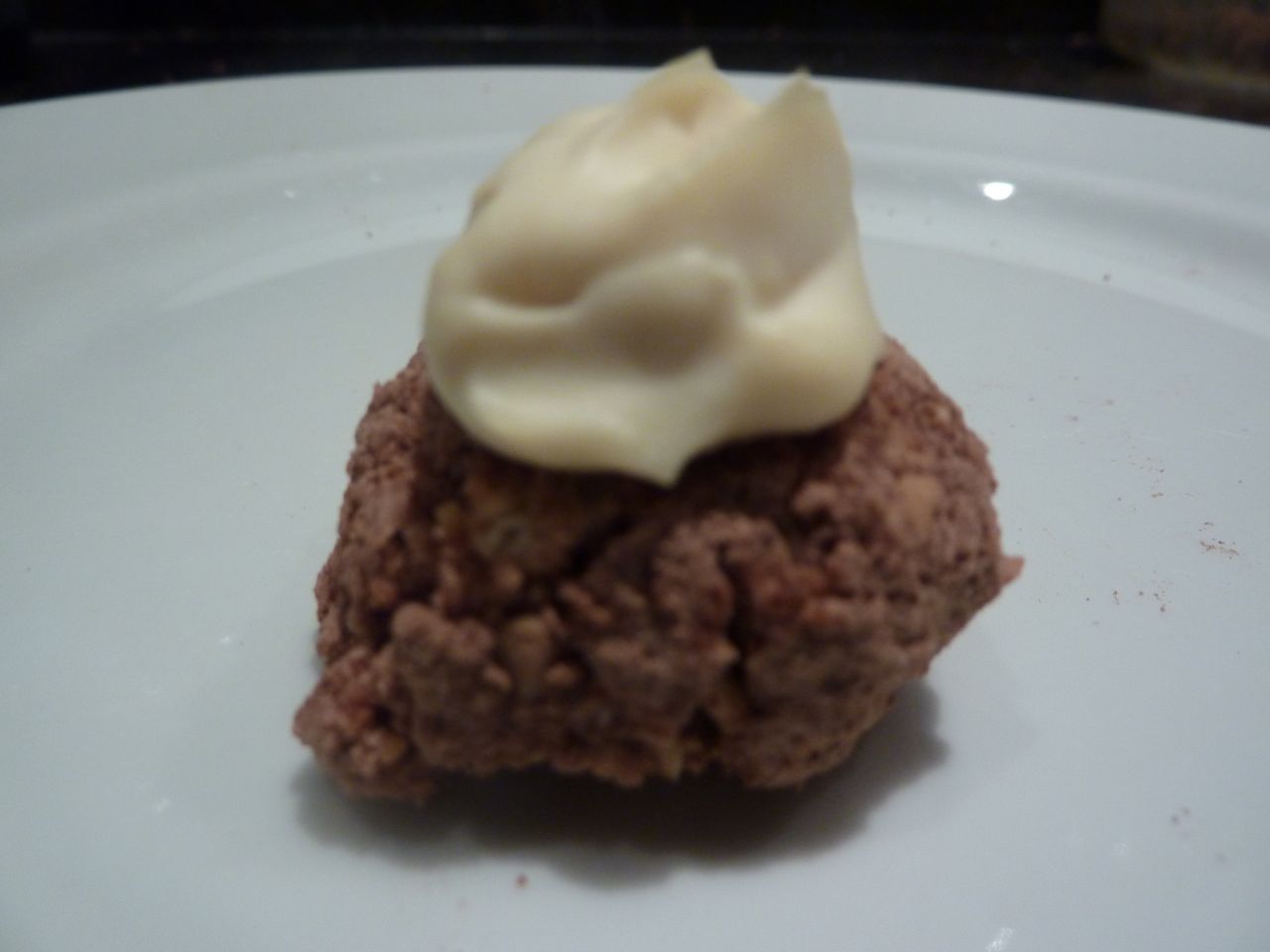
In a small bowl, combine the mascarpone, marsala, and sugar. Top each cookie with a small dollop of mascarpone icing and serve.

cookie with Mascarpone icing bike tours italy italiaoutdoorsfoodandwine
Tiramisu Cookie with Mascarpone
Posted in Christmas, Dessert, Uncategorized | Tagged , , , , , , , , , , , , , , , , , , , , , | 5 Comments

Valpolicella (and a Classic Italian Meat Ragu)

valpolicella vineyards bike wine tours italy italiaoutdoors food and wine
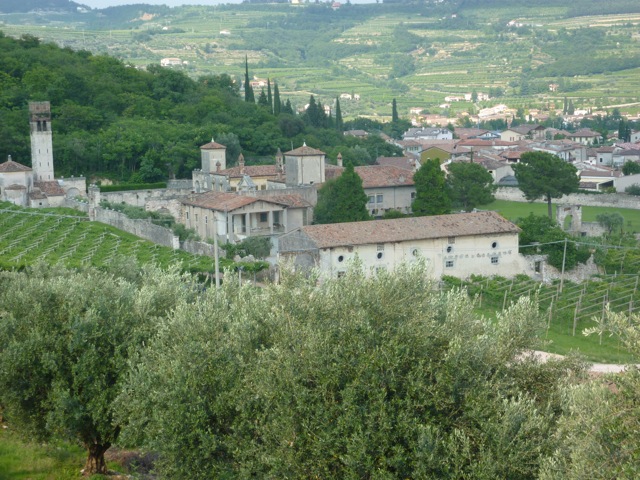
Valpolicella vineyards

My blog is entitled “Northern Italian Food and Wine”, but I have to admit I’ve been negligent in the wine department. I’ll begin here to rectify that. The Veneto region is one of the most productive wine regions Italy, both in terms of quantity and quality of wines. You will find internationally known wines such as Amarone and Prosecco, as well as several equally good but less renowned wine districts such as Colli Euganei and Colli Berici. Today I’ll talk a bit about the Valpolicella wines, a wine that most of us in the US can find in our local shops, but many of us are unfamiliar with it and pass it by in favor of a Tuscan Chianti.

biking through vineyards cycling tours dolomites
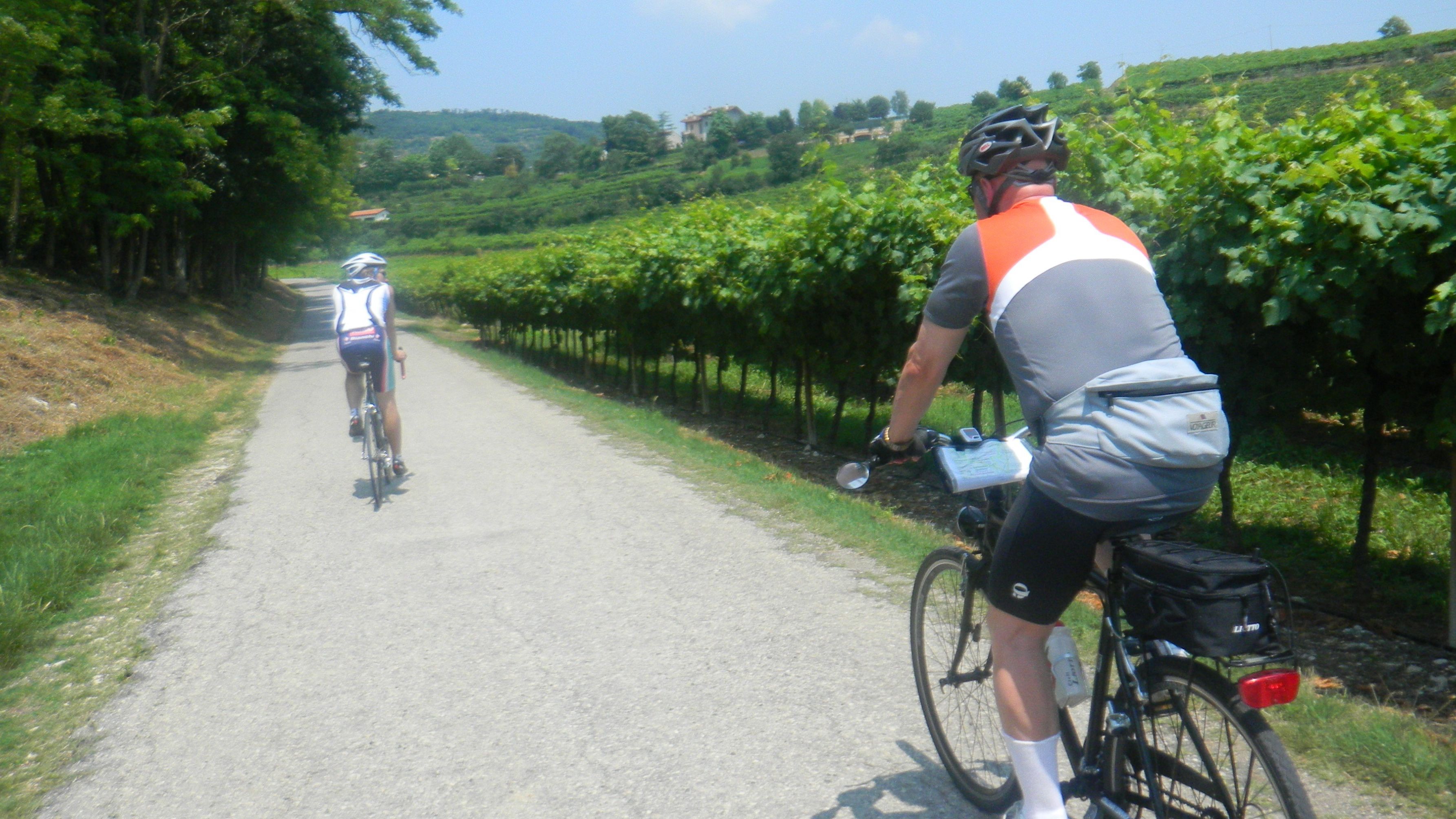
Biking through vineyards

The Valpolicella wine zone is located in the province of Verona, east of Lake Garda, and north of the Adige River. The hills in this region are used for agriculture (predominately grapes, of course) as well as marble quarrying. The volcanic hills and alluvial valleys along the rivers here in this region provided a variety of terroir for the cultivation of wine grapes. My day job, Italiaoutdoors, is introducing a week long bike tour through the wine regions of the Veneto next season, and Valpolicella is a must-see (and must-taste) along the way.

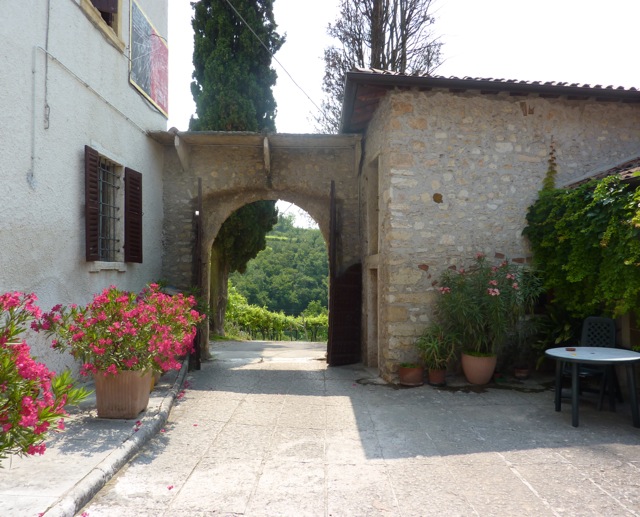
winery in valpolicella custom cycling holidays italiaoutdoors food and wine

Winemaking in Valpolicella dates back to at least the times of the ancient Greeks. The Valpolicella and Amarone tradition of using dried grapes, in which ripened grapes are dried to concentrate the sugars (initially on the vine, but today in well-ventilated rooms),  was known as the “Greek style” of wine production. Roman writers such as Cassiodorus refer to wines from this region, and during the Venetian trading period with the Byzantine Empire, one of the products regularly transported were wines from Valpolicella. The name itself, Valpolicella, comes from Latin and Greek, and means “valley of many cellars”.

Winemaking in Italy in the late 1800s experienced a series of challenges – phylloxera and other blights devastated many grape harvests, and various political upheavals related to Risorgimento (the unification of the many disjointed regions that produced Italy as we know it today) and later, World War I. Valpolicella emerged from all of this in better shape than many other wine regions in Italy. In the 1950‘s, the dried grape Amarone tradition was reintroduced to the area, and in 1968 Valpolicella received its own DOC (Denominazione di Origine Controllata) official quality recognition.

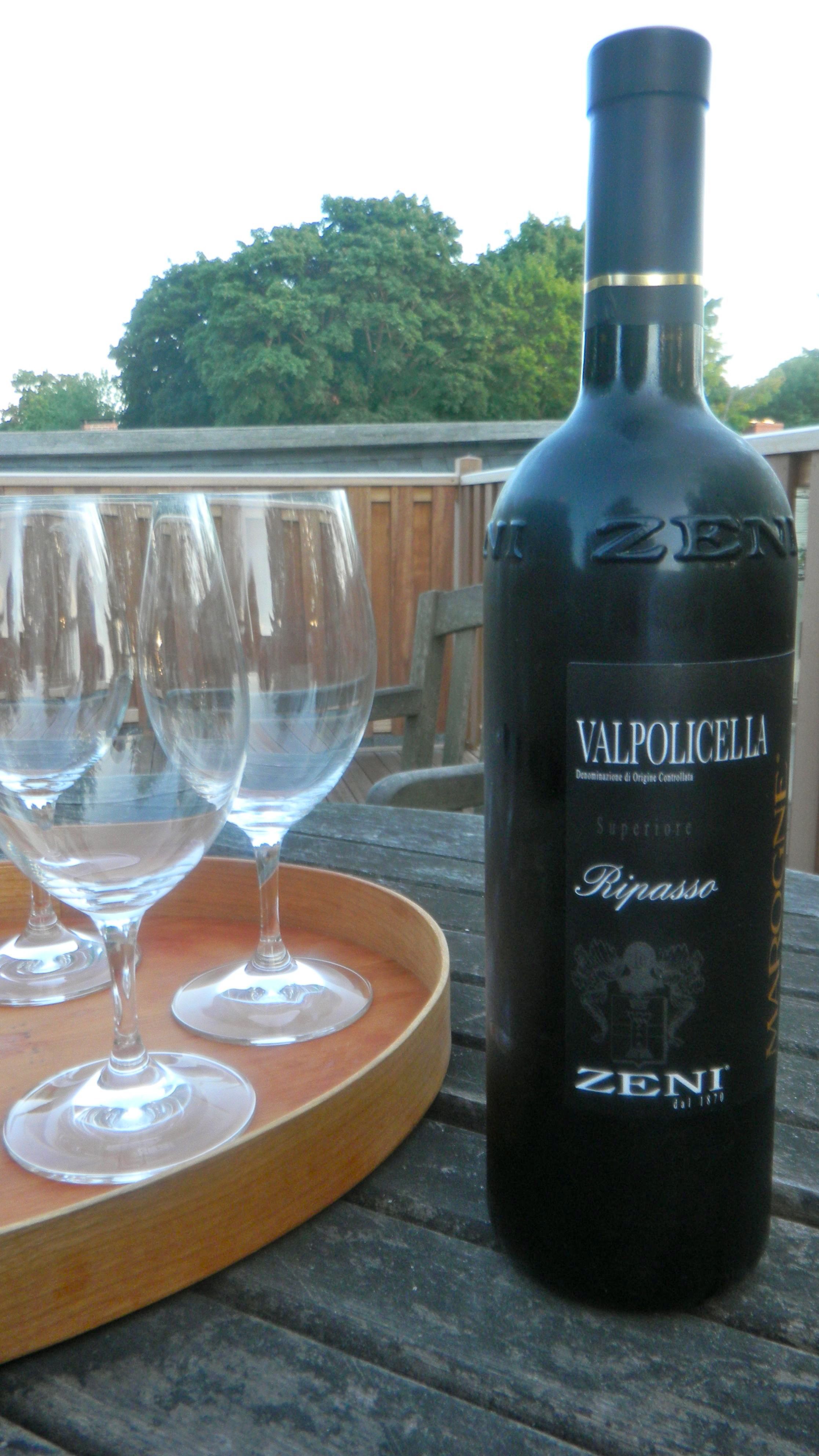
valpolicella wine bike tours italy italiaoutdoors food and wine

The DOC designation did have its downside, as it was accompanied by a large expansion of the vineyards that were to be included in the DOC region. Many of these areas were down on the flat, more fertile plains. Good grapes need to work a bit to survive, and although the yield increased in the plains, the quality of the grapes decreased. Also, the DOC allowed the use of lower quality blending grapes such as Rondinella and Molinara. The costs of growing grapes in the original hillside fields became more expensive, and many of these were abandoned. The result of these trends was a lower quality wine, and the price and sales of Valpolicella decreased accordingly.

This trend was reversed in the 80s and 90s due to the wine industry’s rediscovery of Amarone. The demand for this wine increased significantly, and the grapes used for its production began to command premium pricing. Now, it became profitable again to return to cultivate these high altitude locations, even with their lower yields. The region began to attract new winemakers, who brought with them advanced techniques and improvements in viticulture. These innovations found their way into the production of Valpolicella. Also, in 2003 the DOC elected to do away with the mandatory requirements for blending, so the use of poorer quality blending grapes is no longer necessary.

In December of 2009, the original Valpolicella hillside production zone received the highest quality wine designation available in Italy, the DOCG (Denominazione di Origine Controllata e Garantita.) Today, this DOC ranks second in Italy in total production, behind Chianti.

The predominant grape in Valpolicella wine is the Corvina grape, optionally blended with the following: Rondinella, Molinara, Corvinone, Rossignola, Negrara, Barbera, Sangiovese, even the indigenous grape Oseleta. There are several different styles of Valpolicella wines, ranging from light to full-bodied, dry to sweet to sparkling.

Valpolicella DOC: a lighter bodied wine, similar in style to a Beaujolais, and served young. A tart, sour cherry type flavor, with a lower alcohol level of around 11%.

Valpolicella Classico DOC: a Valpolicella from the ‘classic’, or original hillside vineyards.

Valpolicella Classico Superiore DOC: To earn the Superiore designation, the wine must be aged at least 12 month in wood, and reach an alcohol level of 12%.

Recioto della Valpolicella DOC: The name ‘recioto’ comes from ‘recie’, meaning ears in the local dialect. The ‘ears’ of the grape bunch are those lobes on the top, which receive the most sunlight, and are therefore riper and drier, with more concentrated sugars. These are separated from the remainder of the bunch, and are used to produce this sweet dessert wine. Today, this process is a bit more efficient, as the entire bunch is picked and the grapes are air dried in a room to concentrate the sugars.

Ripasso della Valpolicella DOC: Another new innovation in wine production, introduced by Masi in the early 1980’s. Here, the leftover grape skins and seeds from the Recioto and Amarone fermentation process are added to Valpolicella, and the mixture is allowed to macerate for an extended period of time. Ripasso della Valpolicella wines are fuller-bodied, with a higher alcohol content. Today, most Amarone producers produce a Ripasso wine as well, and the Ripasso wine was also awarded its own DOC status in 2009.

Valpolicella pairs well with cured meats such as prosciutto and sopressa as well as firm cheese like pecorino and grana. It complements pork and veal dishes, as well as pizzas with meat toppings and pastas, polentas and risottos with meat ragus. It also goes well with berries and cherries.

This meat ragu recipe we made during a recent cooking class to top homemade potato gnocchi. It also goes well over any sort of pasta. Open a nice bottle of Valpolicella and enjoy!

Classic Italian Meat Ragu

This is a classic italian meat sauce, which you will see all over the country. Each region will have a slightly different version of it; for example, the Bolognese sauce (from Bologna, of course) uses white wine, and adds cream and milk. I use whatever meat I can find, and believe the more types of meat, the better it tastes. I’ll often cut up leftover steak, or pork, or even chicken and turkey and add it to the mix. It becomes a great way to use up leftover meat.

Serves 4

2 tablespoons extra virgin olive oil
3 ounces pancetta or bacon, diced
1 onion, cut into 1/4 inch dice
1 celery stalk, peeled and cut into 1/4 inch dice
1 carrot, peeled and cut into 1/4 inch dice
1/2 pound ground pork
1/2 pound ground beef
1 cup dry red wine
2 cups beef broth
1 teaspoon tomato paste
1 cup diced canned plum tomatoes
Kosher salt and freshly ground pepper

Heat the oil in a saucepan over medium heat. Add the pancetta, onion, celery, and carrot and cook until softened, about 7 minutes.

Raise the heat to medium high, and add the pork and beef and brown. Add 1/2 cup of the wine, and let it cook down, scraping the bottom of the saucepan to loosen the browned bits as it cooks off. Add 1/2 cup of the beef broth. Allow this to cook off, then add the remaining wine, tomato paste, and another 1/2 cup of the broth. Cook until the liquid is almost gone.

Add the tomatoes and the remaining broth, and simmer for 1 hour. The ragu should be quite thick. Season with salt and pepper and serve over cooked pasta or gnocchi.

Posted in Meats, Pasta, Uncategorized | Tagged , , , , , , , , , , , , , , , , , , , , , | 1 Comment

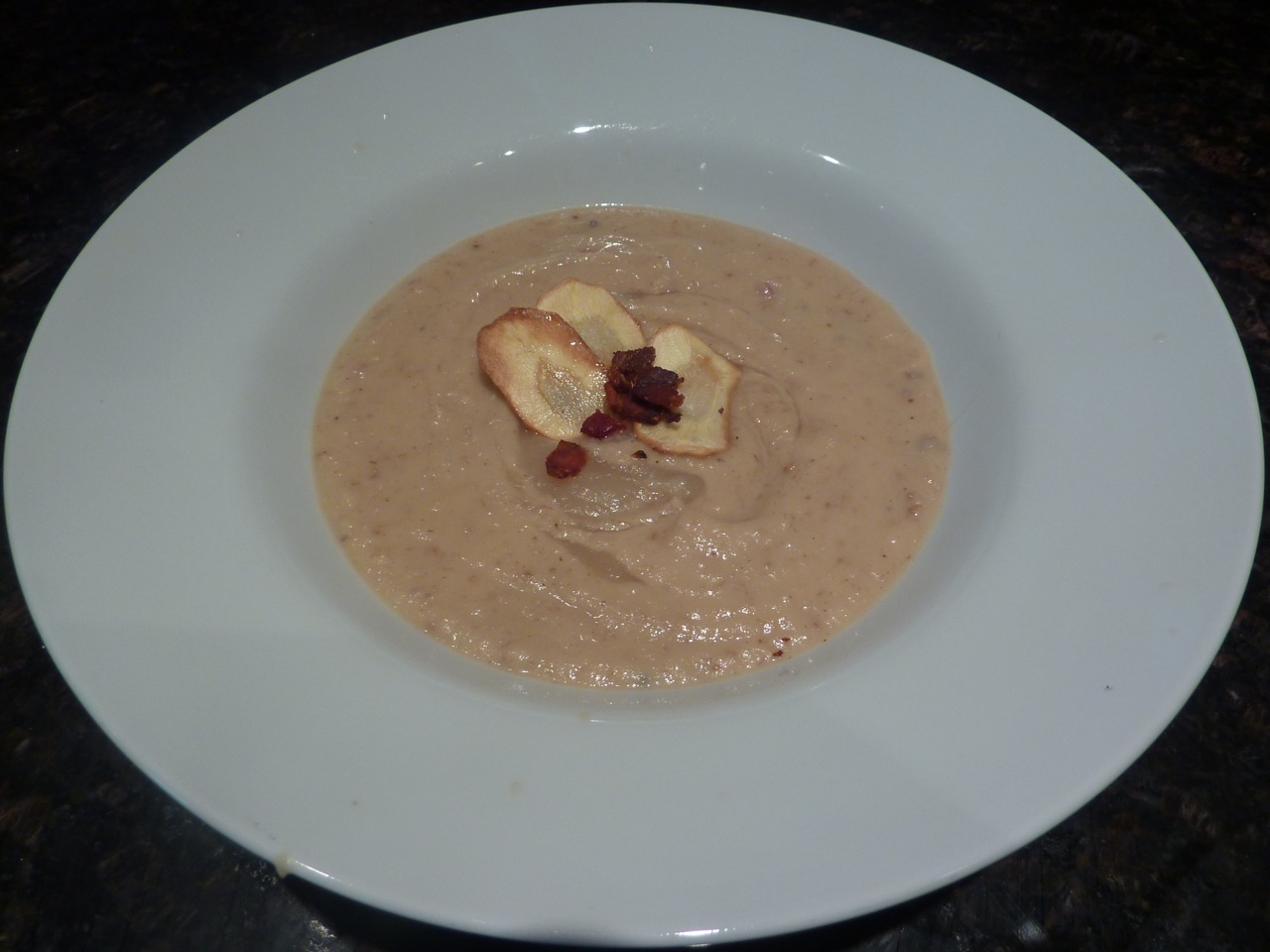
Parsnip Soup with Apple Puree

parsnip soup cycling tours dolomites italiaoutdoors food and wine
Parsnip Soup with Apple Puree

Parsnips are a great root vegetable, white and similar in shape to a carrot, long and tapered. It is a relative of celery root, parsley root, and carrot, and the taste is a combination of the sweetness of a carrot, with the herbal flavors of the celery and parsley roots. It was cultivated in ancient times in Italy; Emperor Tiberius brought them to Rome from France and Germany. However, today parsnips are rarely found on Italian tables. They do need a cold spell to develop their sweetness, and only in Northern Italy does the weather cooperate.

They are cultivated in Emilia Romagna, but rather than playing a role in the local cuisine, they are used as fodder for the pigs in Parma. In this way, this overlooked vegetable contributes to the great flavor of the renowned Prosciutto di Parma of the region.

ingredients luxury villa tuscany italiaoutdoors food and wine
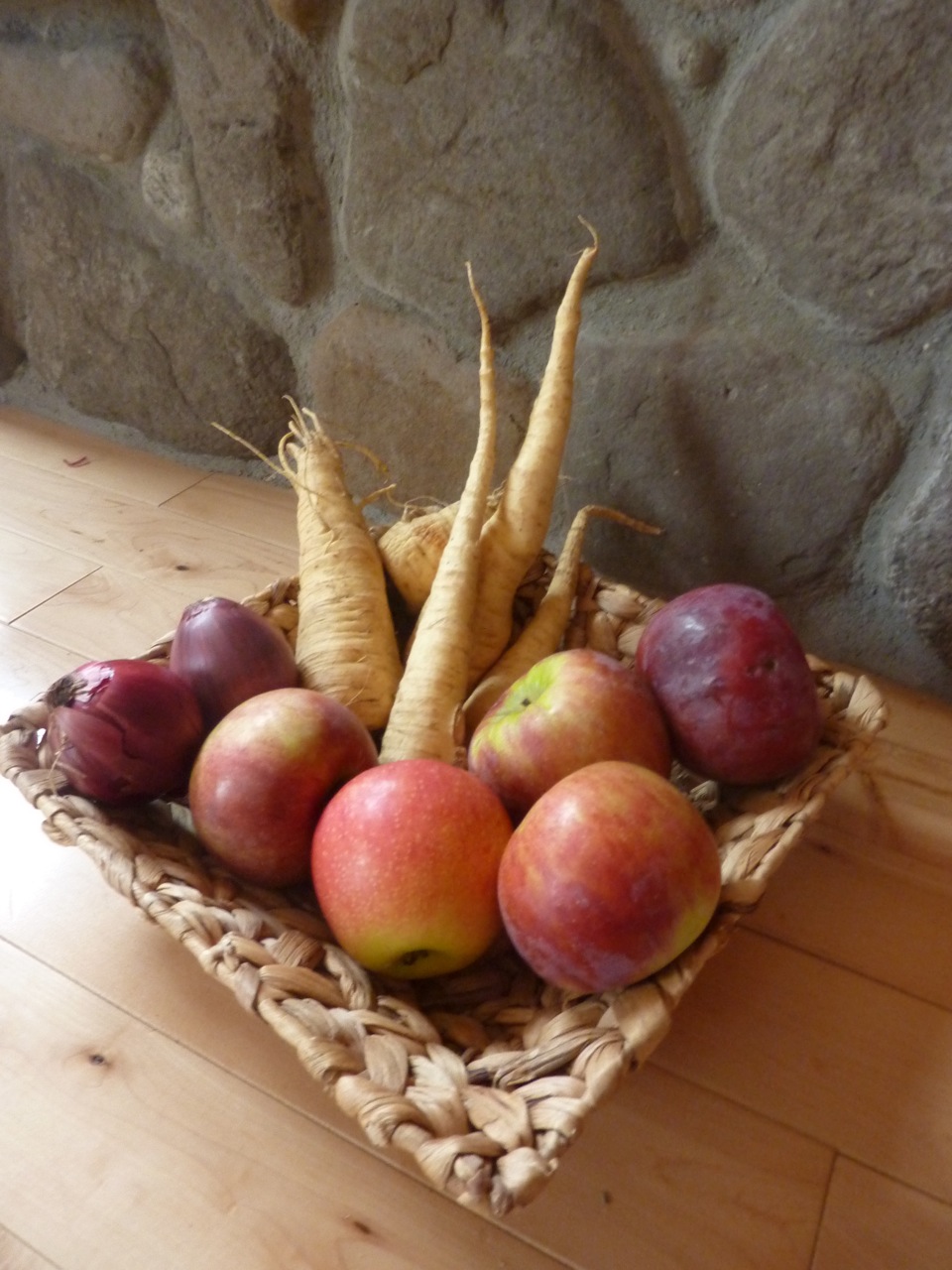
Parsnips and Apples

The Trentino region of Northern Italy, home to the Dolomites and a great area Italiaoutdoors explores either by bike or by visiting the many amazing ski resorts, produces 1 out of every 5 apples eaten in Italy. The apples from the Val di Non have been awarded their own DOP status, an Italian award recognizing the quality assurance process followed by the producers of this product. In this recipe, a large spoonful apple puree (applesauce to most of us American home cooks) is swirled in the soup to add a nice fruity sweetness that pairs well with the vegetal flavors of the soup.

This soup could be made with a variety of different root vegetables, so when you are in Italy and have a hard time finding parsnips, you could substitute carrots, winter squash, celery root, or even a combination. If you are using parsnips, look for small to medium one that are firm, not rubbery. Larger parsnips may have a woody center.

Parsnip Soup with Apple Puree

Serves 4

For the soup:

1 tablespoon extra virgin olive oil
2 slices bacon
1 small onion, chopped into 1/4 inch dice
5 medium parsnips, peeled and sliced into 1/2 inch slices (or 5-6 large carrots, 2 celery roots, 1 large butternut squash, or a combination)
6 cups chicken stock
1/2 cup heavy cream
kosher salt and freshly ground pepper

For the apple puree:

5 apples, peeled, cored and quartered

For optional parsnip chip garnish:

1 parsnip, peeled and sliced very thin
1 cup vegetable oil

Heat the olive oil in a medium stock pot and over medium high heat. Add the bacon and saute until just starting to crisp, about 4 minutes. Remove a spoonful or so from the pan and set aside for a garnish.

Add the onion and saute until softened, about 4 minutes. Add the parsnips and the chicken stock. Bring to a boil, reduce heat, and simmer until the parsnips are tender, about 15 minutes. Remove from heat.

To puree the soup, you can transfer the contents of the pot to a blender in batches and puree. Alternatively, if you have an immersion blender, you can use this to puree the soup in the stock pot it has been cooking in. Add the heavy cream.

At this point, you can adjust the soup to your desired consistency. If it is too thick, add a little water. If too thin, reduce over medium high heat until it is the consistency you prefer. Season with salt and pepper.

For the puree:

Place the apples in a large saucepan and cover with water. Bring to a boil over high heat, reduce to a simmer and cook until the apples are falling apart, about 20 minutes.

Puree the apples, either by scooping them out and placing them in a blender, or with an immersion blender directly in the saucepan. If you have pureed them in a blender, put the puree back in a saucepan. Continue to cook the puree over medium to low heat to eliminate as much of the water as possible, being careful to stir fairly frequently to prevent it from scorching on the bottom of the pan.

If making the parsnip chip garnish, place the vegetable oil in a medium saucepan and heat to 325° over medium high heat. Fry the parsnip slices in the oil until golden brown. Remove to a paper towel, and season with a bit of kosher salt.

Pour the parsnip soup into four warmed soup bowls. Place a large spoonful of the puree in the middle of the soup and swirl it a bit with a table knife. You will have leftover puree, a nice applesauce side to your next pork dish! Top with parsnip chips and a sprinkle of bacon.

Posted in Parsnips, Soups, Uncategorized, Vegetables | Tagged , , , , , , , , , , , , , , , , , , , , , | 1 Comment

Gnocchi Class – Butternut Squash Gnocchi

cooking class culinary bike tours italy italiaoutdoors food and wine

My last post covered the standard potato gnocchi we made at my last cooking class. This one will address one of the myriad of variations that you see in Italy, a pumpkin or squash gnocchi. Although the basic technique is the same, working with pumpkin or squash is much different than potato due to the higher water content. The objective here is still the same, however, to use as little flour as possible to get light and tender gnocchi.

cooked squash cycling tours dolomites italiaoutdoors food and wine
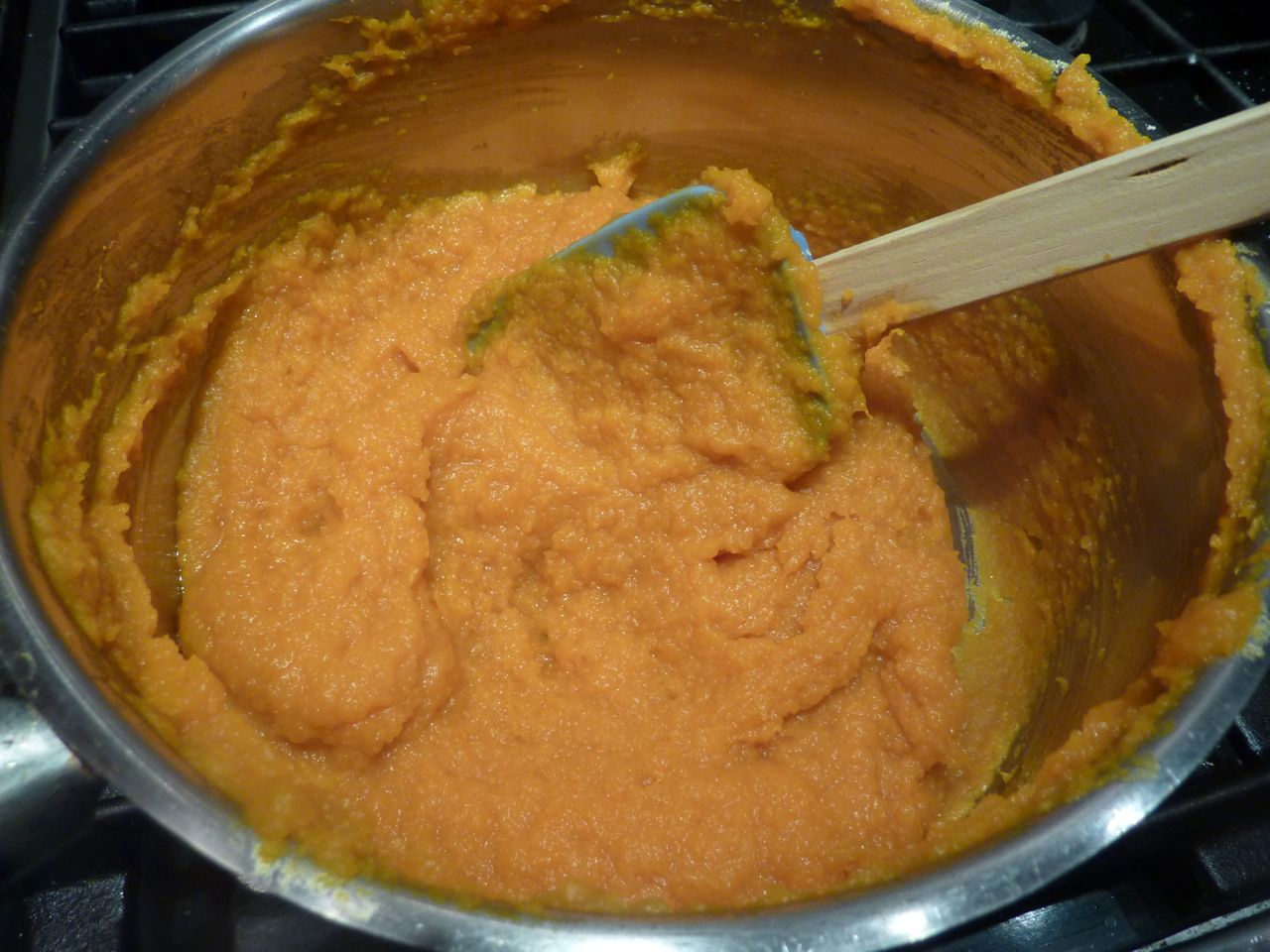
Drying out squash

Winter squash were just starting to appear in the market during our last Italiaoutdoors bike tour of the season, and I arrived home to the US to find them in the local farmer’s market and my CSA. I have a big box of them in my garage now, and I thought using butternut squash rather than pumpkin would be worth a try. The squash, however, is quite a bit wetter than pumpkin so I ended up drying it out in a saucepan over medium heat, keeping a close eye on it to make sure it didn’t brown. This did take a bit of time.

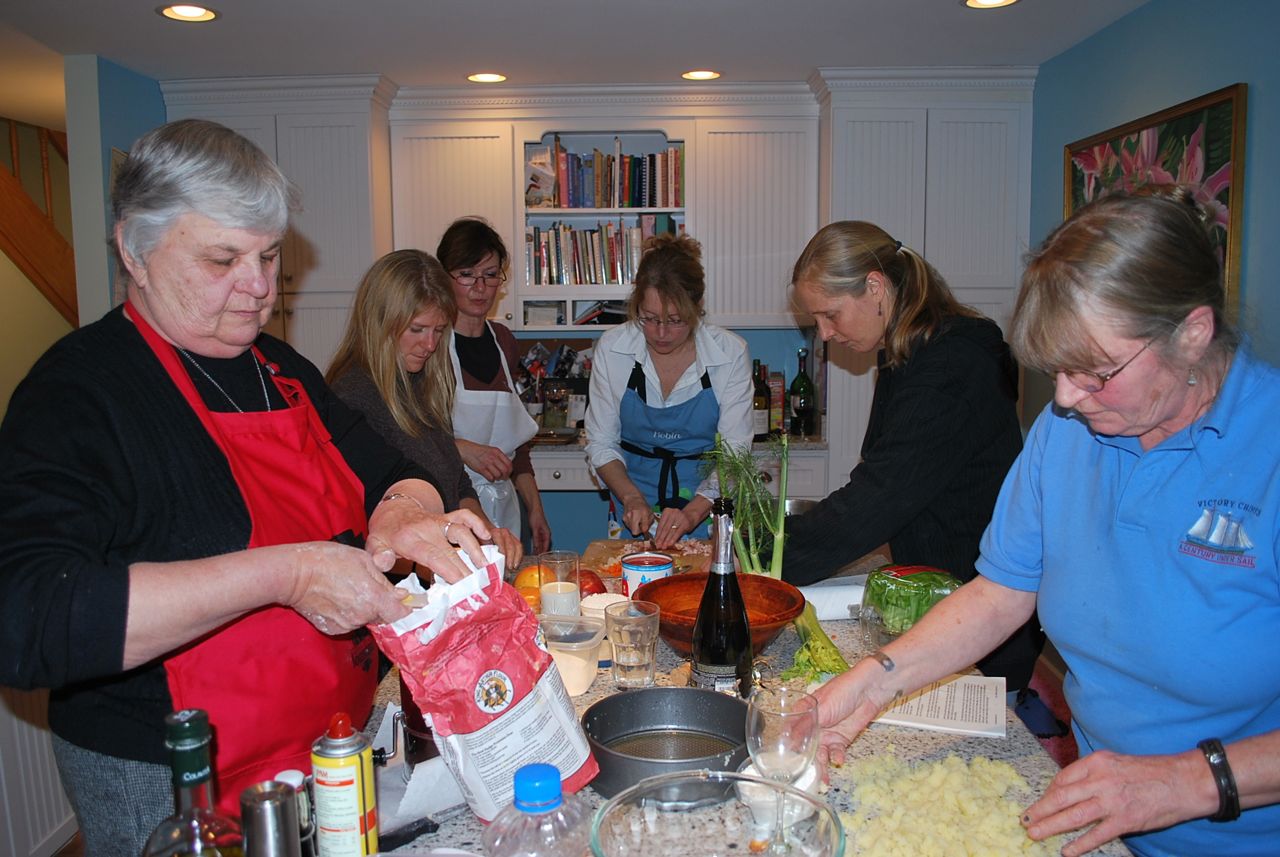
At the class I review the recipes with everyone before we begin. I was asked whether you could ‘cheat’ and use canned pumpkin for the gnocchi rather than roasting the pumpkin or squash. You can, and I’ve supplied below two recipes for gnocchi, one with roasted butternut squash, the other with canned pumpkin. The squash took a bit of effort to dry it out enough to use it; the pumpkin I used straight out of the can. In the pumpkin recipe below, I replaced a bit of the all-purpose flour with buckwheat flour. Buckwheat is found fairly regularly in the northernmost regions of Italy, such as Trentino – we’ll be exploring some of those areas during our ski tours this season. It gives this gnocchi a nice, nutty touch.

gnocchi dough custom bike tours italy italiaoutdoors food and wine
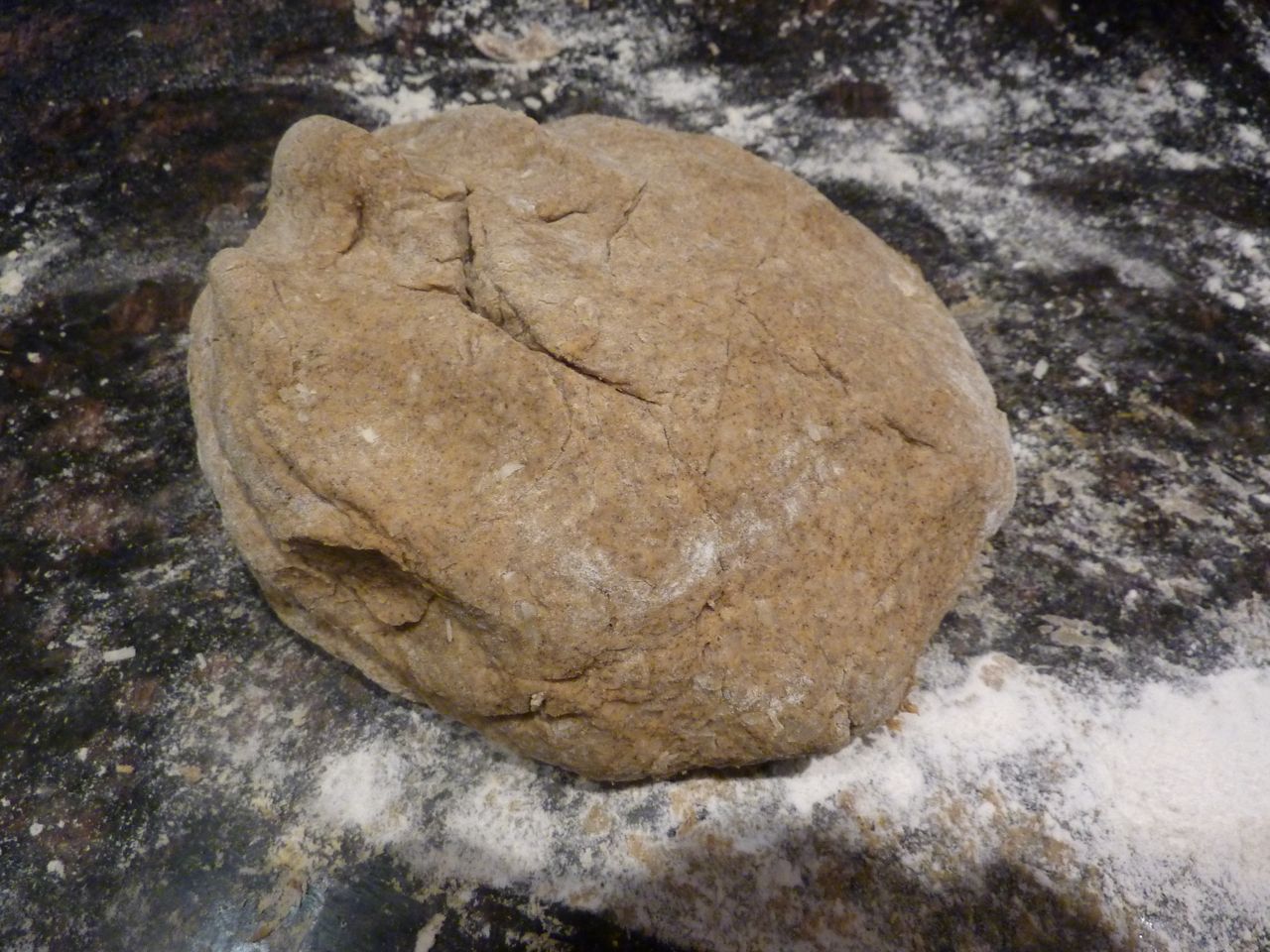
Sticky dough

For both versions, you will end up with a very sticky dough. Don’t be too intent on mixing in enough flour to make it easy to handle; remember the objective here is to add as little flour as possible as we want nice, light gnocchi. Be a little generous with using flour on the outside to allow you to handle the dough, but refrain from mixing it through. The interior should remain quite sticky, too sticky to handle easily. But I find that if I divide the dough into smaller pieces when I am rolling it into logs, and continue to use flour to coat the outside, I can form the gnocchi even though the interior is still quite moist.

Two recipes for gnocchi follow, as well as two ways of using them, one a mascarpone sauce, the other a baked gratin dish. A simple browned butter sauce with almonds would work as well. And both the mascarpone sauce and the baked gratin can be made with pasta rather than gnocchi.

squash gnocchi ski holidays dolomites italiaoutdoors food and wine
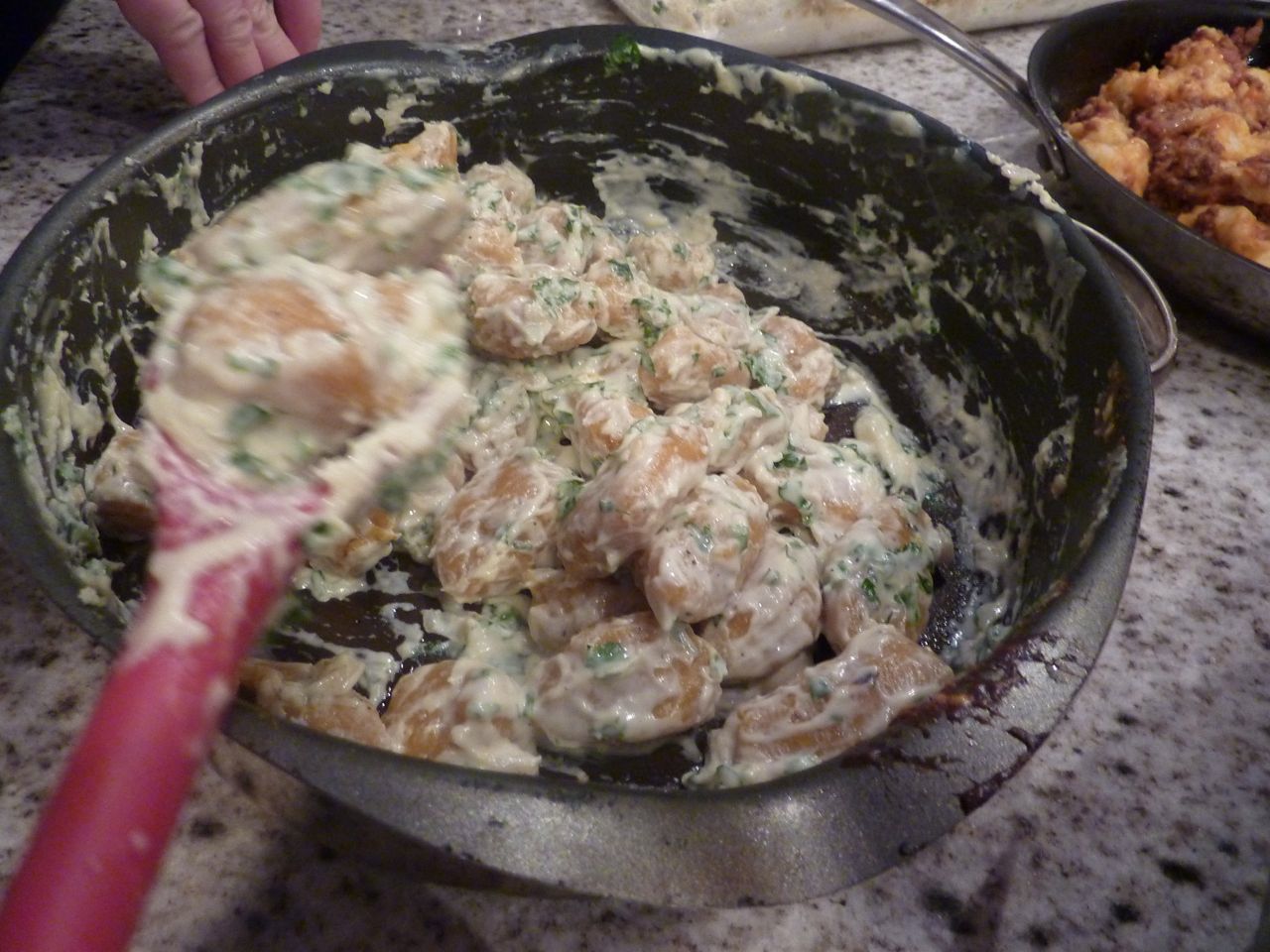
Butternut Squash with Mascarpone

Butternut Squash Gnocchi with Mascarpone Sauce

Serves 6 as a side

For the gnocchi:
2 1/4 pounds pumpkin or butternut squash
3/4 cup unbleached all-purpose flour, plus extra for dusting
1/4 cup freshly grated Parmigiano Reggiano
kosher salt
1/8 teaspoon freshly grated nutmeg
For the sauce:
2 shallots, minced
2 tablespoons unsalted butter
1/2 pound mascarpone
1/2 cup freshly grated Parmigiano Reggiano
kosher salt and freshly grated pepper
1 tablespoon minced flat-leaved parsley

To make the gnocchi:

Preheat the oven to 400°. Bring a large pot of water to boil over high heat. Season with salt.

Cut the squash in half lengthwise and scrape out the seeds. Lay skin side up on a baking sheet and bake for 40 minutes, or until tender. As soon as you can handle them, remove the skin, cut into large pieces and pass through a ricer. If the squash is wet, cook it in a saute pan, stirring frequently, until it is thickened. It should be the consistency of canned pumpkin.

Pour onto a counter. Add the flour, Parmigiano, salt and nutmeg, mix quickly into a dough. It should be pretty sticky. but you should be able to handle it when it is dusted with flour. Take a piece the size of a large olive and drop it in the boiling water. It will fall to the bottom, then rise to the surface. If it breaks up, you will need to add a bit more flour to the dough. Knead it in quickly and test again. Once it holds together, you can form the gnocchi.
Divide the dough into 4 pieces. Roll each piece into 1/2 inch log. Cut into 1 inch long pieces and place on a floured sheet pan to keep them from sticking to each other. If they are not to be eaten immediately, you can freeze them at this point.
Drop the gnocchi into the boiling water in batches. As they rise to the surface, allow to cook a few more seconds, then remove with a slotted spoon. Place on a clean sheet pan.
To make the sauce:
Saute the shallots in the butter for 3 minutes. Fold in the mascarpone, parmigiano, salt and pepper. Add the gnocchi. Cook over high heat, stirring, for 1 minute. Garnish with the parsley and serve.

buckwheat squash gnocchi europe cycling tours italiaoutdoors food and wine
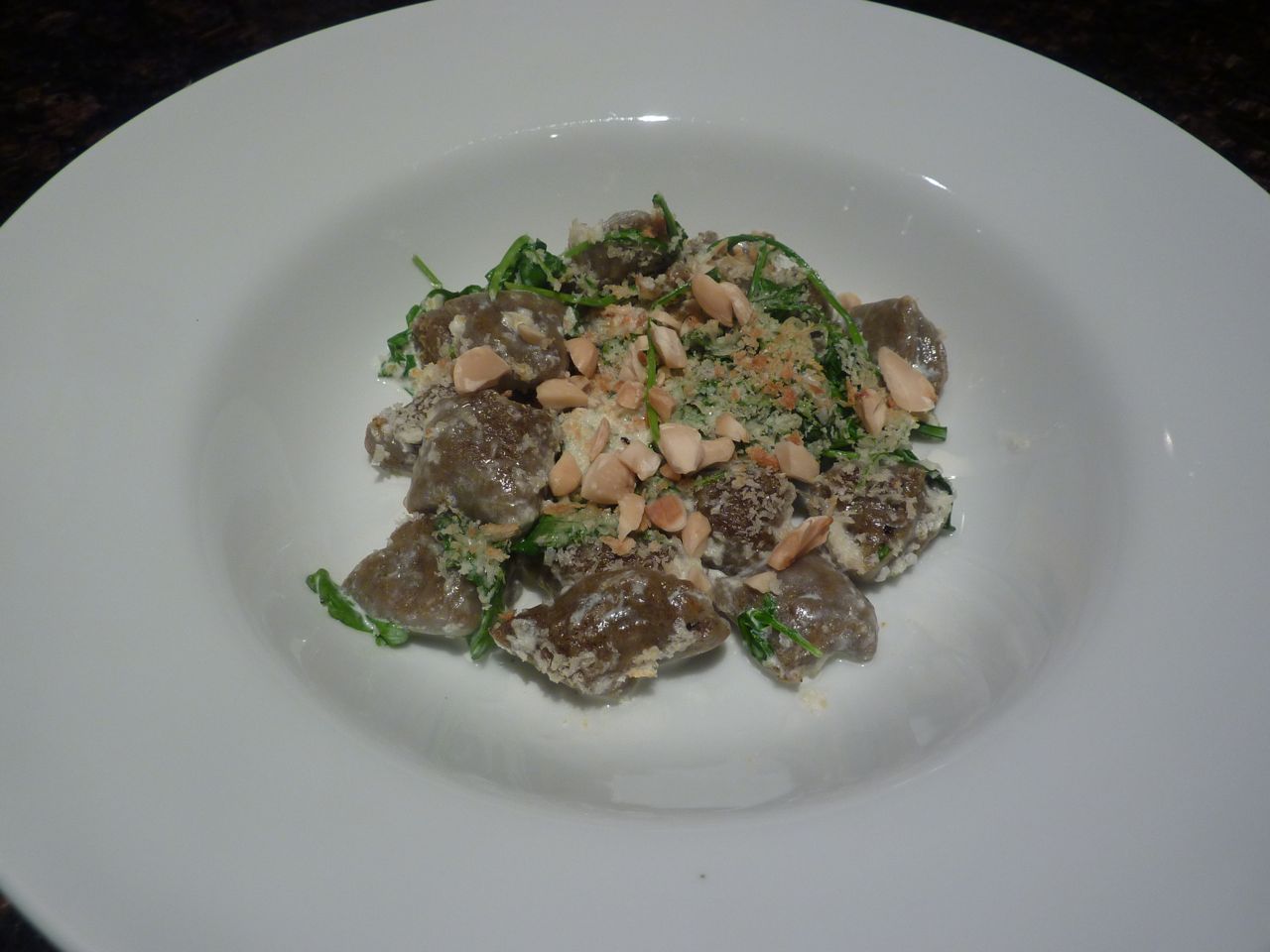
Pumpkin Buckwheat Gnocchi Gratin

Pumpkin Buckwheat Gnocchi Gratin

Serves 4 as a side

For the gnocchi:
1 15 oz. can pumpkin
1/2 cup buckwheat flour
3/4 cup all-purpose flour, plus more for dusting
1/2 cup grated parmigiano reggiano
2 teaspoons kosher salt
1/2 teaspoon nutmeg

For the gratin:
1 tablespoon butter
1 1/2 cups light cream
2 cups arugula
Kosher salt and freshly ground pepper
1/2 cup grated parmigiano reggiano
1/2 cup panko or bread crumbs
1/4 cup almonds, coarsely chopped

Bring a large pot of water to a boil. Season with salt.

Preheat the broiler.

Place all of the ingredients in a bowl or directly on the counter and mix together. You will have a very sticky dough. Place the dough on the counter, and using flour to keep it from sticking, form it into a large ball. You want to use as little flour as possible to keep the gnocchi light and tender, so don’t work the dough too much as it will continue to absorb flour. Coat it with just enough flour to allow you to handle it.

Take a grape-size piece of the dough and place it in the boiling water. It should sink, and then float to the surface. If it breaks apart, you will need to add more flour to the dough. If it sinks and then floats, you can form the gnocchi.

On a floured counter top, take about 1/4 cup of the dough and, using the palms of your hands, roll it out into a 1/2 inch (thumb size) log. The dough will be quite sticky, so you will need to coat your hands with flour. As this particular gnocchi dough is quite sticky, it is easier to do this if you do it in small amounts. Cut the log into 1 inch lengths and place the individual gnocchi on a floured sheet pan. Continue to shape all of the dough into individual gnocchi.

Working in batches so as to not overcrowd the pot, place the gnocchi in the boiling water. They will sink, and then rise to the surface when they are done; scoop them out with a slotted spoon and place on a clean sheet pan. At this point, they can be frozen if you are not using them immediately.

Coat the bottom and sides of a 13×9 baking dish. Place the gnocchi in the dish. Heat the cream in a medium saucepan until just simmering; add the arugula and cook just until wilted. Season with salt and pepper. Pour the cream mixture over the gnocchi, then top with the parmigiano reggiano and bread crumbs. Place under the broiler until the cheese and crumbs are golden brown. Top with chopped almonds and serve.

Posted in Mascarpone, Pasta, Pumpkin, squash, Uncategorized | Tagged , , , , , , , , , , , , , , , , , , | 1 Comment