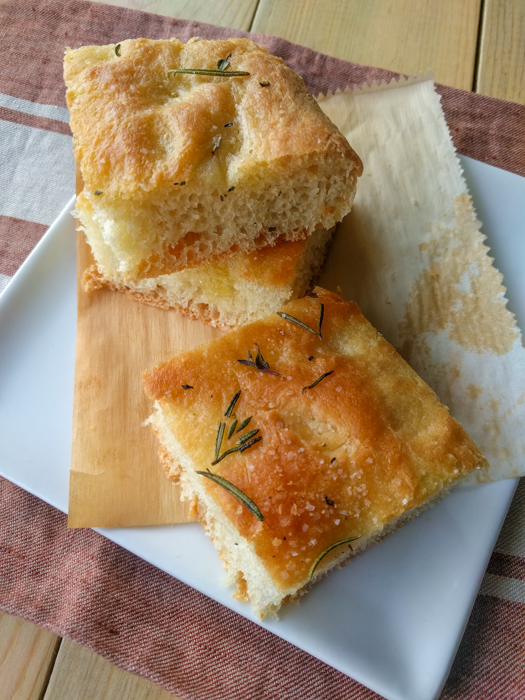
 Who doesn’t love focaccia? A leavened flat bread with seemingly unlimited variations, everyone can find a favorite. This season as we visited Vicenza on a cycling tour and later on a walking tour we made focaccia with a true Italian chef. Prep took 10 minutes max, two hours to rise, then bake and we had ourselves a real treat, focaccia fresh from the oven, topped simply with rosemary and olive oil.
Focaccia bread originated thousands of years ago in Ancient Rome. Called panis focacius, it was a leavened flat bread baked on the hearth, or focus. The basic recipe is thought by some to have originated with the Etruscans or ancient Greeks.
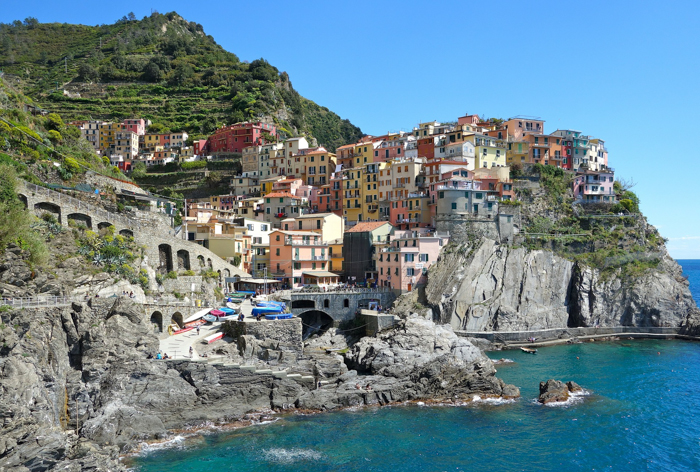 Today focaccia is found throughout the Italian peninsula, but it is primarily associated with Ligurian cuisine, as the olive oil in the bread helps keep it from spoiling quickly in the salt air and humidity of this coastal region. As we enjoy a walking tour in Cinque Terre, we visit many small towns that dot the coast of Liguria, each isolated and each with their own variation this flat bread. Focaccia Genovese is the most common, topped simply with a mixture of olive oil and water, and salt. It is enjoyed throughout the day, for breakfast with your cappuccino, as an afternoon snack, or in the dinner bread basket.
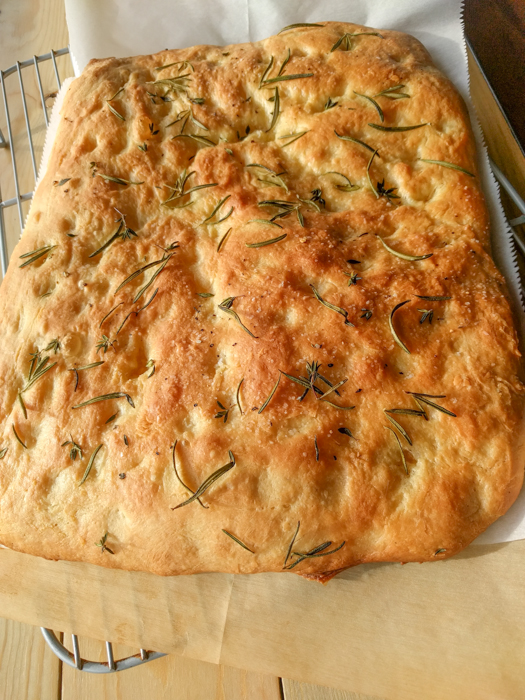 Some versions are fluffy and cake-like, thanks to a bit of potato in the dough. The other extreme may be the Focaccia col Formaggio (“focaccia with cheese”) from Recco, near Genoa. This version bears little resemblance to what we know as focaccia, consisting of a cheese filling sandwiched between two layers of paper-thin dough. It is being considered for European Union PGI status.
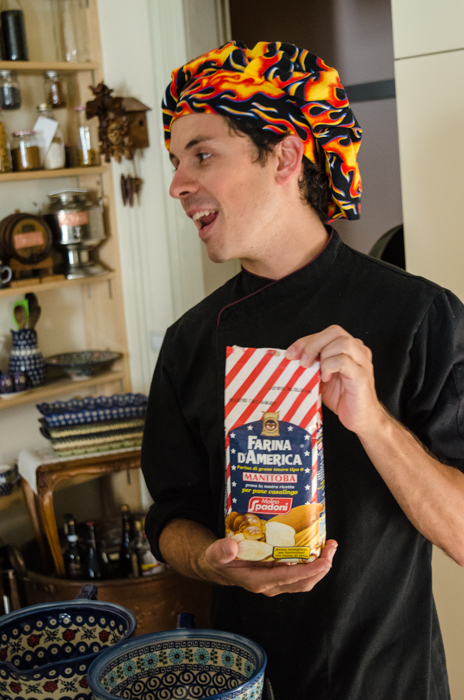 Below is the recipe we made with Luca in our cooking classes (here is a link to Lucas’ web site.) I like to discuss with our Italian chefs the differences between ingredients we find in Italy and those we’ll find back in the US, so our guests can recreate the experience back in their own kitchen. Typical Italian flour “00” is made from softer wheat than our all purpose flour, and is very fine. It is not ideal for bread. In Italy, the best flour for bread making actually comes from Manitoba, Canada. Luca points out that the importers of this product seem to think, however, that Manitoba is in the US, as they call it Farina d’America and package it in red, white and blue stars and stripes. Back home in the USA, it turns out quite well with either all purpose flour or bread flour.
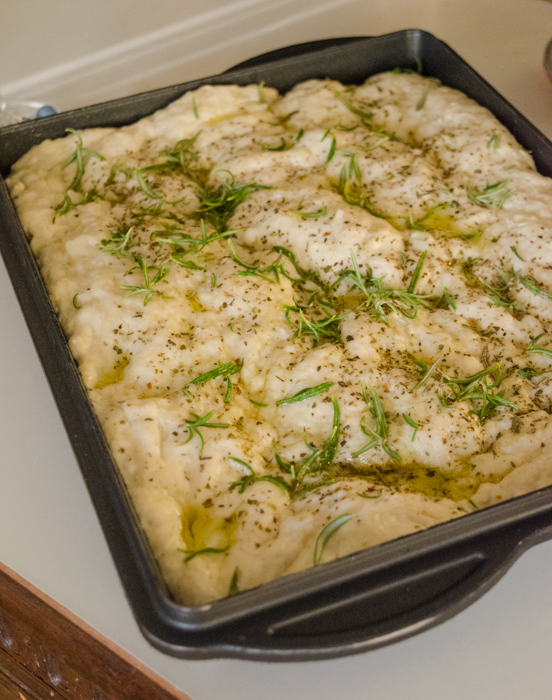 Focaccia con Rosemarino
1 package dry yeast (2 1/4 teaspoons)
1 tablespoon of sugar (optional)
1 cup of warm water
2 cups of bread flour
1/2 cup of olive oil
1 1/2 tablespoon kosher salt
Rosemary
Oregano
Pepper
In a big bowl, dissolve the yeast and the sugar in the warm water. If you have not used your yeast recently, you may want to test it to make sure it is still active – to do this, dissolve it in just a couple of tablespoons of the water and allow to sit for 10 minutes or so. If it is bubbling a bit at the end of the 10 minutes, add the rest of the water and continue. If not bubbling, you need new yeast!
Add 1 1/2 cups of the flour and 1 tablespoon of the salt into the bowl, and with a strong wood spoon, mix the water into the flour. Continue to mix for about 1-2 minutes.
Add the other 1/2 cup of flour and mix to form a stiff dough. Knead the focaccia dough in the bowl for about 3 minutes, mixing very well. Add 1/3 cup of olive oil to the dough. Using your hands, squeeze the olive oil into the dough for about a minute. Any extra oil a the bottom of the bowl you will later pour on the top of the dough.
Make a ball with the dough, and put the dough in a sheet pan lined with a sheet of parchment paper. Spread the dough with your hands into rectangle, about 1/2 inch thick.
Using your fingers, make little indentations all over the dough – this is what they do in Genova! Pour the rest of the olive oil on the top of this, the oil will pool and fill the small holes you made with your fingers. Cover with plastic wrap and let the focaccia rise for about two hours.
Preheat the oven to 400°F.
I sometimes repeat the poking of the dough after the rise, if the indentations have disappeared during the rise, and perhaps add a bit more olive oil. Sprinkle with the remaining salt, the rosemary, the oregano and the pepper. Bake for about 30 – 40 minutes, until nicely golden brown. Keep your eye on the bread so it doesn’t over bake and turn into a rock. Enjoy!!
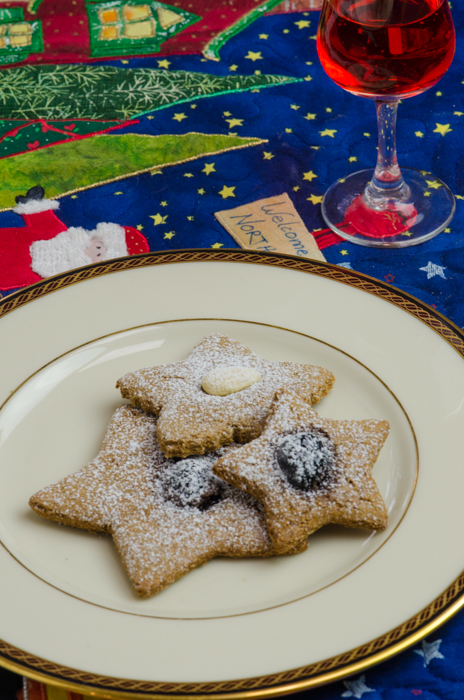 Lebkuchen is a traditional German baked Christmas treat, similar to gingerbread. It is a classic Chrismas treat in the Trentino-Alto Adige region of Italy, reflecting the area’s history as part the Austrian-Hungarian Empire until after World War I.
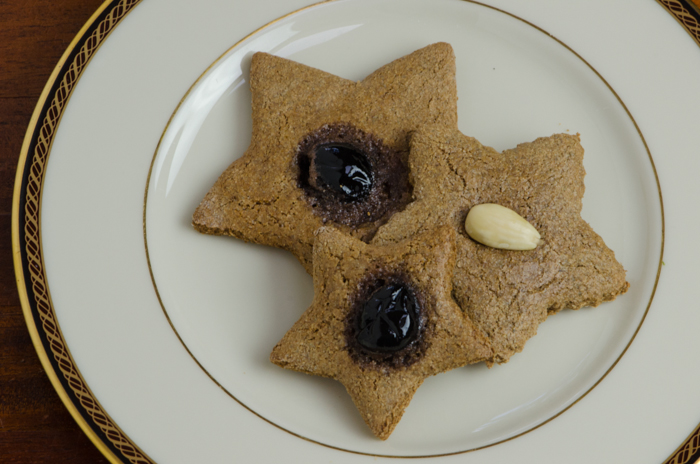 There are many traditional German recipes for this treat, but I worked with several specifically from Sudtirol. The main source for this recipe is a book put out by the Sudtirol Tourism Office entitled “Alpine Flavors – Authentic recipes from the Dolomites, the heart of the Alps”. Not only does this have recipes from some of my best-loved regional dishes, but there are plenty of wonderful photos of this spectacular area, a favorite destination for both our
 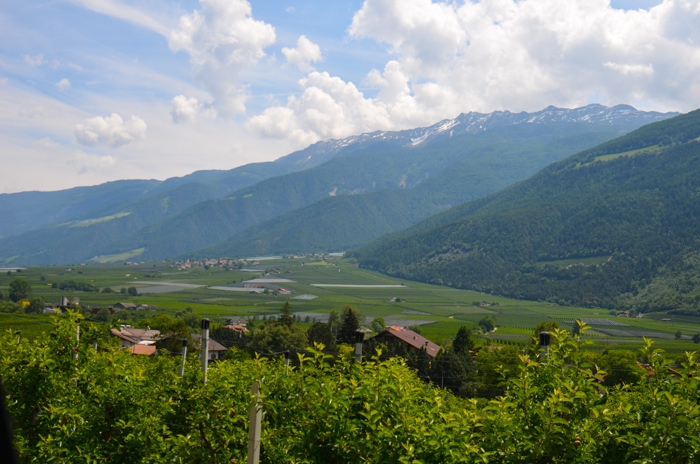 In addition to this source recipe, I found several other versions from Sudtirol that call for rye flour. Rye is native to the northernmost regions in Italy, from the Valtellina valley in Lombardy, near Alanga in Val d’Aosta, and is still used extensively in Trentino-Alto Adige, thanks to the regions Austrian heritage. The valleys and farmsteads of this region are found at relatively high altitudes and rye was the grain that adapted best to these conditions.
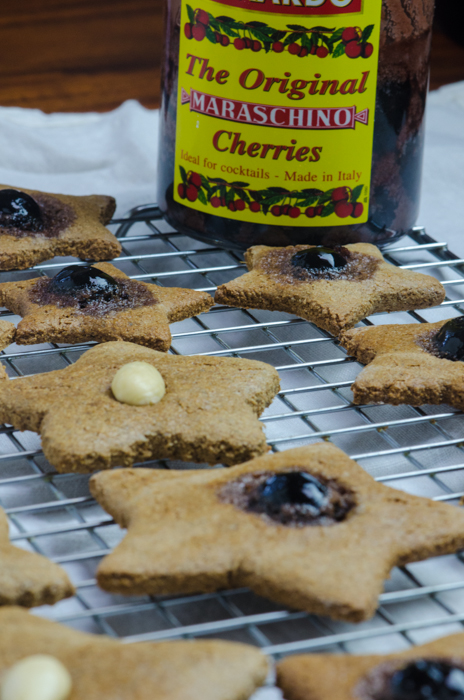 The many recipes I researched called for vastly different amounts of flour, ranging from very wet batters that are spooned out onto little non-stick paper disks to dough that is rolled out and cut with cookie cutters. This recipe is the latter; rye flour is low in gluten and makes a sticky dough. Keep the mixer on low speed so the strands of gluten you do get don’t break. I’ve suggested a range of flour amounts, start low and add flour until you get a consistency that you can roll out. The final amount will depend upon the size of your eggs, the type of rye flour, and the relative humidity.
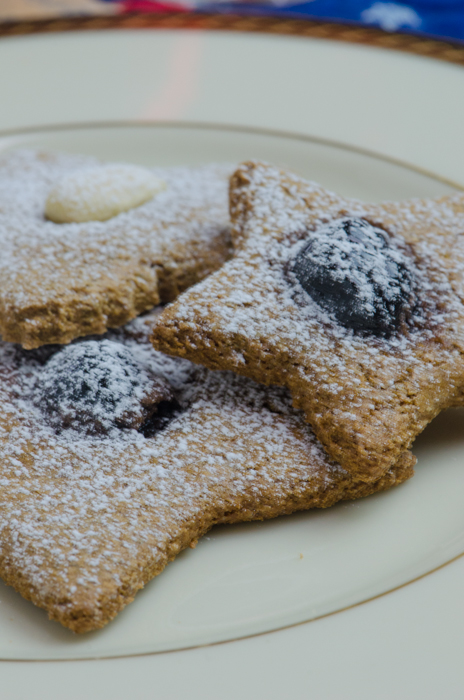 According to “Alpine Flavors”, “Christmas Eve is an excellent time to enjoy the lebkuchen with a Moscato Rosa: the wine will glisten in the glasses at least as brightly as the Christmas tree decorations or every child’s spellbound eyes.” When Prince Henry of Campofranco moved from Sicily to Caldaro in 1851, he brought cuttings of Moscato Rosa along with him. Today, this grape is used to produce a full-bodied, aromatic, and complex dessert wine with its intense perfume of roses. Moscato Rosa is temperamental to grow and produces only minimal yields of naturally sweet grapes that are fermented like a red wine, producing a bright naturally sweet rose wine when the grapes are ripened appropriately.
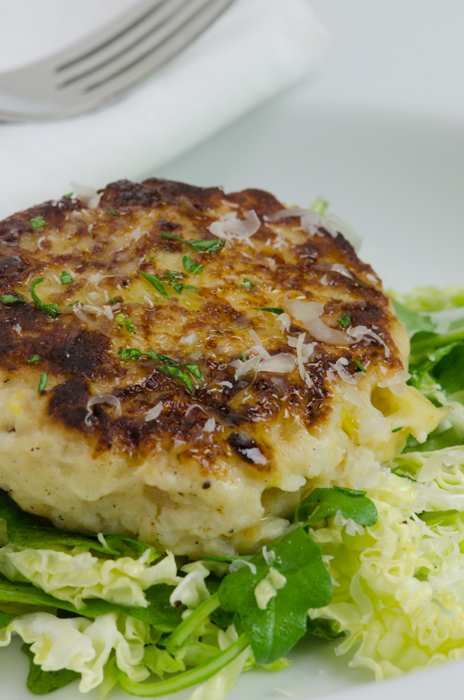 Our favorite evening during tours through
 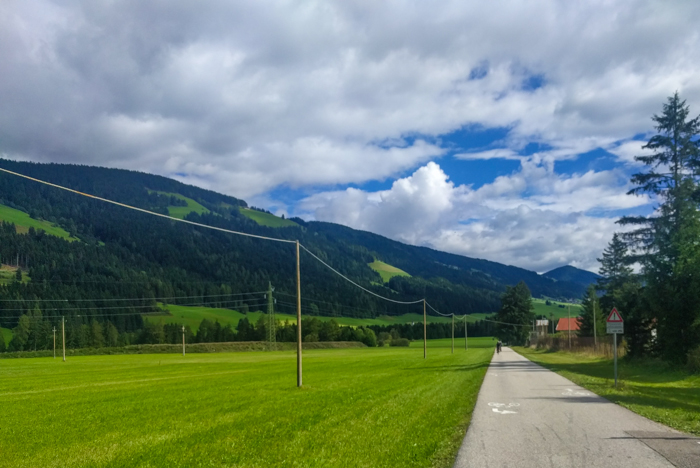 A dish of humble origins, there are numerous variations as a wide range of seasonal ingredients are used, and they can be served as a first course, side dish, or even a dessert. Legend has it that the dish was invented by an innkeeper’s lady to satisfy passing mercenaries. She kneaded the few remaining ingredients from her pantry to form balls of dough that she boiled in water. In the country homes South Tyrol, canederli were always part of the weekly menu although speck and wheat flour versions were Sunday and feast-day specialties.
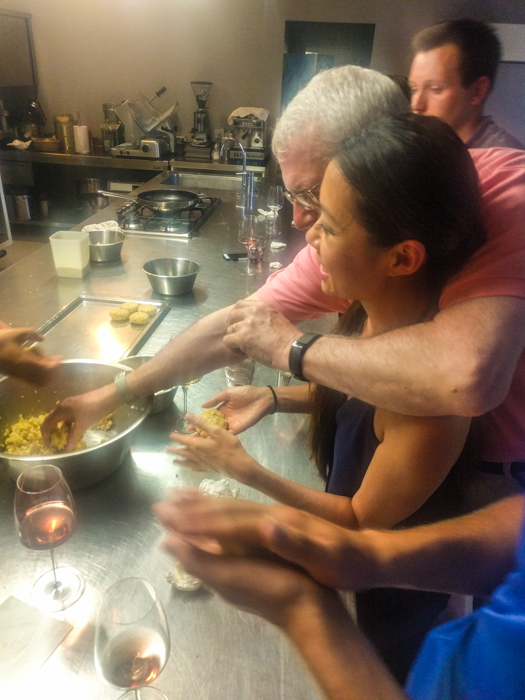 The version Michael showed us incorporated a very interesting local cheese, Graukäse. A cheese of ancient origin, a sort of primordial cheese as described by Slow Food, it belongs to the family of sauerkase, the acid coagulation cheeses that do not involve the use of rennet. Graukäse is made between June and September, with the milk that has been skimmed for the production of butter. This was traditionally made using raw milk, and as cheese production has moved to larger dairies which use pasteurized milk and ferments, this cheese has become hard to find. The Slow Food Presidium of Graukäse of the Ahr Valley wants to promote the recovery of this craft cheese, and resume the original traditional technique which produces a single cheese a day, using raw milk from local farms. The traditional technique includes aging for 2-3 weeks on fir shelves, then a cold aging period of 12 weeks, during which the cheese develops a coating of grey-green mold, giving rise to the name Graukäse, or grey cheese in German.
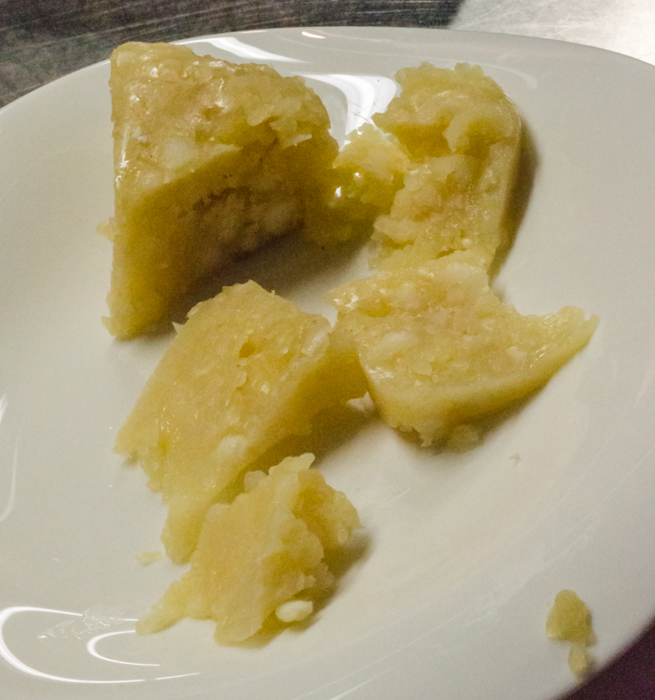 This recipe for canederli, unlike most versions, uses potatoes as well as bread, making for nice and moist dumplings. Of course, here in the US I could not locate authentic Graukäse, so I substituted a lower fat cheese that came as close as I could find to the strong flavor and powerful aroma of Graukäse.
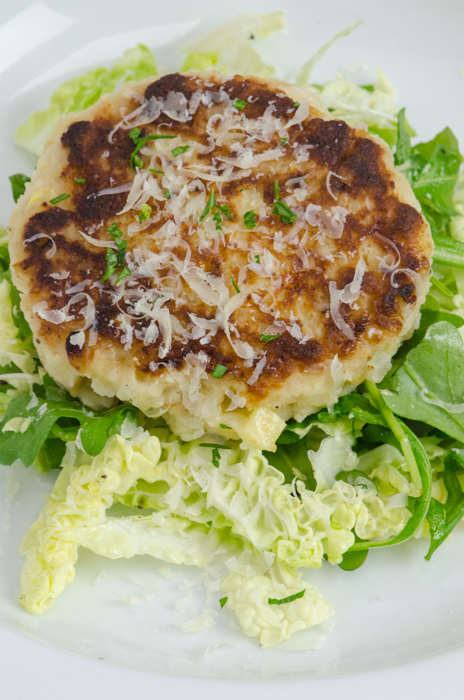
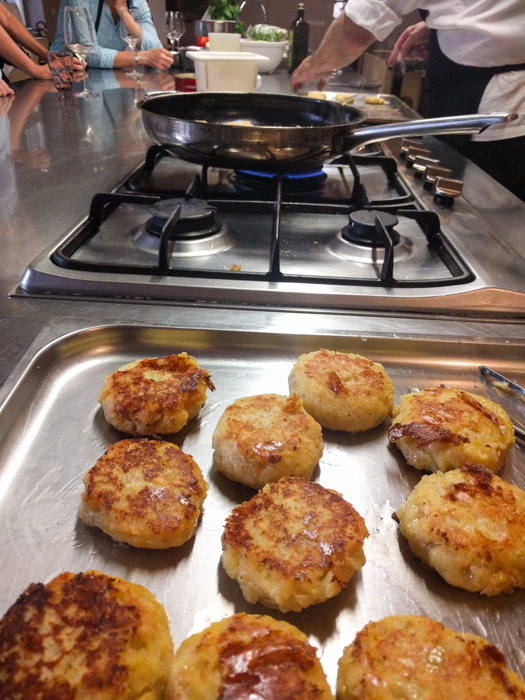 Canederli Pusteresi su Insalata di Capucci e Rucola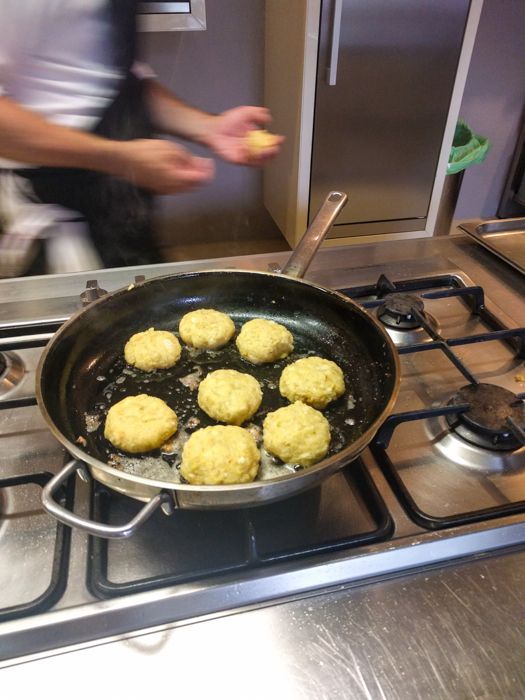
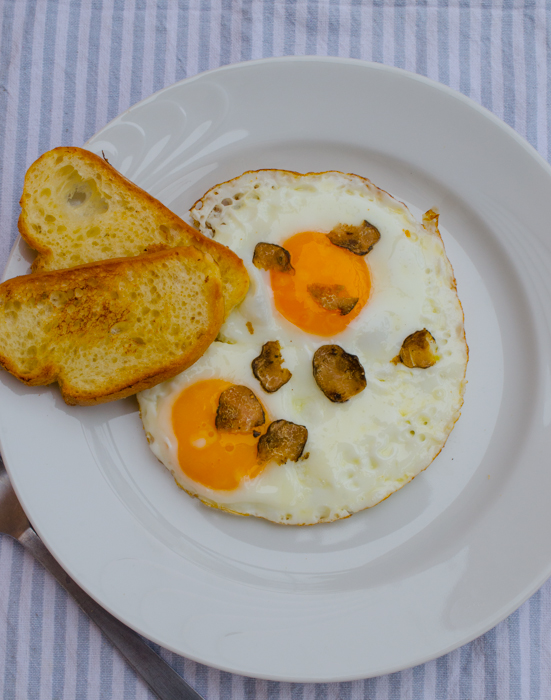 Even the most ordinary of foods can seem special and of higher quality when we experience them in Italy. A question asked over breakfast, as one of our guests cracks open a lovely soft boiled egg and is presented with the creamy yolk,“Why is the egg yolk so orange?” We’ve had many a conversation on this subject, and learned a lot from the various chefs we’ve worked with on our cycling and hiking tours. From them we’ve learned eggs are even named according to the color of their yolks, with yellows referred to as giallo dell’uovo, and the more highly prized orange yolked eggs called rosso d’uovo. But why are the yolks so orange, and why are they better?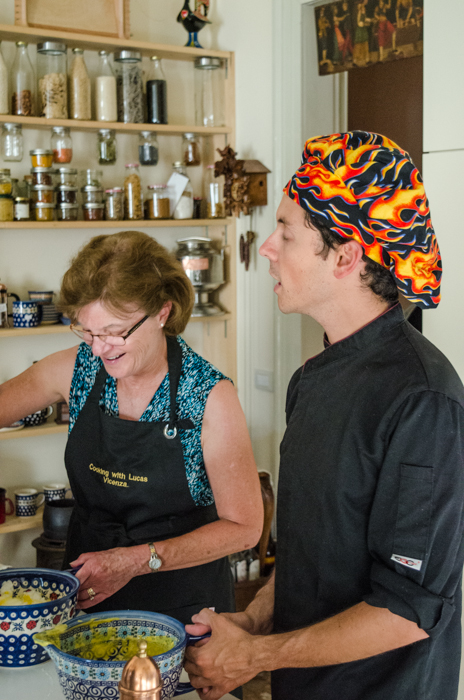
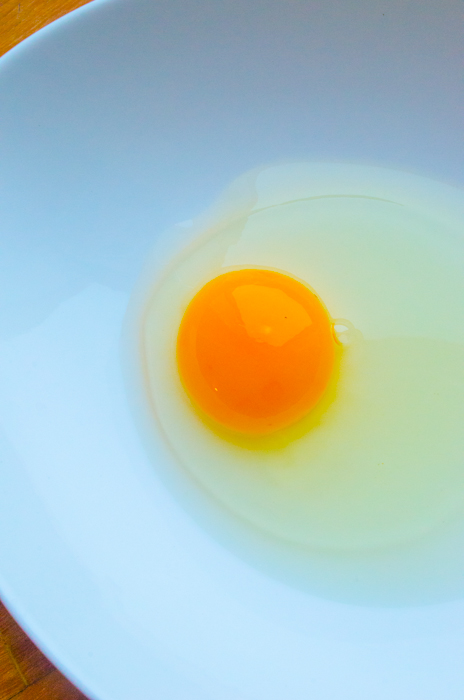 Hens that truly are pasture-raised, foraging on green plants and bugs, have a diet full of these carotenoids. As a result, their yolks have this bright orange color, so this color is a sign of a healthy diet full or nutrients.
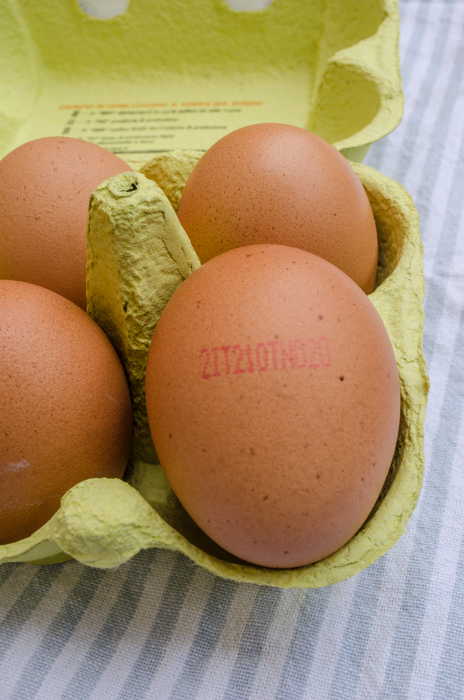 In order to assist European consumers determine the source of their eggs, EU regulations dictate that each egg sold must be marked with an “egg code”, which allows the consumer to identify the source of the egg, the method of production – organic production, free-range, deep litter indoor housing or cage farming – even a registration number indicating the hen laying establishment.
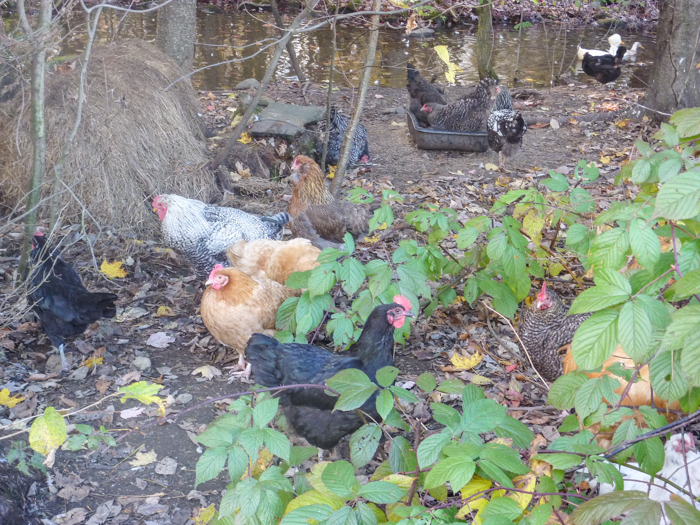 Another interesting difference appears when we go to the market to purchase eggs. We expect to find them in a refrigerated case, as they are sold in the US. Instead, they are on a shelf at room temperature. In order to prevent salmonella, US egg producers are required by the USDA to thoroughly wash the eggs before they go to market. They’re rinsed in hot water, dried and sprayed with a chlorine mist immediately after gathering. This washing removes a thin, naturally occurring coating on the egg, called the cuticle, which prevents any contamination from penetrating the shell. In Europe, producers instead vaccinate laying hens to prevent the transmission of salmonella, and then do not wash the eggs, leaving the protective cuticle intact. Here, refrigeration is actually discouraged, as cooling and then warming could create condensation, which would allow salmonella to penetrate the shell.
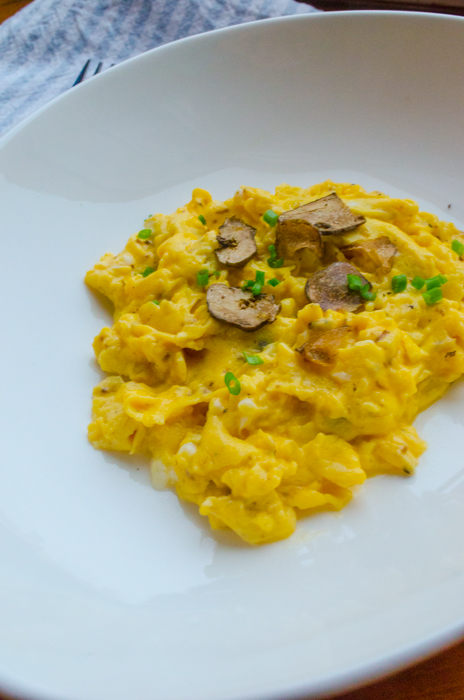 Something as simple as a healthy egg doesn’t need a lot of other ingredients to shine in a dish. Scrambled or fried eggs, garnished with minced chives, or perhaps a shaving of truffles to bring it over the top. A dinner during a visit to Piemonte featured a private table in the kitchen itself, where we were served lovely golden agnolotti, made with only egg yolks. A poached egg topping of a plate of Spaghetti Carbonara. Thankfully, I’m beginning to find eggs like these – great quality, pastured raised, with the signature bright orange yolks – here in the US. And they are, interestingly enough, not necessarily the most expensive egg on sale!
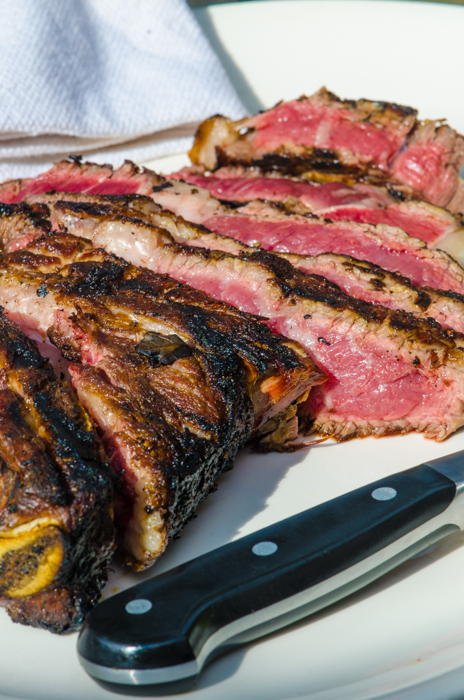 A culinary highlight of our Tuscany cycling and walking tours is not necessarily what one would expect in Italy – an amazing steak dinner – Bistecca alla Fiorentina. A classic dish of this region, this thick cut large steak is grilled over a wood or charcoal fire, simply seasoned with salt and freshly ground pepper and drizzled with extra virgin olive oil just after grilling. Bistecca are sold by weight, usually starting about 1 kg (2.2 pounds), so are typically shared between two or more, making the meal a fun, communal experience.
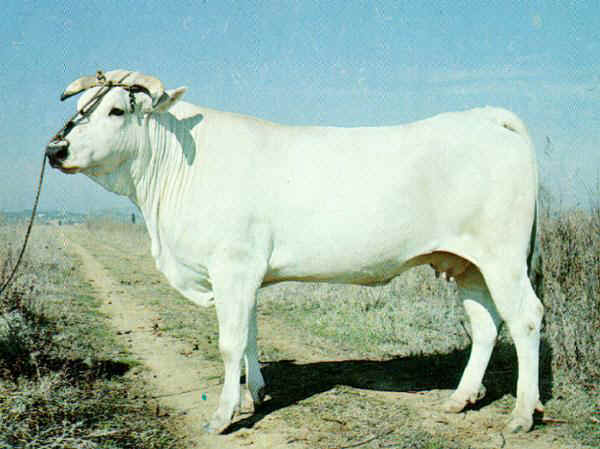 In Tuscany, this dish showcases the regions native breed of cattle, the Chianina. One of the largest breeds of cattle in the world, cows average 1700 pounds, and mature bulls around 2700 pounds, and can be as large as 3500 pounds. They are distinctive, with their immense size, white color and well-defined musculature. The name comes from their area of origin, Valdichiana (Chiana Valley) in Tuscany, on the plains near Arezzo and Siena.
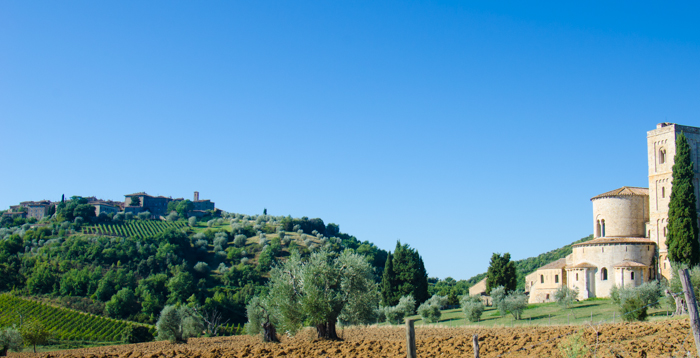 The Chianina is one of the oldest breeds of cattle in existence. They were the models for the cattle depicted in Roman sculptures, and praised by the Georgic poets, Columella and Vergil. Chianina were originally used by farmers as draft animals and for road transport. They adapted well to the steep hill terrain and well suited to the mixed agriculture and small farms of the mezzadri (sharecroppers). Since the introduction of mechanized methods in the early 20th century, they are now rarely seen out and about and are bred solely for meat production.
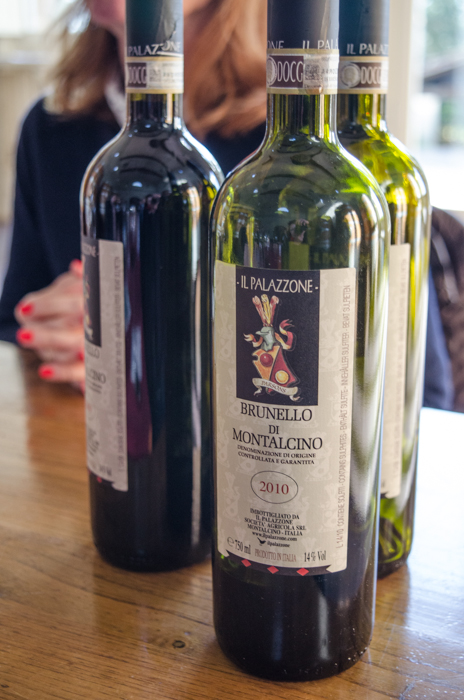
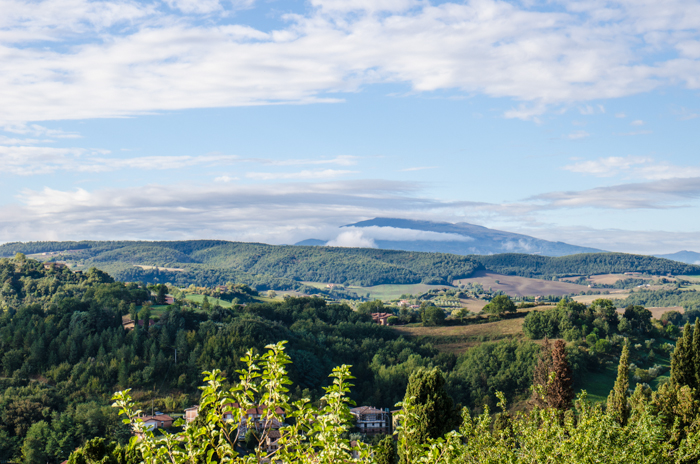
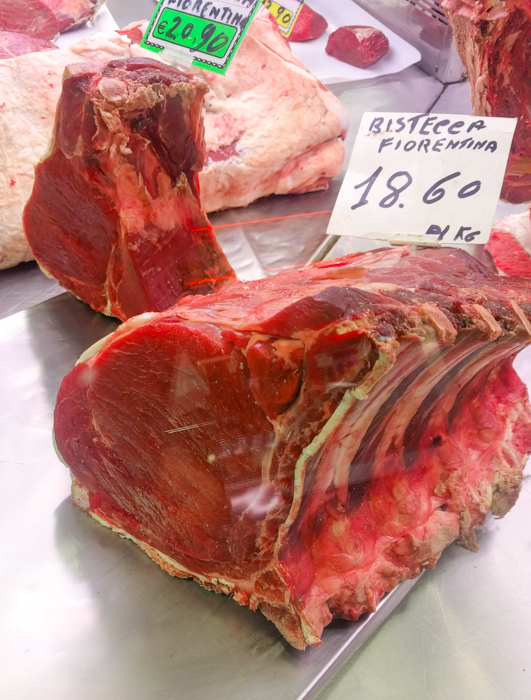 Since the Second World War the Chianina has spread worldwide, raised almost exclusively for its high quality meat. Through exportation of breeding stock, Chianina has reached China, Russia, Asian countries and the Americas, where it has been cross-bred with Angus. But no dining experience compares to enjoying a Bistecca and a glass of Brunello on a terrace overlooking the Valdichiana.
 To come close to recreating the experience at home:
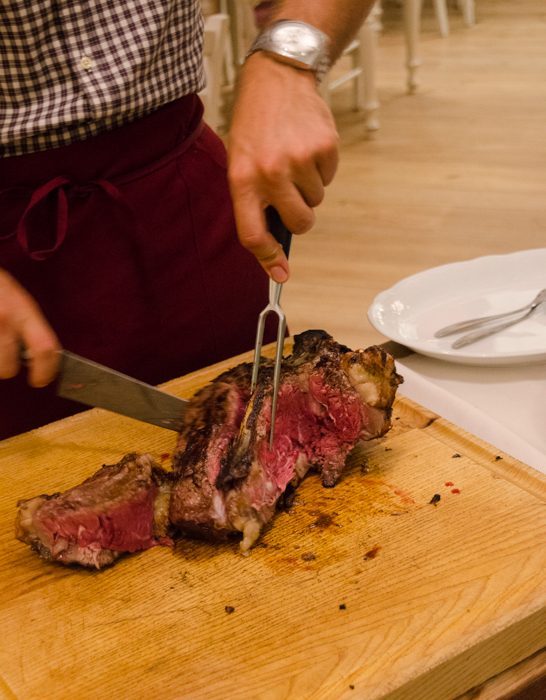 Grill over hardwood charcoal – not briquets – over very high heat. Allow steak to come to room temperature before grilling. Sear over high heat, 3 – 4 minutes per side for a 2-inch thick steak. This is to be served VERY RARE, “al sangue”. If you have guests who prefer well-done, have a couple of strip steaks to cook for them!