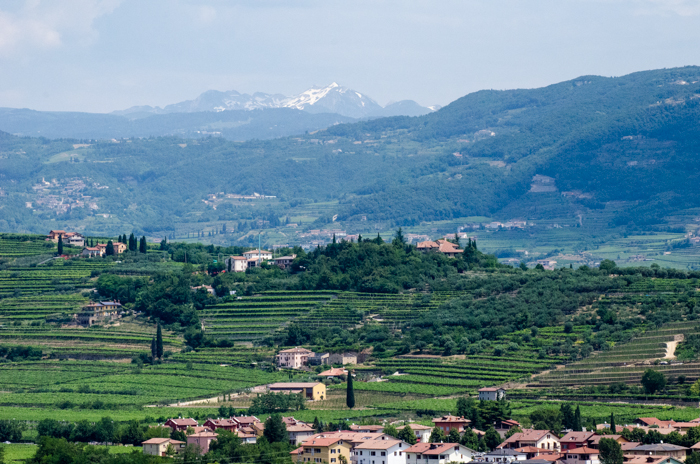
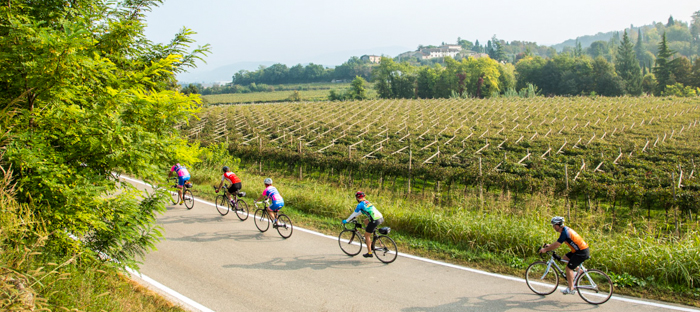
 Good news for all you who enjoy toasting a great day in the outdoors with a special glass of vino. The most prestigious wine zone in the Veneto, the Valpolicella DOC, home to Amarone, and known as the “Pearl of Verona” offers a wide range of outdoor activities to interest all active adventurers. Travellers can enjoy cycling along bike paths that wind throughout the region, or challenging themselves among the lovely rolling hills. Hikers can trek the Lessini hills or along the ridge line of Monte Baldo just to the west, relishing the panoramic view of Lake Garda. Walk through miles of vineyards, or explore the history of the city of Verona, a UNESCO World Heritage site.
The Valpolicella wine zone is located in the province of Verona, east of Lake Garda, and north of the Adige River. The hills in this region are used for agriculture – predominately grapes for their wonderful wines, of course – as well as marble quarrying. The volcanic hills and alluvial valleys here in this region provided a variety of terroir for viticulture, each contributing a unique flavor profile, which the best and most experienced of producers appreciate and use to make their wines the best they can be.
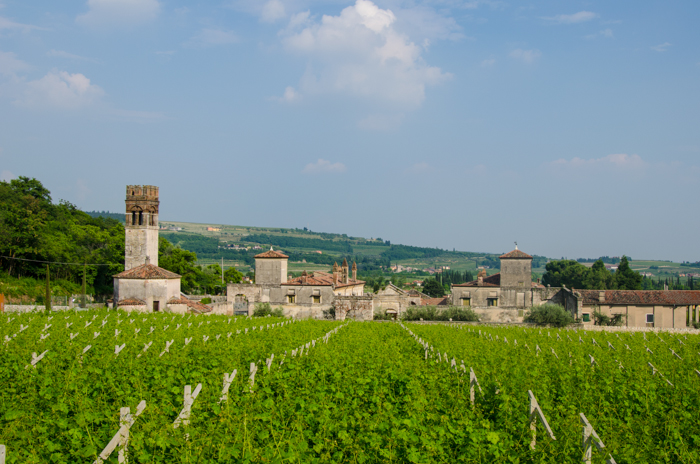 Winemaking in Valpolicella dates back to at least the times of the ancient Greeks. The Valpolicella and Amarone tradition of using dried grapes was known as the “Greek style” of wine production. Roman writers such as Cassiodorus refer to wines from this region, and during the Venetian trading period with the Byzantine Empire, one of the products regularly transported were wines from Valpolicella.
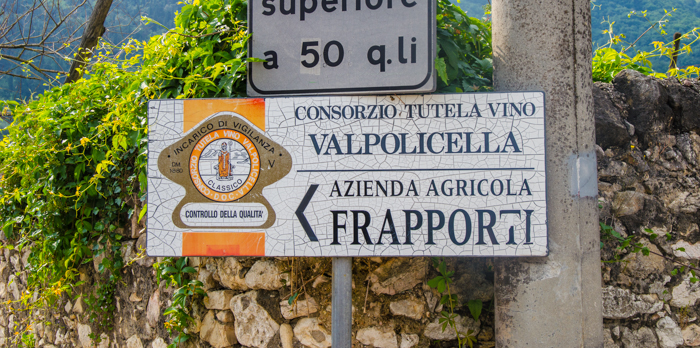 The name itself, Valpolicella, is most commonly believed to be derived from Latin and Greek, “valley of many cellars”. Seven comuni compose Valpolicella: Pescantina, San Pietro in Cariano, Negrar, Marano di Valpolicella, Fumane, Sant’Ambrogio di Valpolicella and Sant’Anna d’Alfaedo. The historical “heart” of Valpolicella winemaking, known as the “classico” area, is in the Monti Lessini hills northwest of Verona. In 1968, in order to keep up with increased demand for their wines, the boundaries were extended east towards the Soave zone and south to the plains of the Po and Adige rivers. Today the economy of this region is centered on wine production.
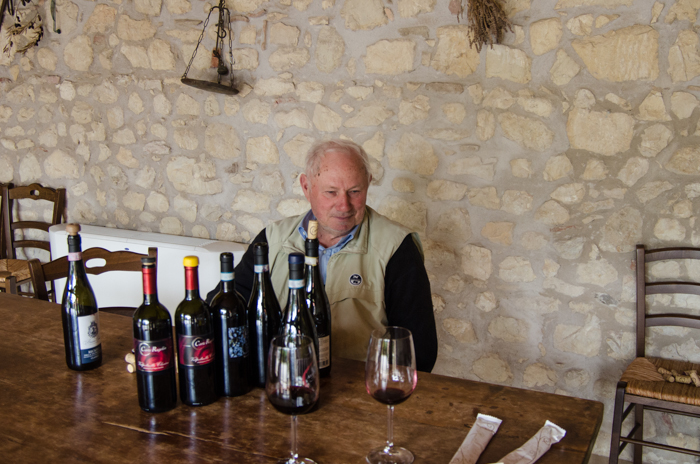 Most guided tours in this region focus on wineries that have facilities for larger group tours and tastings. These wineries are major producers with staff dedicated to wine tourists. They do a nice professional job, but I prefer to visit with smaller family producers. A bit more informal, and gathering around a kitchen table with three generations, tasting wines as they share their family story and their passion for their land, wines, and local traditions is truly unique. The occasional language barrier seems to disappear as we unite in appreciation of the wine and our shared experience. If traveling on your own, don’t miss an opportunity to visit at least one – the lack of a professional looking storefront is intimidating, but these families love to share their wines with visitors, and are thrilled you stopped by.
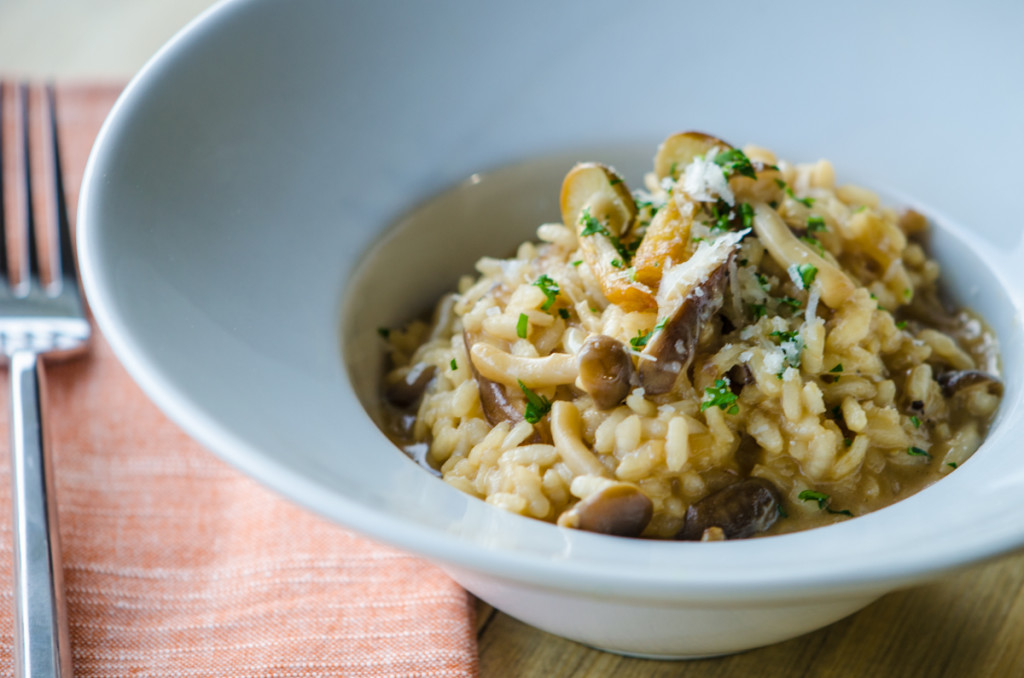
 Many delightful dining options are found throughout the Valpolicella region. The area has a wonderful regional cuisine, the best dishes favoring seasonal local products – peaches and apples from orchards along the Adige, fresh olive oil from nearby Lake Garda, mushrooms, chestnuts and truffles from Monte Baldo and Lessini, Monte Veronese cheese. And look for many dishes made with the favorite wines – Beef braised in Amarone, Risotto di Amarone.
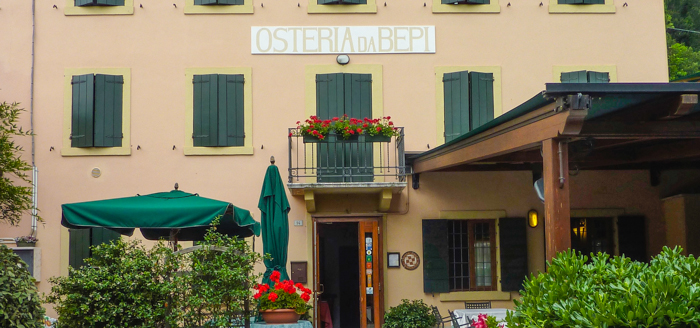
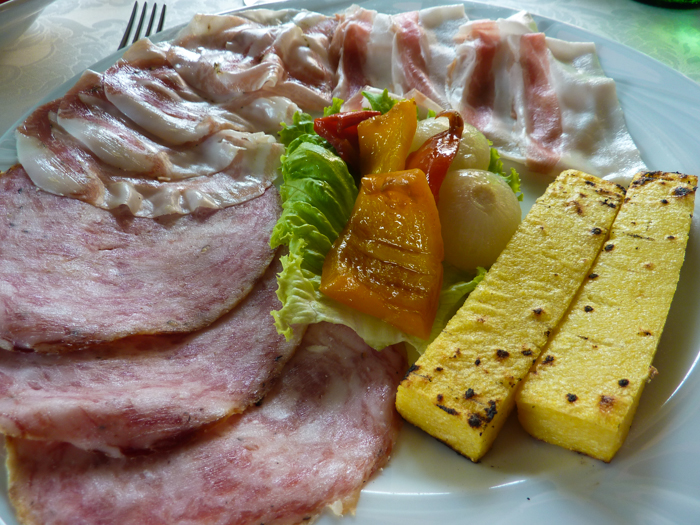 In the heart of the Valpolicella zone, Antica Trattoria da Bepi is a nice spot for a casual meal where you can sample many of these local specialties. Try the antipasti platter with grilled polenta. Polenta is traditionally cooked for a long time over a wood fire, which introduces a smokiness to the dish that modern cook top versions lack. This is one of the few places where I’ve actually tasted that smoke in the polenta.
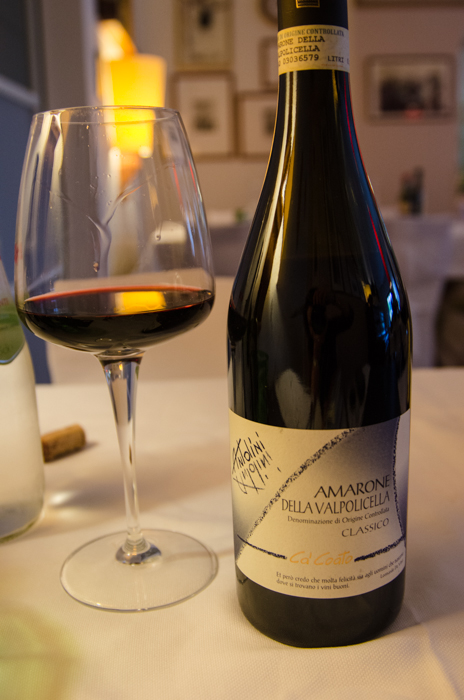 For more refined dining while enjoying a panoramic view of the hills, visit Trattoria alla Ruota. Enjoy tortelli all’amarone “fatta in casa”, made in house, or with truffles when in season. Pork with apples, or a selection of local cheeses. An extensive wine cellar allows you to sample wines from a variety of local producers.
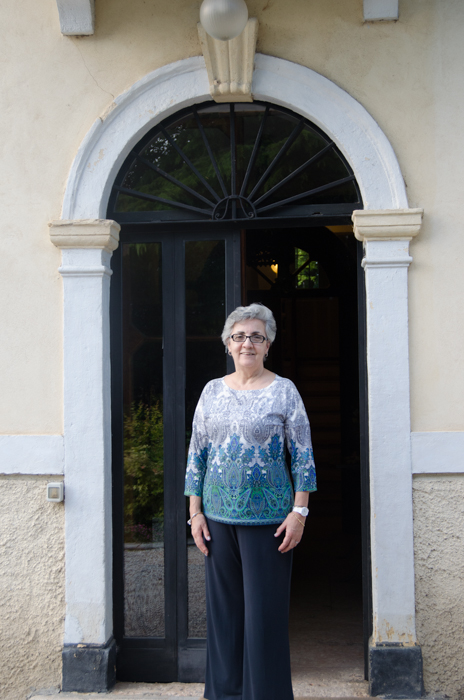
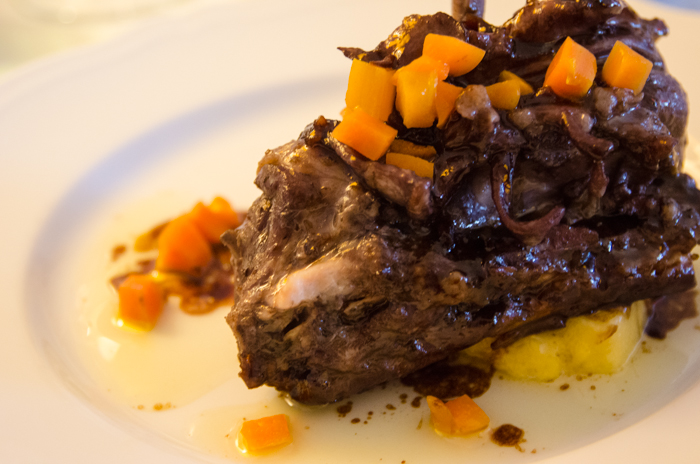 Another favorite of mine is the amazing Enoteca di Valpolicella in Fumane. I’ve shared details of my dining experience here on my blog. The wine cellar of the enoteca is quite impressive, with wines from over 100 local Valpolicella producers. They can design a wine tasting for a group with antipasti, or a multi-course dinner with wine pairings. I recommend just leaving yourself in the proprietor Ada’s hands, allowing her to recommend both food and wine, all beautifully prepared and paired.
 The first few days of our
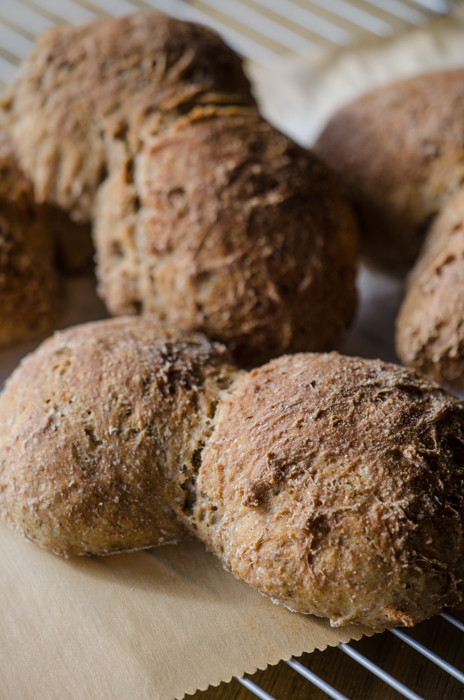
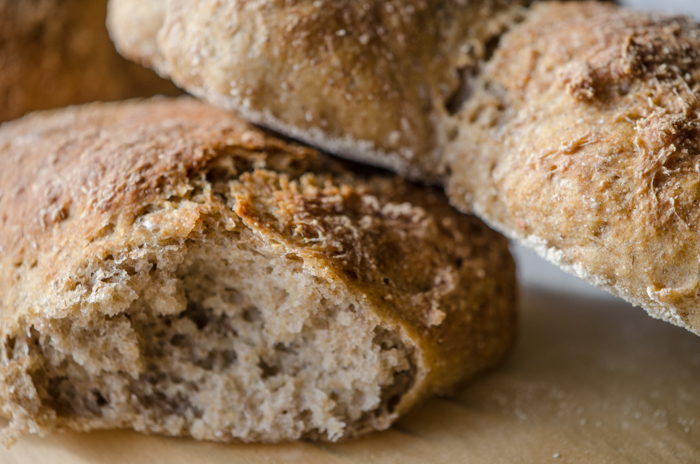
  Sudtirol was part of the Austrian-Hungarian empire until after WWI, and the region today still strongly reflects its germanic roots, with German being used as frequently as Italian. The cuisine too reflects these same roots, one example being the breads you find – the mountain farmers here have always preferred whole wheat and rye based breads over the white bread you find in most of Italy. I find the best and most interesting varieties of breads in all of Italy here in Sudtirol.
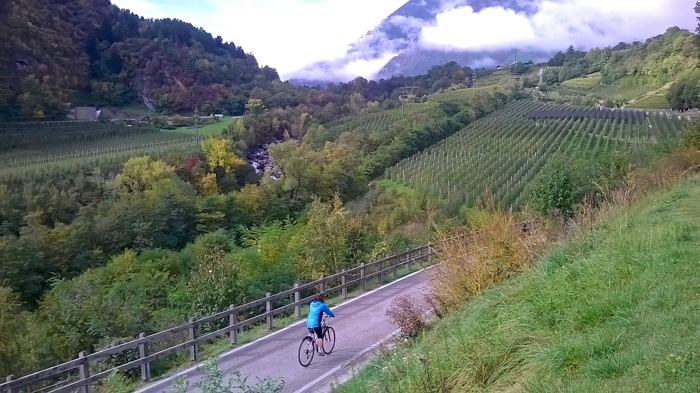
 The enviable climate of the Vinschgau, with very mild temperatures for the elevation is optimum for the cultivation of wheat and rye. The best rye flour is cultivated at higher elevations, and with over 300 days of sunshine a year, the rye has sufficient time to fully ripen.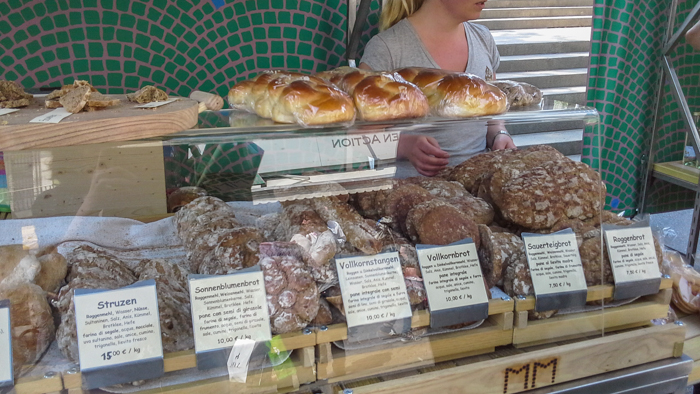
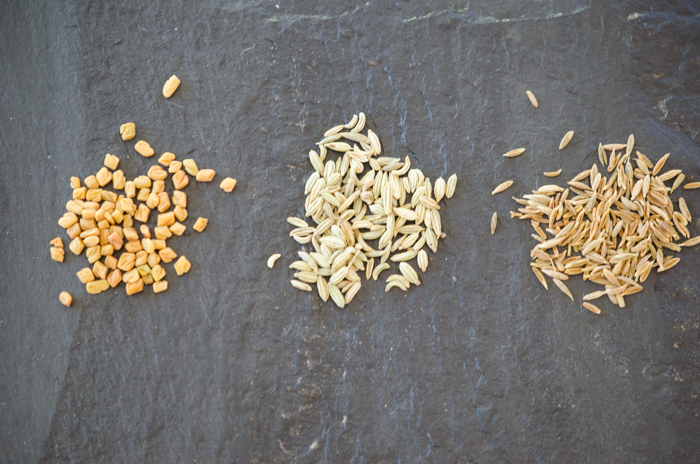
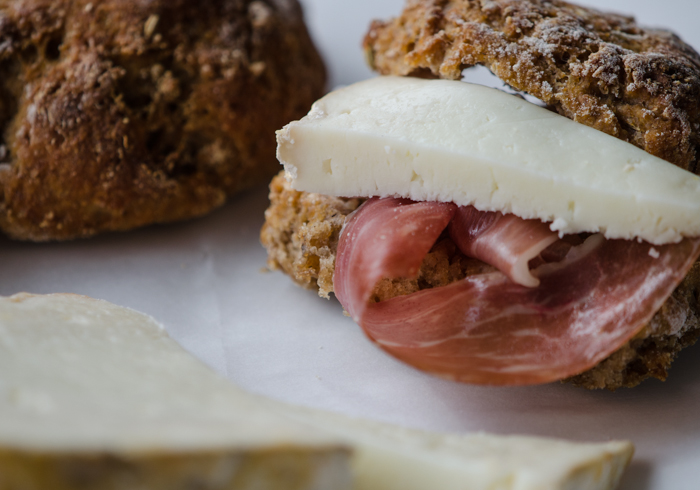 Paarlbrot
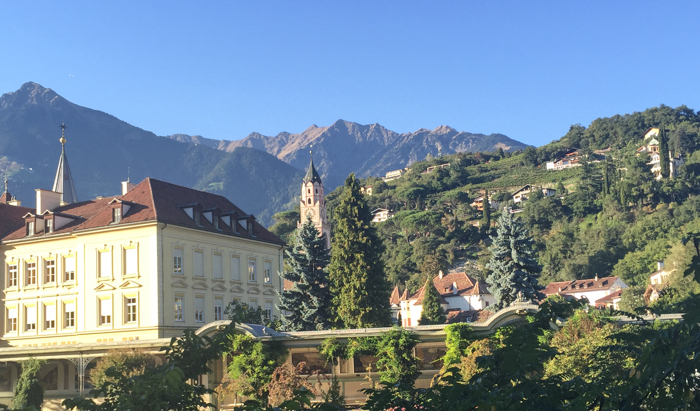 A favorite destination on our
 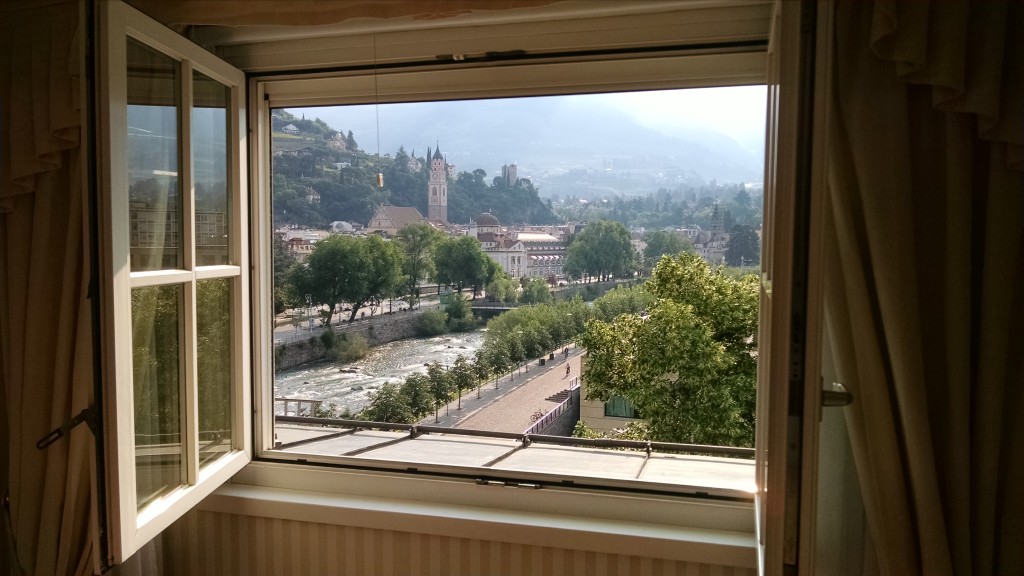 The enviable climate of
 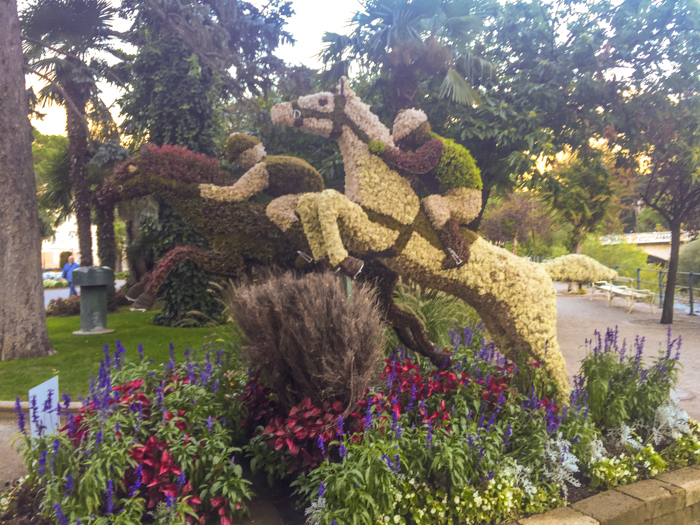 Thanks to its’ unique topology, Merano boasts the mildest winters in the entire central European area. The mild climate allows plants from Mediterranean areas to flourish alongside those from Alpine areas. This amazing diversity of flora can be admired in Merano’s beautiful gardens, including the botanical garden of Trauttmansdorff Castle, as well as the Kranzel Labrinth Gardens, ranking among some of loveliest gardens in the world, and giving Merano its monikeru of the “City of Flowers.”
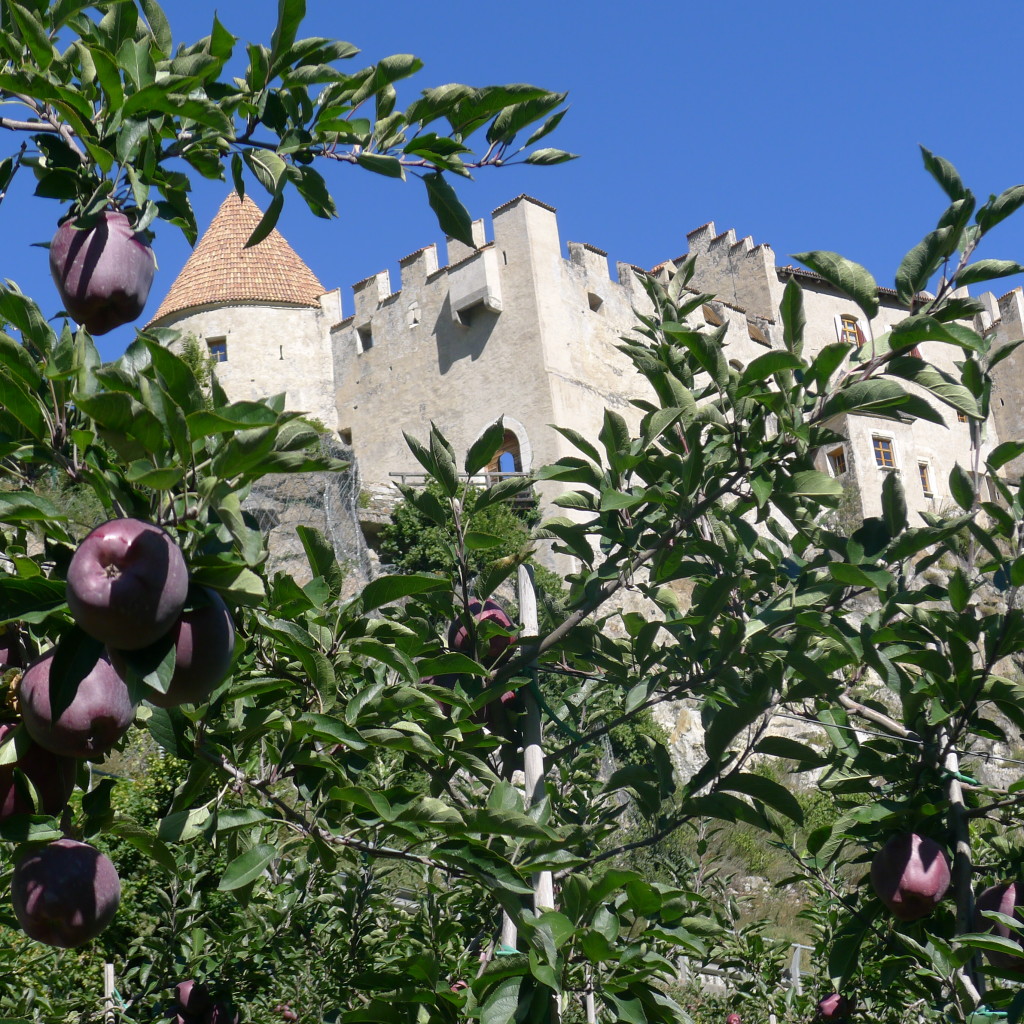 Sudtirol is also the European region with the highest number of castles, with over 800 castles, manor houses, and ruins. The oldest manors date to the early Middle Ages while the most recent date from the late Baroque period. One of the most important is Tyrol Castle, dating from the eleventh century, which now is home to the South Tyrol Museum of History and Culture. The densest concentration of castles and palaces in area can be found in two villages just south Merano, Tisens and Prissian, often referred to as ‘castle villages’, where many aristocratic families constructed summer homes here. There are seven castles here, making it a lovely spot for a walking tour or well worth a short detour from the bike path traveling from Merano to Bolzano.
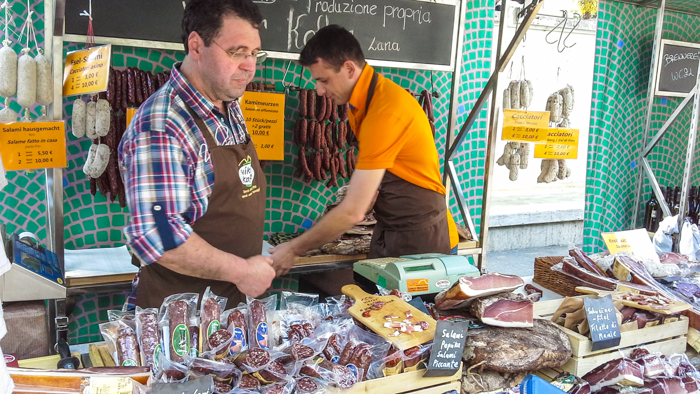 In this area of Italy, there are no over-sized shopping malls: local producers offer their wares and fresh seasonal products at markets year round. In Merano there is a large traditional Friday market, as well as several smaller farmers’ markets throughout the week. My favorite to visit before we start a tour is the market held Saturday mornings from 9.00 a.m. to 1.00 p.m on the upper Corso Liberta. Another great place to buy local products from speck to chestnut pasta and apples, a wide selection of local cheese and wines and freshly baked bread is Pur, at Corso della Liberta, 35. Enjoy a freshly made panini on their outdoor patio.
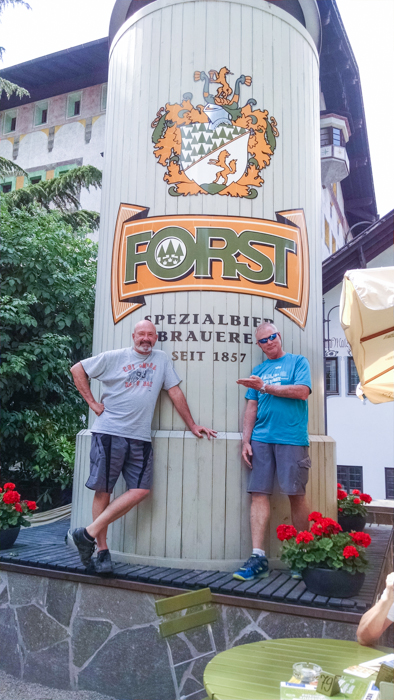 Terraced vineyards surround Merano, where a nice variety of both local and international varietals are cultivated, thanks again to the region’s mild Alpine-Mediterranean climate. The best way to discover this region is to taste a glass of one of the original indigenous varietals: try the traditional Vernatsch (Schiava in Italian), the intense Lagrein, or a St. Magdalena, a blend of both. White varietals that originally hail from this region are Gewurztraminer and Moscato Rosa. International varietals that flourish here include Pinot Nero/Noir, Sylvaner, Sauvignon, and Riesling, just to name a few. Northern climates in Italy also provide the barley and fresh mountain water perfect for brewing beer, so one last stop at Forst brewery for a crisp cold beer is a great way to end our ride.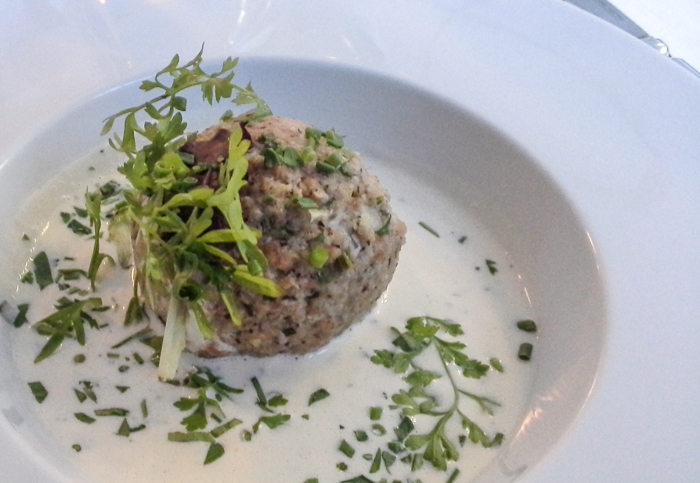
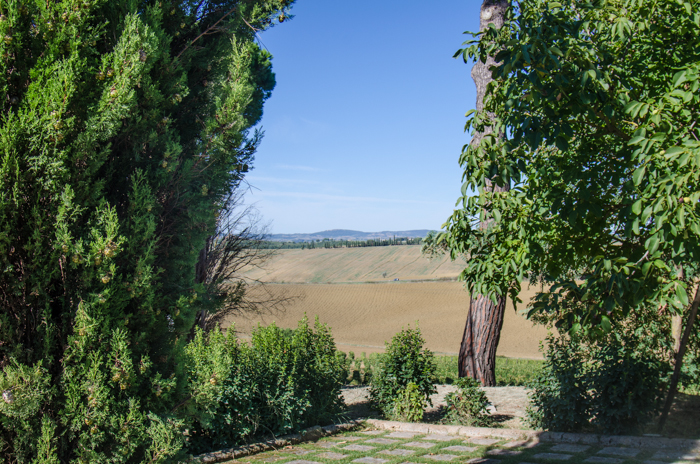 Our
Our 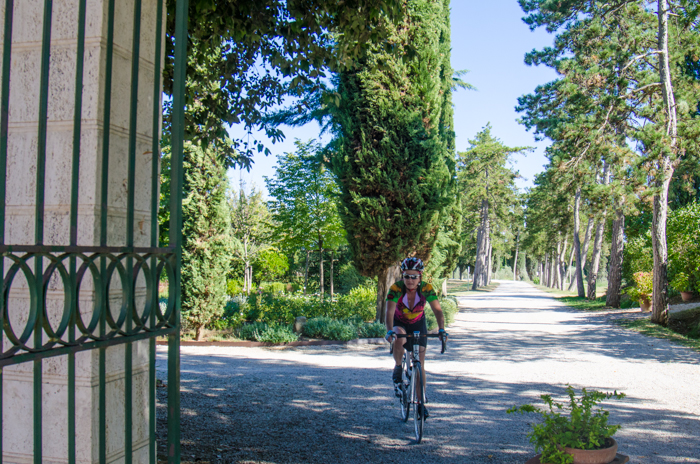
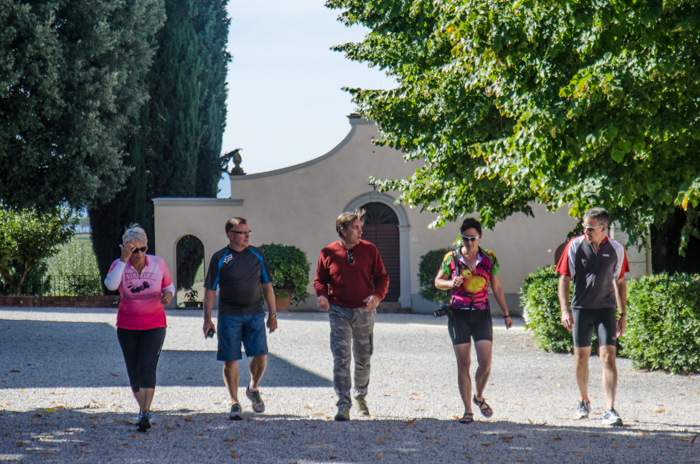
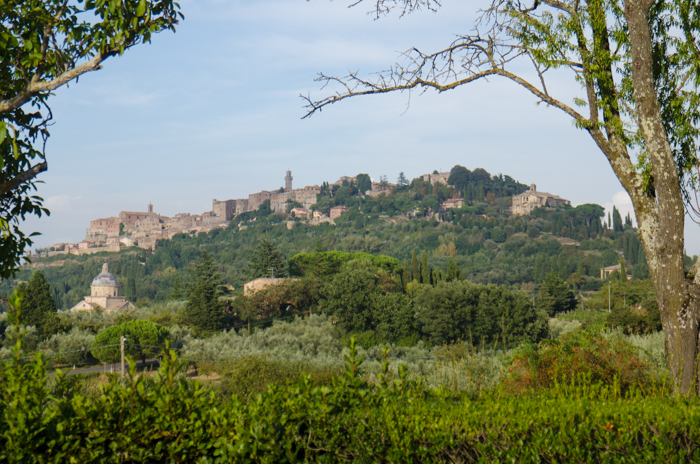
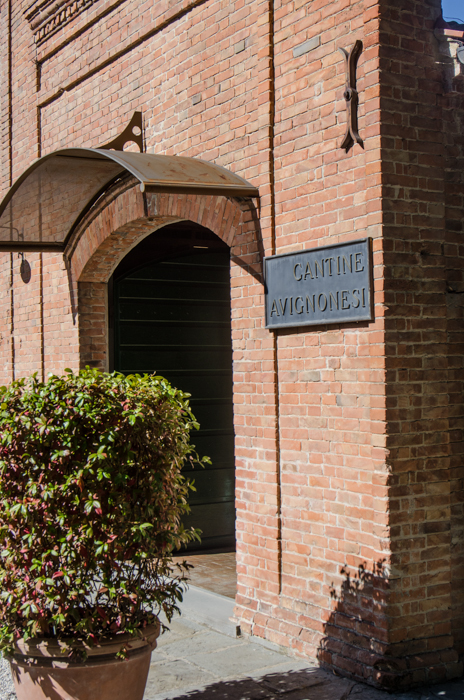 Avignonesi is currently using sustainable farming methods in all 200 hectares of vineyards., and is on track to be granted full organic certification in 2106. But their dedication to natural cultivation does not stop there, they now employ biodynamic farming that integrates local flora and fauna and biodiversity to protect the vine through strengthening its natural defense system and making its growing habitat as healthy and nourishing as possible. “Green” manure is grown in the rows between the vines, including plants like mustard, vetch, rocket, field beans, and grasses, which are eventually mulched into the soil. While growing, the network of roots loosens the soil, aerating it, making it looser and protecting it against erosion. This biodiversity of flora encourages the proliferation of insects and microorganisms that help the vines to thrive.
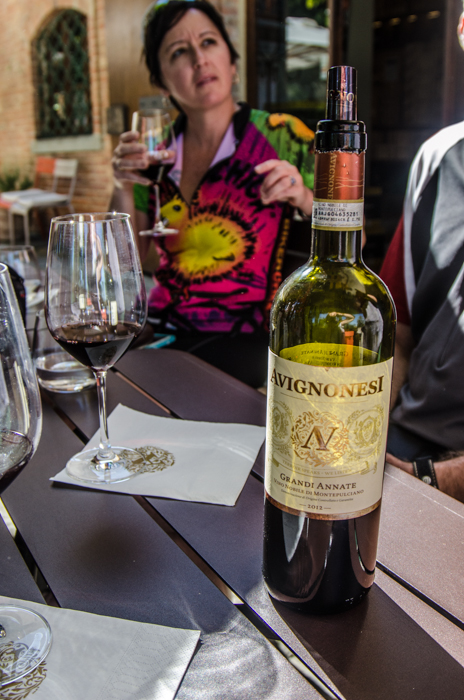 Grandi Annati Vino Nobile di Montepulciano
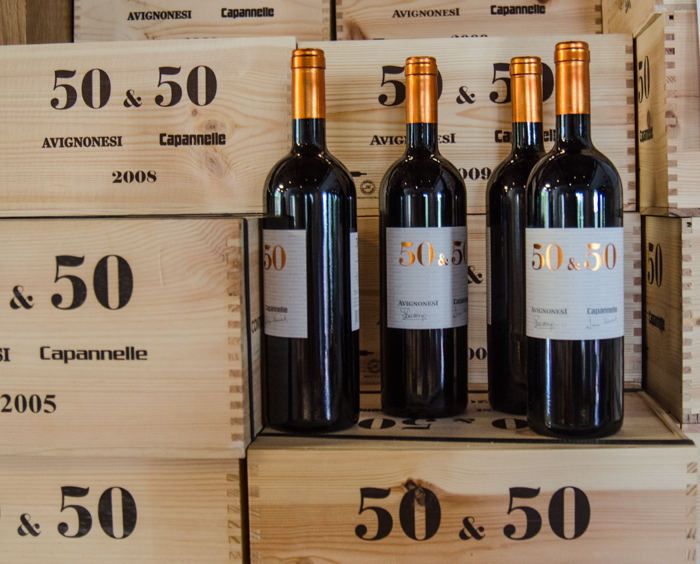 50&50
50&50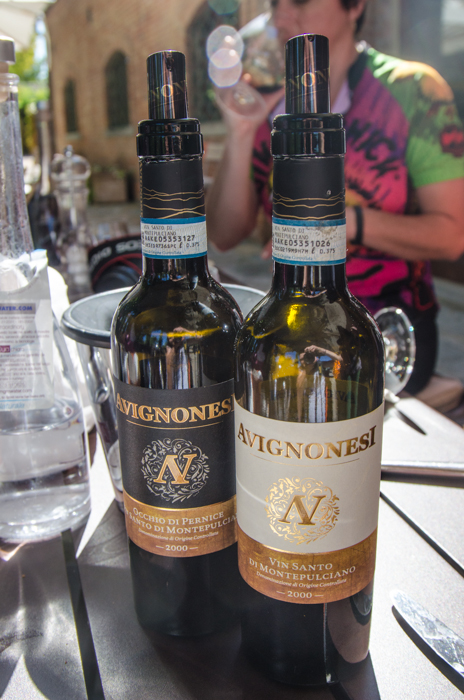 Vin Santo di Montepulciano 2000 and Occhio di Pernice 2000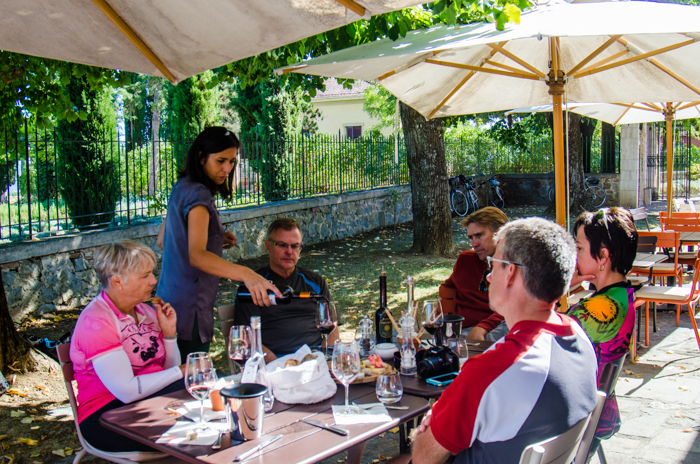
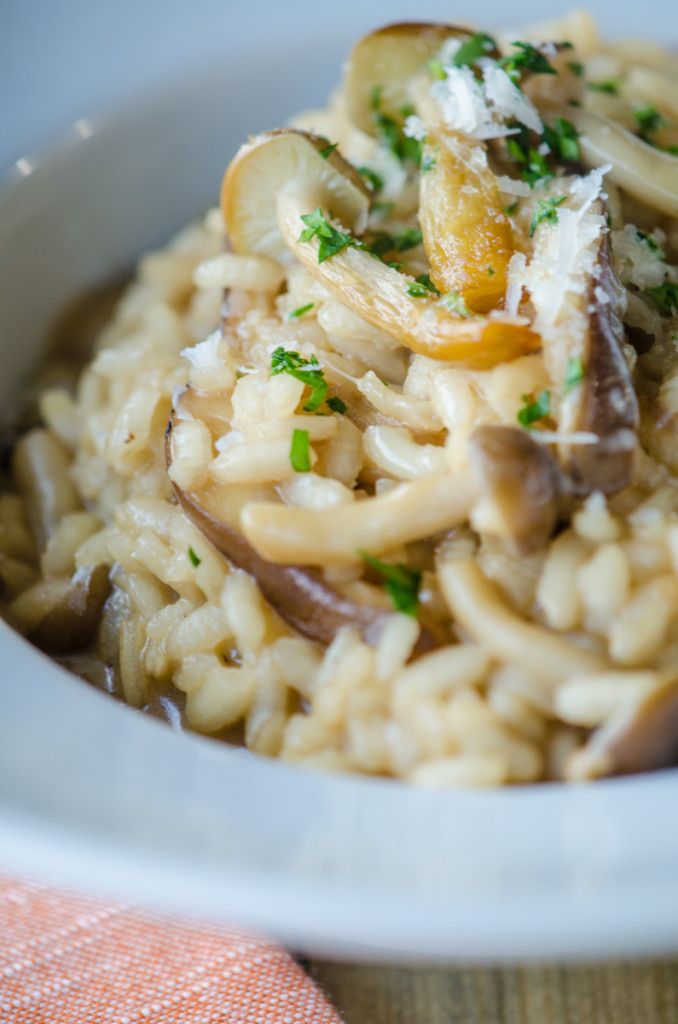 On our late summer and fall tours, whether we are
 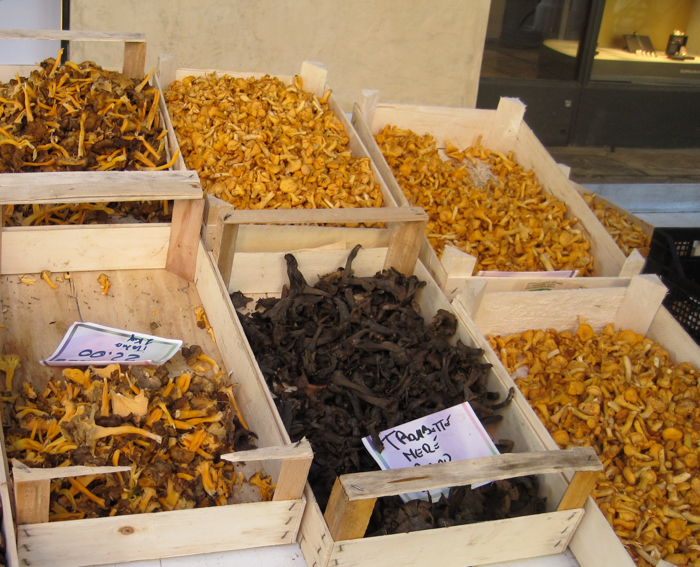 Mushrooms, found wild in the forests, are used in the cuisines throughout Italy, from
 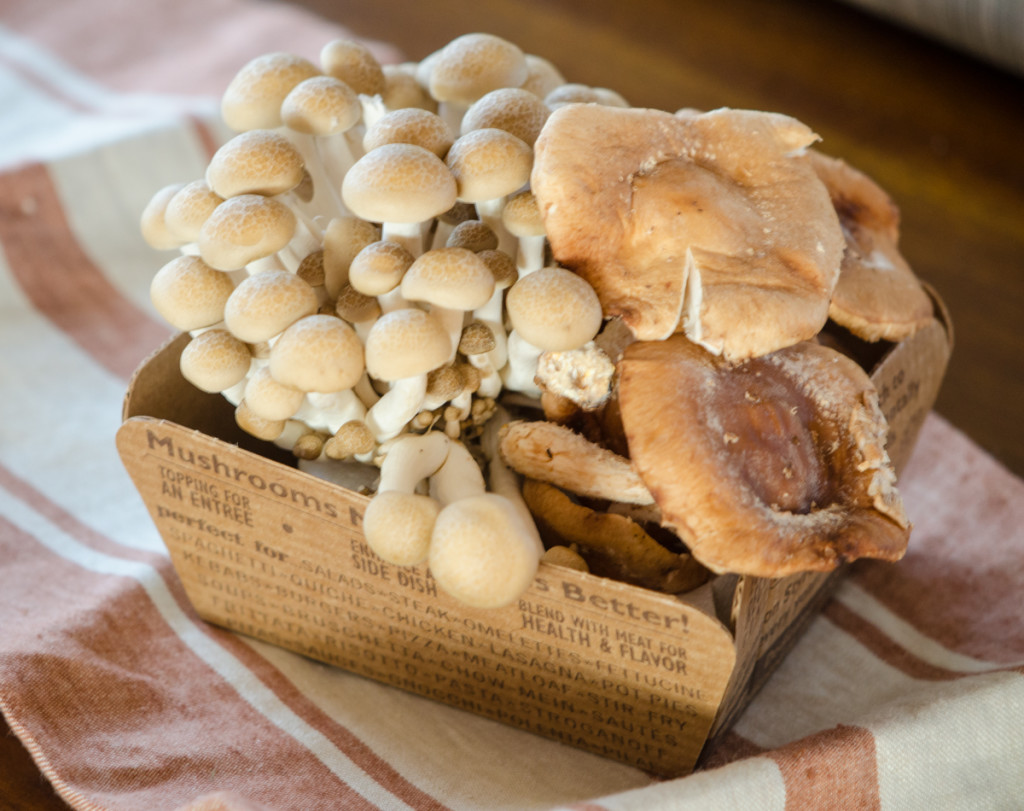 Due to the limited growing season of the wild varieties, their availability was limited until the French developed methods to cultivate them. In the late 1800s, entire families from Venice traveled to France to work in the mushroom farms in the caves near Paris, and learn these techniques. These families returned to the Veneto and began their own mushroom farms. These first farms were located in the caves around Costozza, as these possessed the optimum humidity and temperature for mushroom growth.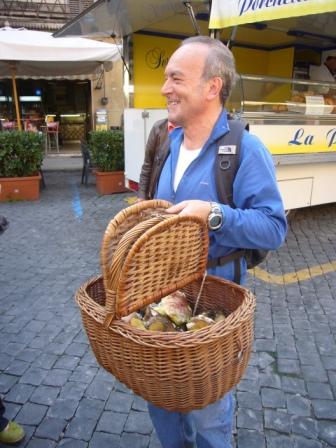
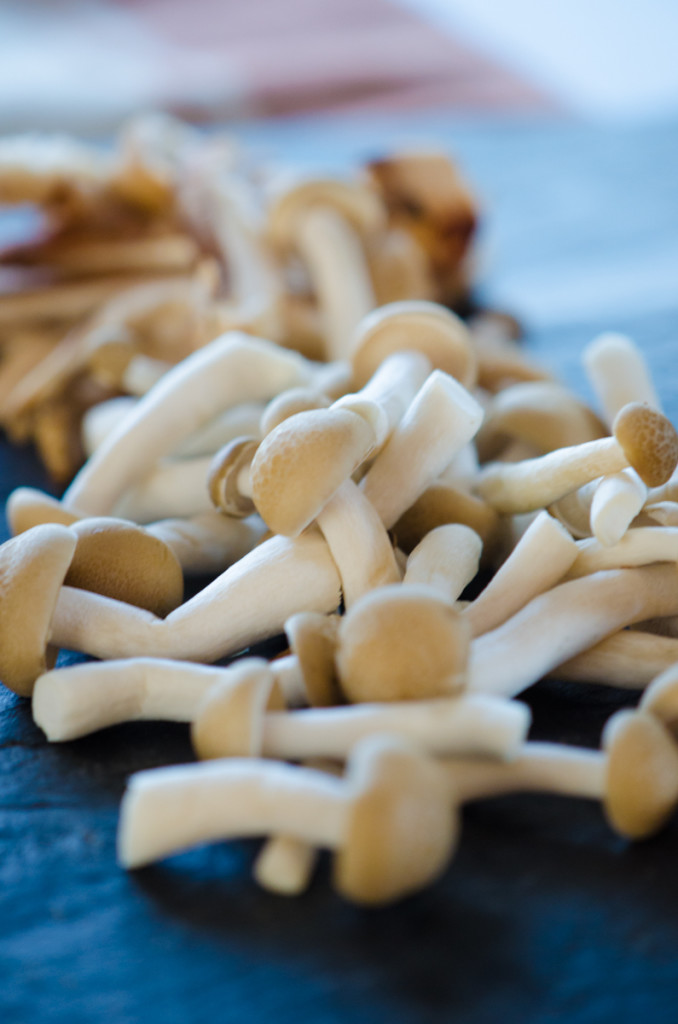 Risotto con Gallinaci Freschi