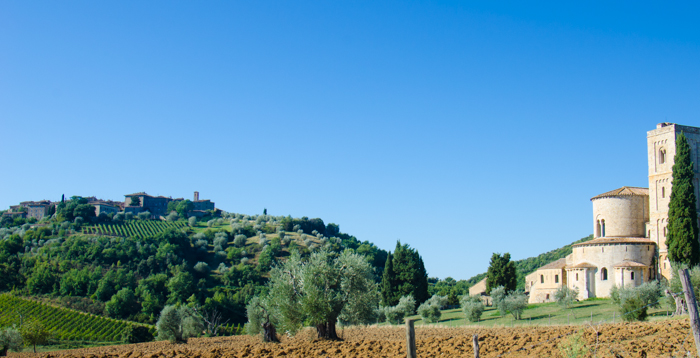
 Our April private walking tour brought us from the waters of the Venetian lagoon to the hills of Tuscany – this time of year artichokes are found on menus in both regions. We saw the first blossoms of the carciofo violetto of Sant’Erasmo – the castraure – while in Venice, and were in Tuscany on the 25th of April when the Festa del Carciofo happens in Chiusure, near Siena.
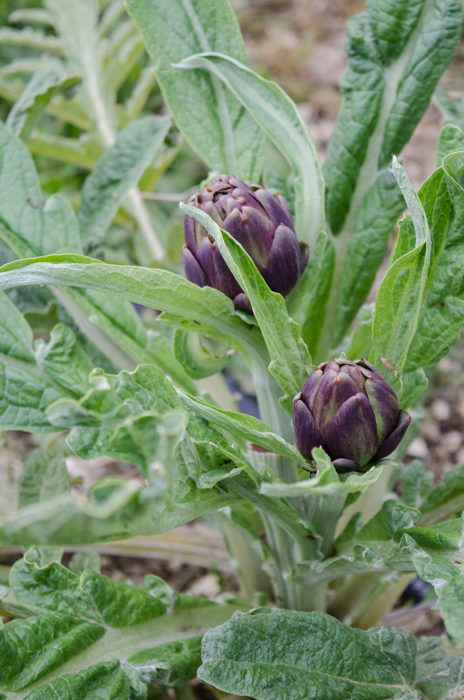 Unlike in the US, where we see only one variety of artichoke, in Italy you will see many varieties as you move from region to region, with different growing seasons and many different preparations. Some can be enjoyed raw, but there are many other ways to enjoy them – braised, fried, poached in oil.
 Italian cuisine is filled with legends about the origins and purported benefits of traditional dishes, especially a plant a unique as this one! The artichoke supposedly arrived in ancient Rome from Greece and Egypt. It was considered an aphrodisiac and was thought to ensure male children. According to legend, Jove, the father of all gods, fell for a young girl with blond hair, Cynara, who did not return his affections. As punishment, Jove transformed her into a spiny plant, the artichoke, hence its botanical name Cynara scolymas.
The Italian name, carciofo, comes from the Arabic word for the plant, al-kharsuf, “the plant that stings”, who introduced the plant into the cuisine of Southern Italy. However, its use was limited on Medieval tables as it was believed to cause demonic temptation in young girls.
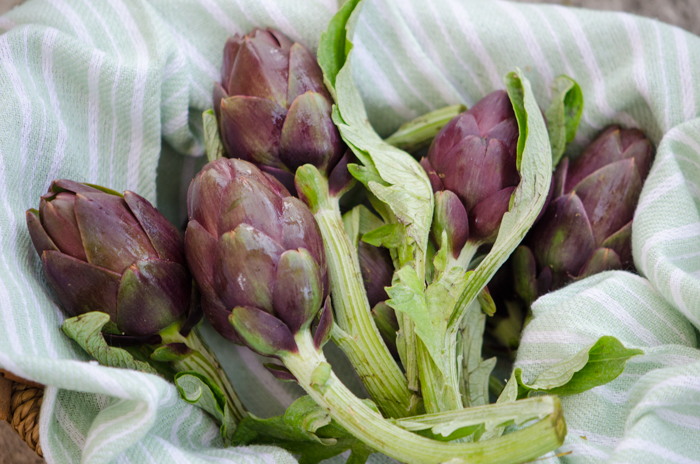 In 1446, Filippo Strozzi, a Florence banker and rival to the Medici family, brought artichoke seeds from Naples to Tuscany, and from there the cultivation spread across the rest of the Italian peninsula. In the Renaissance, the juice of the artichoke was administered as a pregnancy test: “Give a woman artichoke juice, if she vomits, she is pregnant.” Caterina de Medici was very fond of artichokes, and she brought them with her to France in 1533, when she married the heir to the French throne.
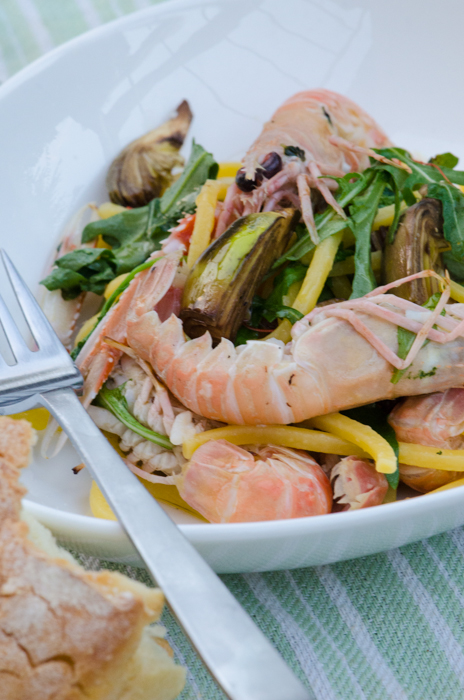
Here is another recipe from the La Cucina Italiana magazine. Very simple and easy using fresh bought pasta (not tagliatelle, you go with what looks good!), and lovely shrimp from my local fish market.
Tagliatelle con Carciofini e Gamberi
1 pound fresh tagliatelle
1/2 lemon
8 baby artichokes
2 tablespoons extra-virgin olive oil, plus more for drizzling
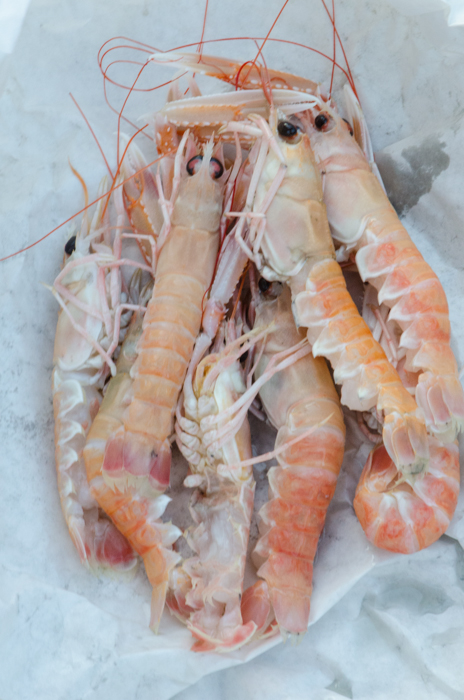
16 large head-on shrimp, peeled and deveined
Coarse sea salt
Freshly ground black pepper
1 large bunch arugula
Bring a large pot of salted water to a boil.
Fill a large bowl with cold water. Squeeze juice from lemon half into the water in bowl, then add lemon half.
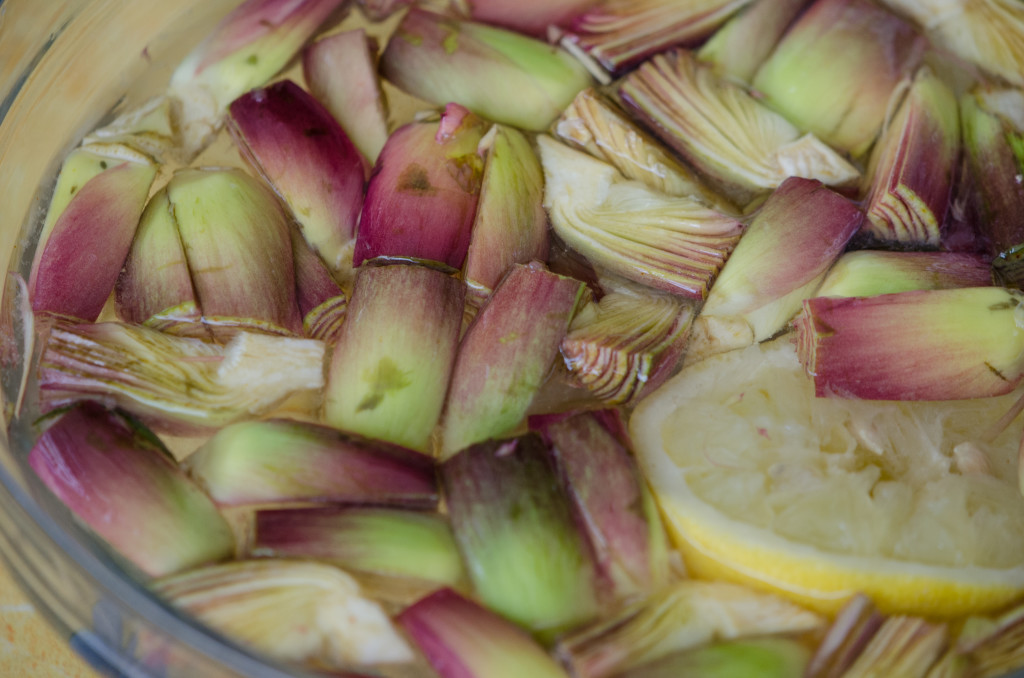
Cut off artichoke stems and discard. Cut off top 1/2 inch of one artichoke with a serrated knife. Bend outer leaves back until they snap off close to base, then continue to discard several more layers of leaves in the same manner until you reach pale yellow or purple leaves. Cut off any green tips. Trim dark green fibrous parts from base and sides with a small sharp knife, then cut lengthwise into sixths. Put the pieces in the lemon water. Repeat with remaining artichokes.
In a large skillet, heat oil until hot but not smoking. Add shrimp; cook, turning occasionally, until opaque and cooked through, about 3 minutes; season with salt and pepper. Remove from heat.
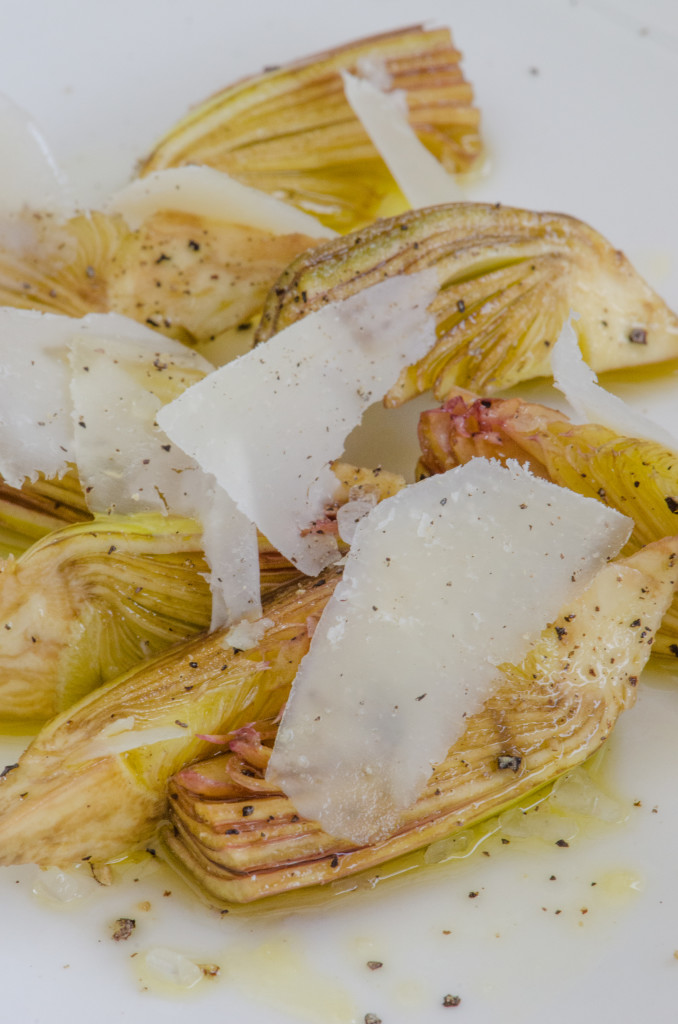
Drain artichokes. Cook pasta in the boiling water until al dente, about 3 minutes. Reserve 1/4 cup pasta cooking liquid, drain pasta and transfer to a bowl. Immediately toss with pasta cooking liquid, arugula and half of the artichokes. Divide the remaining half of the artichokes onto 4 serving plates, and fan out toward rim. Divide the pasta among plates, top with shrimp, drizzle with oil, season with salt and serve immediately.
 Just northeast of Venice lies the island of Sant’Erasmo – half the size of Venice, with many canals, but with 60 resident farmers out of 850 total population. On a visit to Venice’s Rialto market, a highlight of our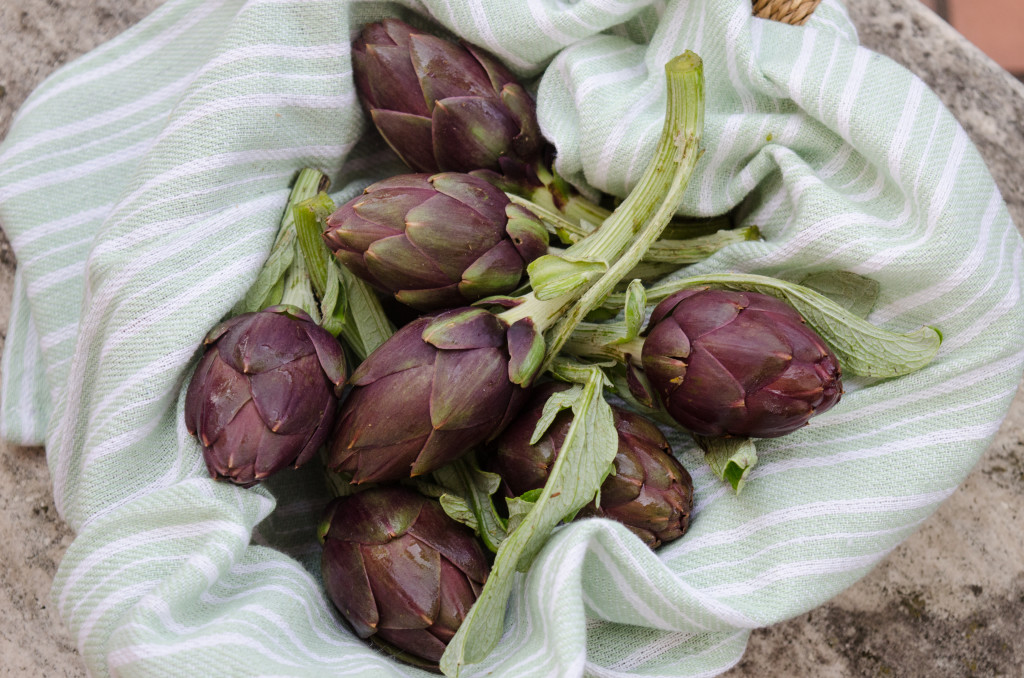
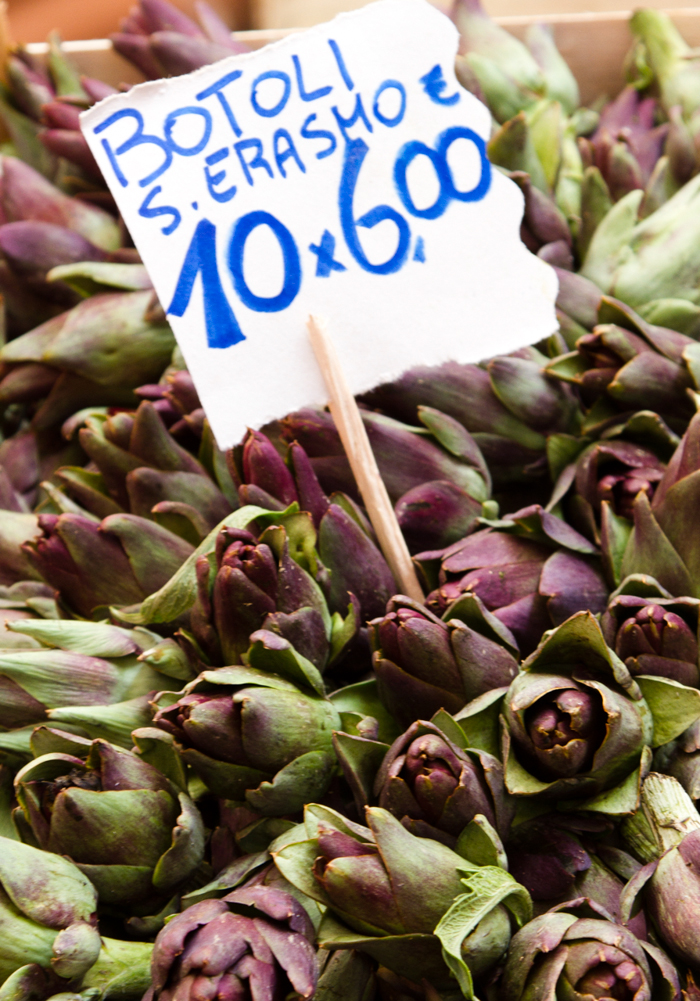 Castraure are so delicate that they are typically eaten raw. Only a limited number are available, and they are offered at only a few local restaurants for a brief period of time, and command high prices at the market. A small local market next to my apartment here had a few, and the vendor questioned me when I asked for 8 – “Do you know how much these cost? These are very special”. I didn’t think paying 60 cents each was particularly exorbitant, given how much I pay for very ordinary ones back in the US.
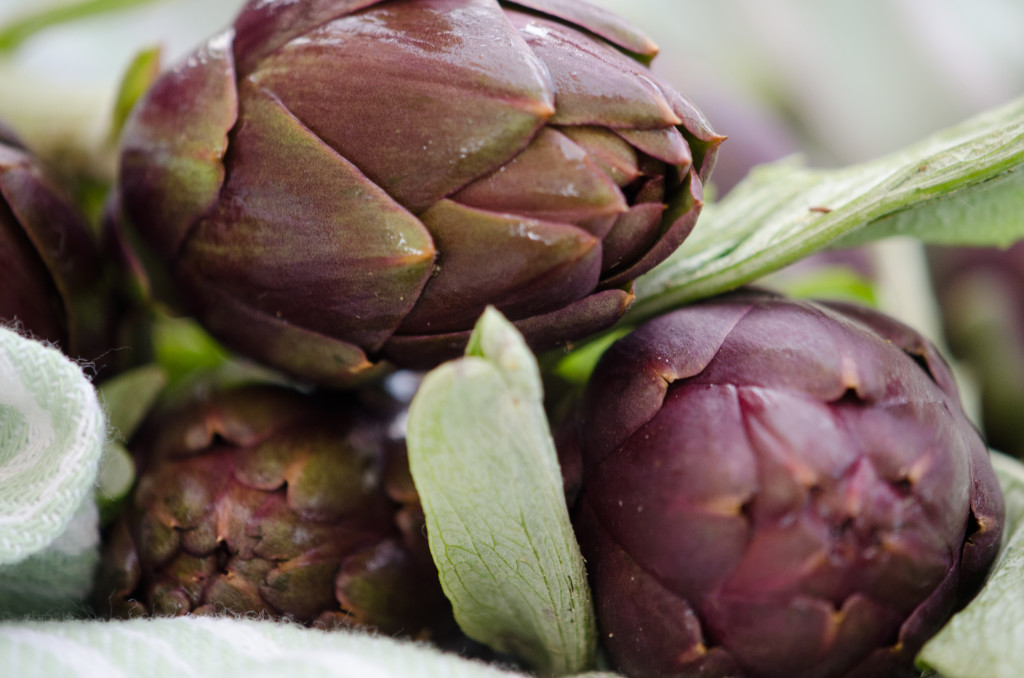 Here’s a recipe from the now-defunct “La Cucina Italiana” for the classic raw preparation. Next post will be on a pasta dish using carciofi violetti – and more on the history of artichokes in Italy.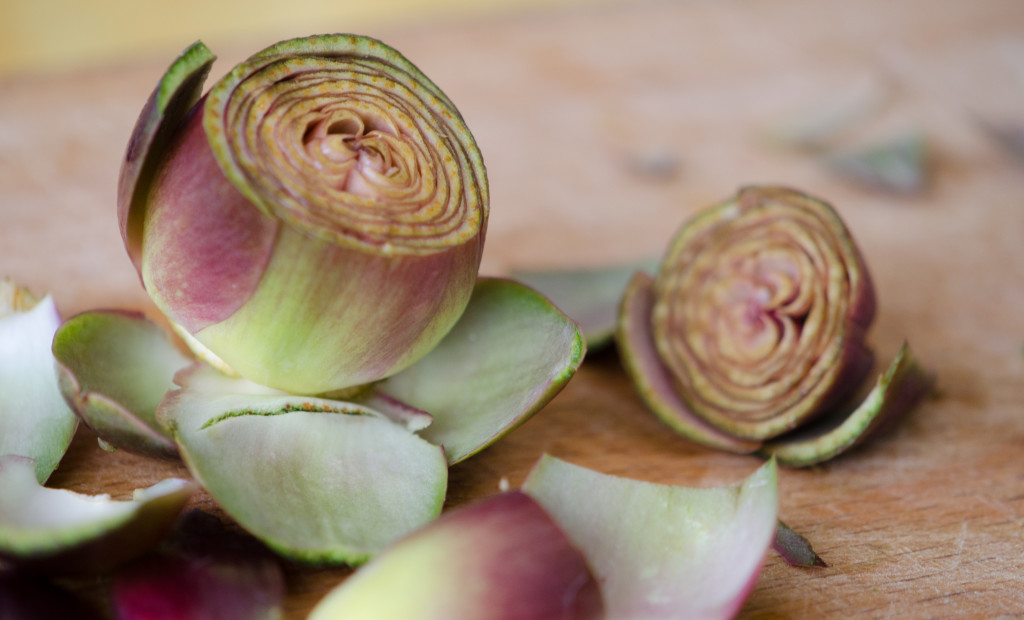
 Our first tour of the season, a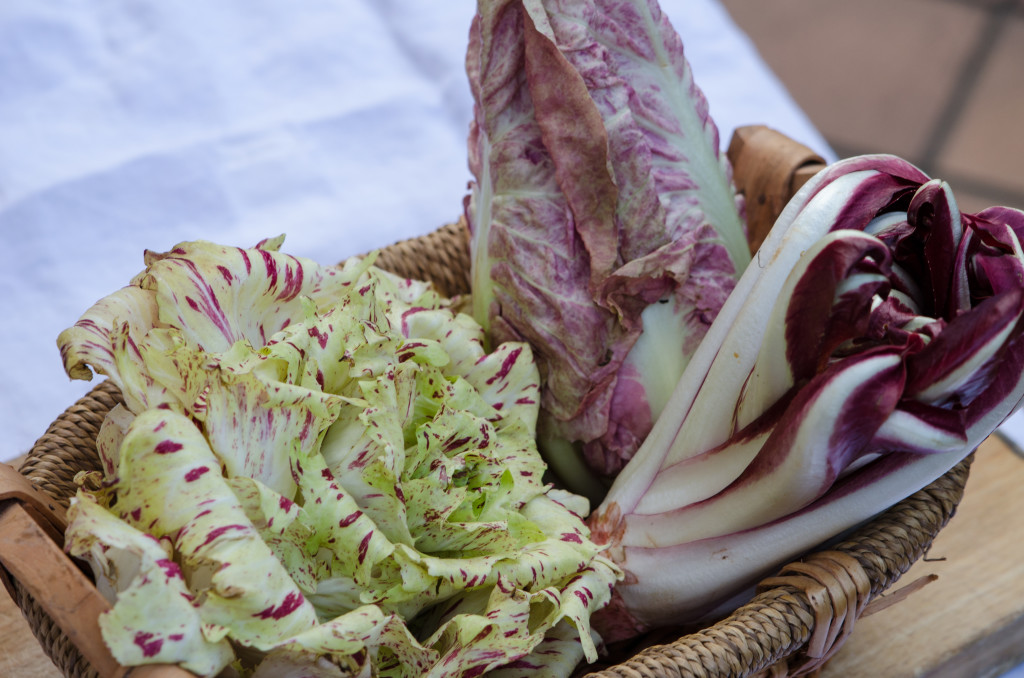
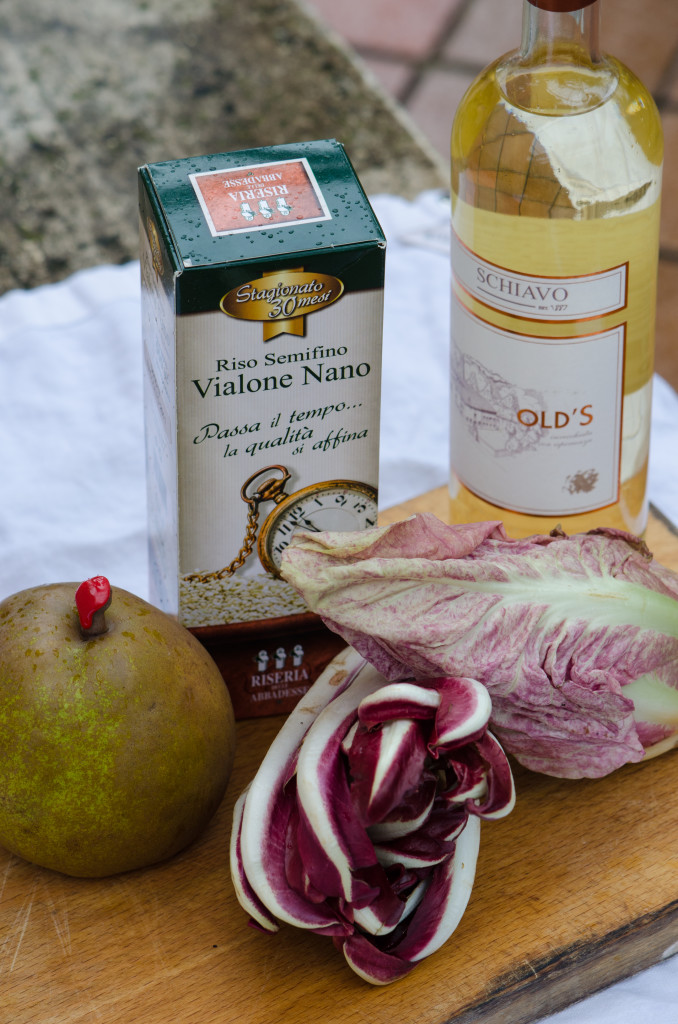 There are two varieties of Radicchio Rosso di Treviso which are grown in and around Treviso, and both are protected by their own IGP quality designation. The Precoce variety appears first in the season, and has deep red leaves, with an elongated shape. It has the sweetest and most delicate flavor in the radicchio family. The second type, Tardivo, is more elongated, with a more pronounced vein. As with most radicchio, both undergo a forcing, or ‘whitening”, imbianchimento, in which field-harvested plants have their upper halves cut off, and then are replanted in running water. After a few days, the deep red inner ‘heart’ begins to grow, which is sweet and tender, with a touch of the original bitterness still remaining. The older outer leaves are removed and the heart is what you will see in the market.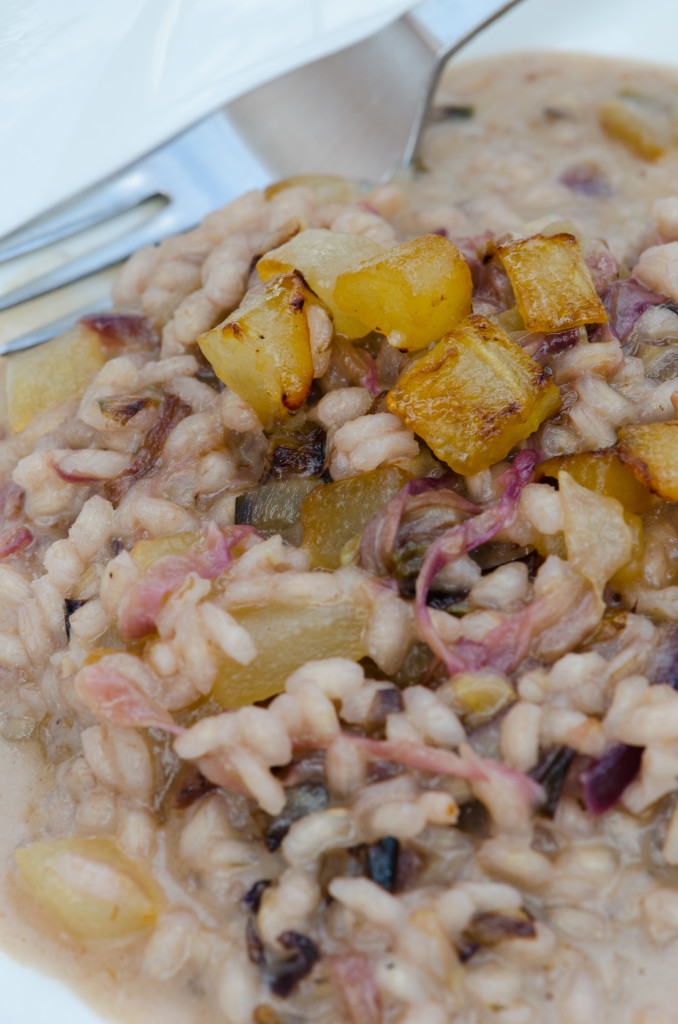
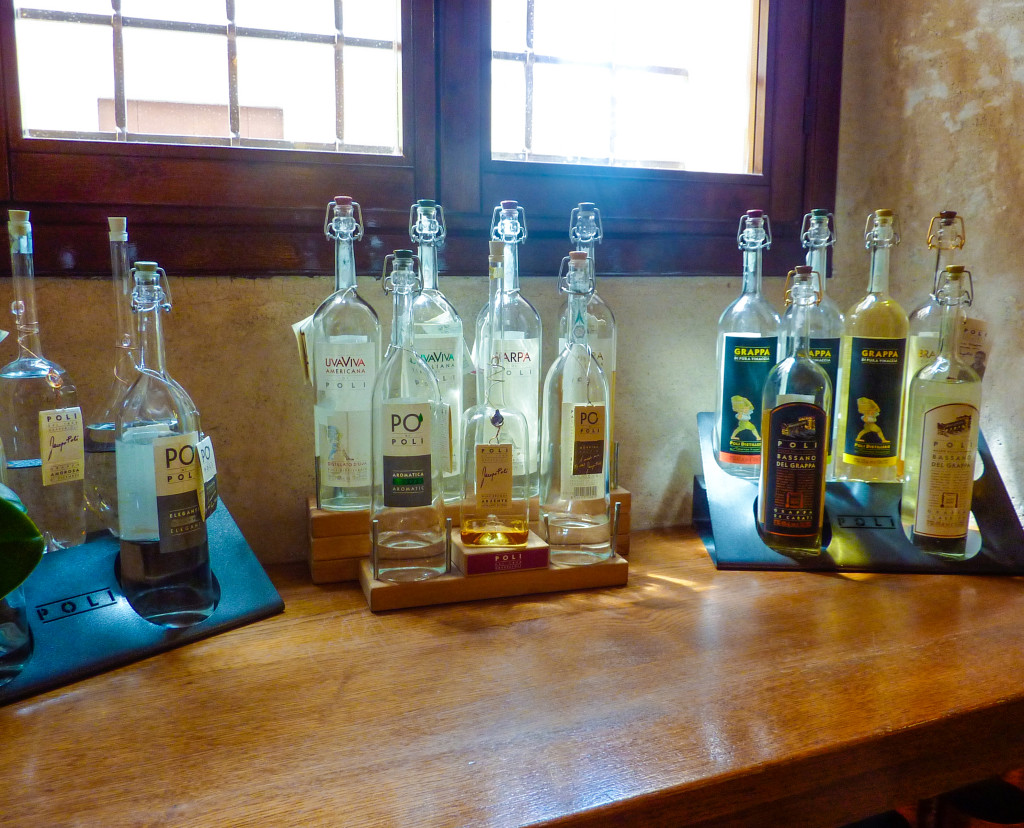 The most famous, and most popular, after dinner drink in Northeastern Italy is grappa. We introduce it in many ways to our guests on our
  Grappa is similar to other distilled liquors, but is unique in that it is the only spirit made from distilling the skins, pulp, seeds and stems (called vinaccia) leftover from the winemaking process. Legend has it that a Roman solider first distilled grappa in Bassano del Grappa using equipment he stole from Egypt, but this is not the case, as the distillation techniques in use then could not produce grappa. According to Ove Boudin, in his book Grappa: Italy bottled, in ancient times the royalty would drink the wine, and the poor would make their own makeshift wine by adding water to the leftovers – nothing went to waste – calling it vinello. Around 1600, the Jesuits formalized and perfected distillation techniques, making it possible to distill vinaccia, and grappa was born.
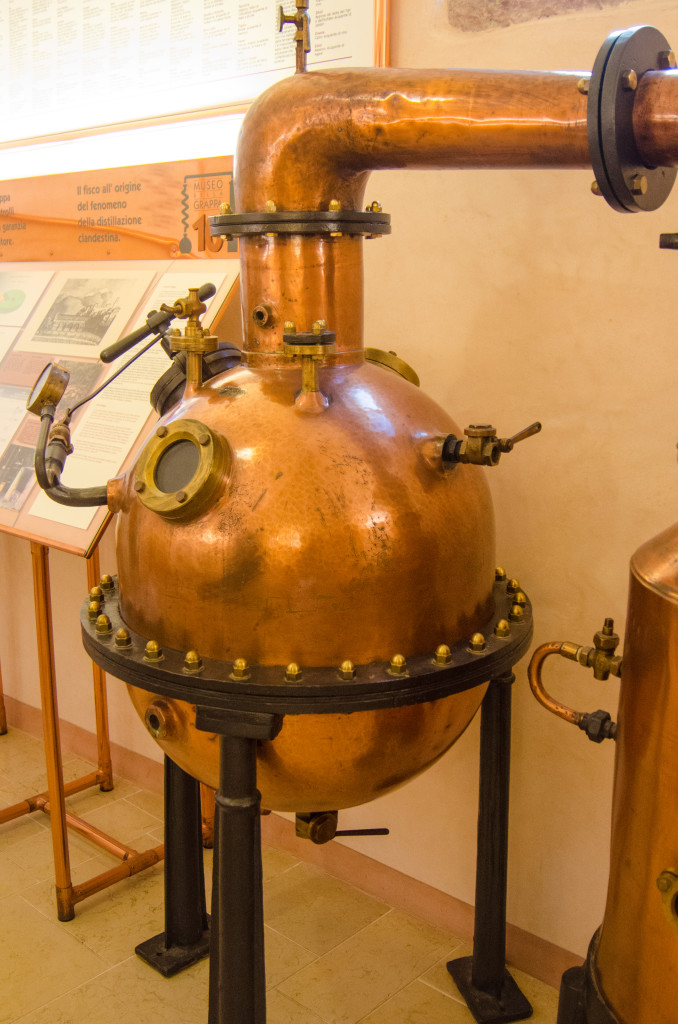 For many years, grappa was distilled with whatever vinaccia the producers would have available. Nowadays, as with most distilled liquors, modern producers have introduced refinements to the production process, greatly improving the final quality, and resulting in many diverse varieties. Today, the use of varietal grapes and aging in casks of various types of woods allows the producers to offer magnificent grappas that reflect the high quality and the unique nature of the original grapes. At the forefront here is Nonino, a Friuli based producer that was the first to introduce a single varietal grappa in 1973.
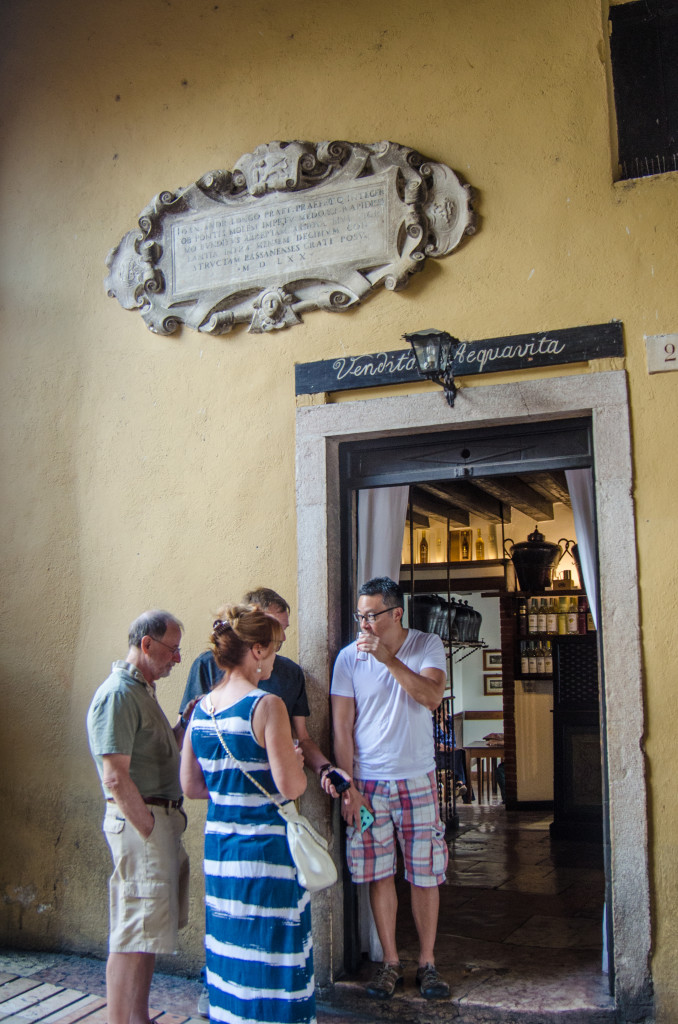 Grappa is now a name protected by the European Union. To be called grappa, the liquor must be produced in Italy, or certain parts of Switzerland or San Marino, be produced from vinaccia (also known as pomace), and fermentation and distillation must occur on the pomace, with no added water.
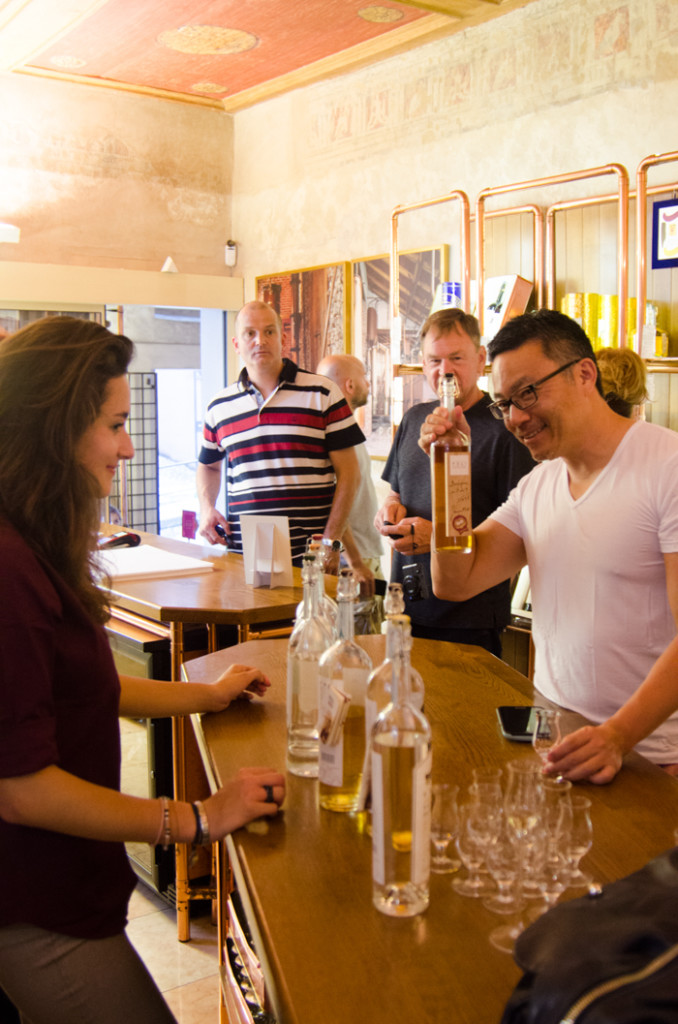
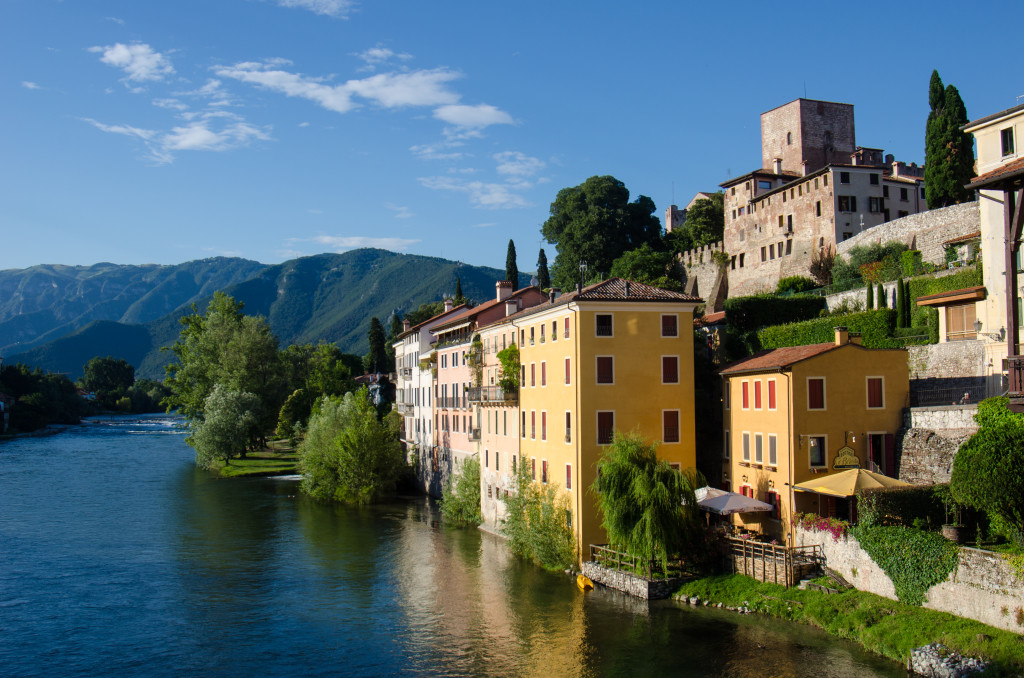 We visit Bassano del Grappa on our tours in Italy, and have the opportunity to visit two very well known producers that are right across the street from each other. Nardini is located at the end of the famous Ponte degli Alpini in Bassano, and is popular with the locales; you will see quite a crowd there, spilling out onto the bridge itself in the late afternoon. Poli is located here as well, and has a very interesting museum that leads you through the production process. Many small antique bottles are on display, and a ‘sniffing’ room, where you can explore the aromas of about 20 or so different grappas.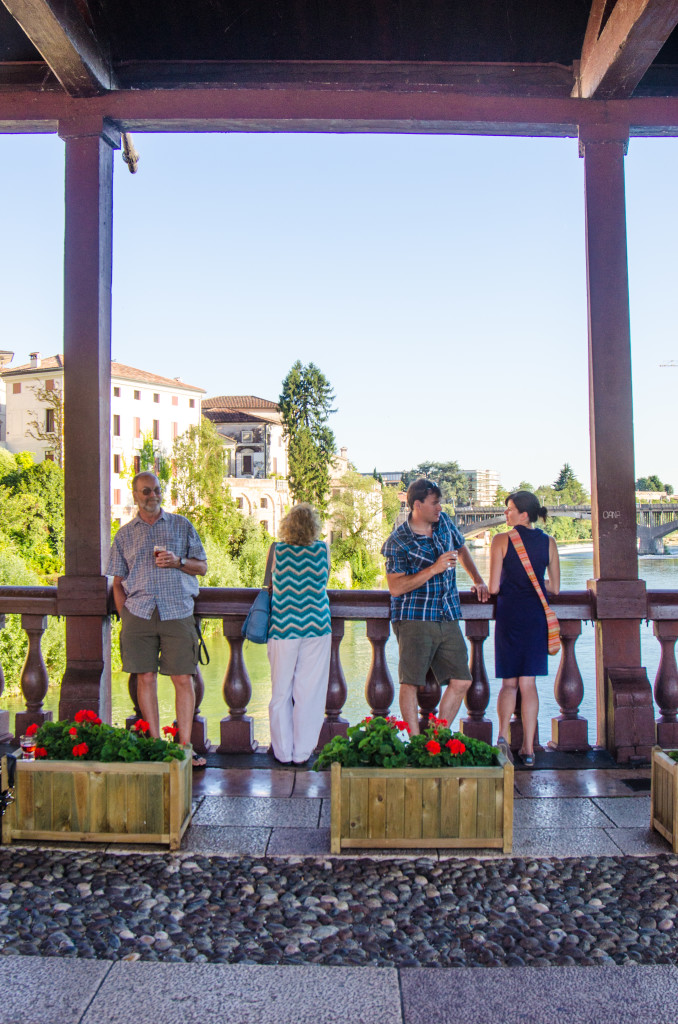
 Our touring season in Italy is fast approaching, and we’ll be returning to Tuscany on a
 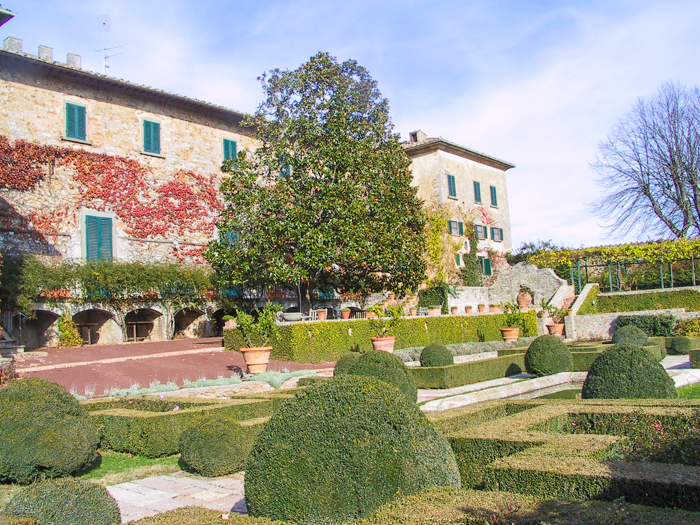 Badia a Coltibuono
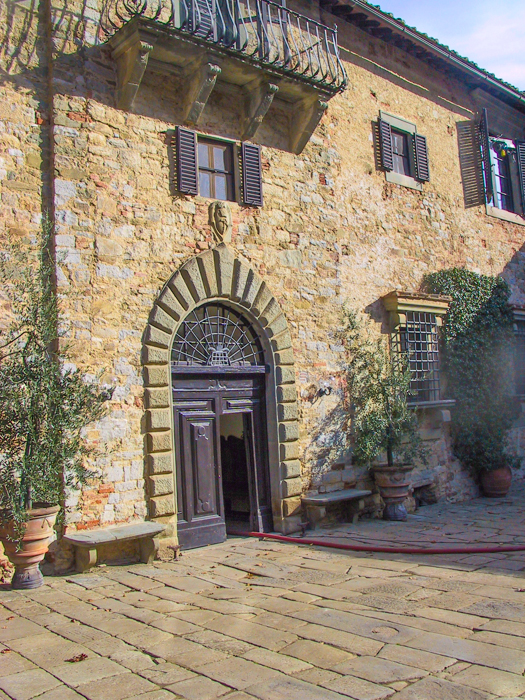 In 1846, Coltibuono was bought by Guido Giuntini, a Florentine banker and great grandfather of Piero Stucchi-Prinetti, the present owner. Today the estate is run by Piero’s four children. Under the guidance of Piero and now his children, the estate continues to grow and build a solid reputation both in Italy and internationally for its wines and olive oils. It also operates a lovely agriturismo, cooking school, and restaurant.
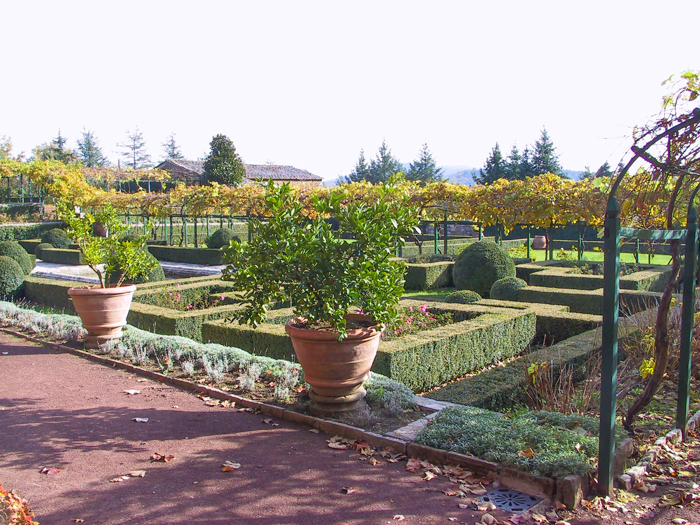 The cooking school here at Badia was begun in 1980 by mother Lorenza deMedici. She is known world-wide for her many lovely cookbooks as well as her PBS television series The De’ Medici Kitchen. Today the cooking school features Benedetta Vitali, a Florentine chef, co-founder of “Cibreo” restaurant with Fabio Picchi, and then “Zibibbo” in 1999.
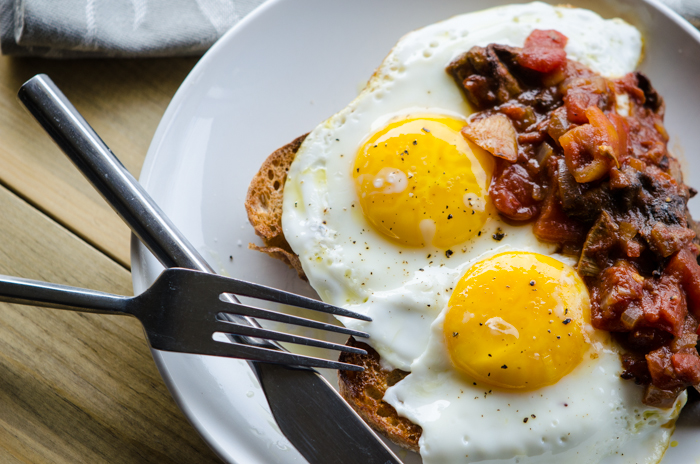
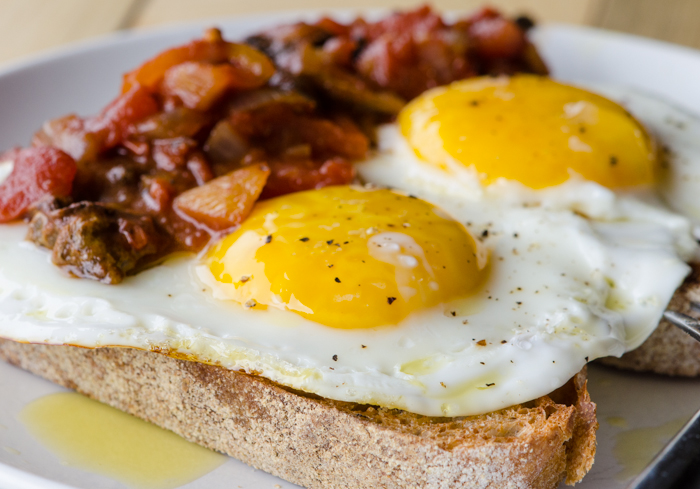 Here is a recipe from Lorenza deMedici’s cookbook “Tuscany: The Beautiful Cookbook”. It is for Crostoni di Uova alla Cacciatora, or Hunter’s Eggs. To quote “These eggs are traditionally prepared for excursions to Monte Amiata, a tall mountain with an enormous cross on its summit. The area abounds in game and wild mushrooms.” We enjoy cycling and hiking in the countryside surrounding Monte Amiata during our tours in Tuscany.