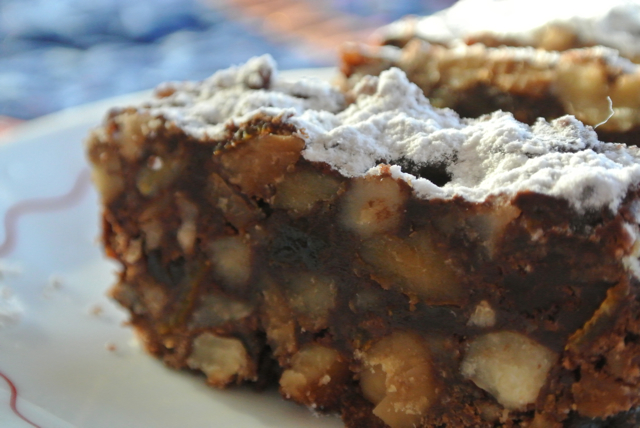
Panpepato – A Spicy, Chocolaty Italian Fruitcake

panpepato custom bike tours italiaoutdoors food and wine
Panpepato

Around the world, you will find some form of fruitcake served as a traditional holiday dish. From the UK and Canada to the Bahamas, one can find cakes made from dried or candied fruits, nuts and flour as a sweet to end a Christmas or New Year’s feast. Here in the US, it has become the butt of holiday jokes, thanks to Johnny Carson’s observation that there is only really one fruitcake which is passed on from family to family – or ‘re-gifted’ as we call it now in the post-Seinfeld era. But I confess to enjoying fruitcake, and the 4 loaves I made with this recipe will not survive to adorn my Christmas table. An embarrassing revelation to make, as I was alone all this past week, and can’t blame their disappearance on anyone else!
spices wine bike tours italy italiaoutdoors food and wine
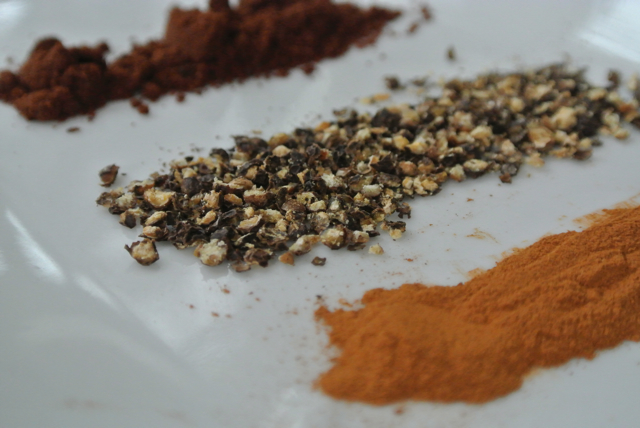
Pepper, cloves and cinnamon

Pan pepato, or ‘peppered’ bread, is a fruit cake which hails from either Siena or Ferrara, depending upon the source, and you will probably find others that claim to have first produced this spicy cake – hearing firsthand from locals the stories behind their favorite dishes is one of my favorite things about our Italiaoutdoors Food and Wine Italy tours. In this case, depending upon the ‘legend’, panpepato is either the predecessor or antecedent of pan forte, ‘strong’ bread. Both are fruit cakes, pan pepato (or panpepato) is flavored with black pepper and chocolate, while pan forte (or panforte) is milder, with the chocolate and pepper omitted.
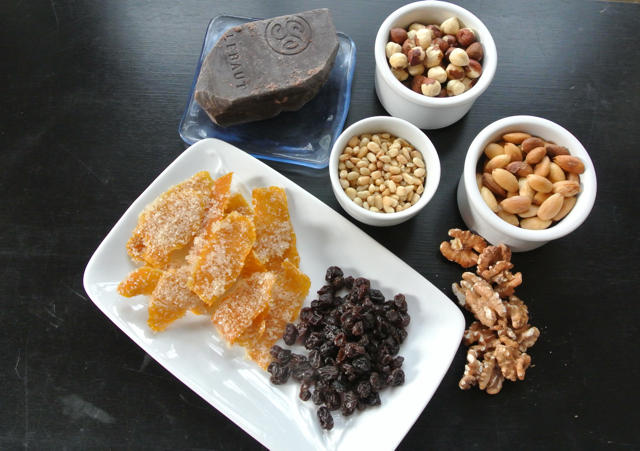
ingredients bike tours italy italiaoutdoors food and wine

Documentation of these fruitcakes dates back to the 1200s, and shows that this type of bread was paid to Siena monasteries as a tithe. About this time, there are references to the Crusaders carrying this long-lasting sweet on their quests, to sustain them during sieges. Several sources I came across also note the strongly spiced bread was valued by said knights for it’s aphrodisiac qualities. There are also documents that mention panforte being served at the banquets of the Venetian aristocracy, which may be the route by which various spices were introduced to the recipe.
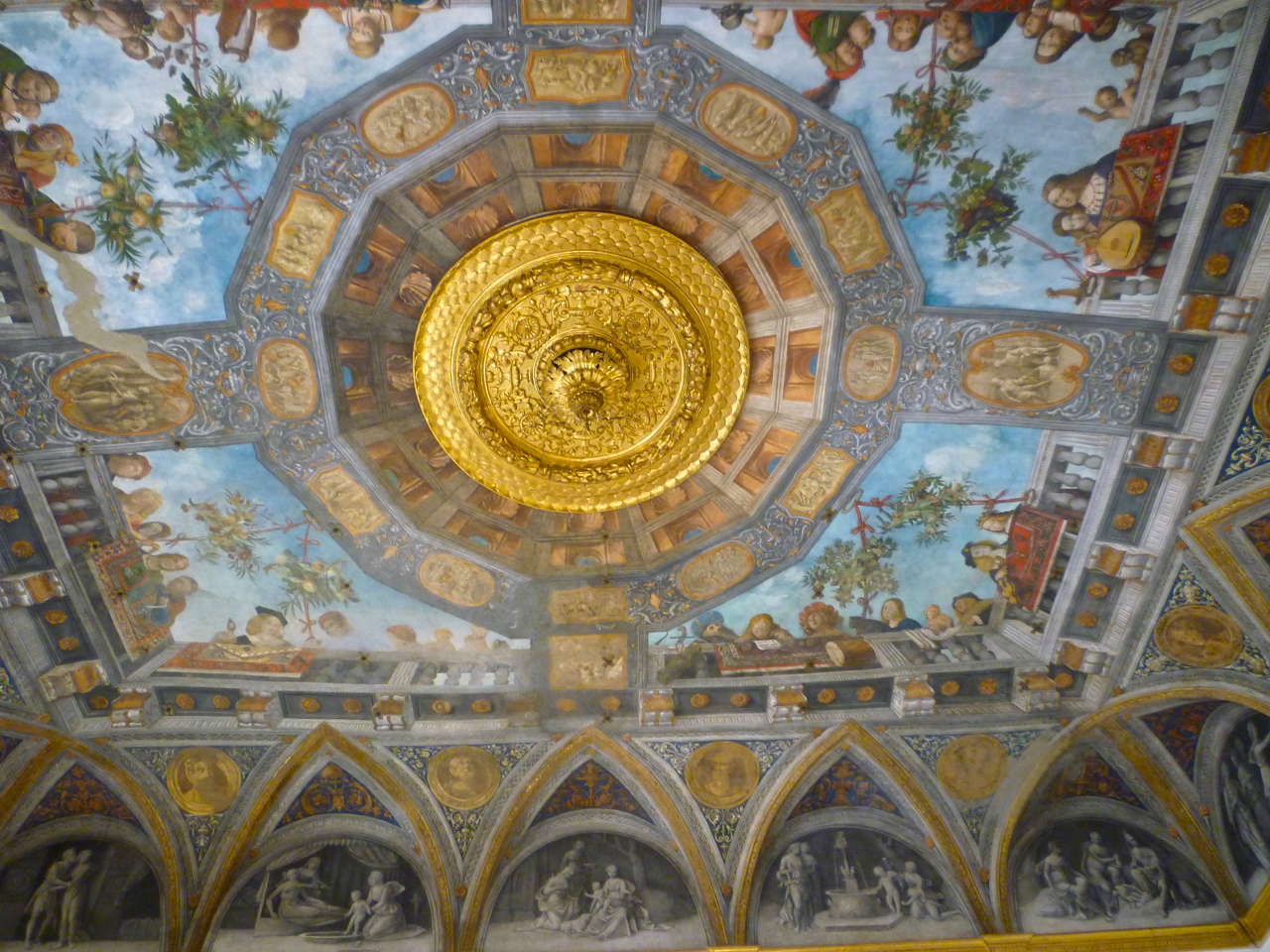
castello estense ferrara bike tours italy italiaoutdoors food and wine
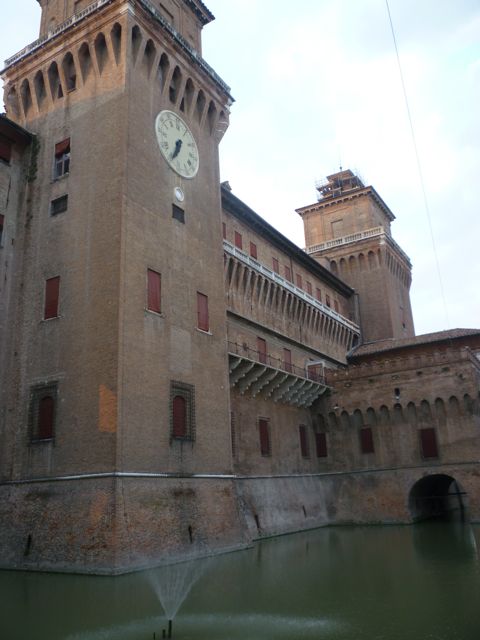
Castello Estense, Ferrara

In Ferrara, panpepato is served from Christmas day to Epiphany, but is traditionally offered on New Year’s Eve. In 1465, the Duke of Ferrara, Borso d’Este celebrated the feast of St. Martin with an elaborate banquet that included pan pepato with gold pieces inserted in each cake. The bakers of Ferrara then became famous for this dish, and the Ferrarese would present a panpepato to nobility and to the Pope to gain favor. As recently as World War II, the Ferrarese sent an 11 pound panpepato to General Eisenhower.
baked cakes bike and cooking tours italiaoutdoors food and wine

Today you will find many shops across Italy making panpepato, and more commonly, panforte. Each has it’s own closely guarded recipe and distinctive packaging. For example, the Bonci family, pastry chefs from Tuscany, claim their panpepato, a “descendant of the ancient Medicean recipe, is a sweet delicacy and a voyage in time. Almonds, hazelnuts, walnuts and figs dance among spices wrapped in honey, all shielded in a dark chocolate covering adorned with red pepper corns. A triumph of flavors at the court of taste.”
chocolate cycling dolomites italiaoutdoors food and wine

I developed the following recipe by grabbing what I thought were the best features of several recipes. More than one called for an ingredient called ‘runny honey’, which was simply watered down honey. One called for espresso, so I combined both and ‘watered down’ my honey with espresso. The spices varied from recipe to recipe, and included black, white, or pink peppercorns, cinnamon, cloves, ginger, nutmeg, cardamom, and coriander. Another variation you could try is replacing some or all of the candied orange peel with figs or other dried fruits. Lots of wonderful options to try as I strive to achieve “a triumph of flavors at the court of taste.”
orange peel cycling tours europe italiaoutdoors food and wine

Panpepato
(Makes 4 small loaves)

1/2 cup raisins
1/4 cup dry marsala
3/4 cup walnuts, toasted and chopped
3/4 cup hazelnuts, toasted and chopped
3/4 cup almonds, toasted and chopped
1/2 cup pine nuts, toasted
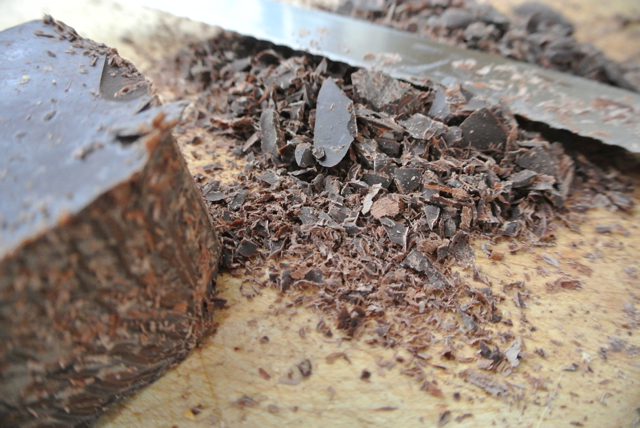
3/4 cup semisweet chocolate, finely chopped
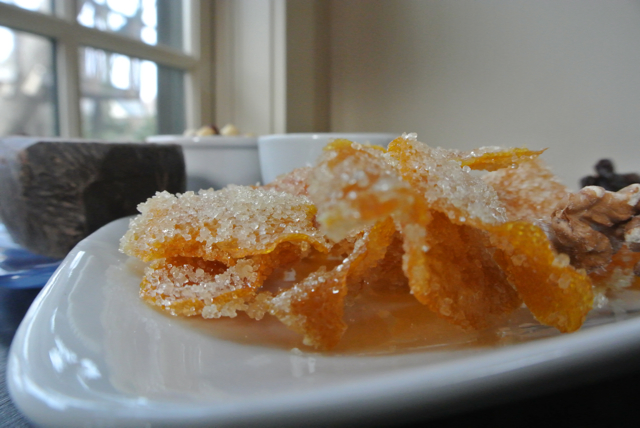
1/2 cup candied orange peel, chopped
1 teaspoon cinnamon
1 teaspoon ground black pepper
1/2 teaspoon cloves
1/4 teaspoon freshly grated nutmeg
1/4 teaspoon salt
3/4 cup flour
5 tablespoons brewed espresso
6 tablespoons honey
2 tablespoons butter
Confectioner’s sugar for dusting

Preheat the oven to 350°F.

In a small bowl, soak the raisins in the marsala for 30 minutes.

In a large bowl, combine the nuts, raisins, chocolate, orange peel, cinnamon, black pepper, cloves, nutmeg, salt and flour.

In a small saucepan, combine  the espresso, honey, and butter. Heat until butter has melted, and stir to combine.

Add the honey mixture to the nuts and stir to combine.

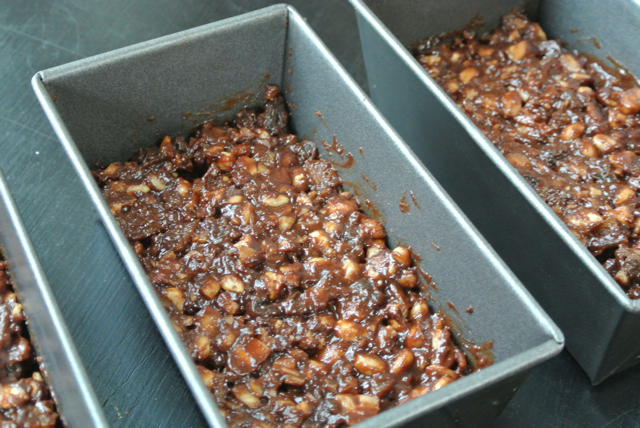
Spoon the mixture into four small non-stick loaf pans, smoothing with the back of a spoon. Place in the preheated oven and bake for 20 minutes. Remove from the oven, and allow to cool slightly. Remove the loaves from the pan and allow to cool completely.

Top with confectioner’s sugar or cocoa, and serve with a sweet wine such as vin santo.
Posted in Baking, Christmas, Uncategorized | Tagged , , , , , , , , , , , , , , , , , , , , , , | 7 Comments

Sgroppino – A Favorite Italian Cocktail

sgroppino bicycle tour europe italiaoutdoors food and wine
Sgroppino

Looking for a festive, different cocktail to serve during the holidays? Try a Sgroppino, one of many beverages that use our favorite sparkling wine, Prosecco. We enjoy a prosecco aperitif pretty much daily on our Italy cycling holidays and Dolomite ski tours. Sometimes we ‘mix it up’ with a drink like a Sgroppino, where we get our daily prosecco fix in a icy, clean cocktail. Sgroppino can be served as a palate-cleansing aperitif, or as a dessert drink. The name roughly translates in the Venetian dialect as ‘untie’, referring to it’s rumored ability to relax the stomach after a large meal.
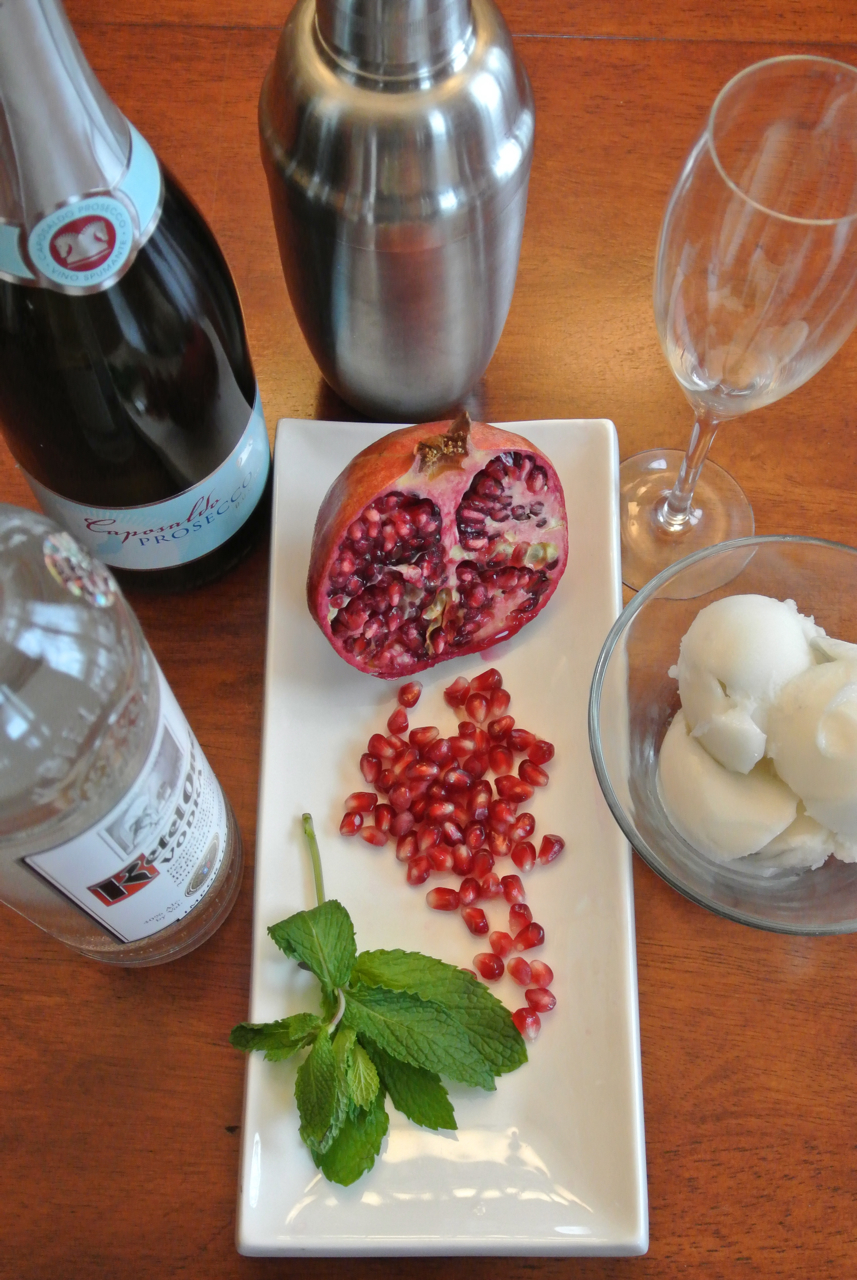
sgroppino ingredients luxury ski holidays italiaoutdoors food and wine
There are several different versions of this drink, which originated in Venice. Most include lemon sorbet, prosecco and vodka. In the mountains of Friuli, they leave out the prosecco – maybe the more rustic, heavier mountain foods requires a more direct approach to untying. I’ve also seen recipes which include heavy cream, which might be a nice addition if your sorbet is pretty icy, but I don’t find it necessary.
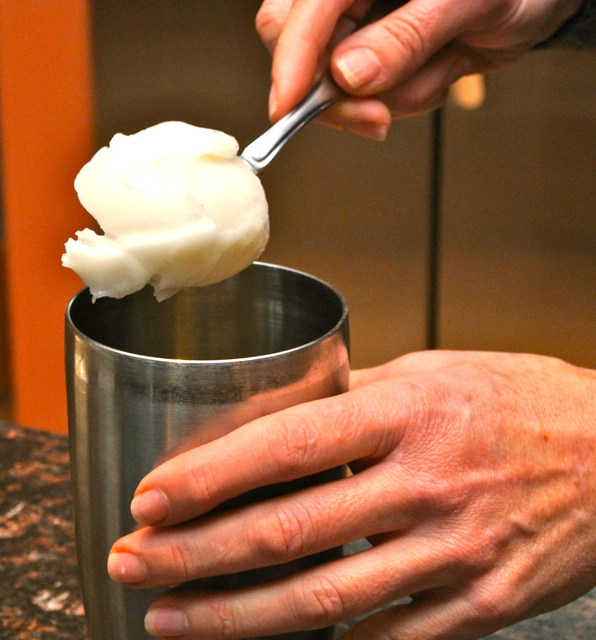
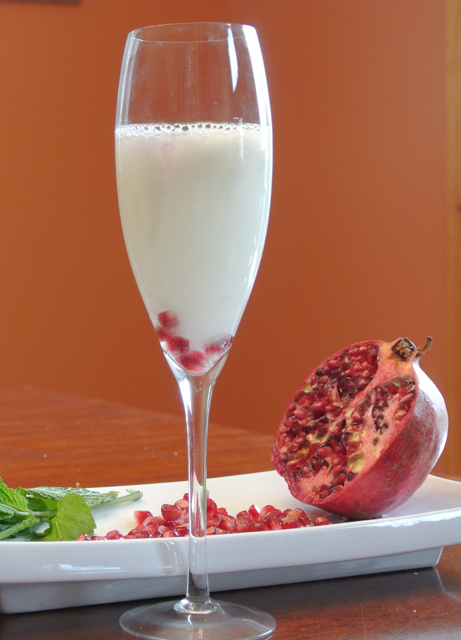
sorbet cycling holidays europe italiaoutdoors food and wineAfter several enjoyable attempts, I came up with the following recipe. The simplest recipes call for spooning lemon sorbet directly into a glass, and topping with prosecco and vodka. We found this a bit hard to consume, as the prosecco and vodka seemed to disappear well before the sorbet has melted. The recipe below results in a cold, smooth drink without ‘globs’ of lemon sorbet. Whatever form you prefer, the drink is great, and makes quite a festive holiday presentation when garnished with the green mint and red pomegranate seeds.
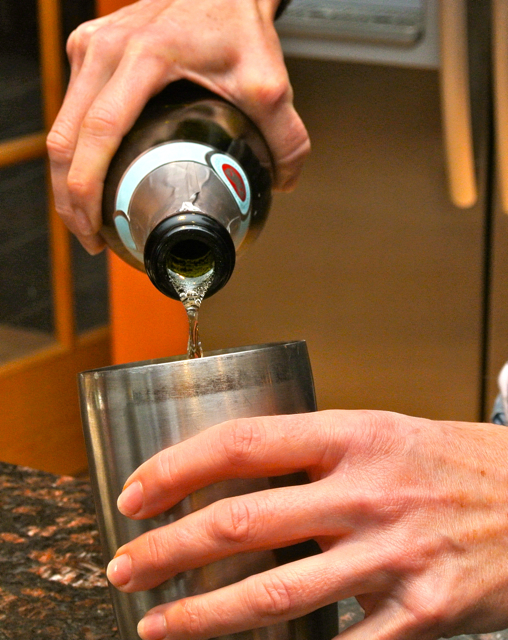
adding prosecco group ski holidays dolomites italiaoutdoors food and wine
Sgroppino

Makes 1

1 large spoonful lemon sorbet (about 1/4 cup), softened slightly
3 ounces prosecco, chilled
1 ounce vodka, chilled
Sprig of mint
Pomegranate seeds

About 1/2 hour before making your drink, put the vodka and prosecco in your freezer to chill.

Place the softened lemon sorbet in a cocktail shaker, and whisk until smooth with a fork or small whisk. Add the prosecco and vodka, and shake well. Pour into a champagne flute or martini glass, and garnish with mint and a few pomegranate seeds. Serve.

Posted in cocktails, Uncategorized | Tagged , , , , , , , , , , , , , , , , , , , , , | 1 Comment

Christmas Cookie Ornaments – Almond Shortbread Cookies

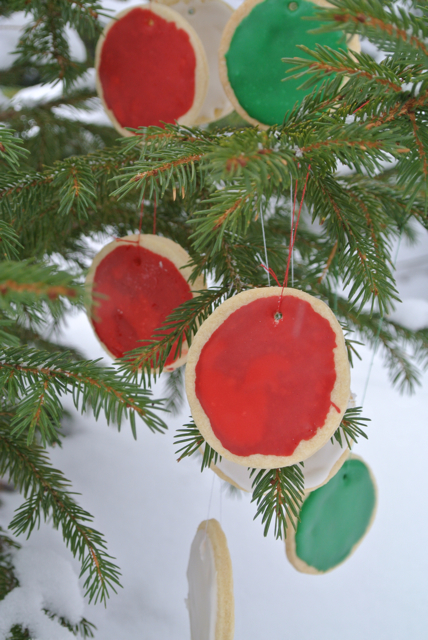
cookies in tree 1 ski holidays dolomites italiaoutdoors food and wine
Ornament Cookies

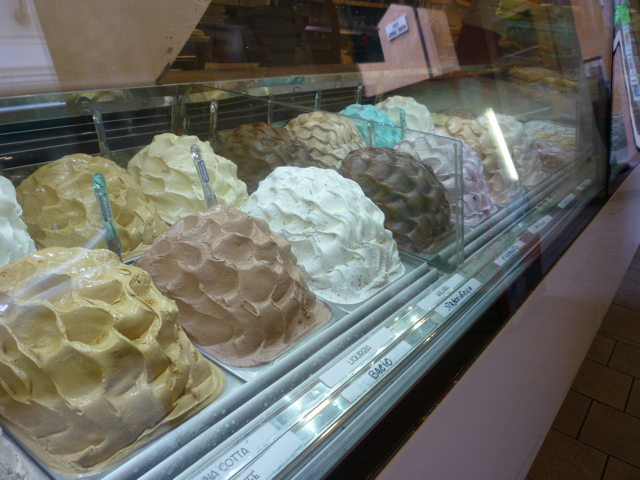
All across my travels in Italy, I see breads and sweets designed to please the eye as well as the palate. From the intricate marzipan of Sicily to the care the gelato vendors in Sirmione take to display their wares each morning, the attention to detail is a pleasure to behold. During our Italiaoutdoors Food and Wine culinary bike tours, we have a bit of fun with this ourselves, when we make a surprisingly simple apple dessert, enclosing a whole apple in puff pastry.

gelato sirmione bicycle tours italy italiaoutdoors food and wine
Gelato in Sirmione

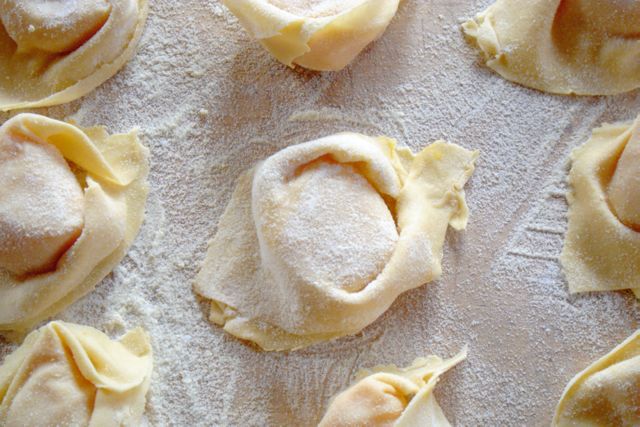
Decorating with sweets has been a part of Italian cuisine since the 16th century. Even before this time, the shapes of breads and all the many shapes and sizes of pastas were not just random, but often created to replicate something – be it the rounded shape of panettone in honor of the church domes of Lombardy, to the scroll shaped X of  the Coppia Ferrarese breads, alluding to the adventures of the Duke of Ferrara, to the cappellacci pasta, named for their resemblance to straw hats worn at the time.

finished tray luxury ski holidays italiaoutdoors food and wine
Cappellacci pasta

Sugar was first introduced to Europe in the 1100’s, but was initially so scarce that it was enjoyed only by the nobility, and was often hoarded and used as a form of money rather than consumed. Following the discovery of America, where the islands of the Caribbean proved to be a fertile climate for the production of sugar cane, sugar supplies increased significantly and it was no longer reserved for the wealthy.

decorating cookies ski holidays dolomites italiaoutdoors food and wineMy last post mentioned the elaborate banquets of the Italian Renaissance nobility. Sugar was still a prized ingredient at this time, and so would take center stage as a symbol of wealth at such an event. In addition to being used in pastries and cakes, sugar was often mixed with egg whites to create sugar sculptures of all sizes: from small table decorations to actual statues. According to the Barilla pasta web site, which has a nice collection of recipes, “the Venetian credenzieri were expert sugar sculptors and were able to turn sugar into real works of art. In fact, in 1574, Henry III of France was the guest of honor at a Venetian banquet, but didn’t realize that the entire table was made of sugar, from the cutlery to the food itself. Apparently he picked up what he believed to be a napkin and broke it in half.”
cutting dough bike wine tours italiaoutdoors food and wine
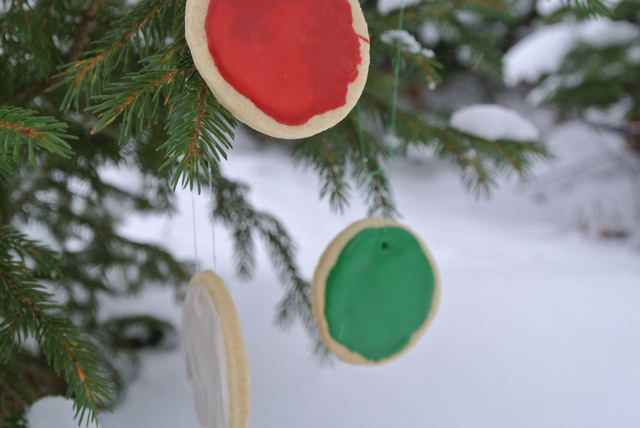
As a trained chef, but a simple cook at heart, I appreciate the skill that goes into this, but personally don’t practice it. The one time of year I indulge a bit is the holiday season. I  make several types of Christmas cookies, and enjoy sharing an attractive assortment with friends. This same page on the Barilla web site offered a simple almond cookie recipe that you can decorate and hang on your Christmas tree, or just enjoy with a glass of prosecco or a sweet wine like Torcolato after a holiday meal.  I’ve adapted this quite a bit – I liked the concept, but not the recipe, which made these by hand rather than in a mixer. If you prefer to eat the cookies rather than hang them on your tree, I would suggest decorating them with sugar or another frosting. The Royal Icing recipe below is ideal for decorating as it gets nice and hard, but frankly doesn’t taste good. I suspect the napkins at the Venetian banquet for Henry III weren’t particularly tasty either.

cookies in tree group ski holidays italiaoutdoors food and wine
Almond Christmas Cookies

Makes 2 1/2 dozen 2 inch cookies

5 ounces butter (1 stick, plus 2 tablespoons), room temperature
1/4 cup granulated sugar
1 egg yolk
1 1/4 cups all purpose flour
1/4 cup finely ground blanched almonds (if you are making these only as decorations, you can omit this and use 1 1/2 cups all purpose flour)
1/8 teaspoon salt
Cold water

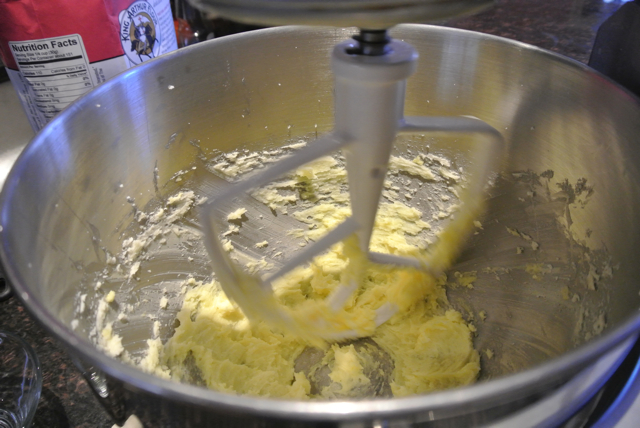
Cream together the butter and the sugar on medium speed, until the mixture is light and fluffy. Stop the mixer occassionally to scrape the sides down with a rubber spatula. Beat in the egg yolk at medium speed for 2 to 3 minutes, or until thoroughly combined. Scrape the sides of the bowl again.

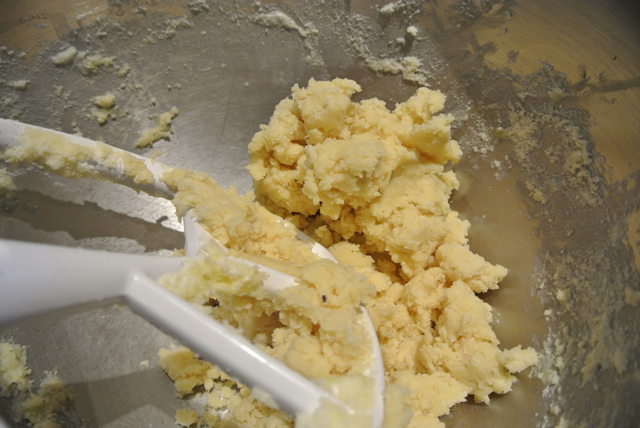
Place the flour, ground almonds and salt in a small bowl, and stir to combine the flour. With the mixer on low speed, add the flour mixture, and mix just until the dry ingredients are totally incorporated, scraping down the sides if needed. The mixture should come together into a single mass of dough. If it does not, add a bit of cold water, about one tablespoon at a time, until it does. Remove the dough from the bowl, wrap in plastic wrap, and refrigerate for 15 minutes.

Preheat the oven to 300°.

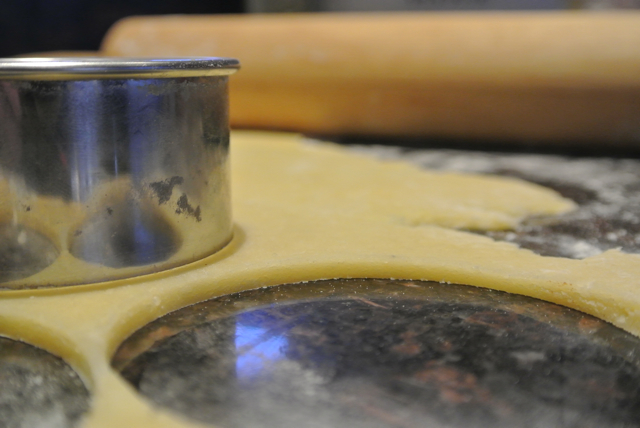
Remove the dough from the refrigerator. If it has been refrigerated for a long period of time, allow to warm a bit before rolling. On a floured surface, roll out the dough to 1/4 inch thickness. If you are using these as decoration, err on the side of thicker rather than thinner, as you don’t want these to be too fragile. Use a cookie cutter to shape your cookies. Place the cookies on a non-stick sheet pan.

If you are making ornaments, use a straw or skewer to poke a hole in the top of each cookie. Make sure the hole is wide enough for whatever you plan to use to hang the ornament from the tree. You will need a wider hole for ribbon, a narrower hole will be fine for thread or a wire hanger. I used a thick piece of bucatini pasta, and left it in while the cookies baked to ensure the hole will not close over during baking.

If you are making these to eat, sprinkle with granulated or colored sugar.

Bake for 10-15 minutes, until they are just beginning to brown on the edges.

If you are making ornaments, allow to cool and then decorate with Royal Icing.

Royal Icing

1 egg white
2 cups confectioner’s sugar

Using a whisk attachment, beat the egg white until stiff peaks form when the whisk is removed from the whites. Add the sugar, and beat until combined. If the icing is too thick, you can thin it by adding a bit of water.

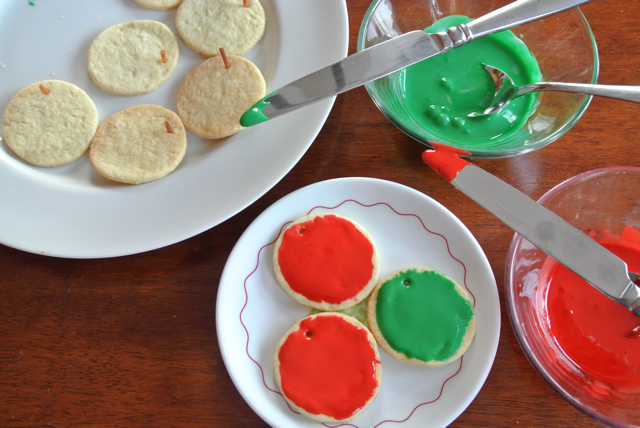
If desired, add food coloring to make red or green ornaments. Ice the cookies, keeping the icing covered as you work – the icing hardens fairly quickly. Keep a toothpick or skewer nearby to clear the holes of icing after coating the cookie. Once the cookies are dry, place a ribbon or string through the hole of each, and hang them on your Christmas tree!

cream butter sugar culinary bike tours italiaoutdoors food and wine
Cream sugar and butter until fluffy
dough bike and cooking tour italiaoutdoors food and wine
Dough coming together
Posted in Cookies, Uncategorized | Tagged , , , , , , , , , , , , , , , , , , , , , , , | Leave a comment

Reinventing Your Turkey Leftovers as a Renaissance Banquet – Zuppa alla Scaligera

zuppa scaligera custom bike tours italyFor those of you with any knowledge of Italian Renaissance banquets, or for you fellow fans of the Borgias, you are no doubt aware that these were incredibly elaborate affairs. During this time period, lavish meals were planned to honor an individual, or celebrate an exceptional occasion such as a wedding or the visit of a dignitary. These were no ordinary meals, but lasted many hours, even days, as a myriad of courses appeared along with entertainment such as plays, music and dances. The attention to the food served at these events is believed to have been the origin of the modern ‘haute’ cuisine, but the dishes served are quite different than those we enjoy today on our Italiaoutdoors active culinary tours.

These banquets were not only an opportunity to recognize the guest of honor or event, but were designed to showcase the wealth, generosity and power of the host. Dishes were elaborate, featuring many different meats, rare and out of season vegetables. During a visit to the Archeological Museum in Ferrara, there was a large display devoted to the lavish banquets of the Este family, which sometimes lasted 2 or 3 days and included dozens of courses. A menu for such an event would contain a wide variety of birds, including partridge, capons, pigeons, chickens, pheasants, quails, even turtledoves, peacocks and small songbirds, often served together in a single dish. Think of it as the predecessor for our Turducken.
archeological museum ferrara private tours italy
I came across a soup recipe in La Cucina – The Regional Cooking of Italy that they attribute to the Scaligeri family. The Scaliger, or della Scala family ruled Verona the mid 1200s until the late 1300s, and are often thought to be the model for the Capulet and Montague families in the legend of Romeo and Juliet. So this would be a recipe featured on the tables of the nobility, rather than ‘cucina povera’.  The recipe starts with the following ingredients:

1/2 young female turkey
1/2 free-range chicken
2 young squabs

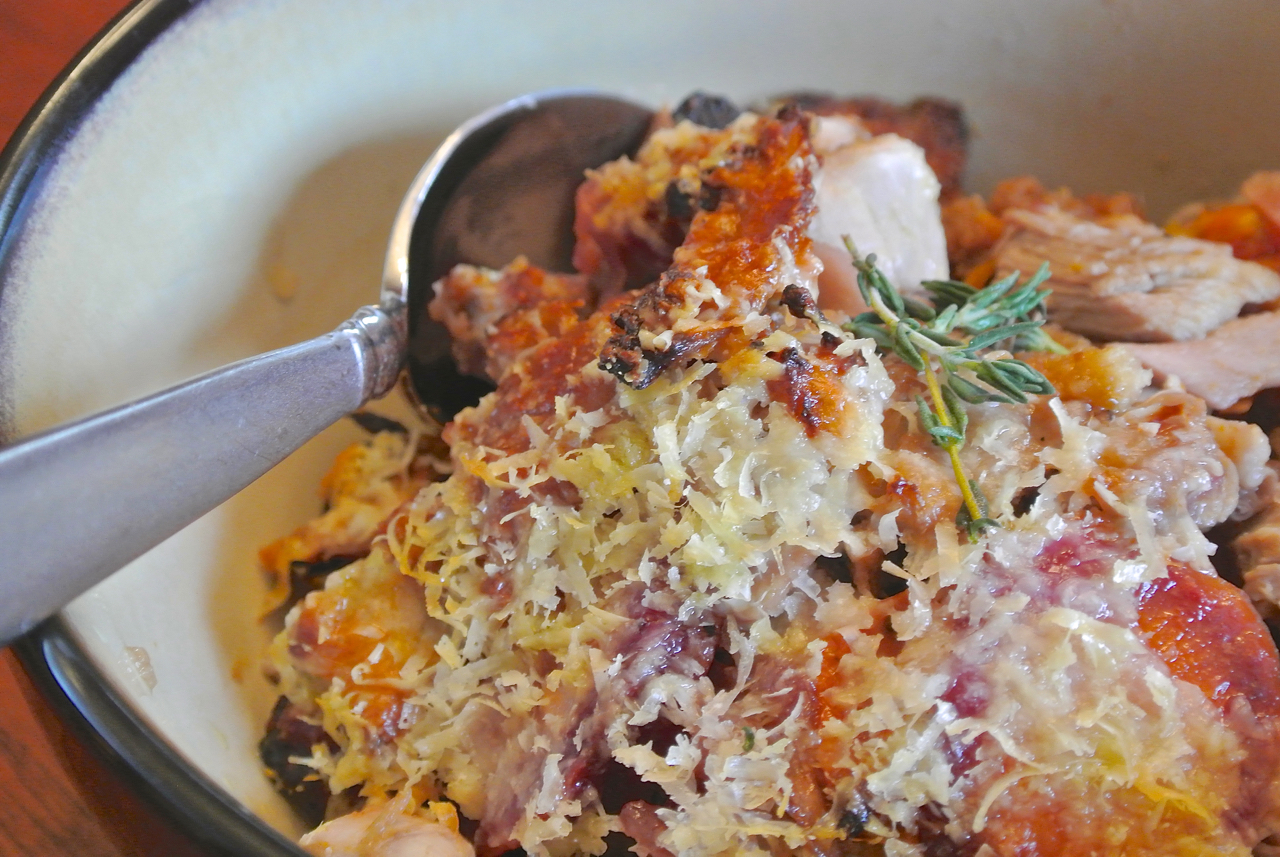
This is not a recipe I would normally consider making. (By the way, in Italian recipes it is not uncommon to see the gender specified. Traditionally they did have different preparations for male versus female animals.) But I kept reading and quickly realized that this soup, in which the birds are cooked, then used to fortify a soup of stock and wine, then poured over toasted bread and topped with grated cheese, would be a great way to use up my Thanksgiving leftovers – I had cooked turkey, stock, roasted vegetables, and toasted bread/stuffing.
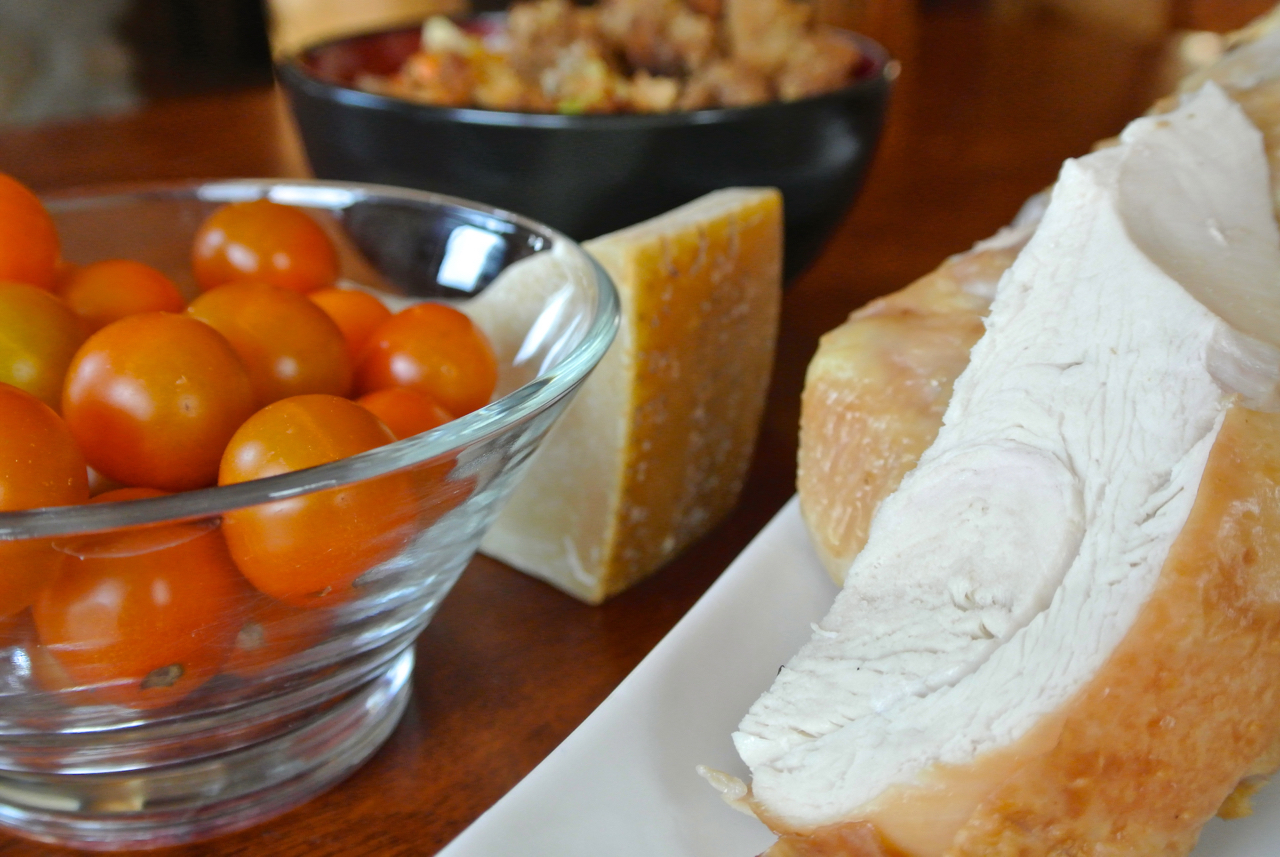
zuppa ingredients private tours italy
I modified the original recipe significantly. Not only do I use just one type of bird, but I reduce the cooking time drastically, and adapt it to feed 8. I’m not sure how many servings the original would provide, with 4 birds of unidentified sizes, but hopefully the version that follows is more friendly to modern chefs, especially those who don’t want to spend all of the day AFTER Thanksgiving in the kitchen.

Zuppa alla Scaligera

Serves 8

2 tablespoons extra virgin olive oil
1 stalk celery, thinly sliced
2 carrot, thinly sliced
1 onion, thinly sliced
1 potato, peeled and sliced
4 cups cooked turkey meat, chopped
4 ounces cherry tomatoes, halved
1 bay leaf
1 1/2 cups dry white wine
2 – 4 cups chicken or turkey broth
4 cups stuffing
2 cups grated grana or Parmigiano-Reggiano cheese
Kosher salt and freshly ground pepper

Preheat the oven to 350°.

In a large saucepan, heat the olive oil over medium heat. Add the celery, carrot, onion, and potato and saute over medium heat until soft, about 5-7 minutes.

Add the turkey and tomatoes, and season with salt and pepper. Add the bay leaf and wine, and simmer until the wine has reduced by half. Add 2 cups of the stock and bring to a simmer. This dish can be made to your preferred consistency – if you use only a little stock, it will be more like a casserole. If you add more stock, you will get a thick soup.

Layer the stuffing to cover the bottom of a 13×9 glass baking pan. Cover the stuffing with the turkey/vegetable/stock mixture. Pour additional stock over the mixture if you would like it to be more on the soup side than a casserole. The need for more stock at this point will also depend on how moist your stuffing is; but you can always add some later. Top with the grated cheese.

Place in the preheated oven and cook until the mixture is bubbling and the cheese is melted and brown, about 30 minutes.

A couple of ideas to help clean out your refrigerator. Include any leftover roasted vegetables when you add the tomatoes and turkey. Fortify the stock with your leftover gravy.

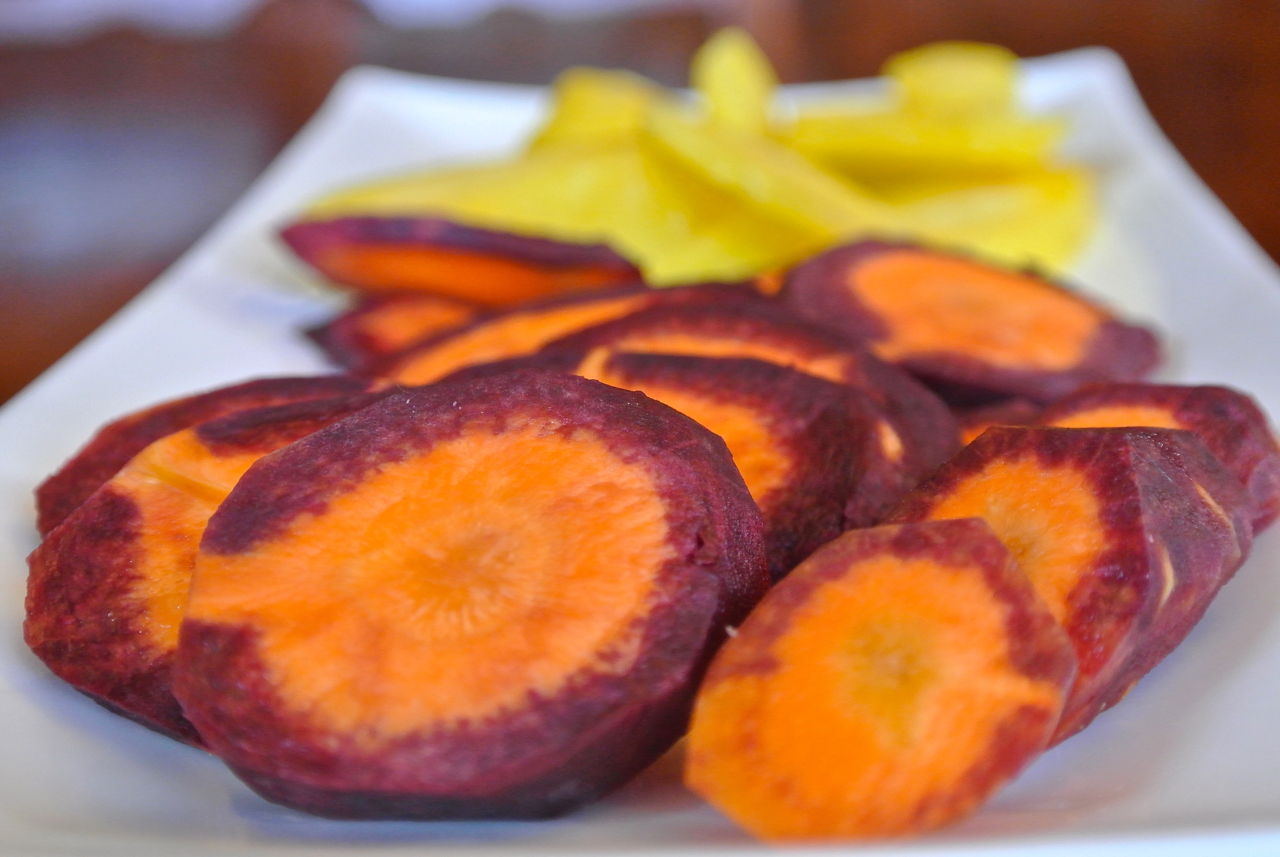
zuppa carrots custom tours italy


Posted in Travel, Turkey, Uncategorized, Veneto Food | Tagged , , , , , , , , , , , , , , , , , , , , | Leave a comment

Patate in Tecia – “Crusty” Mashed Potatoes

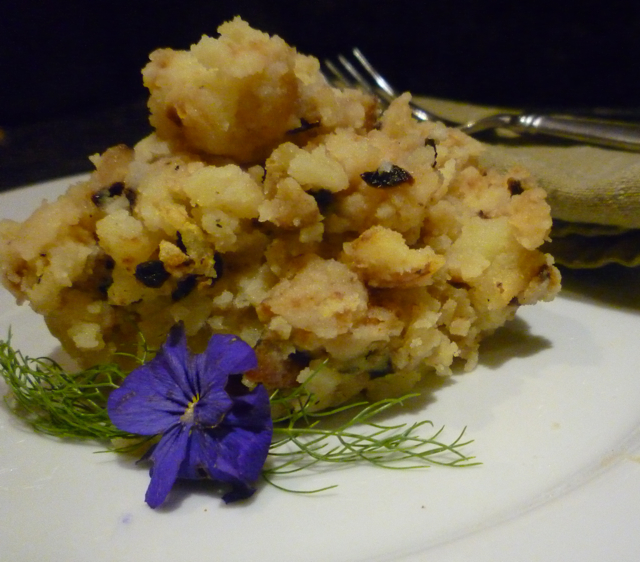
patate finished bike tours italy italiaoutdoors food and wine
Patate in Tecia

Less than a week to go before Thanksgiving, and here in the US we are researching recipes to find the perfect dishes for our upcoming celebration. In my family, mashed potatoes is THE favorite way of serving potatoes, and we probably have them at least once a week. But it’s not a dish we see often in Italy on our Italiaoutdoors Food and Wine adventures. We have potato gnocchi, and roasted potatoes, but not mashed. But I recently found a recipe from Northeastern Italy that offered a new spin on mashed potatoes, and we’ll be enjoying this along with our turkey on Thanksgiving.

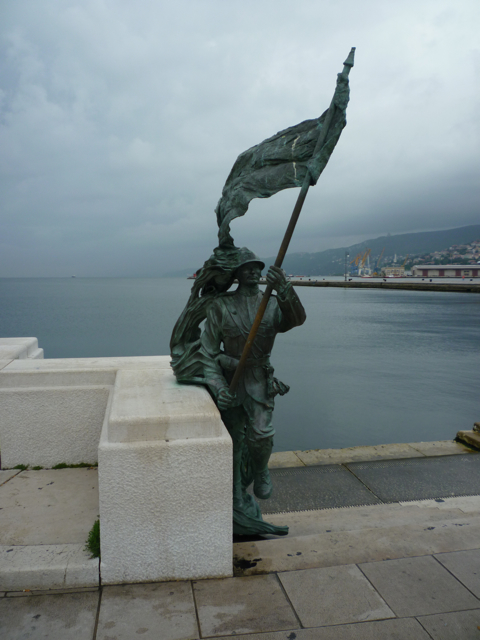
Statue at Port in Trieste cycling tours italiaoutdoors food and wine
Port of Trieste, Italy

This recipe is a classic dish from Trieste, Italy, a port city on the Adriatic, just to the north of Slovenia’s Istria peninsula. In Tecia refers to the cast iron pan that would normally be used to cook this dish; you will find many other recipes using this name, from pollo (chicken) to cavolo (cabbage) to melanzane (eggplant).

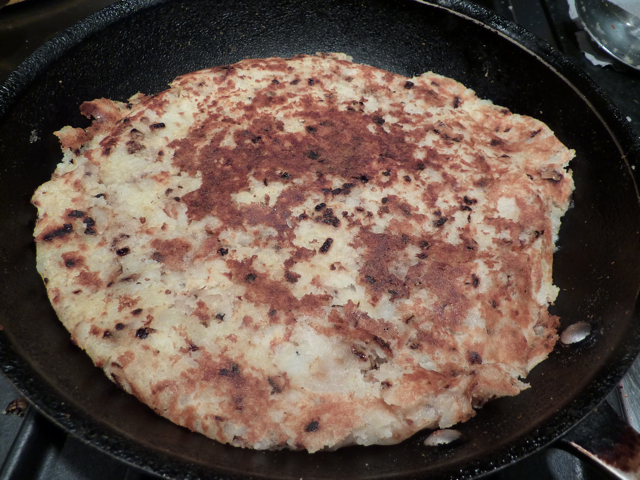
cooking in tecia european cycling holidays italiaoutdoors food and wine
Cooking potatoes ‘in tecia’

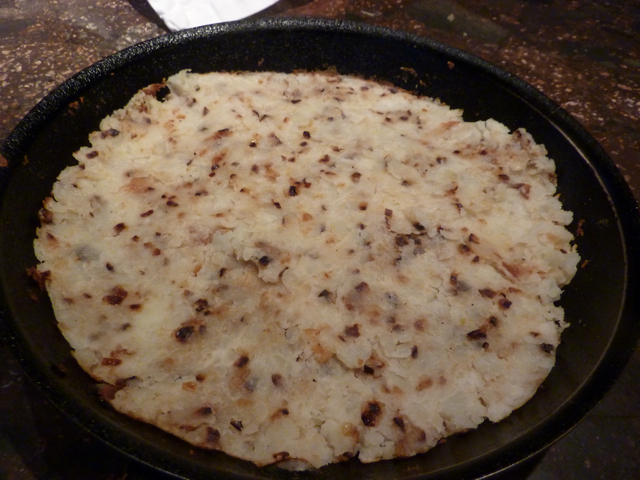
This is almost a cross between mashed potatoes and hash browns – you combine mashed potatoes with caramelized onions and bacon, then allow to sit and cook so a crust forms. Then you break up the crust so the nice, crispy, browned potato crust is mixed in with the creamy mashed potatoes. The best of both worlds!

crust ski holidays dolomites italiaoutdoors food and wine
Potatoes with crust

If you are looking for other Italian-inspired Thanksgiving recipes, check out my posts on Cranberry Mostarda and Apple Cranberry Pie, Crock Pot Stock, The Best Leftover Turkey Soup, Brussel Sprouts with Almonds, and Sformato di Zucca (Pumpkin or Squash Custard.)

Patate in Tecia

2 1/4 pounds potatoes, peeled and quartered
3 tablespoons olive oil
1 large onion, minced
2 ounces pancetta or bacon, chopped
1/2 cup beef broth
Kosher salt and freshly ground pepper

Place the potatoes in a large pot, cover with water, and salt. Bring to a boil, reduce to a low boil and cook until tender. Drain, and then mash them. Set aside.

In a medium saute pan, heat the oil over medium heat. Add the onion and bacon, and lower the heat as much as you can. Cook the onions and bacon over very low heat until the onions are a deep golden brown, sweet and falling apart, adding just a bit of water if necessary. This will take anywhere from 40 minutes to an hour. If you use more heat and less time, the onions will not be as sweet.

When the onions are done, spoon the potatoes on top of the onions. Add the beef broth, and season with salt and a generous amount of pepper. Allow to cook for 5 minutes as is. Then stir for 1-2 minutes, breaking up the crust that formed on the bottom. Stop stirring, and allow to cook for another 5 minutes, again allowing a crust to form on the bottom. You want a nice crust, which you can then break up into yummy crisp bits that will be stirred back into the potatoes. Stir for 1-2 minutes to break up the crust, then serve.

Advance prep: This can be reheated, but will likely need a little bit more broth added to moisten. You can also cook and mash the potatoes and caramelize the onions well in advance, then combine and finish of just before serving.

Posted in Friuli-Venezia Giulia, Potatoes, Thanksgiving, Travel, Uncategorized | Tagged , , , , , , , , , , , , , , , , , , , , , | Leave a comment