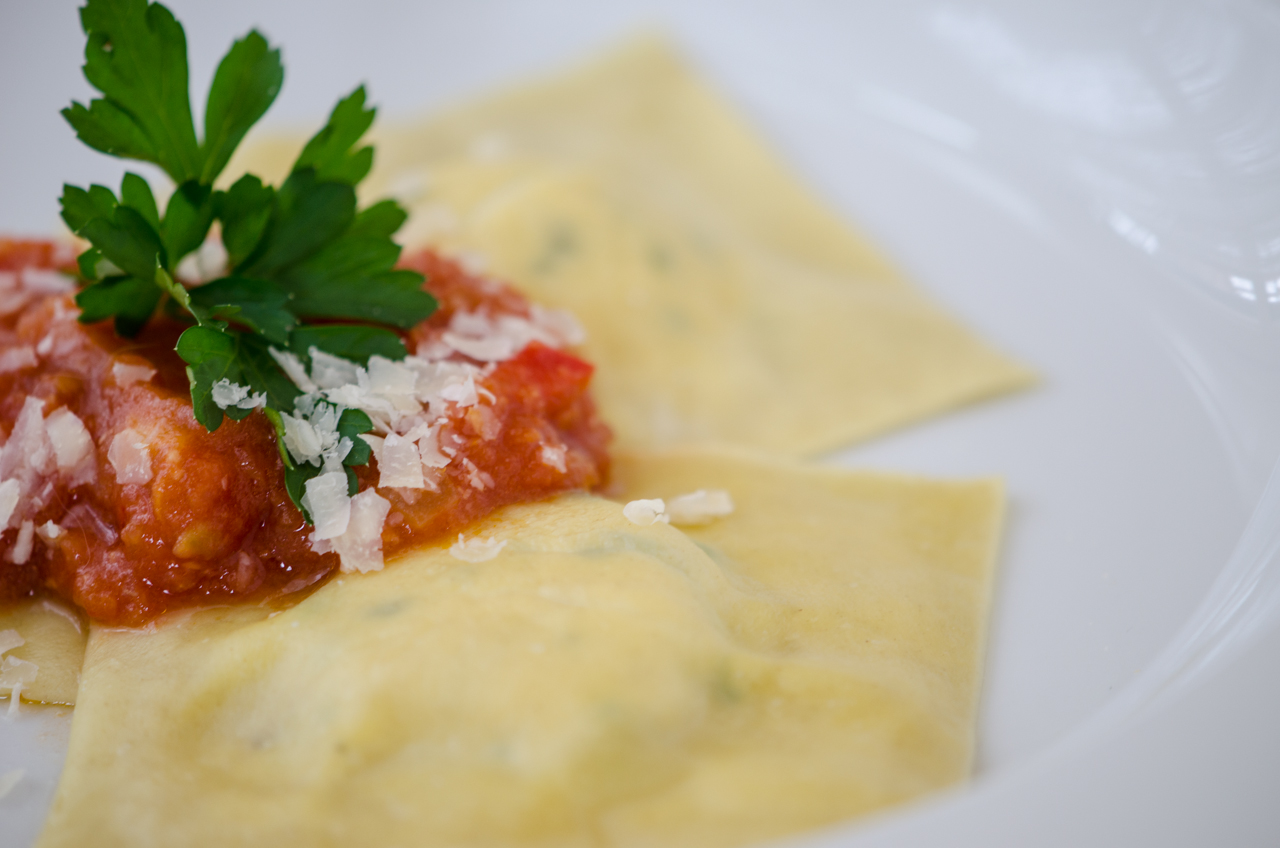
Cheese and Chive Ravioli with Red Pepper Tomato Sauce

finished cheese ravioli cycling tours dolomites italiaoutdoors food and wine

Ravioli (a single one is called a raviolo) are a traditional type of Italian filled pasta. Our tours to Emilia Romagna bring us to the heart of Italy’s stuffed pastas, where we find tortellini, tortelloni, tortelli, cappellacci, and many others. Ravioli are square shaped, made up of some sort of filling sealed between two layers of thin egg pasta dough and are served either in broth or with a sauce. The word may be derived from the Italian dialectal rava or rabiola, little turnip, or from the verb ravolgere (to wrap). The latter makes more sense to me!
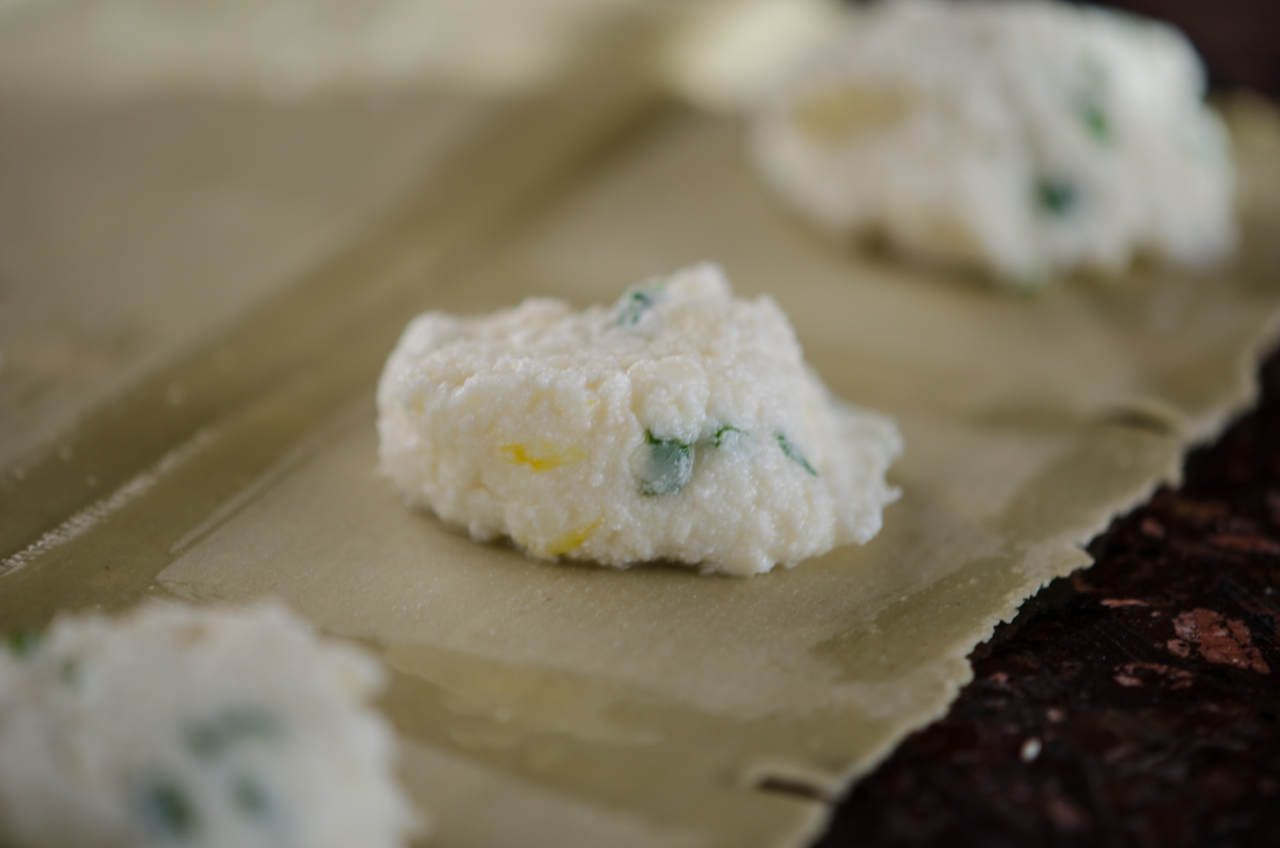
filling ravioli cycling tours dolomites italiaoutdoors food and wine
Common lore has held that pasta arrived in Italy via the Asian explorations of Marco Polo in the sixteenth century, but this is not the case. The first evidence of pasta in Italy, a dried pasta made from durum wheat, occurs much early, as far back as 800 AD. The first mention specifically of a stuffed pasta called ravioli appears in the writings of Francesco di Marco, a Venetian merchant in the 14th century. In Venice, the mid-14th century publication Libro per Cuoco describes a ravioli of blanched and minced green herbs which are combined with fresh cheese and egg, and simmered in broth. Around the same period, you can find mentions of ravioli in Tuscany and Rome, and Sicily.
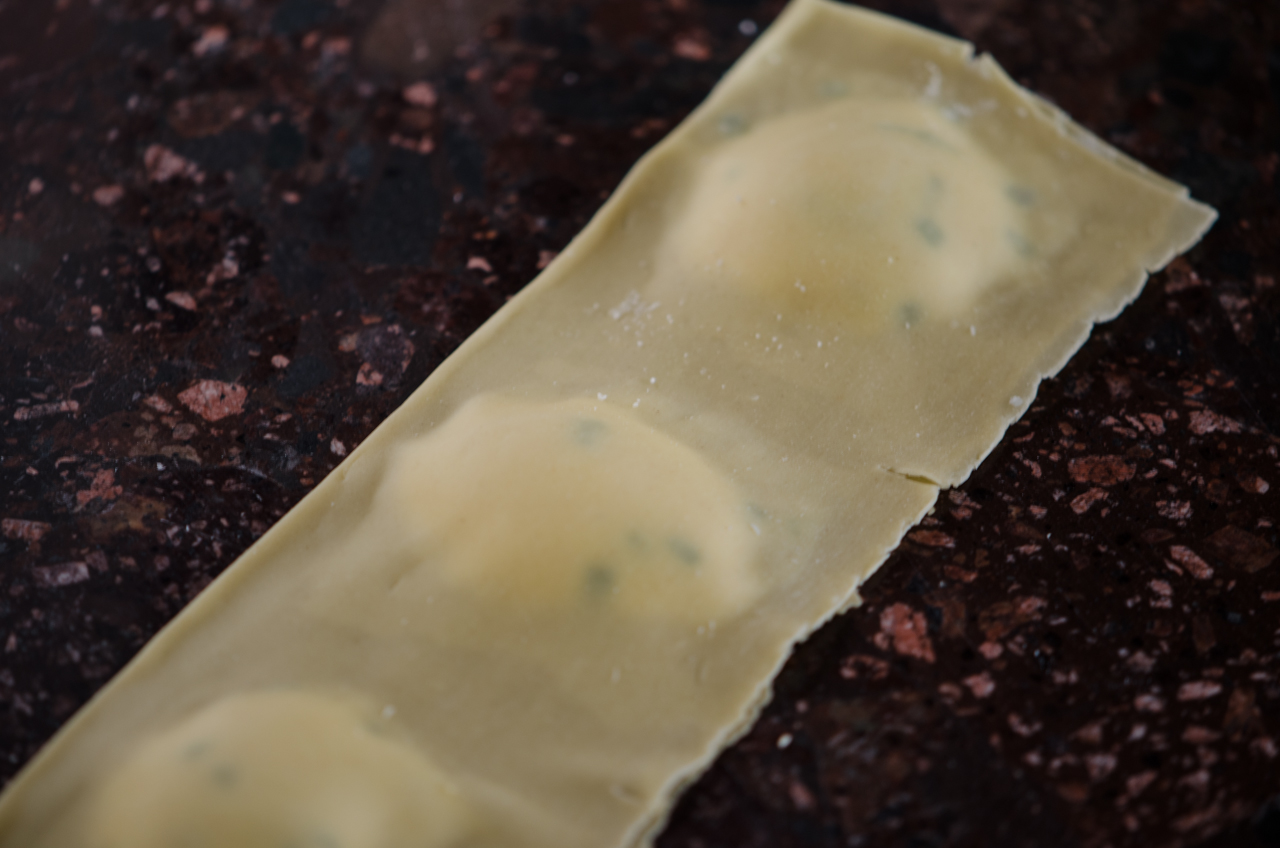
filled ravioli private bike tours italy italiaoutdoors food and wine
Much more likely is that pasta arrived in Italy from the south. In Africa, there is evidence of ancient forms of pasta made from their local grain, kamut. In Asia, rice flour would be used. In Greece, pasta appeared in the traditional cuisine in the forms of orzo (not to be confused with orzo in Italy, which is barley) and pastitchio. Stuffed pastas are the speciality of Northern Italy, particularly today in the region of Emilia Romagna. According to Lynn Rosetto Casper in her wonderful comprehensive book “A Splendid Table”, the softer wheat that flourishes in the fertile Po River valley is particularly well-suited to the more delicate stuffed pastas. The harder wheats cultivated in the south are better for dried.
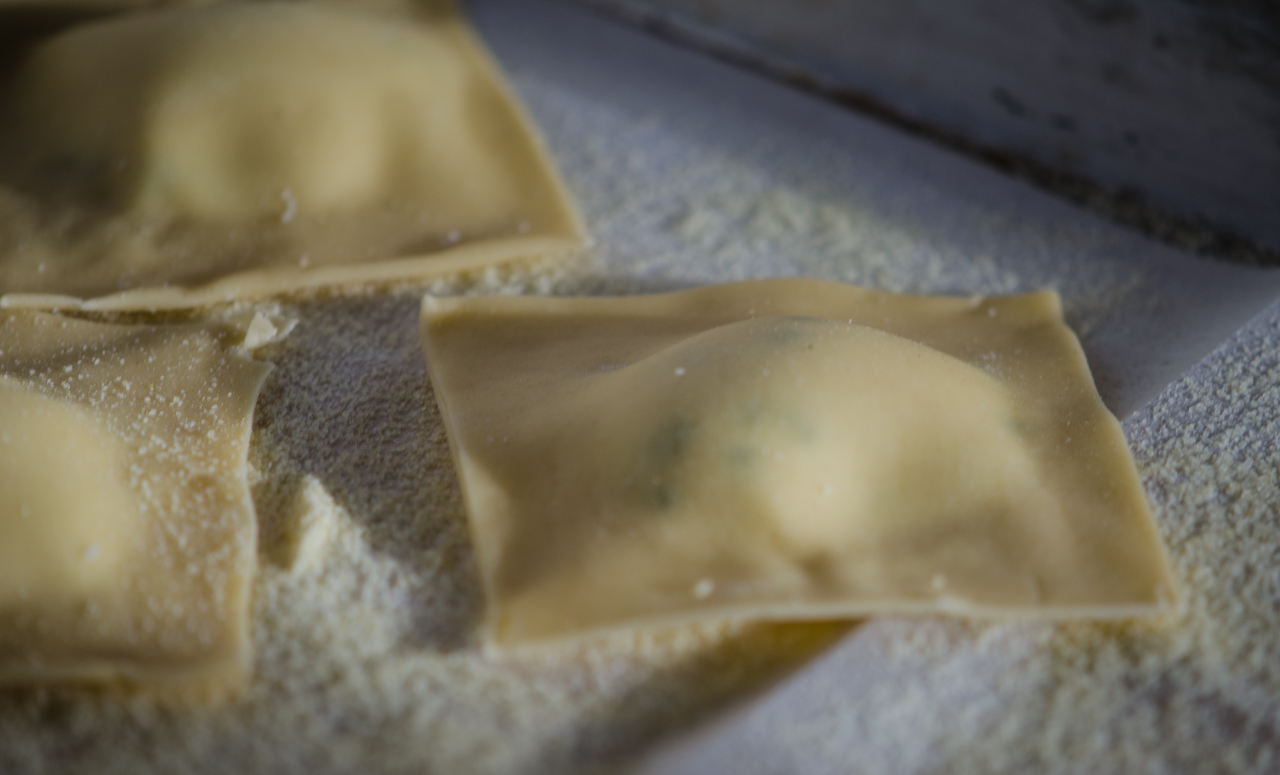
ravioli custom tours italy italiaoutdoors food and wine
I was recently asked to develop a ravioli recipe for a video how-to segment on eHow.com, a Chive and Cheese Ravioli with a Tomato Red Pepper Sauce. This style of cheese filling is one of the oldest on record, and found all over Italy, popular during Lent and other religious days of abstinence. You could certainly substitute basil, or even some sauteed spinach for the chopped chives. Serving this in a tomato sauce would not have happened until the 16th century, when tomatoes first arrived in Italy from the New World. The sauteed red peppers add a satisfying sweetness to the sauce.

Chive and Cheese Ravioli with Tomato Red Pepper Sauce

Pasta Dough (based on Lynne Rosetto Kasper’s recipe in A Splendid Table)

2 cups (200g) all-purpose unbleached flour
4 eggs
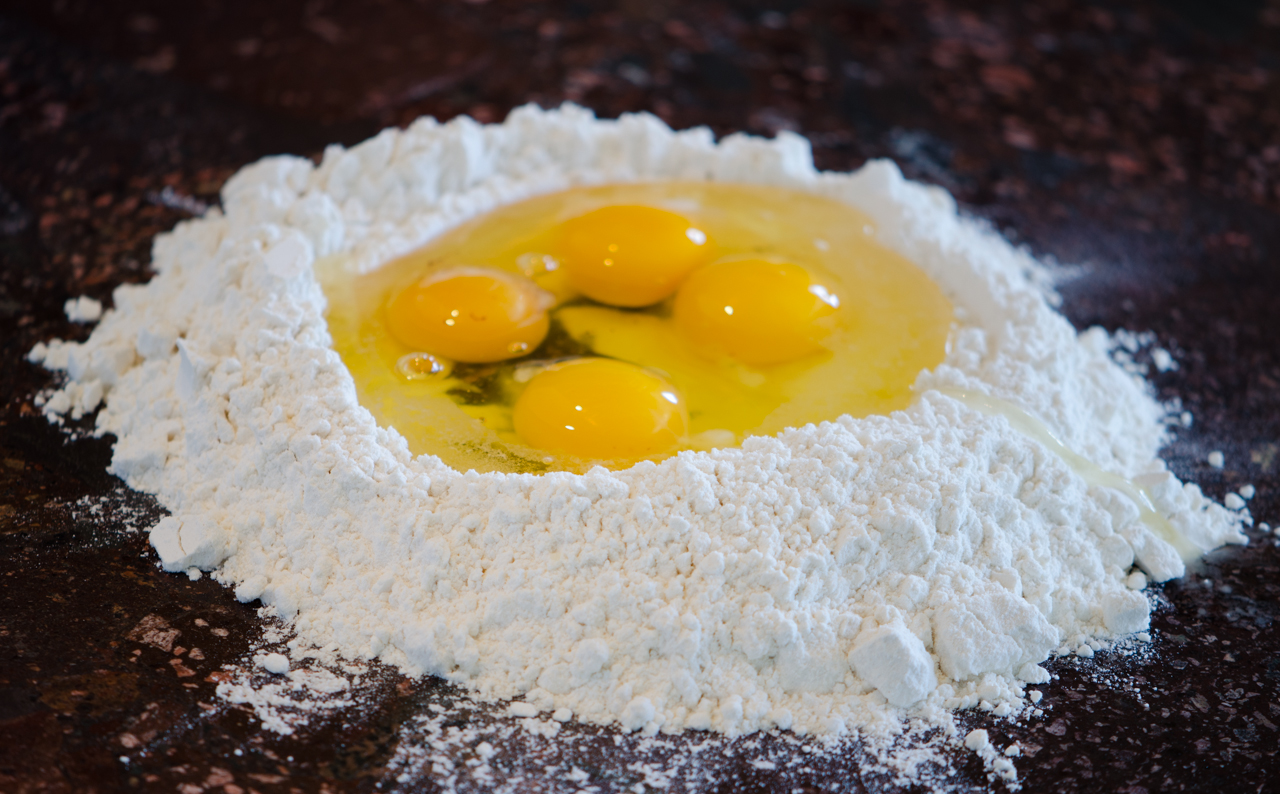
eggs and flour cooking and biking tours italy italiaoutdoors food and wine
Place the flour on your counter in a mound. Make a well in the middle. Add the eggs. Using a fork, lightly beat the eggs. Gradually start incorporating the flour from the sides of the well. Eventually the sides of the well will collapse, at this point use a pastry scraper to work the rest of the flour into the dough.
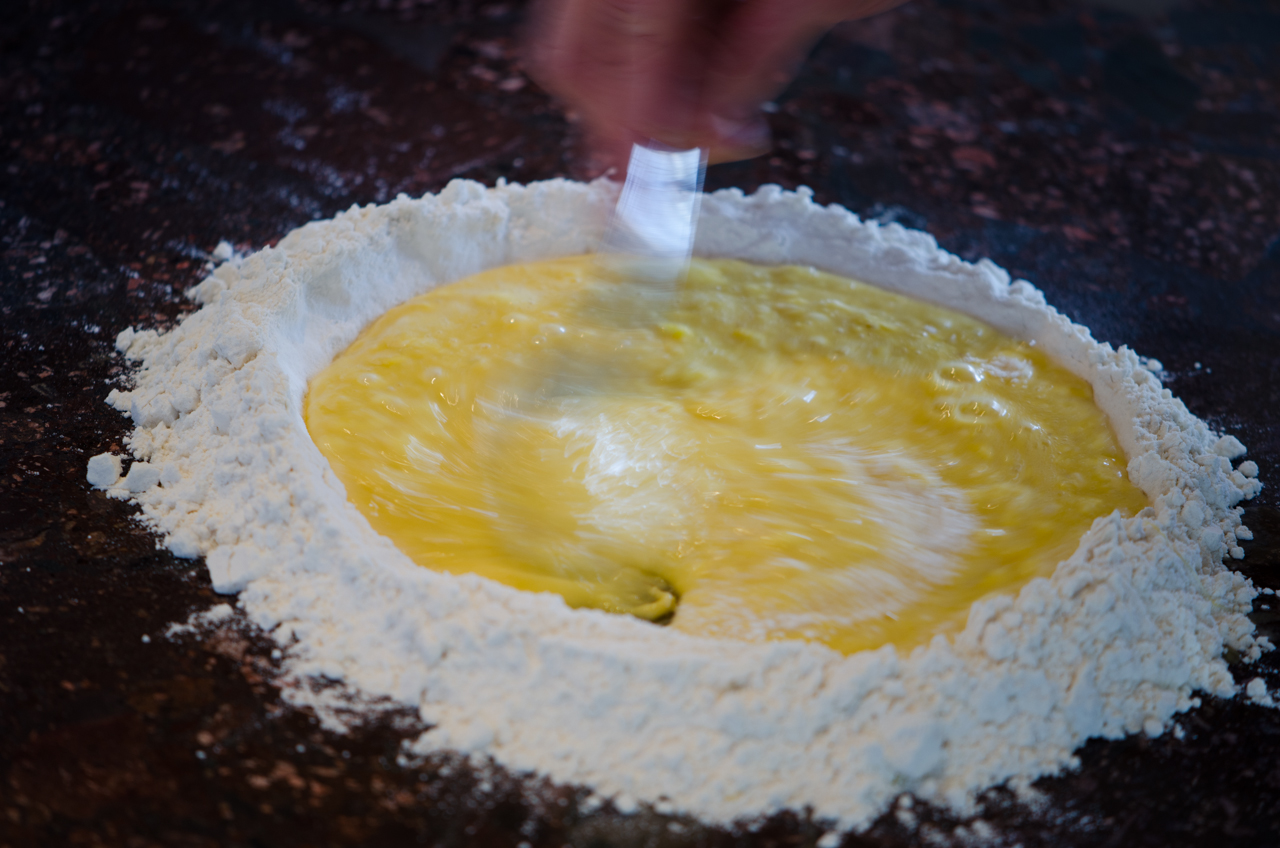
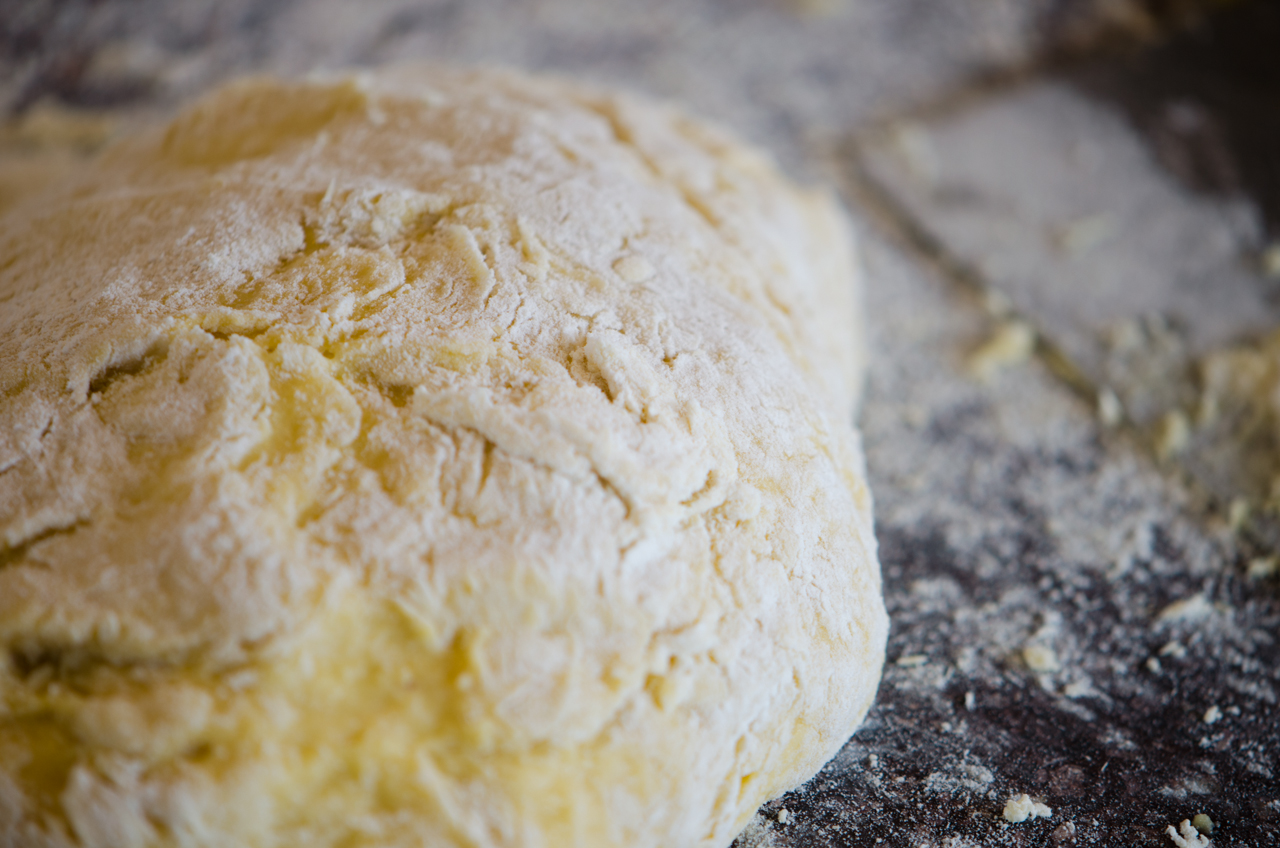
mixing eggs ski holidays dolomites italiaoutdoors food and winedough for kneading wine bike tours italy italiaoutdoors food and wine
Knead the dough for about 15 minutes, working a bit more flour into it when it gets a bit sticky. The dough should be very smooth, silky, and very elastic.
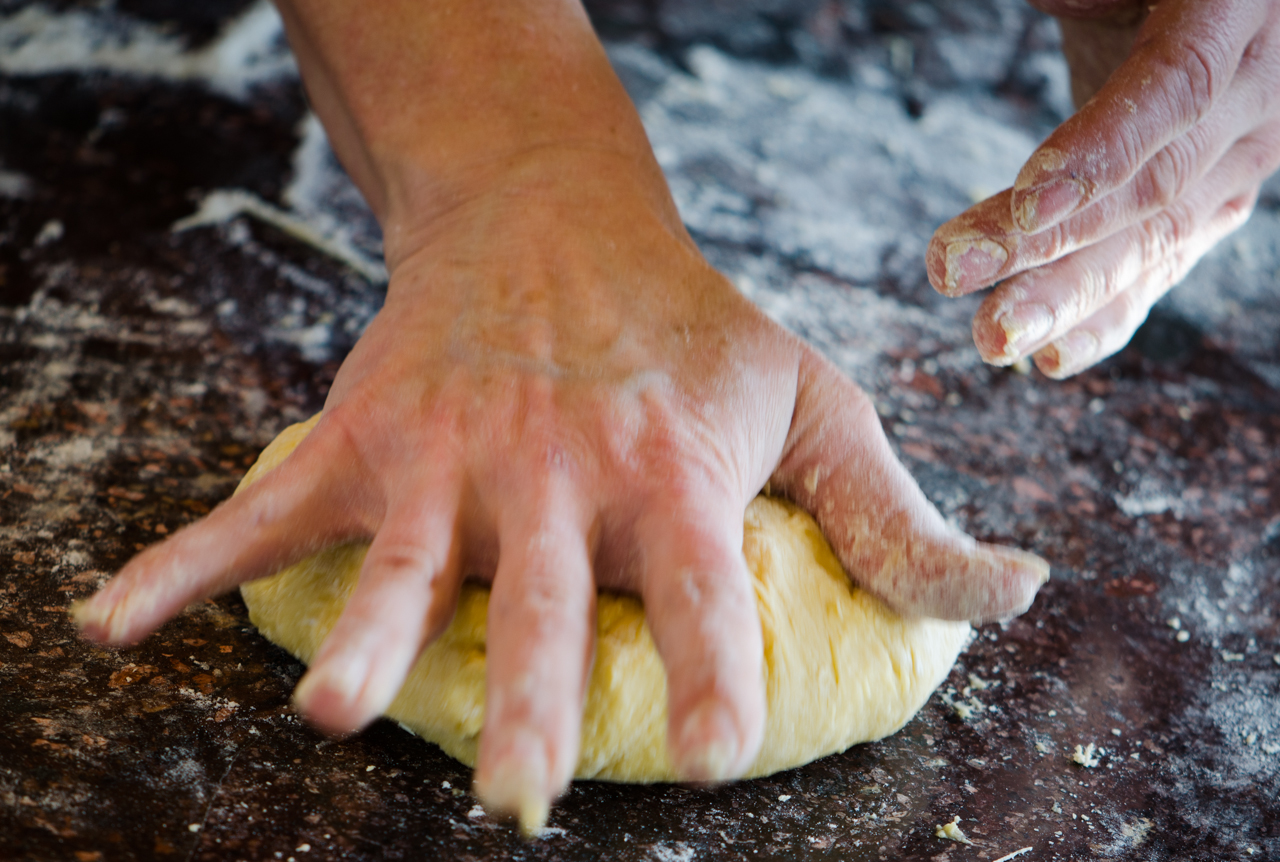
kneading cycling tours europe italiaoutdoors food and winefinished dough luxury villa italy italiaoutdoors food and wine
To roll out the pasta using a pasta machine, divide the dough into quarters. You will roll out one quarter at a time, while rolling keep the remainder covered with plastic wrap so it does not dry out. Lightly flour the machine rollers, the work surface around the machine, and the first quarter of dough. Set the rollers at the widest setting. Flatten the dough into a disc, sprinkle with flour, then feed the disc into the space between the two rollers. Feed the dough through with one hand, while holding the upturned palm of your hand under the sheet emerging from the rollers. Keep your palm flat to protect the dough from punctures by your fingers.
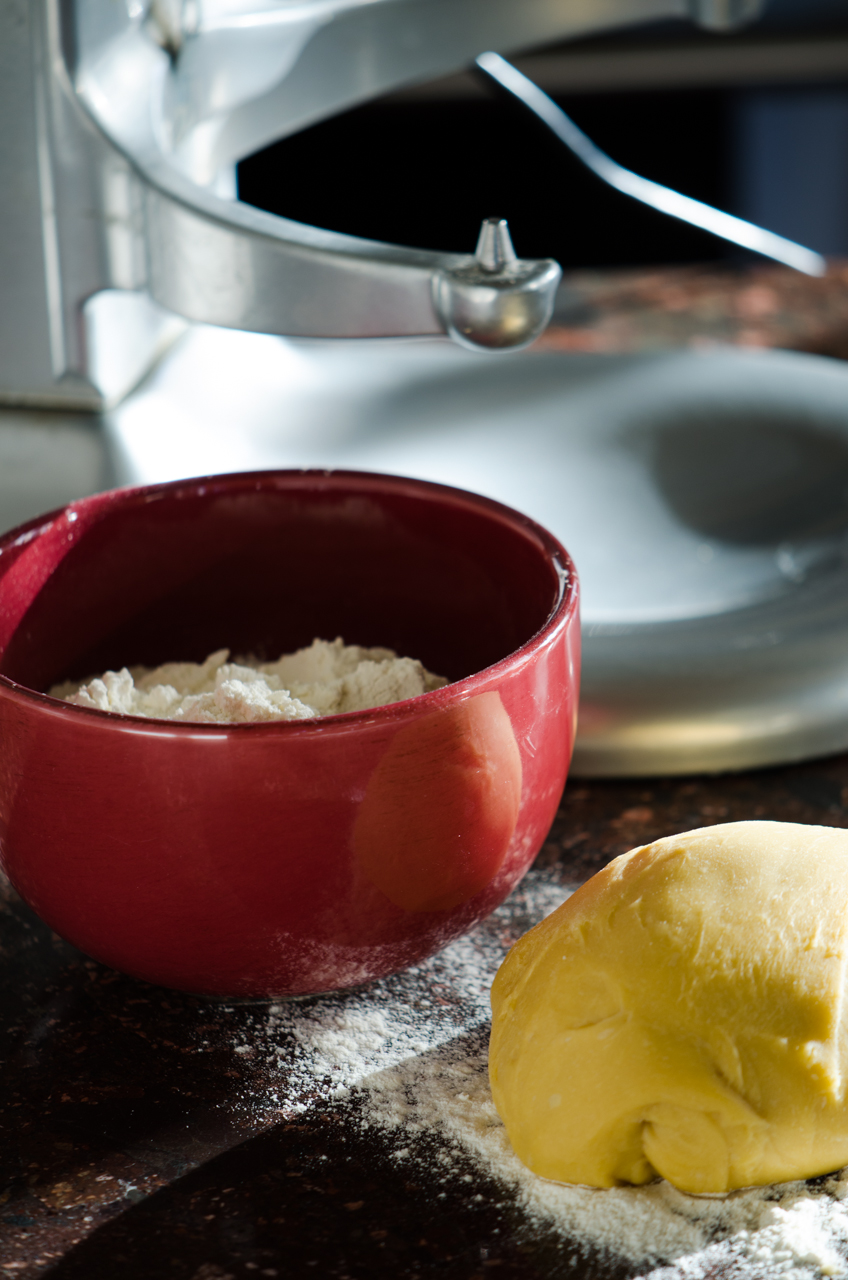
ready to roll pasta italy bicycle tours italiaoutdoors food and wine
As the sheet emerges from the rollers, guide it away from the machine with your palm. Pass the dough through the rollers five to six times, folding it into thirds and flouring it each time. Then set the rollers at the next narrower setting and pass the dough through three times, folding it in half each time. Repeat, passing it through three times at each successively narrower setting. Repeated stretching and thinning builds up elasticity making especially light pasta. If the sheet becomes too long to handle comfortably, cut it in half or thirds and work the pieces in tandem.
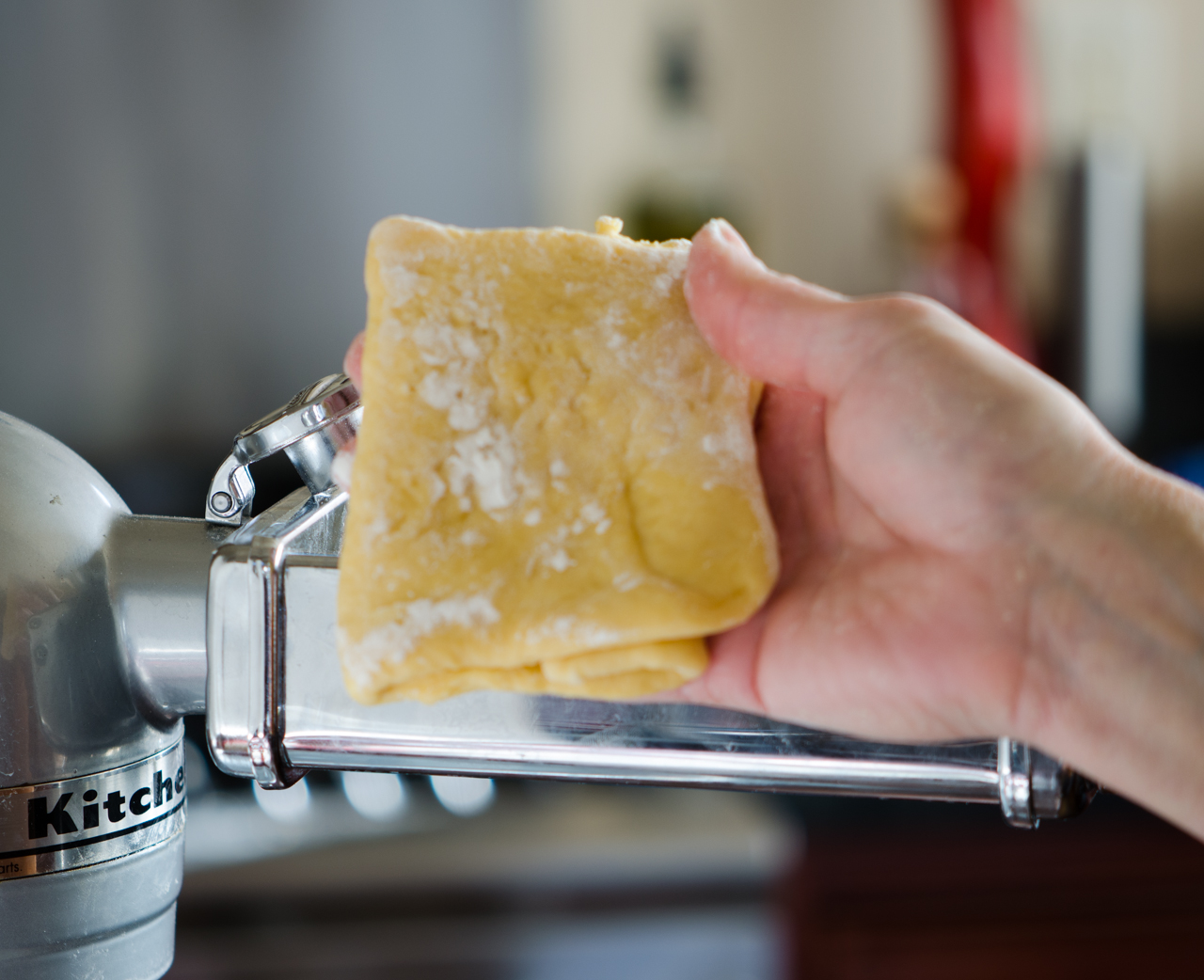
rolling pasta biking and cooking tours italy italiaoutdoors food and wine
Don’t worry if at first the dough tears, has holes, is lumpy, or is very moist. Just lightly flour it by pulling the dough over the floured work surface. Take care not to overdo the flouring, or the dough may get too stiff. As you keep putting it through the rollers, it will be transformed from slightly lumpy and possibly torn to a smooth, satiny sheet with fine elasticity.
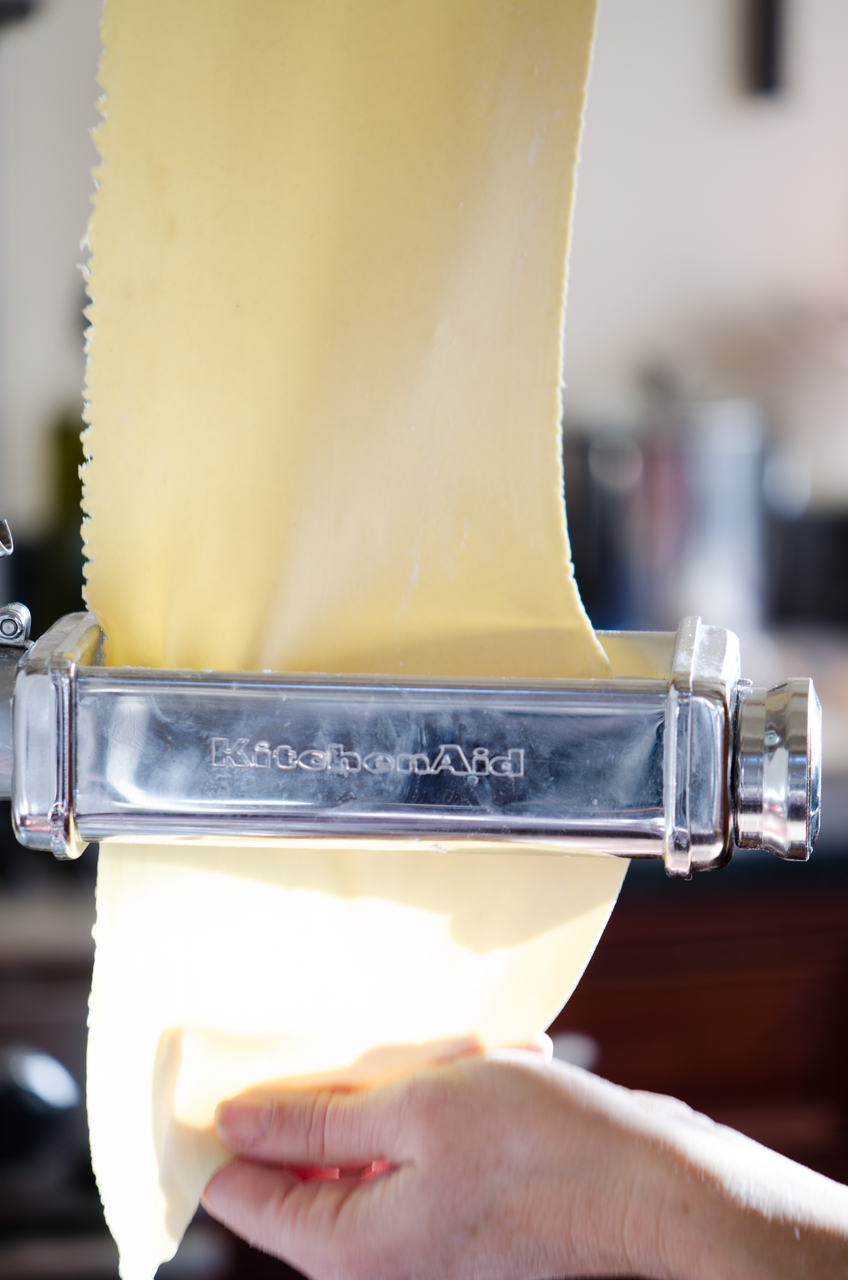
rolling sheets cycling holidays europe italiaoutdoors food and wine
Different machines have different numbers of settings. Tagliatelle and ribbon pastas should be a bit thick than lasagne and stuffed pastas such as ravioli. Usually the thinnest setting on a machine will be thin enough for you to see color and shape through it; this is perfect for lasagne and filled pastas. If it is so thin that the dough tears easily, however, stop at the next to last setting. The setting above the one for filled pastas is fine for tagliatelle and tagliarini.
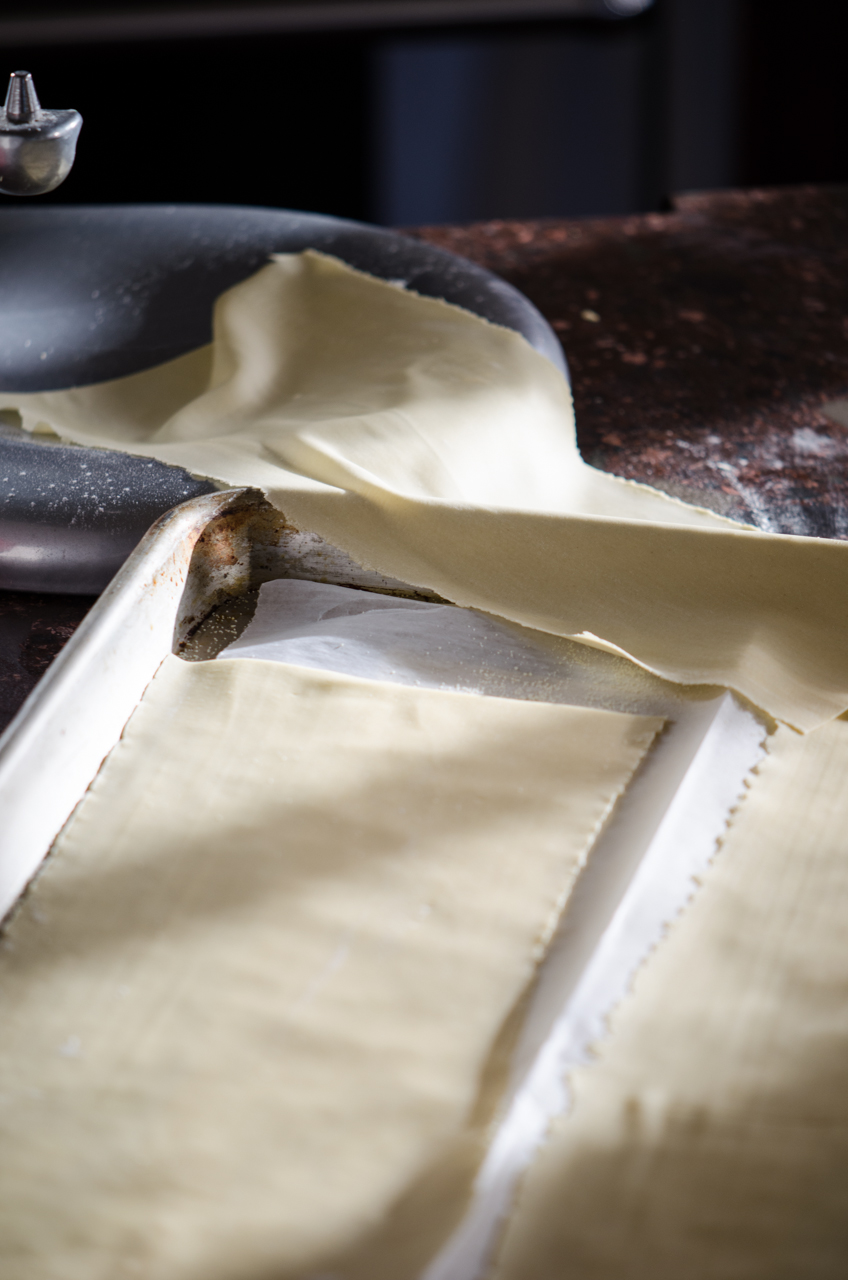
pasta sheets cycling tours dolomites italiaoutdoors food and wine
Place the pasta sheets on a floured sheet pan, separated by deli paper or plastic wrap. Cover the pile with a slightly damp towel.

Chive and Cheese Ravioli

1 cup ricotta cheese
1 1/2 cups grated Parmigiano-Reggiano cheese
1 egg, beaten
1 teaspoon lemon zest
2 tablespoons finely chopped chives
Kosher salt and freshly ground pepper

In a medium bowl, mix together the cheeses, egg, lemon zest and chives. Season with salt and pepper. Refrigerate for 2 hours before forming ravioli.

To form ravioli:

1 egg, beaten

Place one pasta sheet horizontally on your work surface, keeping the rest covered so they don’t dry out. Cut any rounded edges off of the two shorter sides, so you have a long rectangle in front of you. Using a knife, make a small mark every 2 1/2 inches along the length of your sheet. Between each set of these marks, place 1 tablespoon of ravioli filling about 1 inch in from the long edge in front of you, and equally spaced between the mark. You should have a line of little spoonfuls of filling, spaced 2 1/2 inches apart.

With a small brush, moisten each of the 4 edges of the pasta sheet with the beaten egg. Paint egg widthwise between each spoonful of filling. Paint a long line of egg wash lengthwise, right down the middle of the pasta sheet.

Fold the pasta sheet in half, lengthwise, matching the long edges and covering up the spoonfuls of filling. Press down around each spoonful of filling, sealing the pasta sheets around each ravioli and pushing out any air pockets. Using a knife or a pasta cutting wheel, cut the individual raviolis between each spoonful of filling, which should be where you made the initial mark. Place the ravioli on a floured sheet pan. Repeat with the remaining sheets.

Tomato Red Pepper Sauce

To serve (for 4 people)

2 tablespoons extra virgin olive oil
1 red pepper, seeded and diced small
2 cups tomato sauce
1/2 cup grated grana or parmegiano reggiano cheese

Place the olive oil in a medium saucepan, and add the red pepper. Saute until soft, about 5 minutes. Add the tomato sauce, and bring to a simmer over medium heat. Cook for another 5 minutes. Adjust seasonings and keep warm.

Fill a large stock pot with water, and bring to a boil. Season with salt. Drop in the ravioli and cook for just a couple of minutes. Check one for doneness by tasting. They should be tender, but still have some ‘bite’, al dente. When done, pour into a warmed serving bowl, and top with the tomato red pepper sauce. Serve with additional grated cheese.
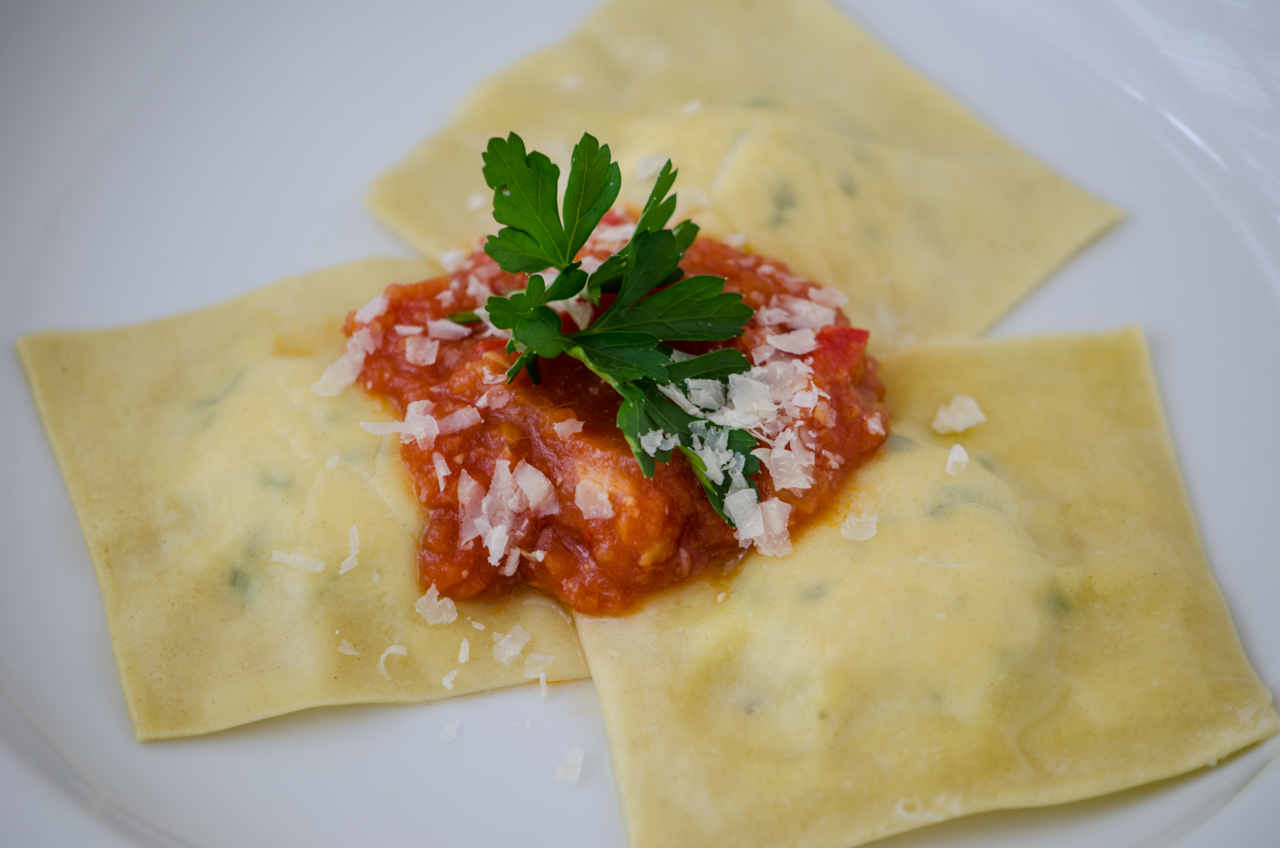
top view cheese chive ravioli ski holidays dolomites italiaoutdoors food and wine

Posted in Eggs, Emilia Romagna, Pasta, Ricotta, Travel, Uncategorized, Vegetarian | Tagged , , , , , , , , , , , , , , , , , , , , , , , , , , | 1 Comment

Buckwheat Gnocchi – Gluten Free from Northern Italy

buckwheat gnocchi cycling tours dolomites italiaoutdoors food and wine

Pasta, a food synonymous with Italy, is not as common in the Northeastern regions as are other starches, most notably polenta, risottos and gnocchi. Gnocchi we see on just about every menu on our hiking and cycling tours, usually, but not always potato based.  Gnocchi are basically poached dumplings, probably the very first form of pasta, shaped by cutting a strip of dough into little pieces and cooking them in boiling water. Originally, they were probably made from just flour and water, but then evolved to incorporate any sort of leftovers one might have on hand. The result is a wonderful variety of regional variations. Among the options, you can find gnocchi based on stale bread, ricotta and other cheeses, semolina, buckwheat, spinach, meats like speck and even spleen.

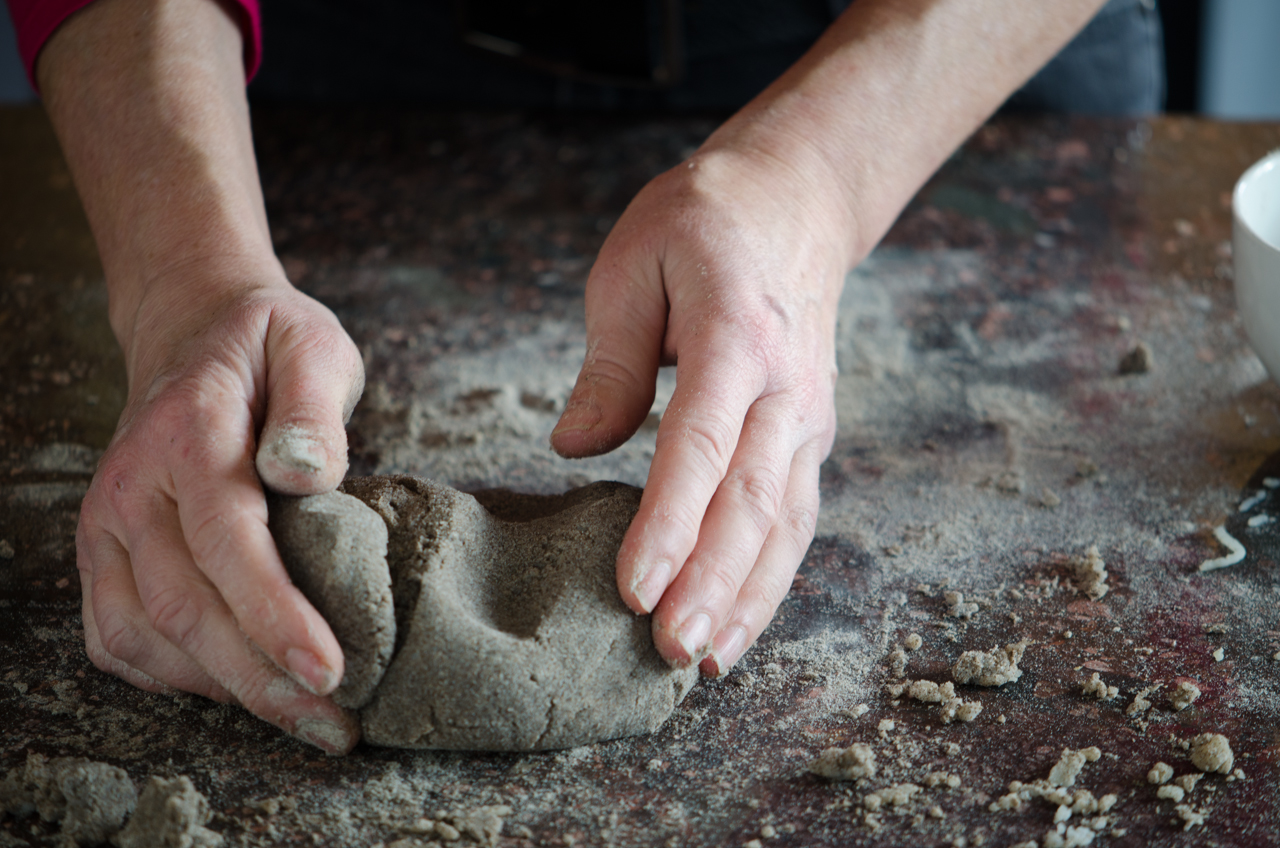
kneading gnocchi cycling tours europe italiaoutdoors food and wine

Just one anecdote to demonstrate the central role gnocchi plays in the cuisine of Northern Italy: In Verona, a city in the midst of some of the best wine regions in Italy, a UNESCO World Heritage site, and a place we visit quite frequently on our tours, the last Friday of Carnival each year is celebrated by feasting on gnocchi. The Papa del Gnoc leads a procession through town, carrying an enormous gnocco on an oversized fork. After the procession, the entire city sits down to a bowlful of gnocchi.

riced potatoes luxury villa rental italy italiaoutdoors food and wine

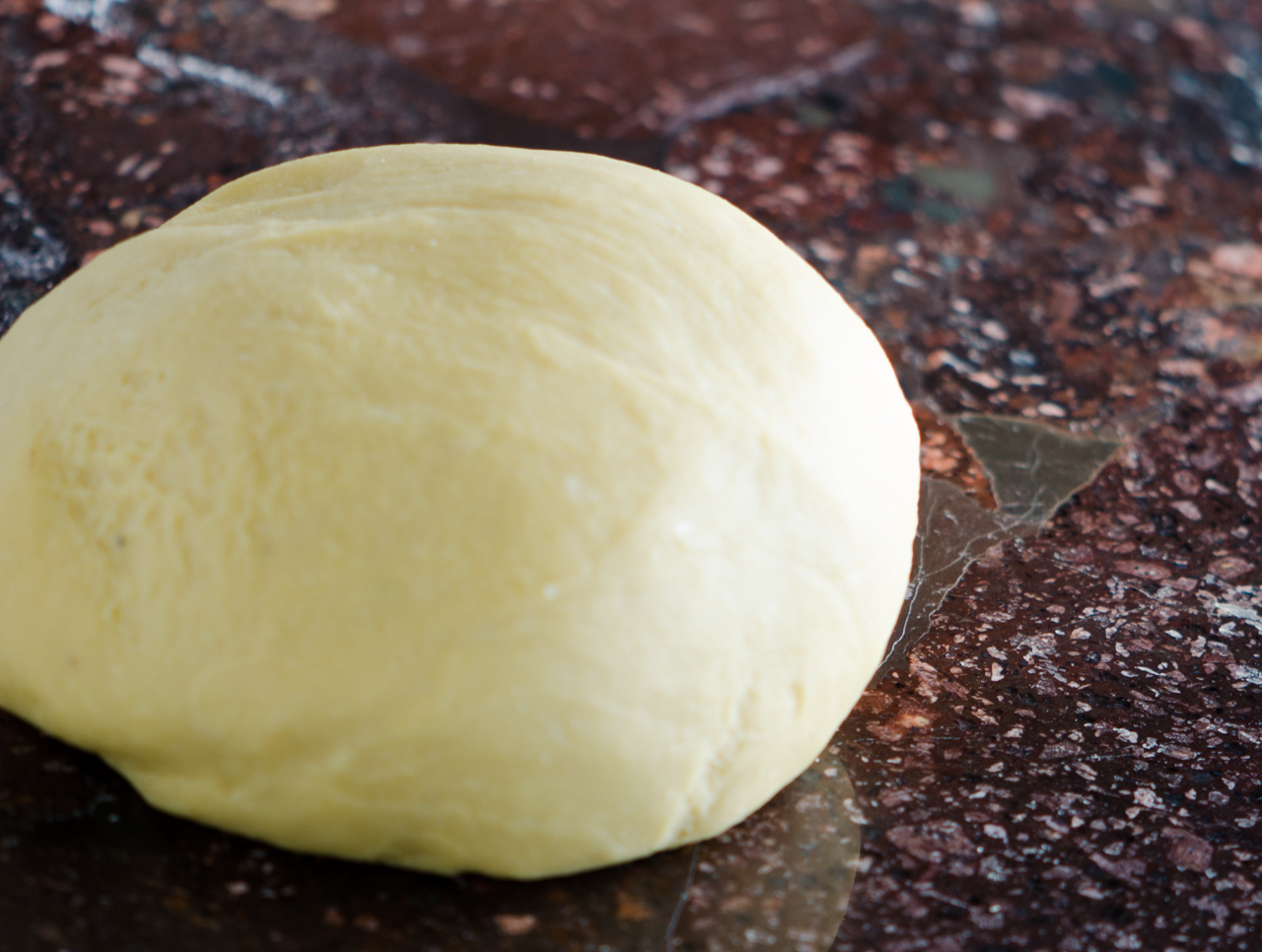
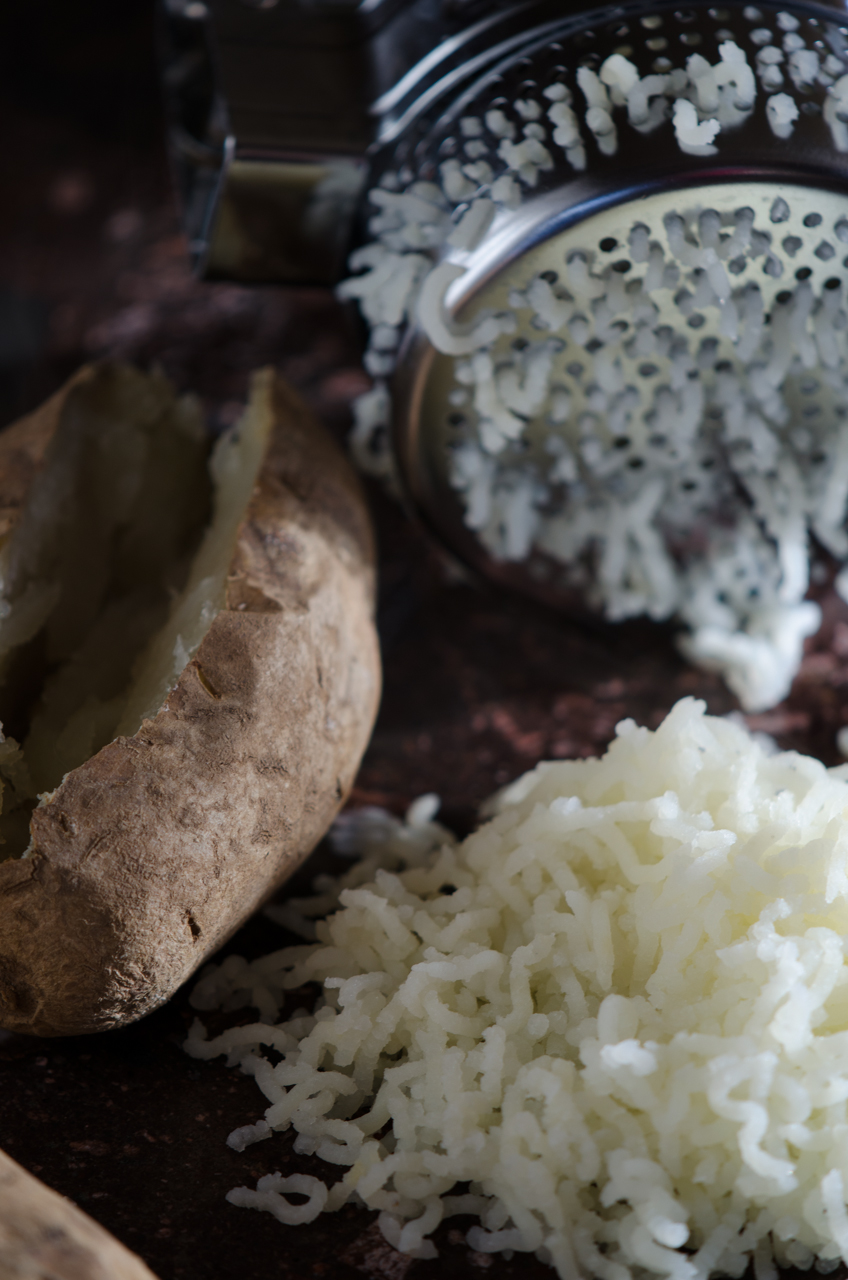
The secret to a light gnocchi is to use as little flour as possible.  The exact amount can vary, depending upon the humidity of your kitchen and the amount of water in the type of potato you use. The drier you can keep the potatoes, the less flour you will need, the lighter the gnocchi. I prefer to bake the potatoes, rather than boil, for just this reason. I also allow the riced potatoes to come to room temperature before combining with the flour, as they tend to sweat as they cool down.

ingredients bike tours italy italiaoutdoors food and wine

I have several friends who are turning to gluten free diets for health reasons, and ask if I have any recipes for them. I’ve enjoyed buckwheat gnocchi in Italy, and as buckwheat does not contain gluten – in spite of it’s name, it is not related to wheat – I decided to try my hand at a gluten free gnocchi. Buckwheat is an ancient grain, particularly adapted to cultivation in colder climates and high altitude, as its’ growing season is short compared to other grains. It was a very common crop in Northeastern Italy, and across the globe in the 18th and 19th century, but cultivation declined sharply in the 20th century when the use of nitrogen fertilizer came into vogue, to which corn and wheat respond strongly.

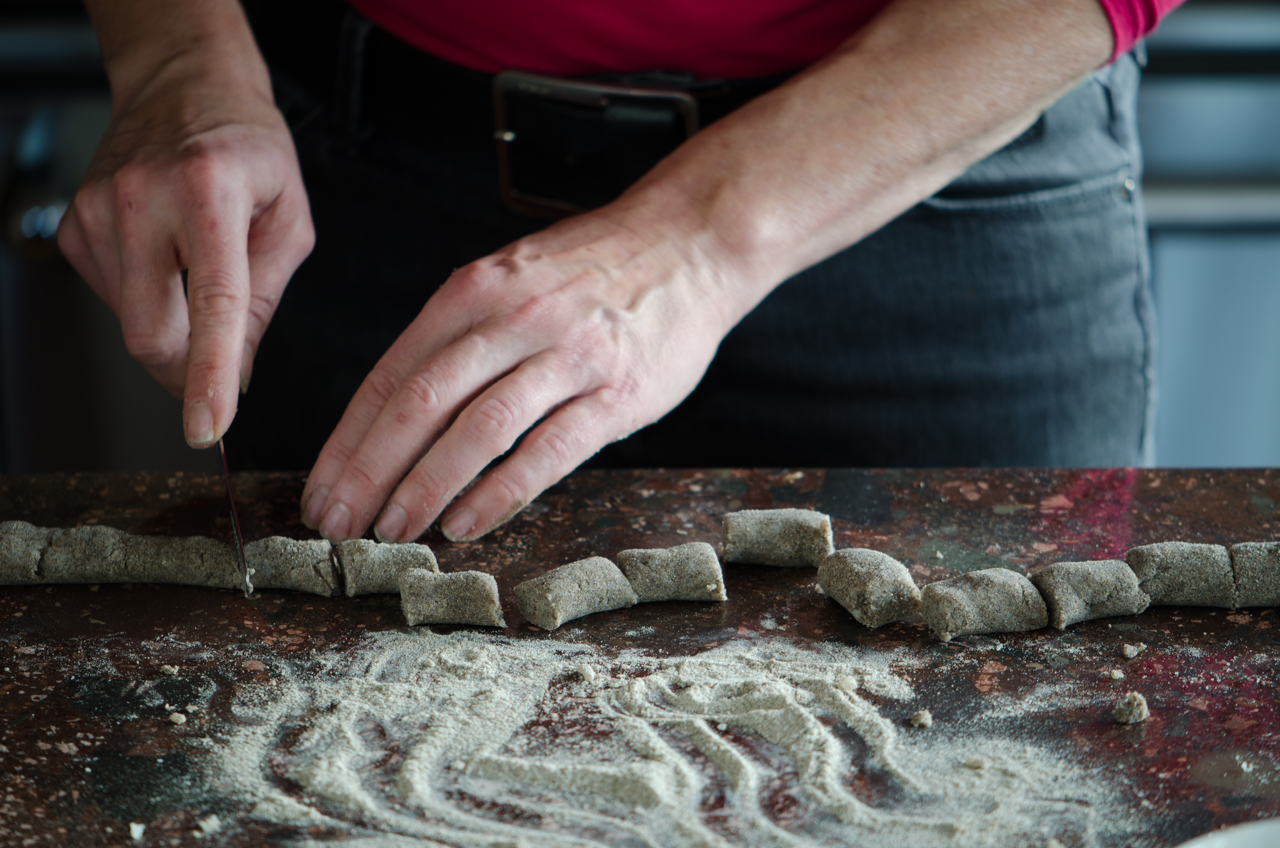
forming gnocchi gourmet cycling holidays italy italiaoutdoors food and wine

Many buckwheat gnocchi recipes call for a mix of buckwheat and wheat flours, so I was concerned that the flavor of a pure buckwheat version would be a bit overwhelming. I was very pleased with the results with just the buckwheat, a nutty, rustic dish to be sure. For something a bit more elegant, you could use a mix of buckwheat and rice flours to keep gluten free.

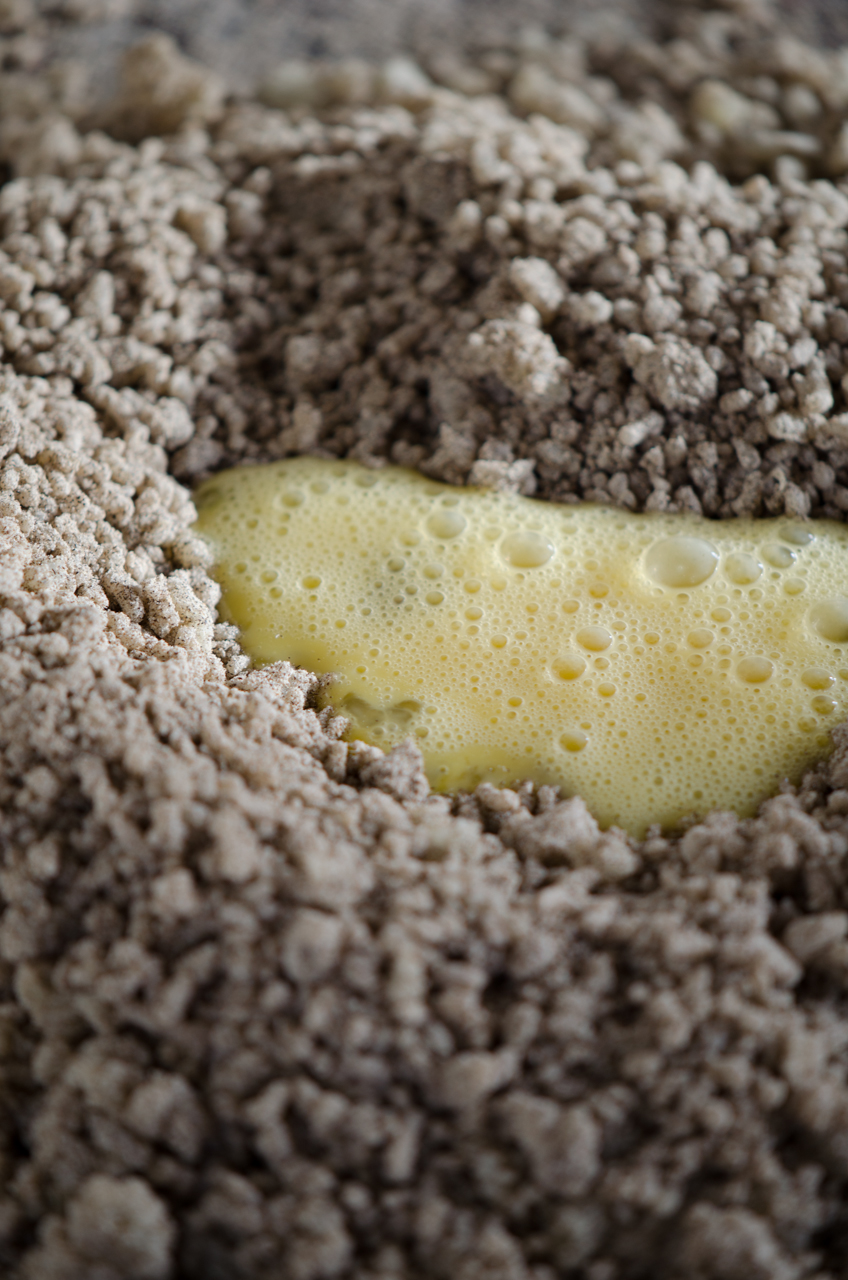
flour egg private bike tours italy italiaoutdoors food and wine

Gluten Free Buckwheat Gnocchi

Make 4 side dish serving (about 65-75 gnocchi)

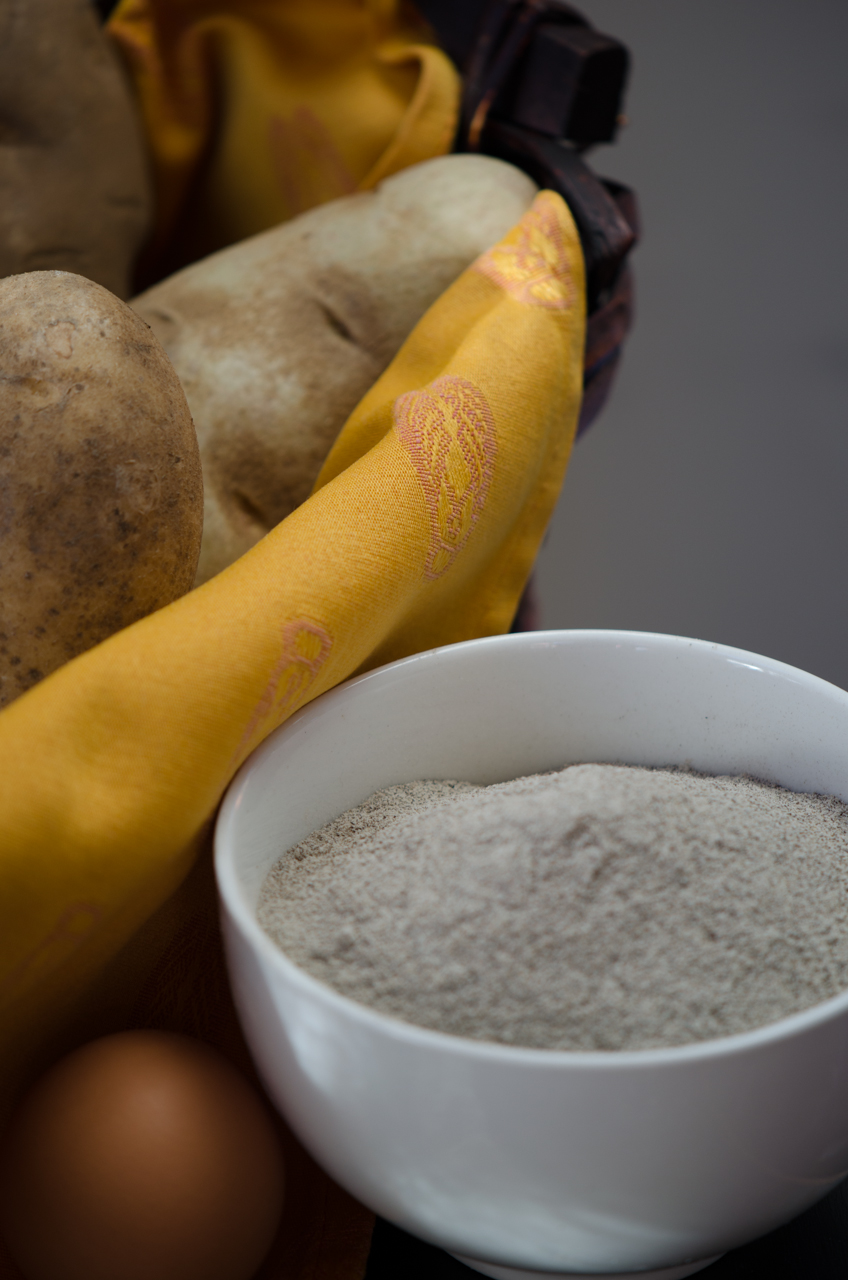
2 pounds baking potatoes, cleaned
1 cup buckwheat flour, plus more for dusting
1 tablespoon kosher salt
1 large egg, beaten
Roast the potatoes for 40-50 minutes, or until done. Make sure they are quite tender, as they will not rice properly.

Let the potatoes cool for a few minutes. As soon as you can handle them cut each potato in half, scoop out the flesh and place it in a ricer. Rice directly onto the counter. Spread out the potatoes over the counter, and allow the potatoes to cool to room temperature

Add the flour and the salt and mix well. Add the egg, and quickly knead everything together into a sticky dough, working as quickly as possible. The secret to tender, light gnocchi is add as little flour as possible.

Fill a small pan with water and bring to a boil. You will use this to test the texture of your gnocchi. Take a small piece of dough, about the size of a grape, and drop it into the boiling water. It will cook for about a minute, and then should rise to the surface. Let it cook for one more minute, then remove it from the water. If, rather than sink and then rise, it breaks apart, add a bit more flour to the dough and knead again. Once you get a test one that sinks and then rises without blowing apart, you are ready to move on to the next step. You should have a test gnocchi that is cooked through, but still soft and light.

Dust the counter with buckwheat flour. Divide the dough into 6 equally sized pieces. Take one of the pieces and place it on the floured counter top. Using the palms of your hands, roll the piece out into a 1/2 inch thick log, which will be about 12 inches long. Cut the log into 1-inch lengths, and place the individual gnocchi onto a sheet pan that has been dusted with flour. Repeat with the remaining pieces of dough.

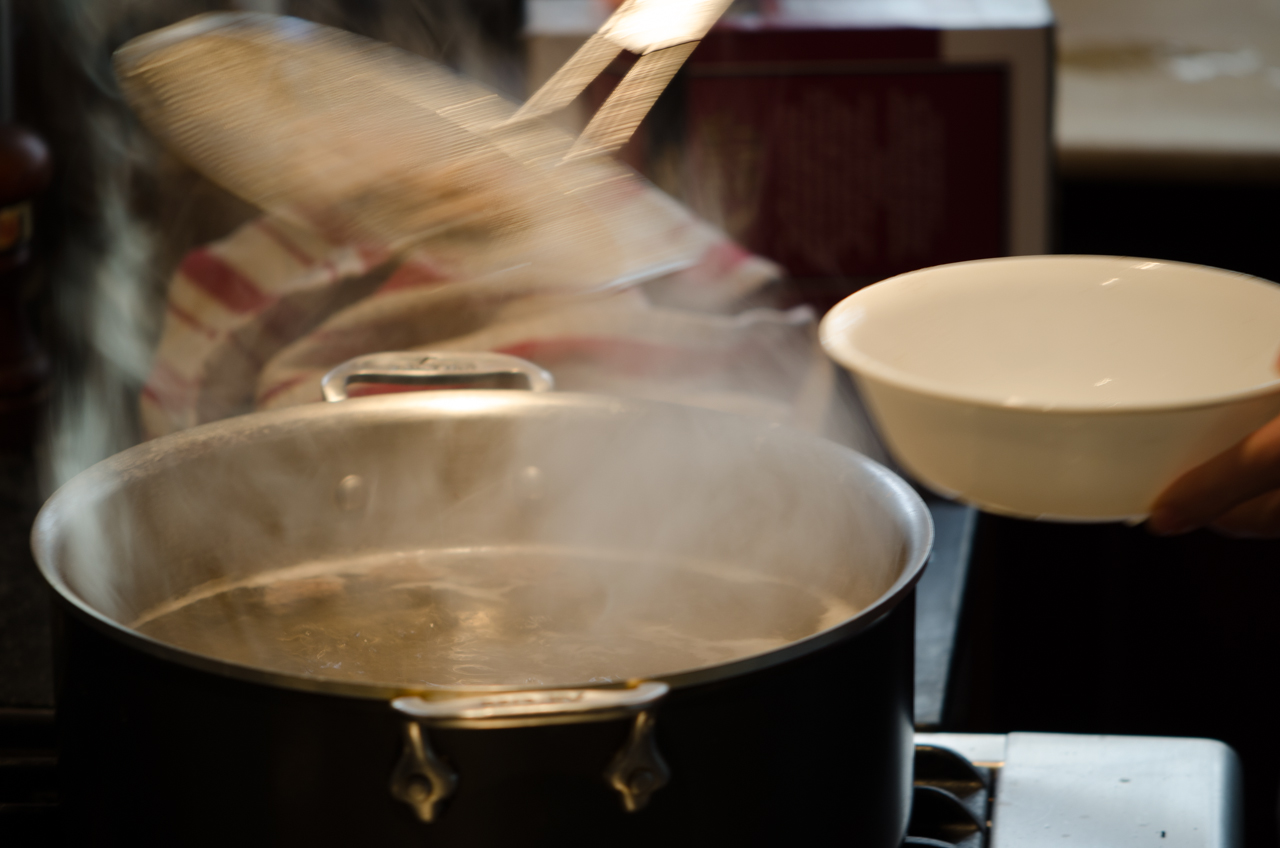
Fill a large pot with water, bring to a boil and season with salt. Add the gnocchi to the boiling water in small batches. Once they have risen to the top, allow them to cook for one more minute, then scoop them out with a slotted spoon and lay them on a baking sheet to cool. At this point, they are ready to use in your favorite sauce or baked gnocchi dish.

Buckwheat Gnocchi with Browned Butter Sauce and Arugula

Makes 4 servings

4 tablespoons unsalted butter
1 recipe potato gnocchi (about 65-75 gnocchi)
1 clove garlic, minced
4 cups arugula
Kosher salt and freshly ground pepper
Grated Parmegiano Reggiano or grana cheese

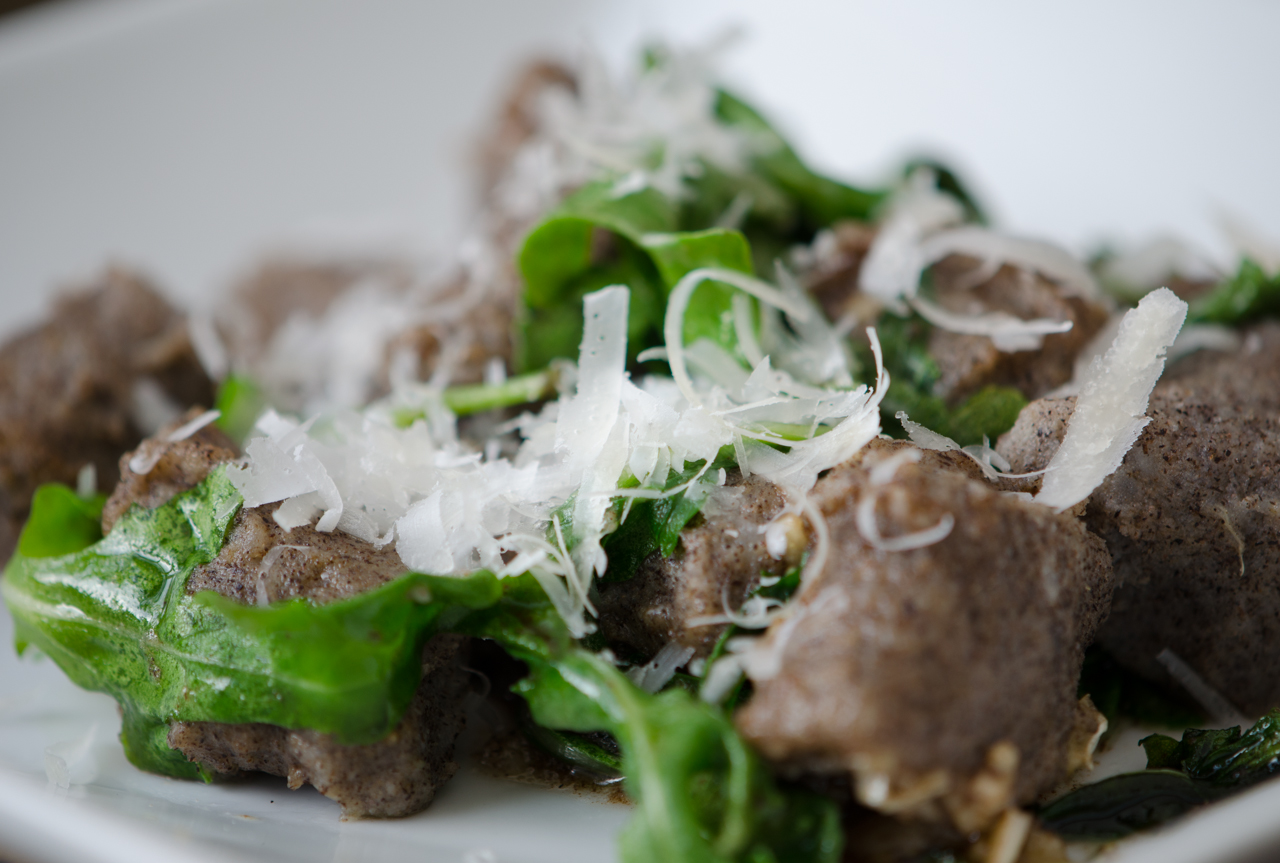
Heat the butter in a large saute pan over medium high heat. Keep a careful eye while allowing the butter to melt, and then brown. When the butter is just beginning to turn a golden brown and take on a nutty aroma, add the garlic and arugula, cook for another 30 seconds.

Ladle the cooked gnocchi into the butter in the saute pan, add the cheese and gently combine. Adjust seasonings and serve immediately.

fishing out gnocchi cycling dolomites italiaoutdoors food and wine

Posted in Arugula, Gnocchi, Travel, Trentino Food, Uncategorized | Tagged , , , , , , , , , , , , , , , , , , , , , , | 1 Comment

Roasted Squash and Apple Salad

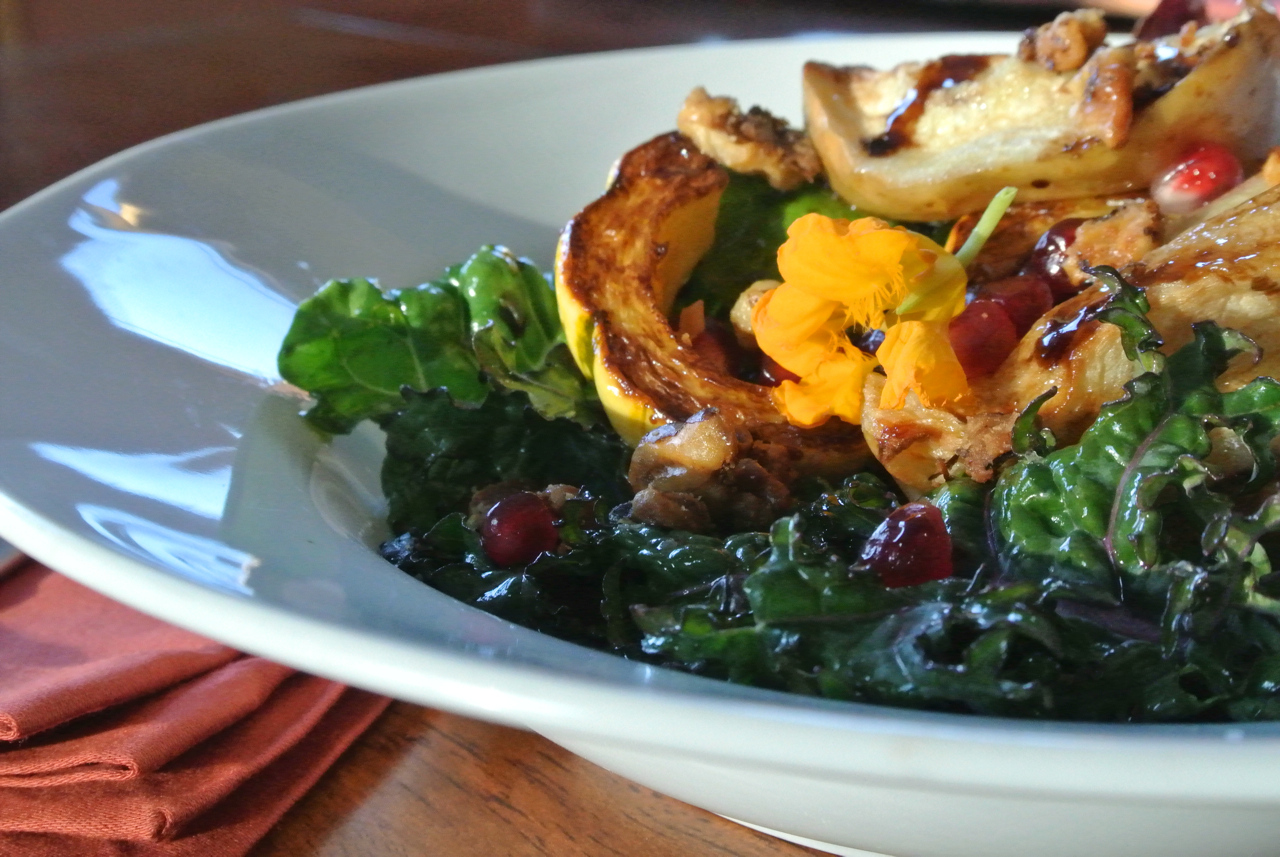
finished salad cycling holidays europe italiaoutdoors food and wine

The holidays are over, and the internet and media are now focused on New Year’s resolutions, particularly those that involve healthy lifestyle and weight loss. Like everyone, I overindulge a bit during the holiday festivities. My body is telling me right now to eat lighter and healthier, so that’s the type of recipes you’ll see in the upcoming weeks. This is essentially how we eat on our Italy adventure tours, great seasonal food paired with a daily activity, making a healthy lifestyle more of a pleasure than a chore!

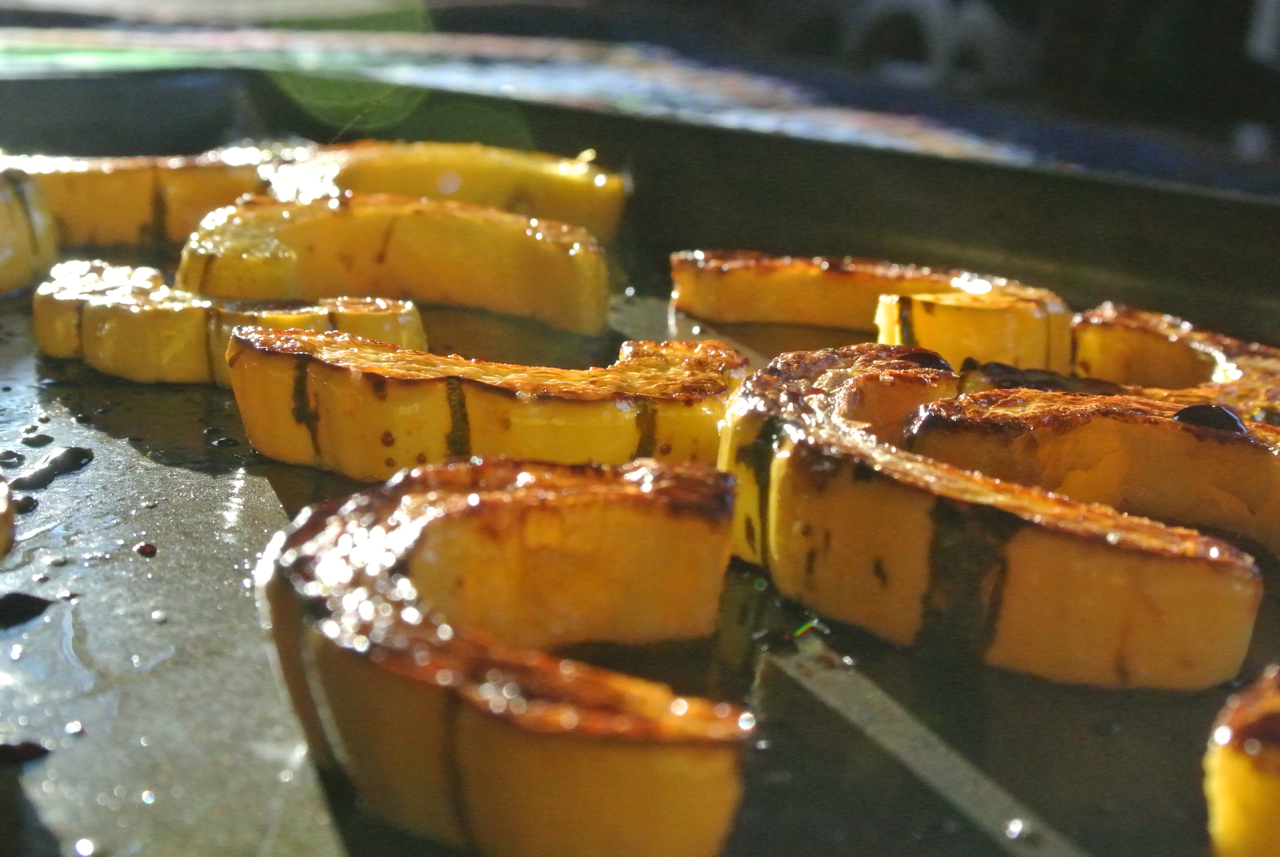
roasted squash luxury villas italy italiaoutdoors food and wine
I love a great salad, and like to break away from the usual accouterments – cucumbers, peppers, and tomatoes, especially this time of year when tomatoes are out of season and tasteless. This salad features locally grown winter squash and apples, both of which I purchased in bulk from my CSA, Long Hill Orchards in West Newbury, MA and store in my garage.
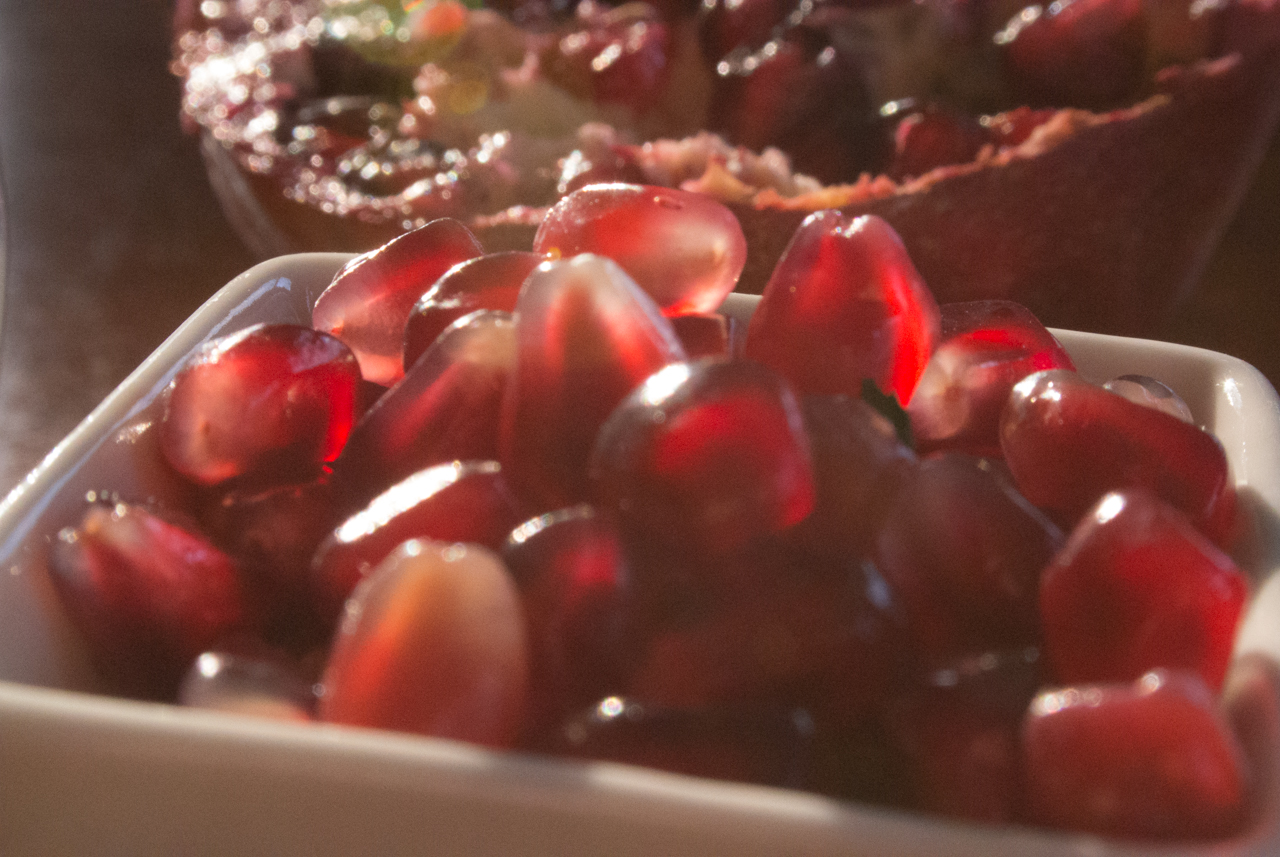
pomegranate cycling holidays dolomites italiaoutdoors food and wine
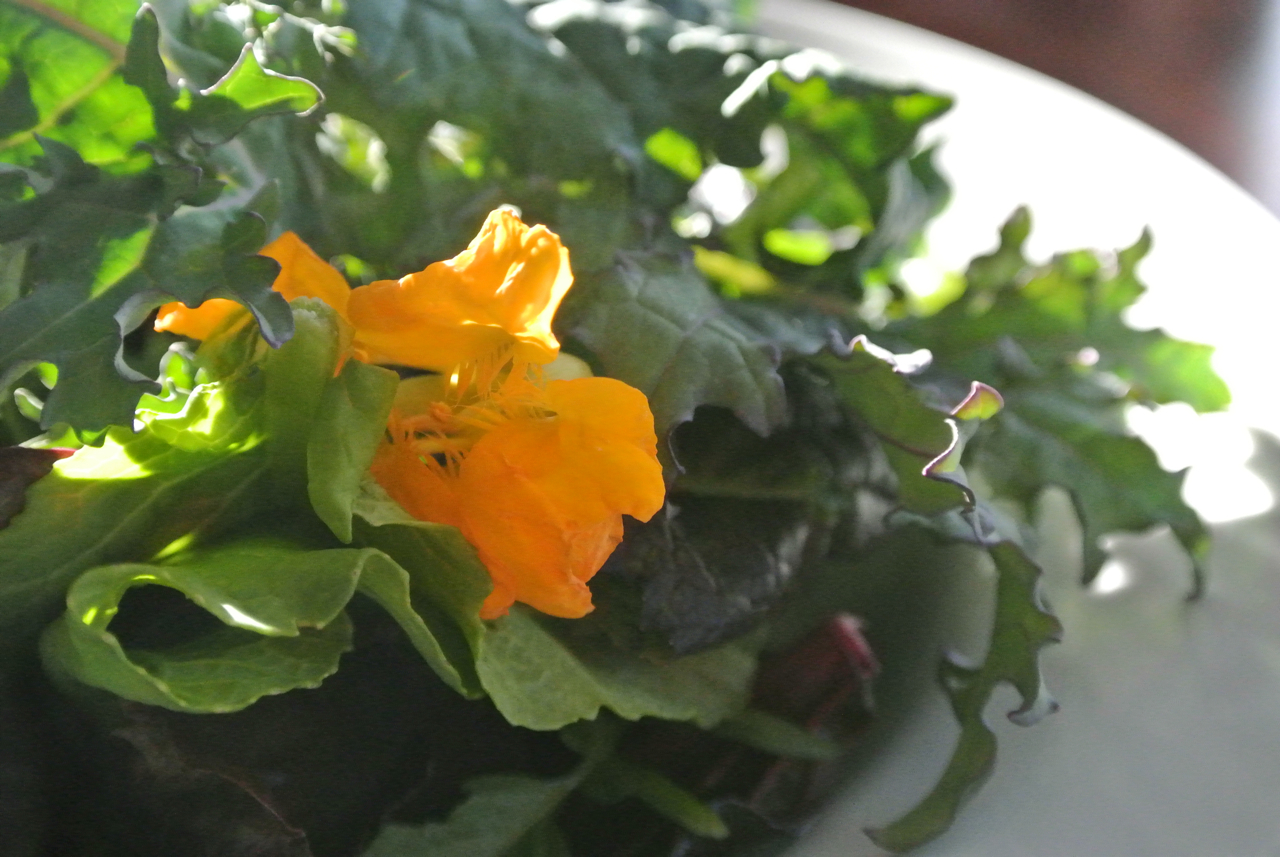
Now that I am in Maine for the winter, a trip to the grocers becomes a production. But even here you will find farmers dedicated to providing locally grown products, even as the snow piles up all around us. I order weekly from Western Maine Market, and my order is delivered on Friday afternoon. My absolute favorite mixed salad greens I buy here, from Deborah Chadbourne of Rasmussen Farm. The mix varies with the season, and can include all different types kale, mizuna, arugula, sorrel, borage, herbs, even pansy and nasturtium. This time of year it is a robust mix, heavy on kale and chard. But I love the myriad of flavors, and the many bitter greens she includes.
salad greens private bike tours italy italiaoutdoors food and wine
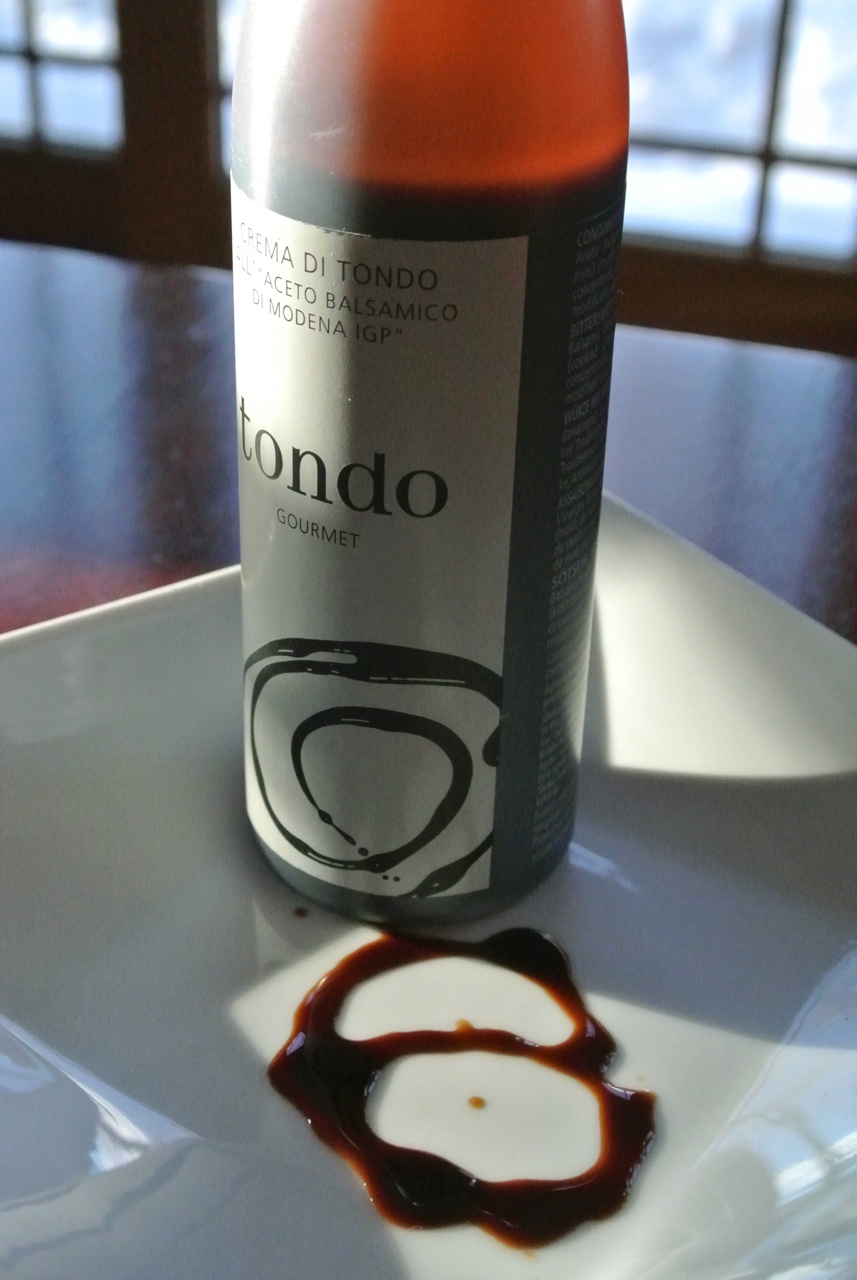
I used a balsamic syrup to flavor this salad. You can buy this at a gourmet specialty store, or make your own – take 1 cup balsamic vinegar and boil it until reduced to 1/3 cup. It would also be great flavored with pomegranate molasses.
balsamic luxury bike tours italiaoutdoors food and wine
Insalata Con Zucca e Mele Arrosto

1 delicata squash, halved, seeds removed, and cut into 1/4 inch slices
Extra virgin olive oil
Kosher salt
Balsamic syrup
1 large or 2 small apples, cut into 8 pieces total
4 cups salad greens
1/4 cup pomegranate seeds
2 tablespoons toasted walnuts, coarsely chopped

Preheat oven to 375°.

Toss the squash slices with a bit of olive oil, and season with salt. Place on a sheet pan, and roast until tender, about 15 minutes. Remove from oven and drizzle with a bit of the balsamic syrup.

Toss the apple slices with a bit of olive oil, and place on a separate sheet pan. Roast until just tender, not too long so they become mushy, about 20 minutes. Remove from oven and drizzle with a bit of the balsamic syrup.

Place the greens in a large bowl, toss with olive oil and season with salt. Drizzle with a bit more balsamic syrup and toss again.

Divide the dressed greens onto 4 salad plates. Top each with 2 apple slices, and 2-3 slices of squash. Garnish with the pomegranate seeds and walnuts, and serve.

Posted in Apples, Salad, squash, Uncategorized | Tagged , , , , , , , , , , , , , , , , , , , , , , | Leave a comment

Negroni – A Classic Italian Cocktail

negroni in glass bike tours italy

One of the classic Italian cocktails, a Negroni is addictive. Once you start drinking them, it becomes a favorite. My husband is a Negroni addict, annoying bartenders by ordering a drink they don’t know. More than once we have talked a bartender through the construction of this cocktail, as they indulge our desire for this obscure libation. Little do they realize that this drink has been around longer than they have, and is enjoyed worldwide. I’ve never run into this problem on our Italy tours, bars there are well-familiar with this cocktail and always have Campari on hand – these bitter liquors are much more popular there than here in the US.

ingredients cycling holidays dolomites

The key ingredient to a Negroni is Campari, an alcoholic aperitif infused with herbs and fruit, including chianetto – a small bitter orange. Campari was invented in 1860 by Gaspare Campari, who was experimenting with new beverages. It is customary in Italy to end a meal with a bitter ‘digestif’ to settle one’s stomach. Gaspare Campari created a bitter digestif to be enjoyed before a meal, as an aperitif. In 1904, the company Campari opened it’s first production plant in Sesto San Giovanni, near Milan. Under Gaspare’s son, Davide, Campari was exported overseas. Today, Campari is distributed in over 190 countries and the essential ingredient in many a cocktail, including the Americano (vermouth, campari, and soda), the Garibaldi and the simple Campari and soda or Campari and orange juice.
gin custom bike tours italy italiaoutdoors food and wine
It is commonly believed that the Negroni was created in 1919 at Cafe Casoni in Florence, when Count Camillo Negroni ordered an Americano “strengthened” with gin rather than the usual soda water. The bartender, Fosco Scarselli, added an orange garnish instead of the usual lemon, to distinguish it  from the Americano. As the cocktail gained popularity, the Negroni family opened Negroni Distillerie in Treviso, and produced a ready-made version of the cocktail, Antico Negroni 1919.

campari luxury villa italy italiaoutdoors food and wine

Negroni

1 ounces gin (mild flavor)
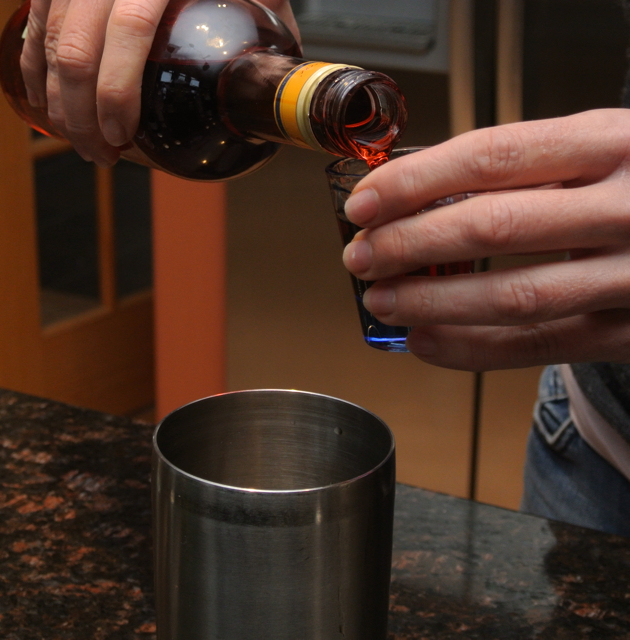
1 ounce campari
1 ounce sweet vermouth

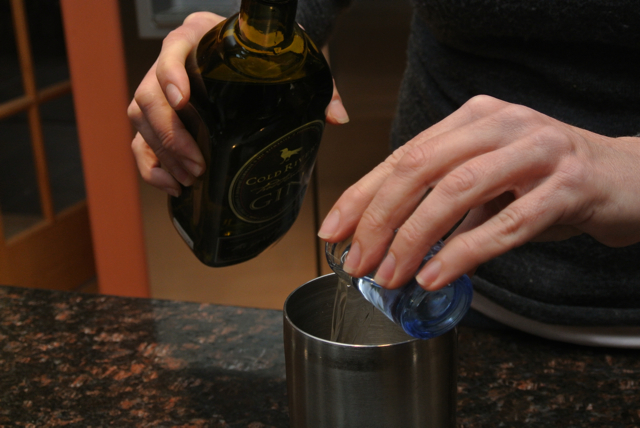
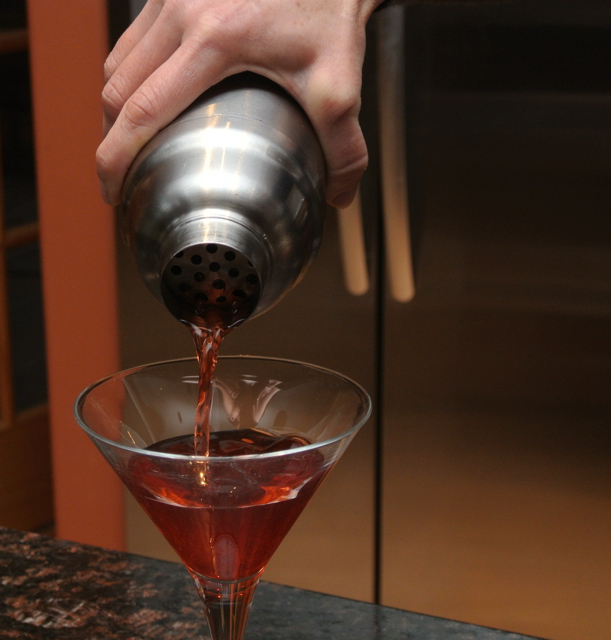
Combine all ingredients in a cocktail shaker, with several cubes of ice. Shake, and pour into a martini glass if serving straight, or a highball glass if on the rocks. Garnish with a slice of orange.

Use a mild flavored gin. We tested this with a new gin, locally produced Cold River Gin, from Freeport, Maine. This is produced from Maine potatoes, and has a very distinctive flavor. It would be wonderful in the right drink, but a Negroni is not the right vehicle for it. The combination of the botanicals in the Cold River gin and the bitterness of the Campari was a bit much. We made a second version with good old Gordon’s Gin, and we liked the result much better.

The bitterness of Campari can be an acquired taste for some. A less-pronounced version of this, which my husband still prefers, dilutes the bitter Campari with a bit more gin, 2 parts gin to 1 part campari and 1 part vermouth.

pour ski holidays dolomites italiaoutdoors food and wine


Posted in cocktails, Uncategorized | Tagged , , , , , , , , , , , , , , , , , , , , | 1 Comment

Amaretti Grappa Balls – Easy, No-Bake Holiday Cookies, Italian Style

amaretti grappa balls ski holidays dolomites italiaoutdoors food and wine

Every family seems to have it’s favorite Christmas cookie recipes. We don’t have the same strong culinary traditions here in the US as we discover on our culinary biking and skiing explorations in Italy. But the one tradition I enjoyed was baking cookies with my mother and sisters each holiday, and year after year we would make the same ones – a gingerbread and a sugar cookie that we would cut into shapes and decorate, Mexican Wedding Cakes (or Russian Tea Cakes or Italian Butter Nut), and a Brandy or Rum or Bourbon Ball. For years, we used the recipe for Cognac Sugarplums from The Silver Palate Good Times Cookbook. All versions of the “Liquor of Your Choice” Balls are essentially the same recipe; ground up vanilla wafers, nuts, sugar, and optional chocolate are combined with honey or corn syrup and liquor, rolled into balls and dusted with cocoa powder or sugar. No baking required.
amaretti cookies luxury villas italy italiaoutdoors food and wine
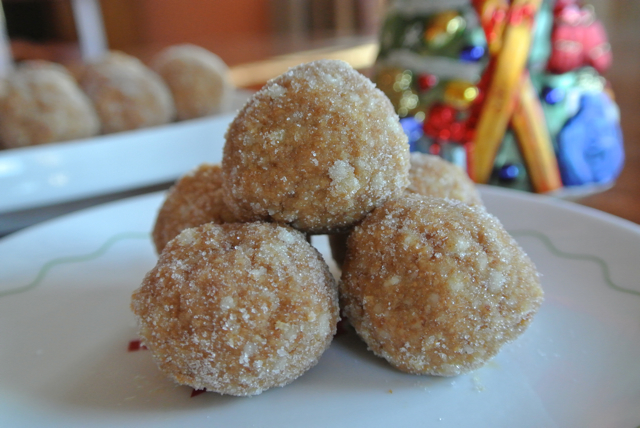
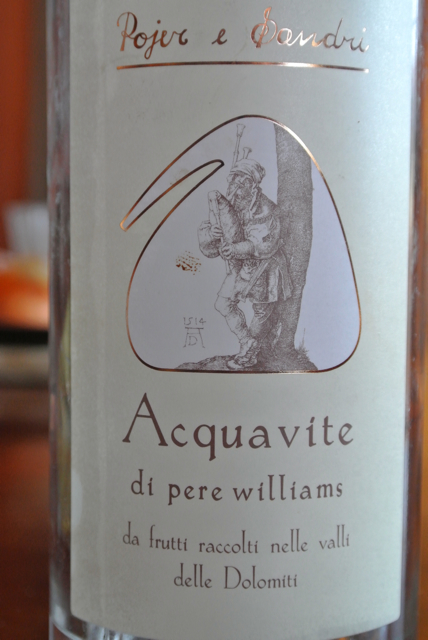
When, after many nights of desserts and cookie platters, the other cookies are getting a bit stale, these have been ‘aging’ like a fine wine and improving in texture and flavor. They were always the ones I hoarded for myself when making plates of cookies for neighbors and friends. I’ve been experimenting with new versions of this old favorite, inspired by the flavors of Italy. I shared a recipe for Tiramisu Balls, made with ladyfingers, hazelnuts, coffee liquor and dry marsala. My latest creation is a ball made from ground amaretti cookies and flavored with grappa or acquavite. I used Pere Williams, a pear flavored digestif produced by Trentino winemaker Pojer e Sandri. I visited this winery years ago on a tour with Chef Jody Adams, and they presented us with a few bottles to take home, including this liquor.
pojer e sandri bike wine tours italiaoutdoors food and wine
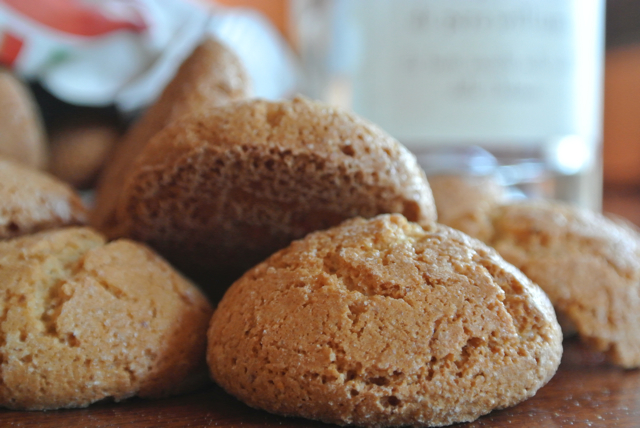
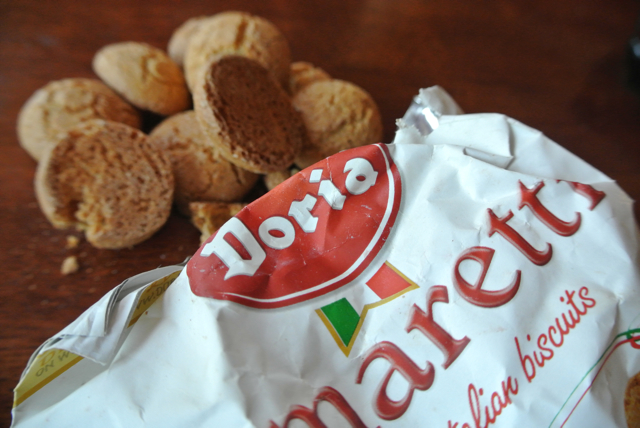
Amaretti cookies (amaretto singular), are almond flavored macaroons that are served all over Italy. I enjoy them as is, but they are often ground and used to flavor a dessert. In our Chefs on Bikes cooking classes with the Dal Corso family, we used them in a delicious filling for an apple dessert, which is then wrapped in puffed pastry and baked. This past summer, I enjoyed several peach desserts stuffed with ground amaretti cookies, which I shared on this blog as well.
amaretti cookies cycling holidays europe italiaoutdoors food and wine
Amaretti cookies are traditional to Saronno, in Lombardia. Legend has it that in the early 18th century, a Milanese cardinal visited the town. A young couple created this original dessert for him, cookies made of egg whites, sugar and crushed almonds and apricot kernals. The cardinal was so pleased with the treat he blessed the couple with a long and happy marriage.
balls no sugar expert guides italy italiaoutdoors food and wine

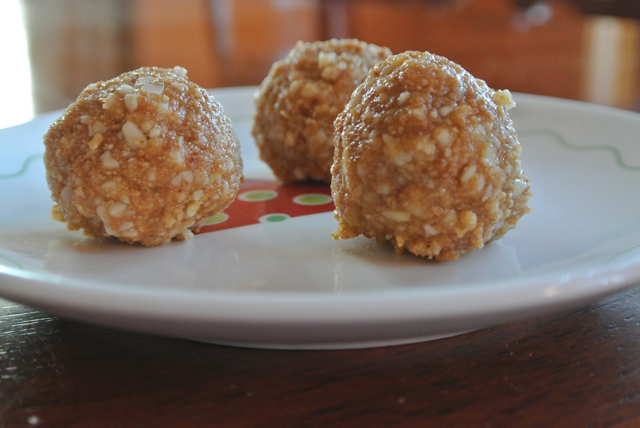
Amaretti Grappa Balls

1 cup crushed amaretti cookies (about 36-40)
1 cup almonds, ground finely in food processor
1 cup confectioner’s sugar
1/2 cup grappa or acquavite
2 tablespoons honey

Place the crushed amaretti, ground almonds and confectioner’s sugar in a large bowl. In a measuring cup, combine the grappa and honey. Add to the dry ingredients and stir until thoroughly mixed.

With wet hands, take about 1/2 tablespoon of dough, and roll into a ball. If the dough is too dry to hold together well, add a bit more grappa or a little water. Continue until all the dough has been formed into small balls of equal size. Roll each ball in granulated sugar.  Store in an airtight container. These are better after about a week of aging, so refrain from the desire to eat them right away.

Posted in Christmas, Cookies, Uncategorized | Tagged , , , , , , , , , , , , , , , , , , , , , , , | 2 Comments