Kellerei Cantina Terlan Wines – Classic Wines from Alto Adige

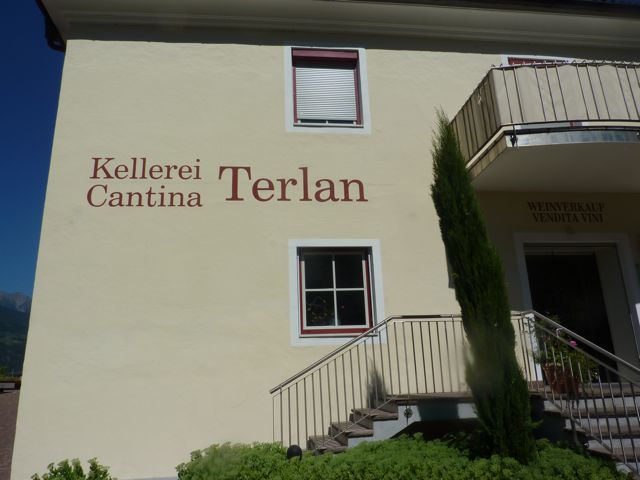
kellerei cantina terlan - front entrance
Kellerei Cantina Terlan

Located north of Bolzano, in the town of Terlano, the Cantina Terlan produces high quality wines in both the Terlano and Alto Adige DOC. Started in 1893 when 24 local growers united to jointly produce, sell and market their wines. This was one of the very first cooperatives in Sudtirol. Today the Kellerei Cantina Terlan consists of about 120 members, with a total of just under 20,000 hectares under cultivation, making it one of the regions smaller producers. There is some wonderful bike paths that lead us right through this region, and during the winter months, great skiing is close by.
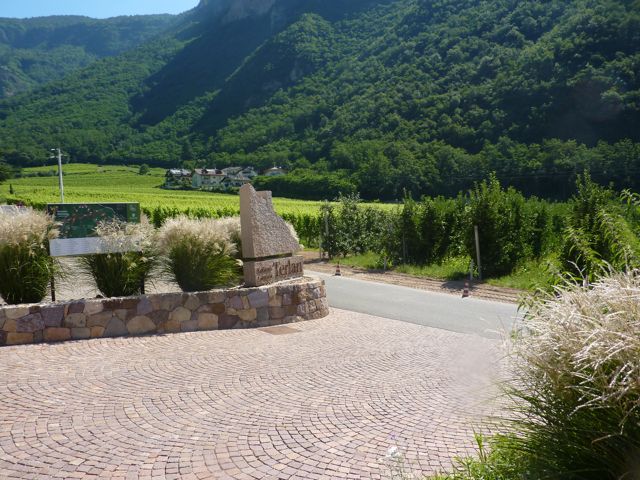
View of vineyards bike tours italy
View of Cantina Terlan vineyards

The soil of this region is made of porphyry rocks, characterized by large-grained quartz crystals dispersed in a fine-grained matrix, and quite porous. Of volcanic origins, this soil drains well and confers a distinctive mineral flavor to the grapes. The cool nights and warmer days of this region give a good balance to the wines, with just the right amount of acidity and sugar. The Cantina currently produces wines from both indigenous as well as international varieties such a Pinot Bianco and Sauvignon.
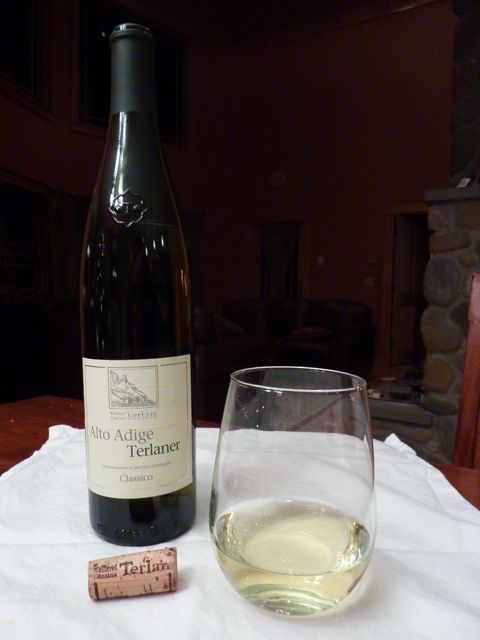
Terlaner Bianco - Italiaoutdoors bike wine tours italy
Terlaner Bianco

The Terlano/Terlaner DOC regulations describe one white blend, the Terlaner Bianco. This blend can use a variety of white grapes from the Terlaner region, but must consist of a minimum of 50% Pinot Bianco and/or Chardonnay, with the remainder a blend of Riesling, Riesling Italico, Sauvignon, Sylvaner or Muller Thurgau. I tasted the Terlaner Classico 2009, a blend of 60% Pinot Bianco, 30% Chardonnay, and 10% Sauvignon. Pale yellow in color, with a bare hint of green, it had an aroma redolent of flowers and tropical fruit. Rich and well-balanced, with a nice, persistent strong finish, very refreshing on the palate. This would pair well with fish or chicken, or a light first course pasta or risotto.

I have also enjoyed two Lagrein wines from Cantina Terlan, the Alto Adige Lagrein from the Classics line, and the Porphyr Riserva Lagrein, from their Selection line.
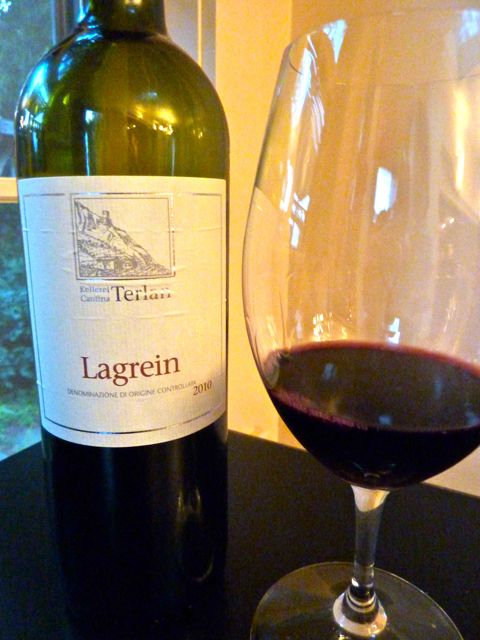
laagrein bike wine tours
Cantina Terlan Lagrein 2010

The Classics Lagrein 2010 is a garnet red, and exhibits a smoky, cherry nose with a vegetal hint. There is a nice smokiness to the palate as well, with blackberry, black cherry and plum. The fruit is nicely balanced with mild tannins, and a slightly bitter, long-lasting finish.
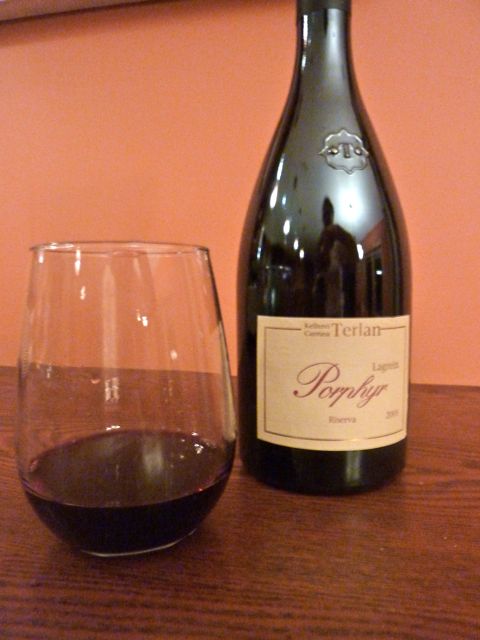
Cantina Terlan Porphyr - Italiaoutdoors bike wine tours italy
Cantina Terlan Porphyr – Lagrein Riserva 2005

The 2005 Porphyr Riserva Lagrein is a real treat. First fermented in stainless, and then in new oak barrels, it can age for up to 15 years. A deep purple red, with aromas of cherry, tobacco, and dark chocolate. Full-bodied, with developing tannins, it has a great acidity which will cut through a lot of fattier foods. The palate is deep and complex, with notes of coffee and cherry. It should be opened and decanted, or allowed to sit for a few minutes before drinking.

The classic food pairing for a Lagrein is the local speck, a smoked prosciutto hailing from the region. It pairs well with hearty winter stews, braises and roasts, such as my Roast Pork with Balsamic Vinegar.
Posted in Lagrein, Terlaner, Travel, Uncategorized, Wine, Wine Pairings, wine tastings | Tagged , , , , , , , , , , , , , , , , , , | Leave a comment

Brasato di Maiale al Latte – Braised Pork in Milk

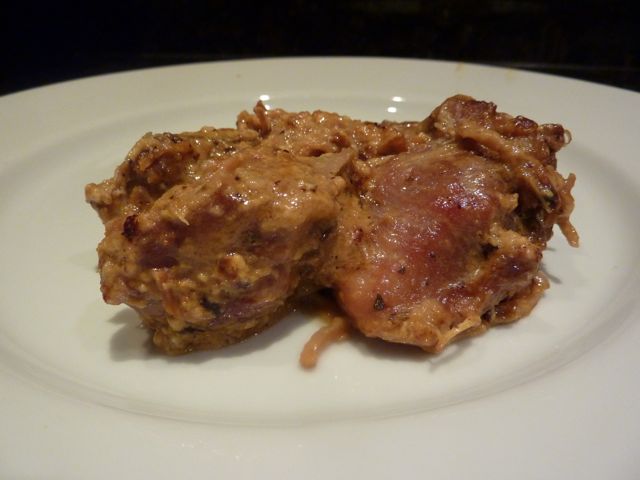
Brasato di Maiale al Latte

The first time I cooked this dish, the decision was born out of desperation. During the winter months, I live at Sugarloaf, ME, and the nearest somewhat reasonable grocer is fifteen miles away. My refrigerator was pretty bare, and I was looking through my various recipe books for something that required ingredients I already had on hand. This was perfect – all I needed was pork, butter, olive oil, and milk.

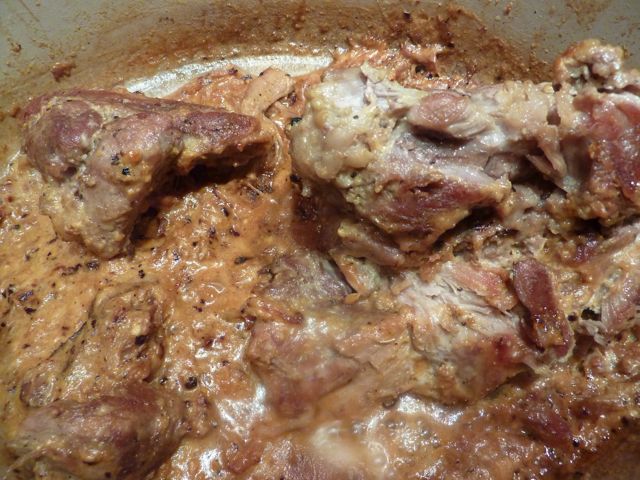
But I return to this recipe again and again, even when my pantry isn’t quite so barren. It’s wonderfully tasty, as well as wonderfully simple. The slow cooking transforms even the toughest cuts of pork into tender chunks of flavor that only requires a fork to eat; the milk becomes nutty, brown clusters that make a delicious sauce, albeit one that is not particularly visually attractive. However, if that bothers you, a quick dip with an immersion blender can fix that.

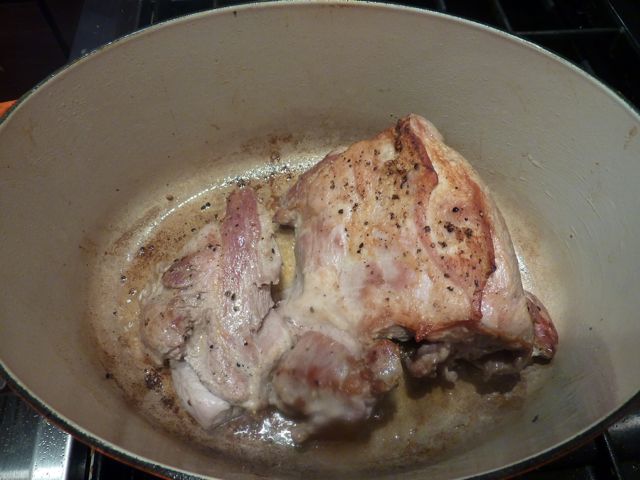
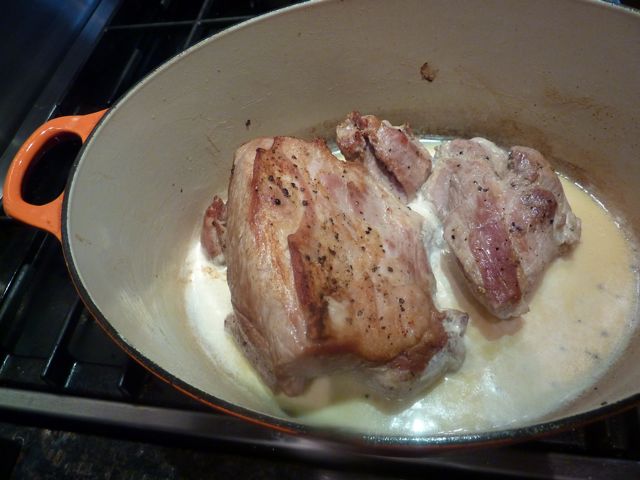
Browned pork with milk

There are many versions of this recipe, and many regions of Italy which claim it as a traditional food. Marcella Hazan, in her classic book “Essentials of Italian Cooking”, includes a recipe for pork loin braised in milk, which she identifies as “Bolognese Style”. I have also seen other versions, some that braise the pork in milk, some that roast it in the oven. All types of cuts are used, from pork chops to roasts to loins to shoulders/butts. Some claim the recipe is Tuscan, others identify it as a classic food in the Veneto, still others in Friuli-Venezia Giulia. It probably hails from all of these regions, any that raised both pigs and cows.

My fellow food blogger and a guest on one of our Italiaoutdoors tours, Steve Dunn from Oui, Chef did a great job covering this same dish a while ago on his blog – check out his version of Maiale al Latte. He adds a few more flavoring ingredients, sage leaves, garlic and lemon zest. I always encourage my cooking students to add their own creativity to what they prepare, so play with different herbs (bay), or try the addition of some white wine, which I also saw in some recipes. This is the ‘austere’ version, but you will be surprised at how much flavor the cooking process alone brings to this dish.

Finished dish, with nut-browned sauce

One interesting note I learned while reading up on this dish – the Italian word for pork, maiale, comes from the Roman goddess Maia, mother of Mercury. The Romans used to sacrifice pigs to earn her good graces. You will usually see the cut of meat (arrosto, braciole) included in the name of this dish; maiale al latte in Italian can also refer to suckling pig.

After researching several recipe variations, I decided to base my dish on Marcella Hazan’s. Many of the recipes add all the milk at the beginning; Marcella recommends adding the milk 1 cup at a time, allowing it to cook down and brown before adding more.  I also recommend the pork shoulder or Boston butt for this recipe, which will take a while to cook, but the result will be worth the wait. The tenderloins we find today have been bred to make them as lean as possible, the upshot of this can be a rather dry dish at the end of an extended cooking time. The higher fat content of these cheaper cuts avoids this problem.

Brasato di Maiale al Latte (Braised Pork in Milk)

1 pork shoulder or boston butt, about 4-5 lbs.
Kosher salt and freshly ground pepper
2 tablespoons butter
2 tablespoons pure olive oil
3 cups, or more, whole milk

Place the pork on a sheet pan, and season on all sides with salt and pepper.

Searing pork
Searing pork

In a heavy-bottomed pot, such as a La Creuset enamel pot, place the butter and olive oil and heat over medium-high heat. When the foam subsides, add the pork and sear until it is browned on all sides. If the butter begins to turn a bit too brown, reduce the heat.

When the meat is browned, very carefully and slowly add 1 cup of the milk. It can boil over quite quickly. Allow the milk to come to a simmer, then reduce the heat as low as you possibly can, place the lid on the pot slightly ajar, and let cook at the lowest simmer for about one hour, checking after about 40 minutes or so.

After 45 minutes to 1 hour, the milk should be thickened and fairly dark brown in color. Turn the pork, and add another cup of milk. Bring to a simmer, then reduce the heat, again place the lid on, tightly this time, and allow to cook for another hour.

Again, repeat the process. After the hour, the milk should be no longer be ‘liquid’, but thickened nut-brown clusters. Turn the pork, add the last cup of milk, cover and cook for another hour.

Check the pork for tenderness – you want the meat to fall apart easily when prodded a bit with a fork. If it is still fairly tough, add more milk and continue to cook.

When the pork is tender, and all the milk in the pot has thickened into nut-brown clumps, remove the pork to a cutting board and allow to sit for a few minutes. Scrape the bottom and sides of the pot to loosen any bits of sauce that are stuck. If there are some nicely browned bits on the bottom that aren’t coming off, add a bit more milk or water, and reduce while you scrape them off. If you wish to make the sauce a bit more elegant in appearance, you can add in a bit of heavy cream and give it a quick mix with an immersion blender.

Serve, topping the meat with a bit of the sauce.

Posted in Braising, Emilia Romagna, Friuli-Venezia Giulia, Pork, refosco, Travel, Uncategorized, Veneto Food | Tagged , , , , , , , , , , , , , , , , , , , , , , , , , | Leave a comment

Goulash – Yes, It’s “Italian”

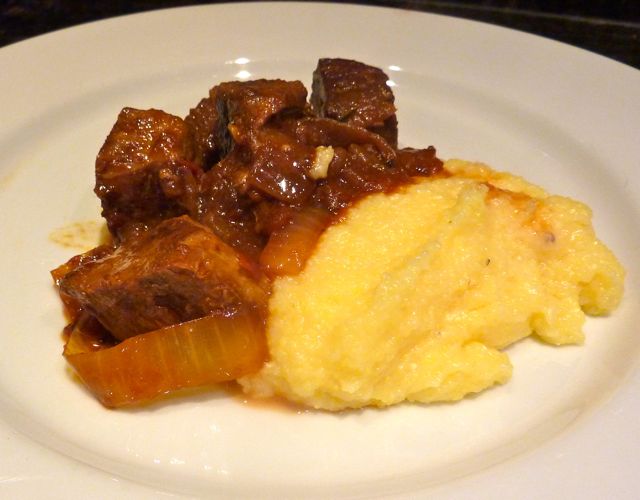
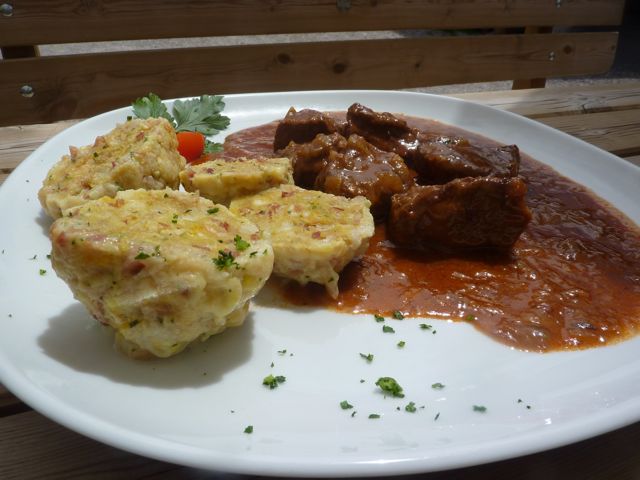
Goulasch with Polenta

For most of us, when we think of Italian food, goulash is not the first dish that comes to mind. Originating in Hungary, and supposedly deriving it’s name from the Hungarian gulyas, or ‘herd’, goulash is a dish first cooked by cattle and livestock herders. Traced as far back as the 9th century, Magyar (Hungarian) shepherds would prepare a stew, slowly cooking it until all the liquid was absorbed. The stew was dried in the sun, and packed in sheep’s stomachs to be carried with them as they tended their flocks. Water would be added to reconstitute the stew at mealtime.

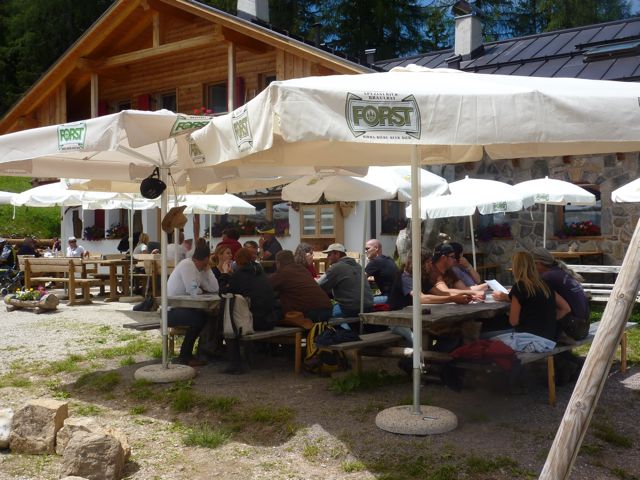
Malga in Trentino - Serving Goulasch
Malga in Trentino

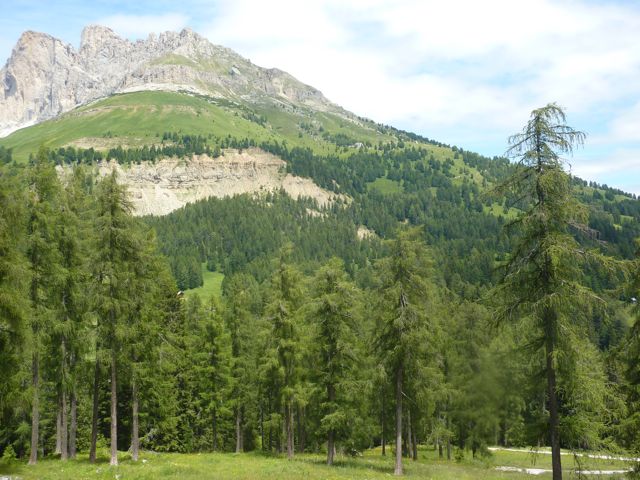
Popular in Austria, Croatia and Slovenia, it is yet another example of the Central European influence we see on our Italiaoutdoors tours in the region, especially in the mountains of Trentino-Alto Adige and Friuli-Venezia Giulia, where you will see it referred to as goulasch in Italian. Called golas in dialect, it is a local specialty of Trieste, often found at many of the cities traditional buffets. It hails back to the days when Trieste was main trading port of the Austro-Hungarian Empire, and Trieste is credited with adding tomatoes as a key ingredient. It is found throughout Friuli and Trentino-Alto Adige, most commonly in the mountain areas along the Austrian border. It’s a staple at the numerous mountain farms that serve food, known as malgas. It is usually served with polenta, potatoes, or csipetke, a pinched (csipini) noodle similar to spaetzle.

Goulasch with Canderli at Malga

There are endless preparations for goulasch, and it can be made with a variety of meats, beef, pork, lamb and even a combination. But most use meat and onions that have been seasoned with paprika, cooking them for a long time over low heat. Paprika is a fairly recent addition, as it did not arrive in Hungary until the 16th-17th century, courtesy of Turkish invaders. The use of this fiery spice spread, well, like wild fire, as people loved it’s exotic nature, and it was believed to have the ability to ward off cholera. There are some meatless versions that use vegetables such as peppers or potatoes, which were served during hard times when meat was too expensive.

This recipe is derived from several versions I found both online and in books. I would encourage you all to play with different meats and spice combinations. Here, I used smoked paprika, a bit nontraditional, but the only paprika I had! You can add vegetables like peppers, potatoes, carrots or parsnips, or add some caraway seed.

A nice spicy Schioppettino from Friuli would be a great wine to accompany this dish, or if you are in Alto Adige, try a St. Magdalener, a blend of Schiava and Lagrein.

Goulasch

Serves 6 – 10

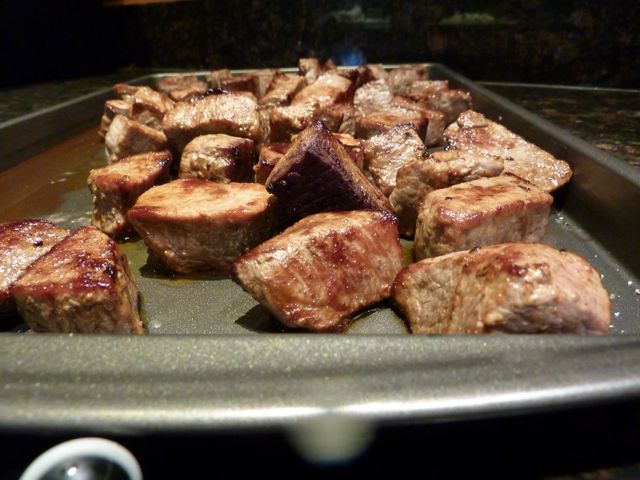
Seared Beef
Seared Beef

4 tablespoons pure olive oil
4 medium onions, cut into 1/2 inch slices
Kosher salt and freshly ground pepper
1 teaspoon smoked paprika
1 small sprigs rosemary, leaves removed and stem discarded
2 bay leaves
1 teaspoon dried oregano
3 pounds stew beef
1 28 ounce can pureed tomatoes

Heat half of the olive oil in a large enamel or heavy-bottomed sauce pan over medium-high heat. Spread the stew beef cubes out on a sheet pan and season with salt and pepper. Add the beef chunks to the pan and sear on all sides, cooking in batches so they have some space between them. If they are crowded in the pan, they will steam more than sear. You want them to brown nicely on several sides. Remove from pan when browned and set aside.

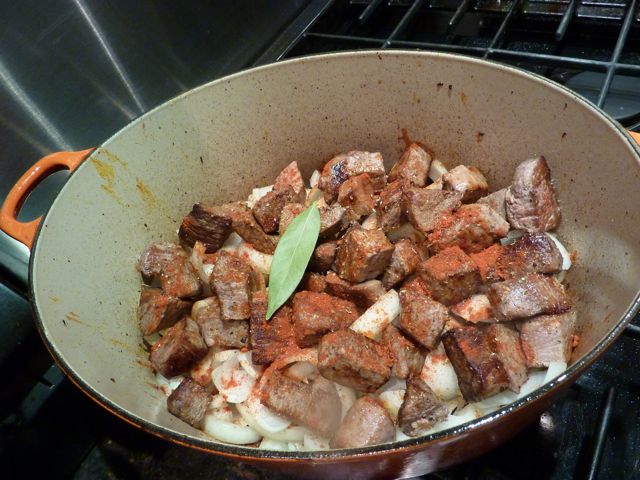
Goulasch cooking
Goulasch cooking

Reduce the heat to low, and add the remaining olive oil. Add the onions, spreading them out in a layer that covers the bottom of the pan. Season with salt and pepper, and half of the paprika, rosemary leaves, bay, and oregano. Top with the beef cubes, and then the remaining paprika, rosemary, bay and oregano.  Partially cover the pot, and cook for 3 hours over as low a heat as possible. After 1 1/2 hours, check the pot every 30 minutes to make sure liquid remains in the bottom. If it becomes dry, add a bit of water.

One hour before the goulasch is done, place the can of tomatoes in a small sauce pan. Bring to a simmer over medium-high heat, then decrease the heat to low and continue to cook until thickened. You want to reduce the tomato puree by approximately one-half, making a very thick tomato sauce.

After 3 hours, add the reduced tomatoes to the pan, and stir to combine. Increase the heat to medium-high, and bring to a simmer. It is now ready to serve, but will be even better if left to sit for a day (in the refrigerator, of course.) Serve with crusty bread, polenta, potatoes, or csipetke noodles.

Posted in Beef, Braising, Friuli-Venezia Giulia, Lamb, Pork, Schioppettino, St. Magdalener, Travel, Trentino Food, Uncategorized | Tagged , , , , , , , , , , , , , , , , , , , , , , , | Leave a comment

Roast Pork with Balsamic Vinegar and Bay Leaves

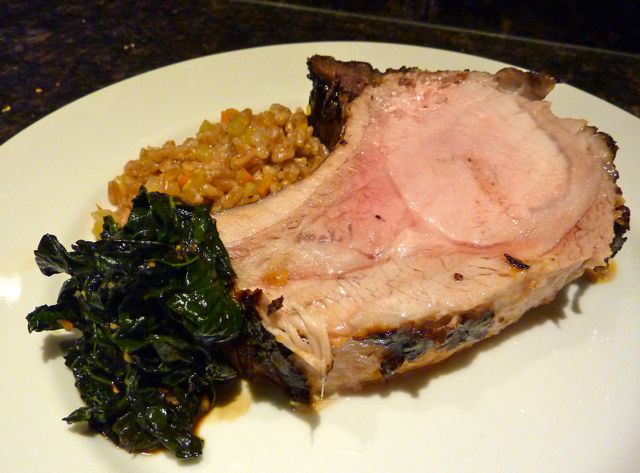
Roasted Pork with Balsamic Vinegar and Bay
Roasted Pork with Balsamic Vinegar and Bay Leaves

Balsamic vinegar is one of the most well-known Italian contributions to the culinary world, now a basic condiment found in many kitchens here in the US. It is common all over Italy, we find it at every table in the regions we tour, but to truly appreciate it requires a bit of background on it’s origins and the role it has played in the households over the centuries. Balsamic vinegar hails from the Emilia-Romagna provinces of Reggio Emilia and Modena, with its origins dating almost 1000 years ago. The name comes from the Latin Balsamum, meaning a ‘balm’ or a restorative, and it was originally used for it’s curative properties. Supposedly, during the plague of 1630, the Duke of Modena carried an open jug of the vinegar in his carriage to ward off the disease.

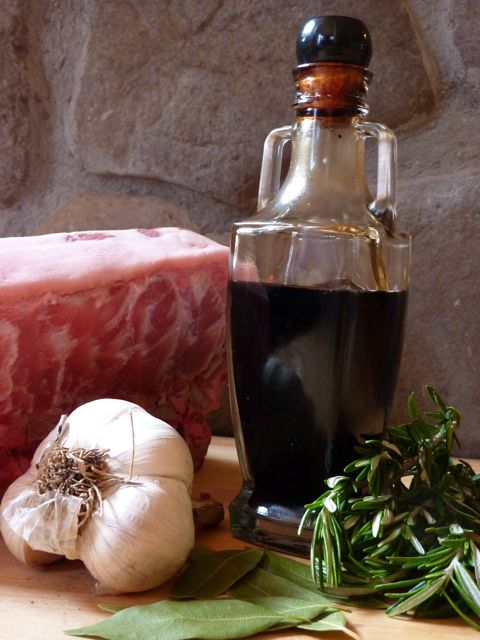
Ingredients - Balsamic Vinegar, Bay, Rosemary

The incredibly popularity of this vinegar has, unfortunately, spurred a rash of imitators. The traditional original product is not a true vinegar, in which the alcohol is converted to acid, but a reduction of cooked Trebbiano and Lambrusco grapes, in which the sugars are eventually converted to the acid, producing a much ‘sweeter’ end product. It is referred to as “Aceto Balsamico Tradizionale di Modena” or “di Reggio Emilia”, and both are currently protected by both the Italian and EU DOP (Denominazion de origine protetta) quality regulations.

In the farmhouses and estates that in Reggio Emilia and Modena which have been producing balsamic vinegar for centuries, enter their sunny attics and you will find a row of wooden barrels, of increasing size, lined in a row. The number of barrels may vary, but the minimum was 3, and the DOP regulations require at least 7 barrels, and a total aging period of at minimum 12 years. The types of wood used for the barrels varies as well, one may be chestnut, one cherry, one mulberry. Each year, a bottle of vinegar – the families allotment for the year – is removed from the smallest of the barrels. The smallest barrel is then topped off with vinegar from the next smallest barrel, and so on down the line. The sweet concentrate produced each fall by pressing and cooking down this year’s grapes enters the largest barrel, beginning its slow progress into the wonderful balsamic vinegar – now one may understand why, in Modena, it is said “One generation makes balsamic for the next.” Balsamic vinegar was traditionally part of a brides dowry, and one of the families prized possessions that traveled with them during wartime evacuations during WWI and WWII.

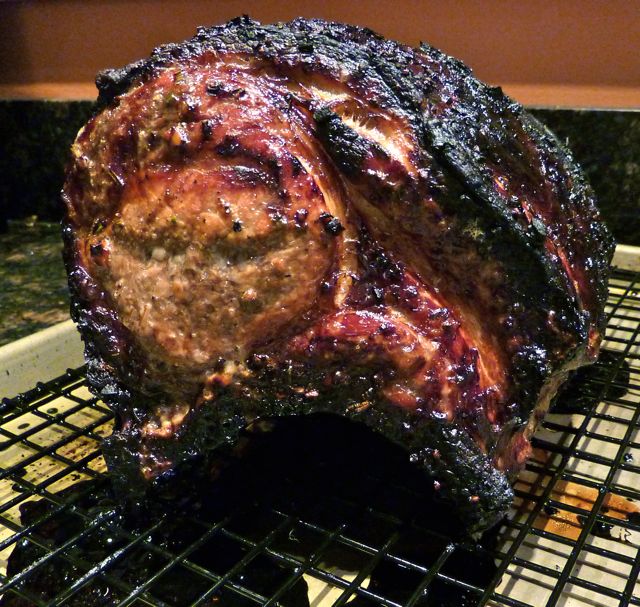
Roasted Pork
Roasted Pork

Other varieties of balsamic are available. The Condimento grade, labeled as condimento balsamico, is made in a similar fashion to the tradizionale, but with the following exceptions to the true DOP regulations: aged less than 12 years, or made by producers outside of Modena or Reggio.  Commercial grade products are simply wine vinegar to which artificial colors, caramel flavor and thickeners have been added to imitate the thicker consistency and sweeter flavor of the real thing.

I have found several different Italian recipes for cooking pork or beef with the combination of vinegar and bay leaves. If you have the wonderful tradizionale vinegar, simply drizzling it over a grilled steak is perfect. I had a bone-in pork roast to cook, and used this combination of flavors to develop a marinade for the roast. It results in a beautiful, dark crust on the pork, and smells wonderful while roasting. Serve with some cooked garlic greens and farro or polenta.

Roast Pork with Balsamic Vinegar and Bay Leaves

4 bay leaves
1/4 cup good quality balsamic vinegar
1 tablespoon minced garlic
1 spring fresh rosemary, chopped (about 1 tablespoon)
1 teaspoon fresh ground pepper
1 1/2 teaspoons kosher salt
1 5-lb. pork roast, bone-in

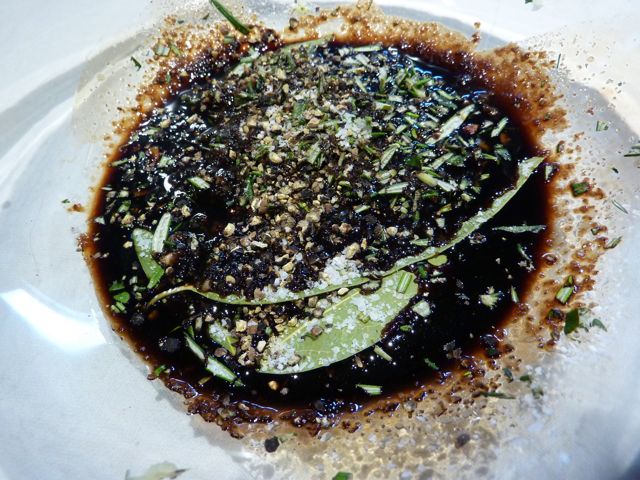
Marinade
Marinade

Combine the first six ingredients in a small bowl.

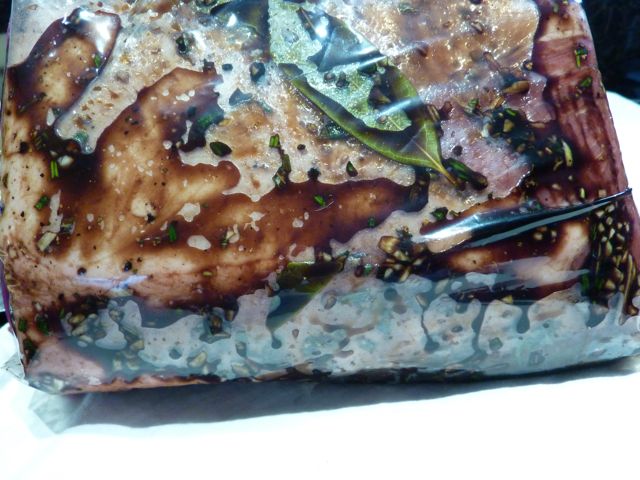
Place the roast in a sealable plastic bag – it should just fit into a gallon bag. If not, place in a roasting pan. Pour in the marinade, and seal the bag. Turn the bag over a couple of times to move the marinade around and cover the meat on all sides. Allow to marinate for a couple of hours, or overnight.

Preheat the oven to 400°.

Remove the pork from the bag and place in a roasting pan. Put into the preheated oven. After 15 minutes, reduce the oven temperature to 375°. Roast until the internal temperature of the meat is 130°, about 90 minutes in total. I would suggest checking at 60 minutes, just to see where you are.

Pork marinating in bag
Pork in marinade in bag

Remove from the oven, and let rest for 10 minutes. Slice and serve.

The classic regional wine pairing would be a Lambrusco, which we think of as a light, fizzy wine, but can be found in both frizzante as well as dry versions in the Emilia region. Or if you’re trying to find a pairing here in the US, a nice full Valpolicella would be wonderful.

Posted in Emilia Romagna, Pork, Travel, Uncategorized | 1 Comment

Insalata con Marroni, Mele e Melagrana – Salad with Chestnuts, Apples and Pomegranate

Recipes from Italiaoutdoors Food and Wine bike tours in Italy
Insalata con Marroni, Mele e Melagrana

Chestnuts are found throughout Italy, and have been a staple of their cuisine for thousands of years. Mentioned in writings from Homer and Pliny, they were cultivated throughout the region by the Middle Ages, especially in the mountainous areas where they are one of the few crops that can grown on steep slopes, as well as produce during colder winter months. In some of the more mountainous areas, the economy revolved around the chestnut, as people gathered them in the fall, and worked throughout the winter to sort, dry and sell them.

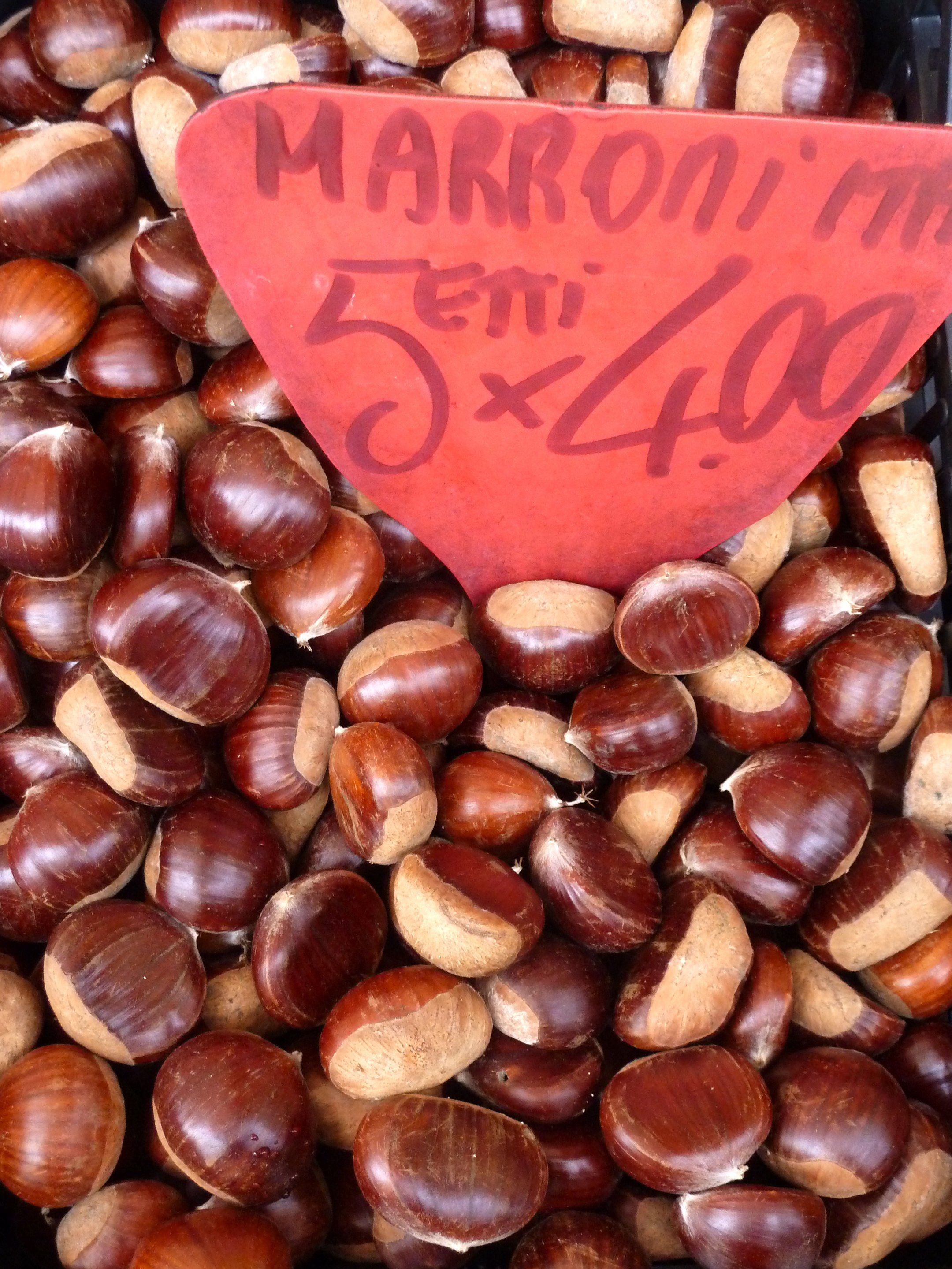
Marroni in Market - recipes from Italiaoutdoors bike tours in Italy
Marroni in market on our bike tour

Chestnuts were traditionally dried to preserve them. A small, two story hut was built, and the chestnuts were laid out in the top story; a fire was started in the lower story, under a large stone shield that protected the crop and the building itself, from the heat of the fire. The fire was kept going continuously, the heat drying the nuts and the smoke would rid them of the worms that could infest and ruin an entire crop. During colder evenings, entire families would gather in the roasting hut to enjoy the warmth and aroma of roasting nuts. Dried chestnuts can be boiled, or the dried nuts ground up into flour and used in a variety of dishes, such as pasta or baked goods

Chestnut - Italiaoutdoors Food and Wine bike tours
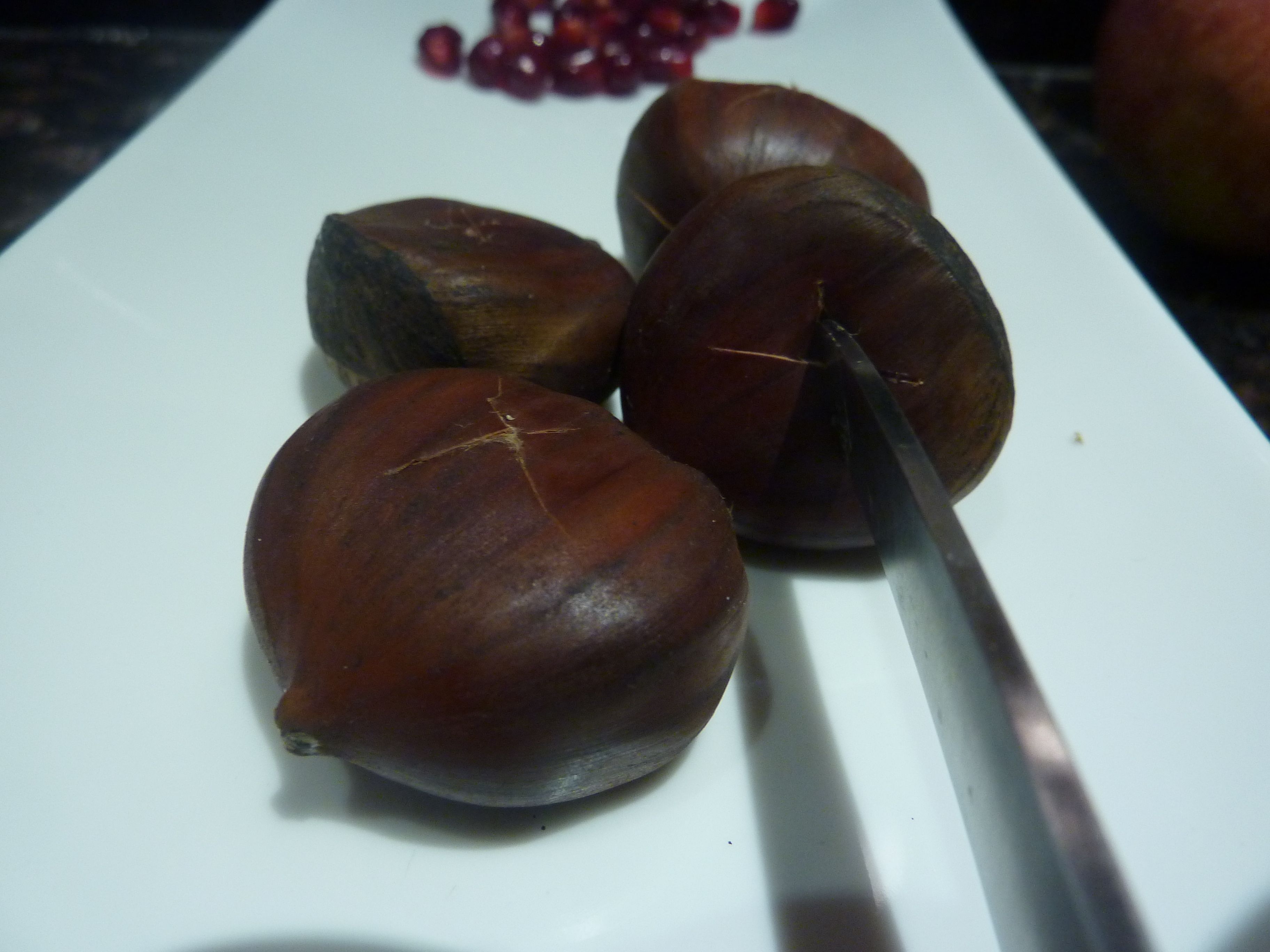
Cutting "X" in side of chestnut

There are many different varieties found throughout Italy: the smaller, flatter castagne and the rounder, fuller marroni. Up in Northeastern Italy there are several areas that still cultivate chestnuts, mostly of the marroni variety. We still find vendors selling freshly roasted chestnuts at market stands in the fall during our Italiaoutdoors Food and Wine bike tours; the aroma is divine, and the nuts a wonderful treat to enjoy on a cooler fall shopping day.

When purchasing chestnuts, look for shiny, healthy nuts without any discoloration. They should also be firm and solid, without much give between the shell and the flesh. In the markets and homes in Italy, you can still find chestnut roasters, essentially iron pans with holes, with a long handle. The nuts would be placed in the pan, sprinkled with a bit of water, and roasted over a fire. I don’t have any special equipment for roasting chestnuts, all you really need is a sheet pan and a hot oven.

Roasted chestnuts - Italiaoutdoors Food and Wine Bike and Ski tours
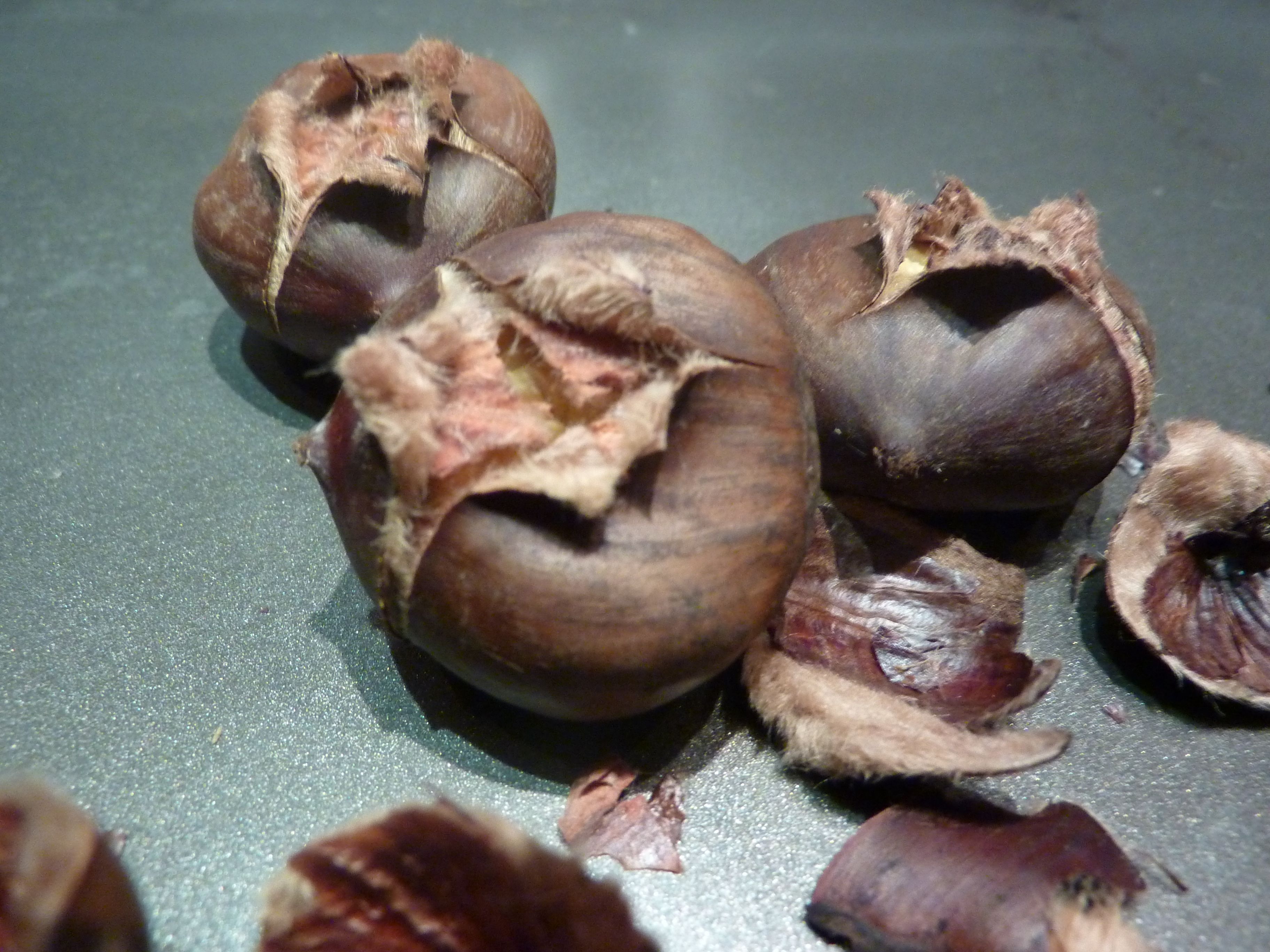
Roasted chestnuts

To roast chestnuts, preheat your oven to 450°. With a small sharp knife, cut an “X” into the flatter side of each nut. Place the nuts on the sheet pan and roast for about 15-25 minutes, depending upon the size of the nuts. They are done when the skins around the “X” have pulled back, and the nut meat inside is fork-tender, but still firm. Peel when still warm, and enjoy as the Italians might, sprinkled with some red wine, with a glass for yourself – a lighter Schiava from Alto Adige would be perfect.

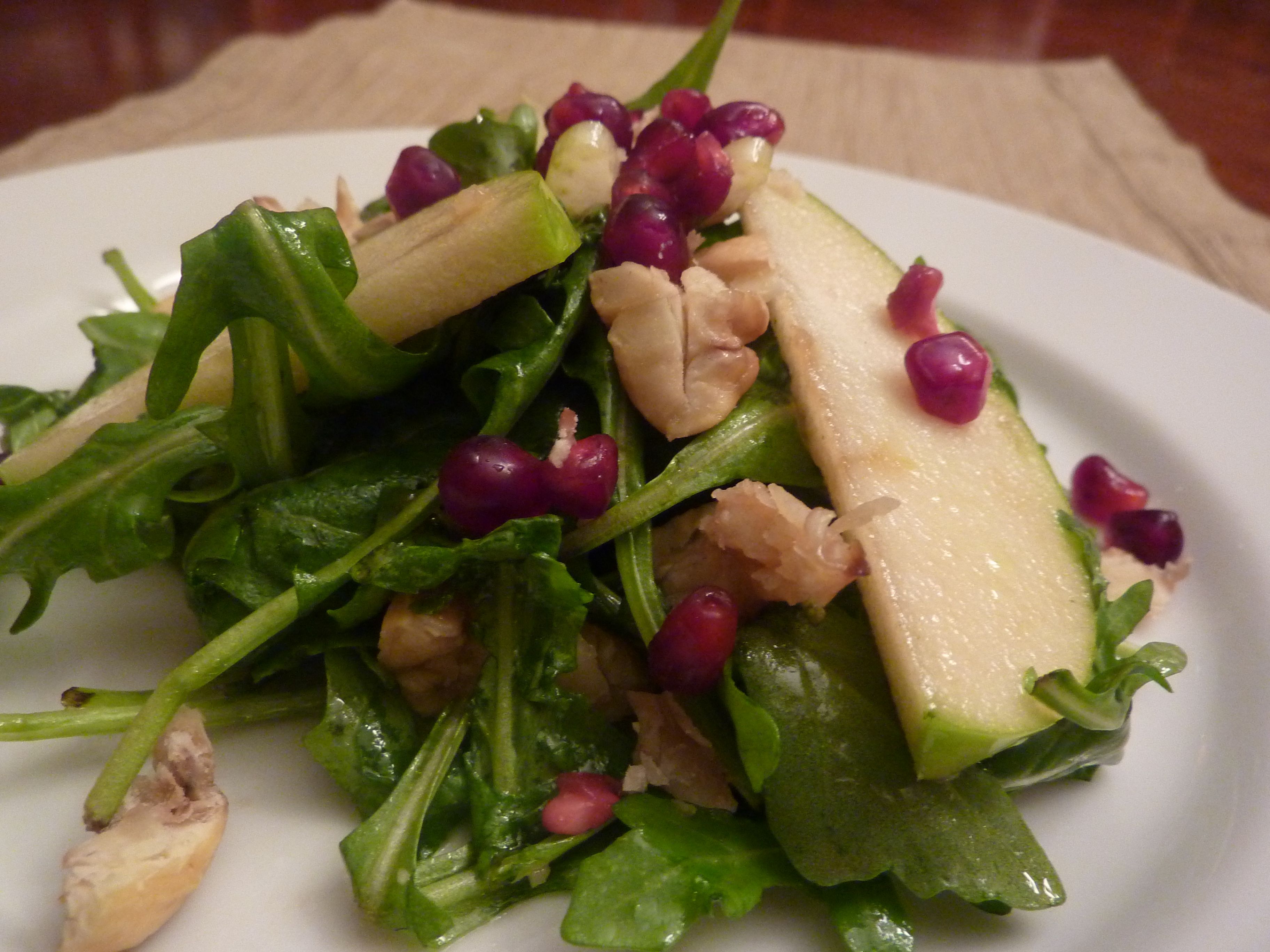
Here’s a recipe for a tasty winter holiday salad, where chestnuts are paired with some nice crisp apples and ripe red pomegranate seeds.

Insalata di Marroni, Mele e Melagrana

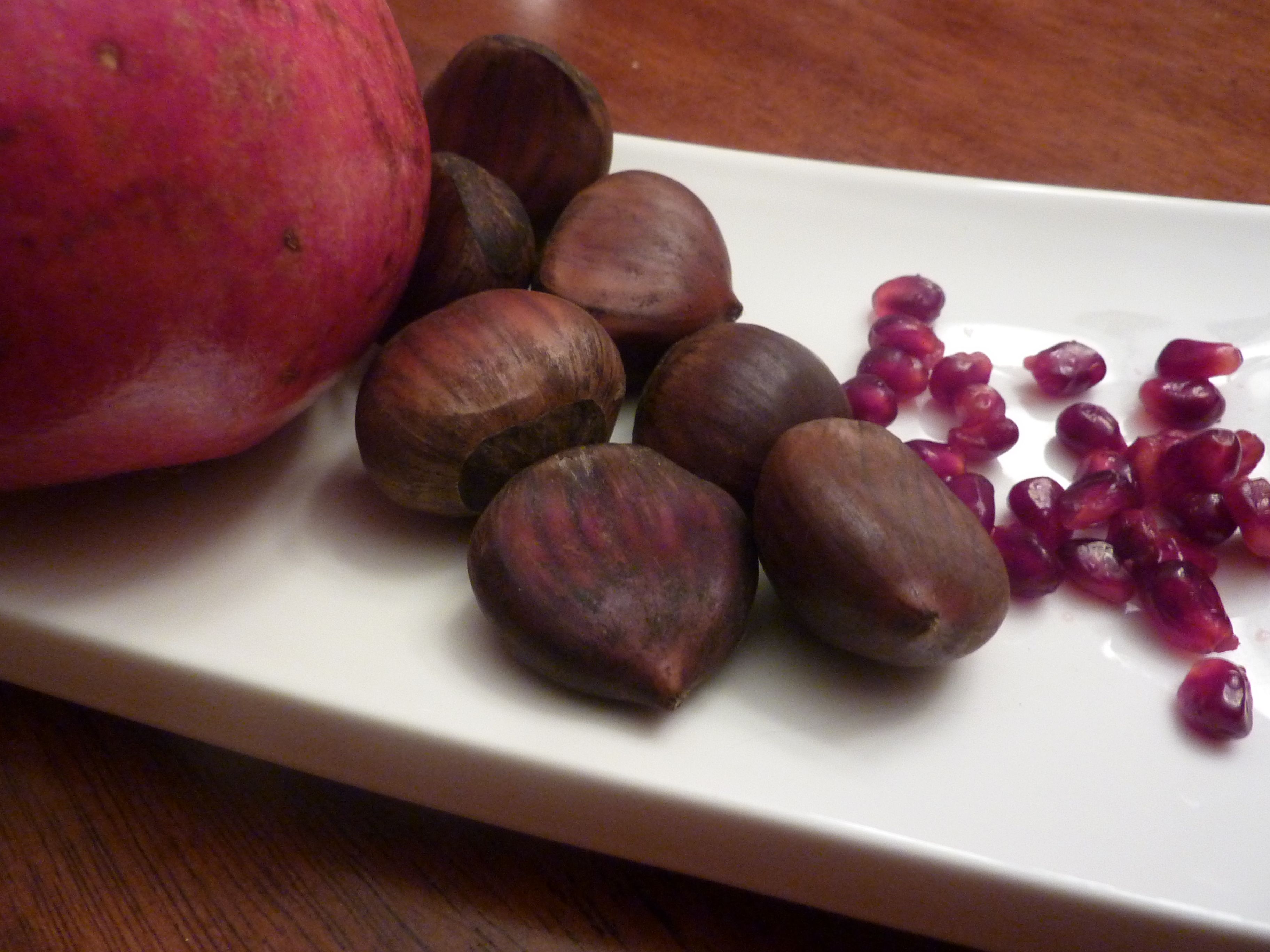
Chestnuts and pomegranates

Serves 4

1/2 pound chestnuts
1 pomegranate
1 large apple, cored and sliced
1 stalk celery, peeled and sliced
6 cups mixed greens
2 tablespoons sherry vinegar
6 tablespoons extra virgin olive oil
kosher salt and freshly ground pepper

Preheat oven to 425°.

On the flat side of each chestnut, cut a large X with a small sharp knife, all the way through the skin. Place the chestnuts on a sheet pan and place in the oven. Roast for about 30 to 40 minutes, depending upon the size of the chestnuts. Shake the pan occasionally to make sure the nuts cook evenly.

Peel the chestnuts as soon as they are cool enough to handle. Coarsely chop.

Cut the pomegranate in half, and remove the seeds. This is easily done over a bowl of water, dropping the seeds into the bowl. The white pith will float as the seeds sink.

Place the salad greens in a large salad bowl. Add the chestnuts, apple slices, celery and pomegranate seeds.

Place the sherry vinegar and olive oil in a small lidded plastic container. Cover tightly with the lid, and shake vigorously. Season with salt and pepper.

Add the dressing to the salad, and toss lightly. Serve.

Posted in Apples, Fitness, Salad, Schiava, Travel, Uncategorized, Vegetarian | Tagged , , , , , , , , , , , , , , , , , , , , , , , , , | Leave a comment