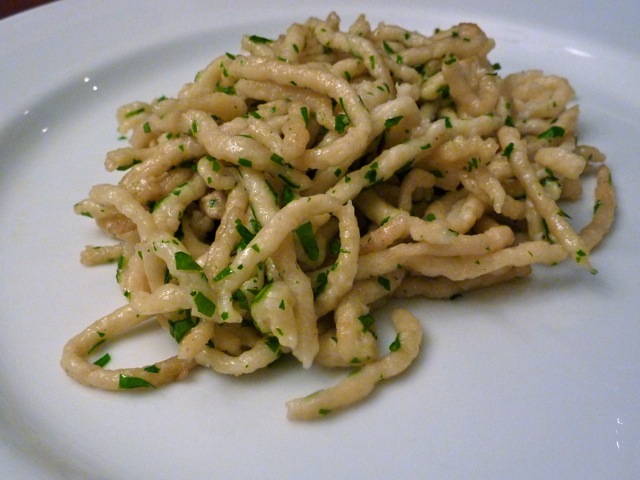
Spaetzle – Classic Rustic Noodles from Sudtirol, Italy

plated spaetzle gourmet ski holidays dolomites italiaoutdoors food and wine
Spaetzle

Spaetzle, or spätzle, is a rustic pasta most commonly associate with Germany, but is quite prevalent in the Sudtirol region of Italy. This is one food that is truly regional in Italy – I never see it on our cycling holidays in the Veneto, but when we are on our Dolomites ski tours an hour north in Trentino-Alto Adige, it is quite common. I enjoyed a wonderful dish of this, topped simply with the local sausage luganeghe at Hopfen & Co. in Bolzano. Since then, it has been on my (long) list of dishes to try at home. I finally got around to it.
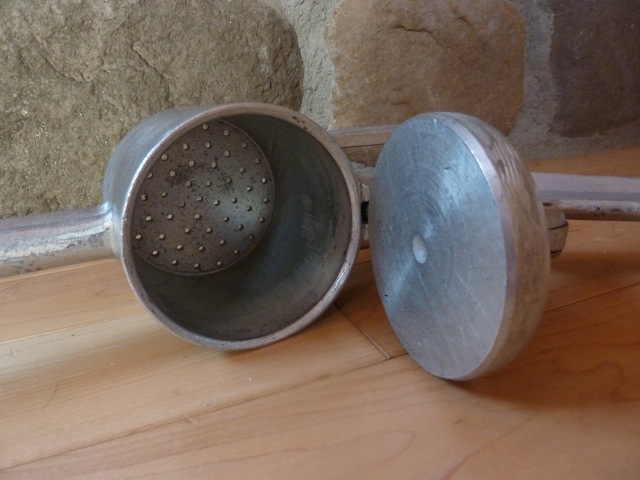
spaetzle maker cycling holidays dolomites italiaoutdoors food and wine
Spaetzle maker

It is a fairly simple recipe, consisting of eggs, flour, salt, and milk or water. Centuries ago, this pasta was shaped by hand or with a spoon, scraping it off of a wooden cutting board directly into boiling water. The shape resembled small birds, giving rise to the name spätzle, which translates to “little sparrow”. Since then, several devices have been invented to form the dough, all ways of ‘extruding’ this noodle, and all reminding me of the plastic press that we used long ago for Playdough. Some look like flat graters with a box on top which holds the dough and slides along the holes, other resemble food mills or a strainer. If you don’t have one of these spaetzle makers, you could use a colander or flat grater, and push the dough through the holes with a metal spoon. Remember, this is rustic cooking, so don’t get too concerned about the shape! I managed to borrow a spaetzle maker from a friend’s mother who has been making this for years.
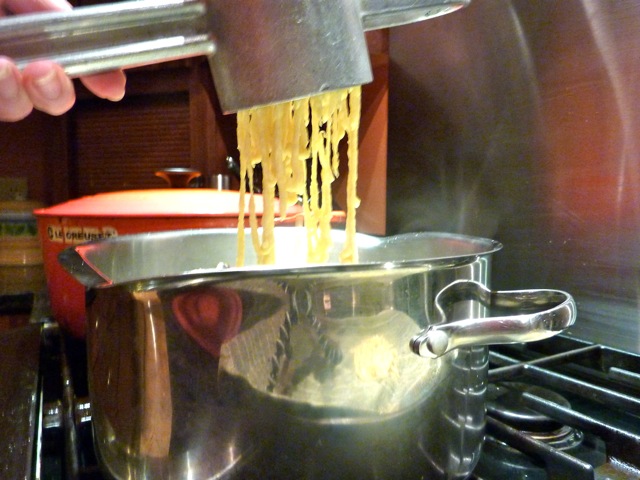
spaetzle into pot culinary bike tours italy italiaoutdoors food and wine
Pressing spaetzle dough into pot

There are several versions of spaetzle you may find in your travels. Leberspätzle has had the dough enriched with minced pork liver; common in Sudtirol is Spinatspatzeln, spätzle that has spinach added to the dough. You may find it in soup, served with lentils, or served as a side dish to meats with sauces.

Spaetzle

1 1/2 cups all-purpose flour
1 teaspoon kosher salt
1/8 teaspoon freshly ground pepper
1/2 teaspoon nutmeg
3 eggs
3/8 cups milk
2 tablespoons unsalted butter
2 tablespoons parsley, finely chopped

Combine the flour, salt, pepper and nutmeg in a medium bowl. In a small bowl, beat the eggs. Alternating, gradually add the eggs and the milk to the flour. The dough should be the consistency of a brownie batter. Too thick, and it will be extremely difficult to force through the holes of your colander or spaetzle maker. Too thin, and it will not keep its shape after extrusion, the noodles will all stick together as they fall into the boiling water. You may have to play a bit with the dough to get the right consistency.

Bring a large pot of water to a boil on the stove. Season with salt. Using a spaetzle maker, or colander or grater, press the about 1/4 of the dough through the holes directly into the boiling water. The noodles will rise to the top when cooked, skim them off with a slotted spoon and transfer to a sheet pan. Continue until all the noodles have been cooked.

In a large saute pan over medium heat, melt the butter. Add the spaetzle noodles, stir to coat with the butter. Season with parsley, salt and pepper. Serve.
Posted in Spaetzle, Uncategorized | Tagged , , , , , , , , , , , , , , , , , , , , , | 1 Comment

Ferrari Brut – Metodo Classico Sparkling Wine from Trento

Vineyards Near Trento - Italiaoutdoors cycle holidays
Vineyards Near Trento

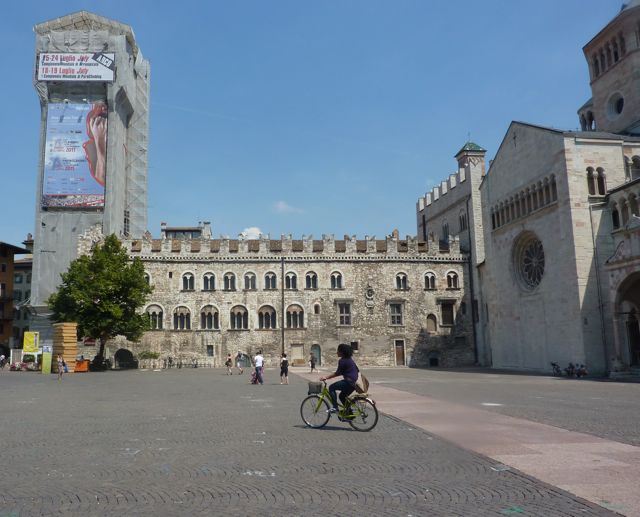
Located in the hills right outside of Trento in the Valle d’Adige is a very unique DOC, the TRENTODOC. The signature wine of this DOC are white and rose sparkling wines, produced by the classic Champagne method (Metodo Classico), in which the secondary fermentation occurs in the bottle. Northeastern Italy is home to the well-known sparkling wine Prosecco, these sparklers from TRENTODOC are very different from the proseccos, and are well-worth searching out and taking some time to appreciate their unique position in the wine regions of the area. We usually toast the start of our Italy bike tours with a glass of prosecco, but on our upcoming Bike the Wine Roads of Trentino-Alto Adige, we will likely begin with a sparkling wine from TRENTODOC.

In the early 1900s, a Trento resident by the name of Giulio Ferrari decided to bring the French champagne making tradition to this area, after spending a few years learning the craft in the Champagne region of France, at Epernay. He felt his homeland was uniquely suited to the cultivation of these grapes, lying at a lower latitude than the Champagne region, but with the terraced vineyards at a higher elevation. So he planted the traditional champagne grapes: Chardonnay, Pinot Noir, Pinot Meunier and Pinot Blanc, and then began production of sparkling wines following the traditional champagne methods, referred to as Metodo Classico in Italian.

Piazza del Duomo, Trento - Italiaoutdoors bike tours italy
Piazza del Duomo, Trento

Today, the DOC regulations on these cultivation of these grapes are fairly restrictive. The boundaries of the region are strictly set in Trentino, chemicals are practically banned, the yield per hectare strictly controlled, and irrigation is restricted to only in times of emergency. The exact proportions of grapes are not specified, but the varieties are limited to the four just mentioned. The secondary fermentation must occur in the bottle, followed by a long maturation in which the wine experiences prolonged contact with the lees (residual yeast). This maturation period is 15 months for non-vintage wines, 24 months for vintage, and 36 for riserva. After maturation, a labor intensive procedure begins in which the bottle is slowly rotated and tipped down over a period of many days to move  the sediment down to the mouth (riddling or remauge), then a small amount of wine in the neck, which contains the lees, is frozen and removed (disgorgement).

There are currently more than twenty-five vineyards producing Trento DOC, with over 70 labels under production. All producers market their sparkling wines under the TRENTODOC name. Cavit is the largest, and best known cooperative in the province with some 65% of production. Their Pinot Grigio is widely exported but produced under a different DOC designation.

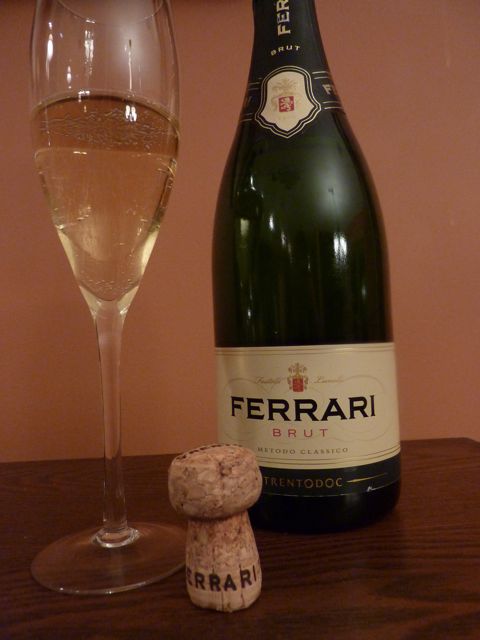
Ferrari Brut - Italiaoutdoors cycle trips italy
Ferrari Brut

These TRENTODOC sparkling wines are available in two styles: Bianco (Millesimato and Riserva) and Rosé. They both exhibit persistent and intense perlage, with a dense and creamy foam. These are extremely elegant wines, with a wide range of aromas from fruity to yeasty, reflecting the aging on the lees. They pair well with a variety of dishes from seafood to white meats to pasta. The traditional pairing is with grainy, mature cheeses and antipasti. The rose matches well with seafood soups, fish, and roast poultry.

I tasted the Ferrari Brut recently, a wonderful sparkling wine. Made exclusively from Chardonnay grapes that are grown in vineyards in the Val di Cembra and Valle dei Laghi communes in Trento, all with either south-eastern or south-western exposure. After hand harvesting in September, the grapes are gently pressed and first fermented in tanks. A secondary fermentation occurs in the bottle with selected yeasts. The resulting wine is matured for at least 24 months on the lees.

This wine is straw yellow in color, with persistent and intense bubbles and creamy foam.  It has a refreshing aroma of crisp apples and flowers, with a note of yeast. A well balanced and elegant wine, with a finish of ripe fruit and yeast. It is a beautiful aperitif, and pairs well with seafood.

Posted in wine tastings | Tagged , , , , , , , , , , , , , , , | Leave a comment

Polenta Torta con i Fichi Secchi, Uva Passa, Pignoli e Grappa

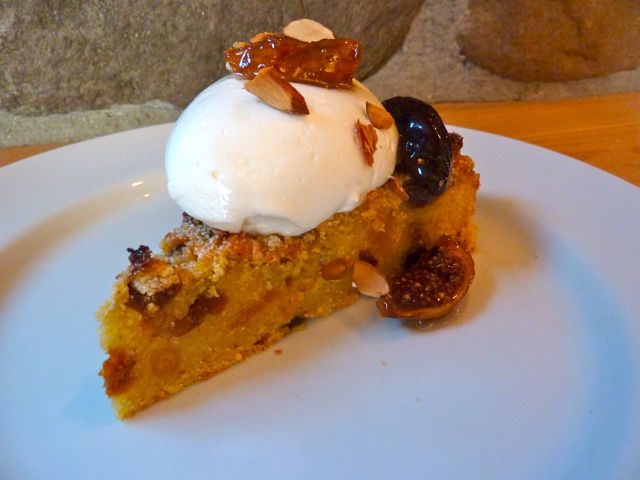
Polenta Torta Italiaoutdoors custom bike tours italy
Polenta Torta con i Fichi Secci

A recent cooking class got me thinking out of the box (which is always good) as one of the participants was allergic to cow dairy. No butter, milk, cow cheese or cream. The savory dishes were easy, a cheese-free Risotto with salmon, roasted chicken, arancini stuffed with goat cheese and mushrooms, and a salad. But the dessert gave me a bit of a pause. I could have substituted lard for butter in a pie crust or cake, but I wanted to use this opportunity to find something a little different. Then I remembered a dessert based on polenta that we had planned for our cooking classes on our last Italiaoutdoors Chefs on Bikes tour of Italy. We didn’t quite get around to it on our trip, but here was a great opportunity to try it out.

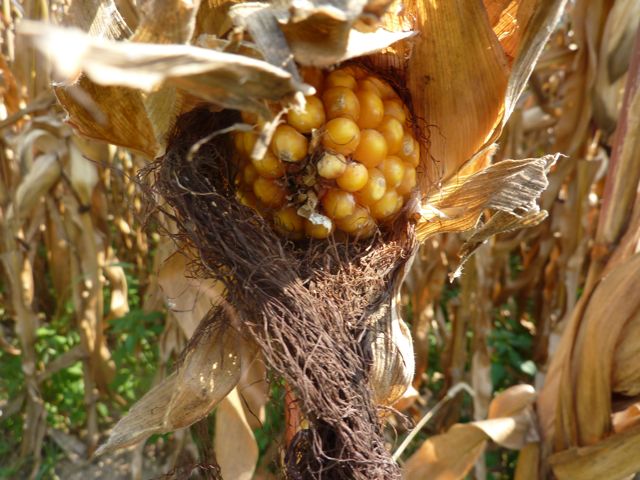
Corn plant in Italia - Italiaoutdoorsfoodandwine tours italy private
Corn plants in Italy

Polenta is a staple in Northern Italy, replacing pasta in some regions as the most popular starch. For hundreds years, the residents of these northern regions literally survived on this staple. You will see it served as a soft ‘mush’ as a side dish to meats, and then the leftovers allowed to harden and served grilled, or topped with cheese and soppressatta and broiled. In the recipe that follows, leftover polenta is combined with dried fruits and nuts, and baked as a shortcake.

Originally, polenta was made with a variety of grains, millet, spelt, and eventually buckwheat. Corn, or maize, was unknown in Italy until it made its way there from North America in the 15th and 16th centuries. The Spanish and Portuguese ships traveling from the Caribbean to Europe would bury their treasures and gold in flint corn to hide it from pirates. This new grain was  easier to cultivate and had higher yields than the traditional grains, making it much less expensive to produce, so these other grains soon took a back seat to maize as the grain of choice.

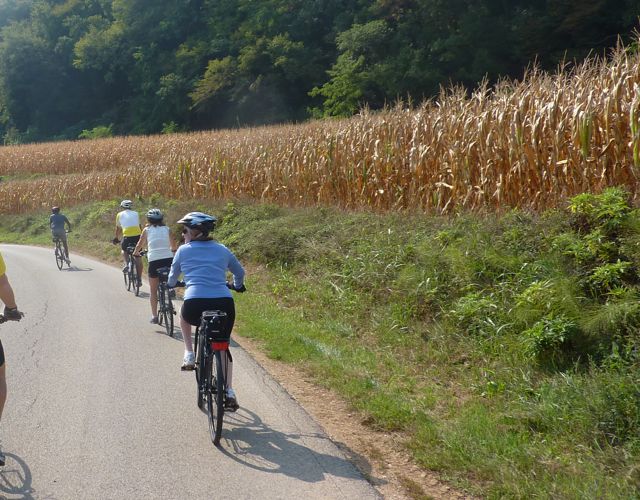
Corn fields along bike route - Italiaoutdoors italy bike tours
Cycling beside corn fields in the Veneto

Today, we see many fields of corn as we explore the Veneto by bike or foot. What we don’t see, however, is fresh corn on the cob at mealtime. The corn cultivated there is used for either animal fodder, or dried and ground into meal for polenta. Cornmeal can be stored for a long time, and so historically would have been how corn was incorporated into the cuisine before modern techniques such as freezing and refrigeration.

This recipe is based on Marcella Hazan’s recipe from her classic cookbook, Essentials of Classic Italian Cooking. In her book, she mentions that James Beard became fascinated with this particular dessert during a stay in Venice, and asked Marcella to provide the recipe. The addition of dried fruits and nuts reflects Venice’s role for hundreds of years as the crossroads of trade between Europe and the Near East.

I took the liberty of adding a bit of the favorite local digestif, grappa, to give it a bit of a kick.

Polenta Torta con i Fichi Secchi, Uva Passa, Pignoli e Grappa

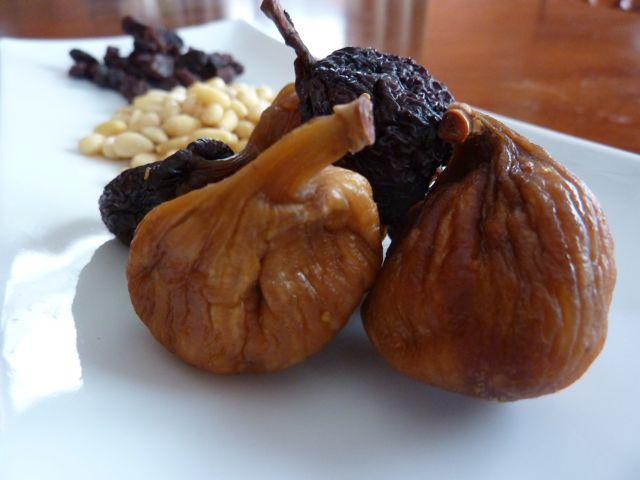
Figs and Raisins for Polenta Torta - Italiaoutdoorsfoodandwine custom cycling holidays italy
Figs and Raisins for Polenta Torta

Serves 6-8

1/3 cup seedless raisins
1 cup dried figs, cut into 1/4 inch pieces
1/4 cup grappa
1 cup coarse cornmeal
Kosher salt
3 1/2 tablespoons extra virgin olive oil, plus extra for smearing the pan
1/2 cup granulated sugar, plus more for dusting
1/3 cup pignoli (pine nuts), toasted
1 egg, slightly beaten
1 cup all-purpose flour, plus more for dusting

Preheat the oven to 400°.

Place the raisins and figs in a small bowl, and cover with the grappa. Allow to sit for 30 minutes.

Bring 2 cups water to a boil in a medium-size saucepan. Reduce the heat to medium, and then whisk in the cornmeal, adding it in a thin, steady stream. Season with salt and add 1 1/2 tablespoons of the olive oil.  Continue to stir as the cornmeal thickens and pulls away from the sides of the pan, about 15 seconds or so. Remove from the heat.

Add the sugar, pine nuts, raisins, figs, remaining 2 tablespoons olive oil, the egg, and mix thoroughly to combine all of the ingredients. Add the flour and mix well to form a smooth cake batter.

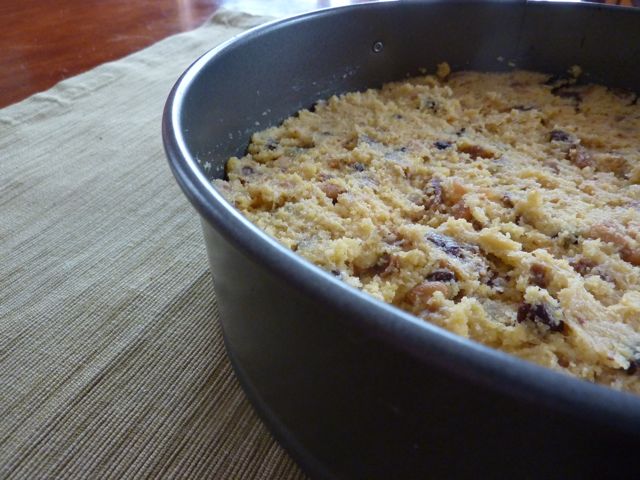
Polenta Torta ready for oven - Italiaoutdoorsfoodandwine italy bicycle trips
Polenta Torta ready for oven

If not using a non-stick pan, smear the cake pan with olive oil, sprinkle lightly with flour, turning it upside down and tapping it to remove the excess. Place the batter in the pan, leveling the top with a spoon. Sprinkle with sugar, place the pan in the oven and bake for 45-50 minutes.

While the cake is still warm, loosen its sides from the pan with a knife, and remove from the pan. Serve with whipped cream and roasted fruit, or a fig compote. A nice sweet Torcolato dessert wine from Breganze would make a nice accompaniment.

Posted in Baking, Dessert, Figs, Polenta, Torcolato, Vegetarian, Veneto Food | Tagged , , , , , , , , , , , , , , , , , , , , , , , , , , , | 1 Comment

Jota Inspired Bean and Cabbage Soup – Peasant food from Friuli, Italy

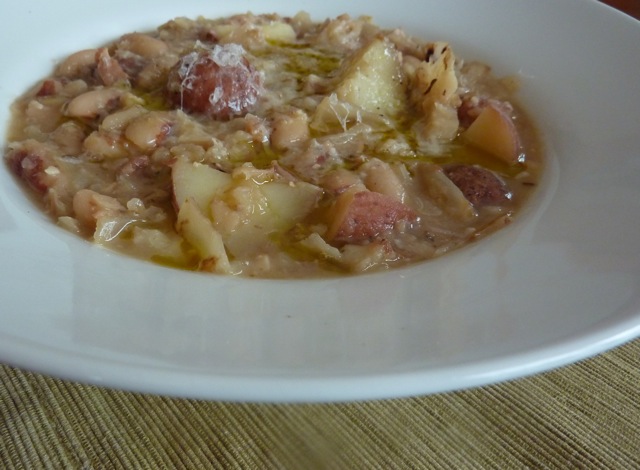
jota
Bean and Cabbage Soup - Jota

Located on a narrow strip of land, between the Adriatic Sea and Slovenia, lies the city of Trieste. This unique location has placed this city at the crossroads of Latin, Germanic, Slavic and Austro-Hungarian cultures for centuries. United with Italy after World War I, today Trieste remains a very cosmopolitan city, where east meets west in an exciting blend of culture, history, art, and cuisine. We are excited to add this fascinating region Friuli-Venezia Giulia to our Italiaoutdoors tours this season.

A traditional food of the city that visitors will find at the many buffets and restaurants is La Jota, or Iota, a peasant soup made from beans, potatoes, and sauerkraut. This is a thick, hearty soup, perfect for a cold winter evening. You will find, as usual, different variations. Marcella Hazan’s recipe thickens the soup with cornmeal, a version common near Gorizia, and flavors it at the end with a paste of finely chopped salt pork, called pesta. Others, such as Fred Plotkin thicken with flour and puree a portion of the beans. Plotkin also mentions that a similar soup is made in Slovenia, using fresh cabbage rather than sauerkraut. Further west in Friuli, you may find Jota made with brovada, pickled turnips, rather than sauerkraut.

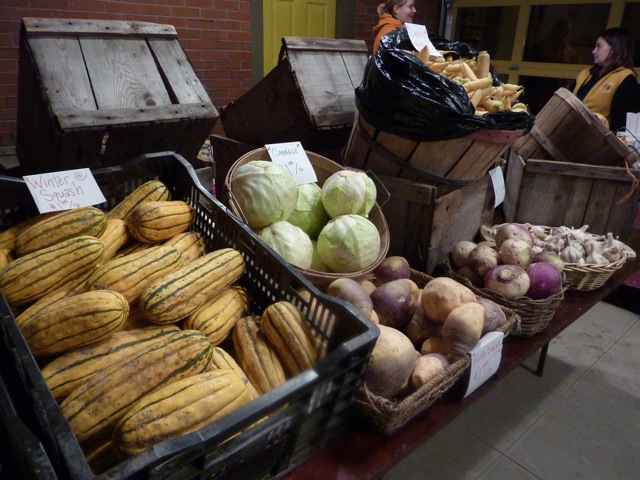
Skowhegan CSA
Skowhegan CSA - The Pickup

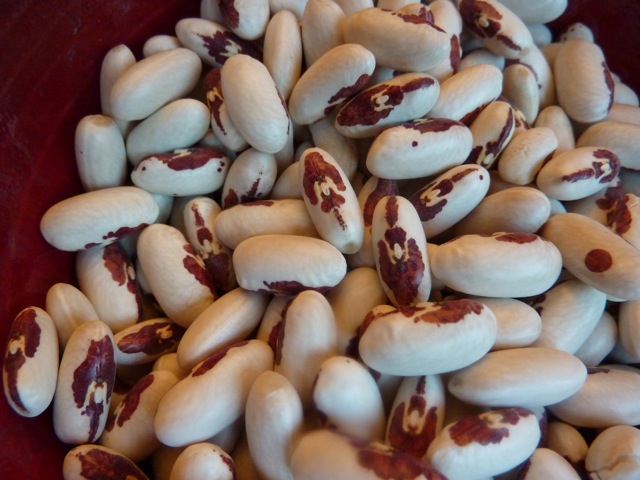
I have been intending to try this soup for while, and was inspired to finally do so by a recent trip to the Skowhegan CSA, called “The Pickup”. It is still amazing to me to find fresh produce available from the local farms here in Maine in the middle of January, albeit mostly root vegetables. But there were local dried soldier beans, cabbage, and potatoes. A bit of pancetta, some garlic, and I was ready to go. Except for the weeks I would need to make the sauerkraut. And there are no high quality store-bought alternatives nearby. So I set about to see what I could do to create a somewhat similar flavor with what I had at hand – fresh cabbage, salt and vinegar. You can make this soup either way, using store-bought or homemade sauerkraut, or with the ‘quick pickled’ cabbage. Either way, it is a tasty soup that improves after a day or so in the refrigerator.

I would call this recipe “inspired” by Jota, rather than authentic. But it was delicious, and a great way to incorporate many local foods into a great soup. I’ll try the authentic version someday when I’ve made my own sauerkraut. But don’t hold your breath waiting for that post.

Native Maine soldier beans

Jota Inspired Bean and Cabbage Soup

10 ounces dried beans, bolotti, soldier, white
3 tablespoons extra virgin olive oil
1 head cabbage, thinly sliced
Kosher salt and freshly ground pepper
1/2 cup white vinegar
3 bay leaves
1 pound new potatoes, cleaned and cut into 1/2” pieces
2 ounces pancetta, chopped
3 cloves garlic, minced
2 teaspoons caraway seeds
4 cups chicken stock

Begin the soup the night before you plan to eat it.

Place the beans in a large bowl, and cover with water. Allow to soak overnight.

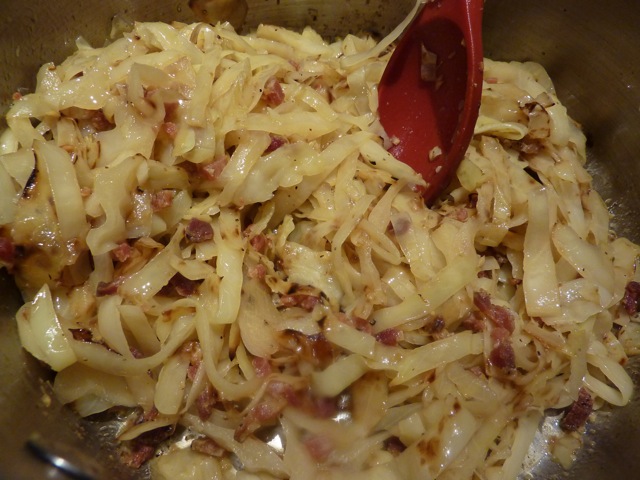
Pickled cabbage and pancetta

Heat 2 tablespoons of the olive oil in a saute pan. Add the cabbage and saute until soft and beginning to brown, about 10-12 minutes. Season with salt and pepper. Transfer to a plastic container, add the vinegar, and allow to sit in the refrigerator overnight.

When ready to prepare the soup, drain the beans and place in a large saucepan. Cover with water by about 1 1/2 inches, add the bay leaves, and bring to a boil over high heat. Reduce the heat to low, and allow to simmer, covered, until tender, about 1 hour. The length of the cooking time depends on the size and the age of the beans. Drain and remove the bay leaves.

While the beans are cooking, place the potatoes in a medium saucepan. Cover with cold water, add salt, and bring to a boil over high heat. Cook just until the potatoes are tender, about 15 minutes. Drain.

Heat the olive oil in a large pot, over medium heat. Add  the pancetta and cook until browned and beginning to crisp, about 5 minutes. Add the garlic and caraway seeds and cook until aromatic, about 1 minute. Add the cabbage and vinegar mixture, and cook until thickened a bit, about 5 minutes.

Add the beans and the chicken stock, and bring to a boil. Reduce heat and allow to cook and thicken a bit. Using an immersion blender, puree about half of the soup, leaving about half of the beans and cabbage intact. Add the potatoes, and continue to cook for another 10 minutes. Season with salt and pepper, and serve with a sprinkling of Montasio cheese, and/or a drizzle of olive oil. Serve with a nice glass of Refosco from Friuli.

Posted in Friuli-Venezia Giulia, refosco, Soups, Travel | Tagged , , , , , , , , , , , , , , , , , , , , , , , | Leave a comment

Torta con le Mele – Apple Cake from Northern Italy

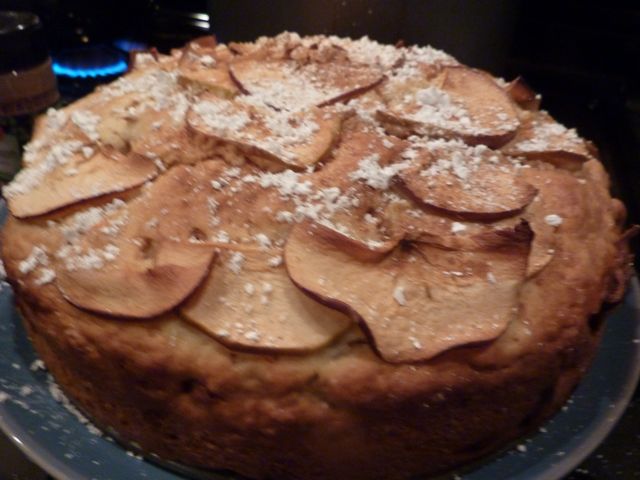
Torta con le Mele

Italy is the world’s sixth largest producer of apples, and Europe’s second, with 2.2 million tons produced each year. Golden Delicious is the second most cultivated apple variety globally and the first in Trentino, where around ten thousand hectares are dedicated to apple production. Trentino is particularly well-suited to the growing of high-quality fruit, and production totals for 2009 were around 450 thousand tons, accounting for 21 per cent of the national market. One in five apples eaten in Italy comes from Trentino, and together with Alto Adige, it provides over 60% of apple production in Italy.

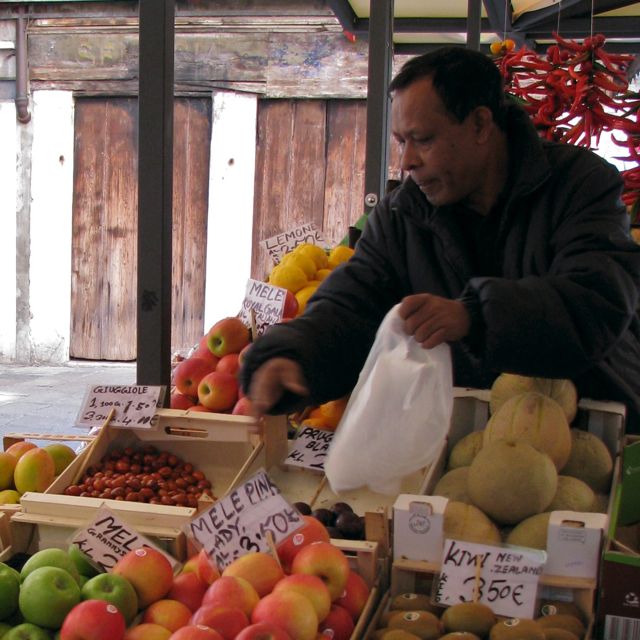
Apples in market
Apples in market

In Trentino, apple orchards wind their way across the region, from Val Sugana, continuing along the Adige Valley and then straight to the epicenter of apple cultivation, the Val di Non and Val di Sole. These valleys are just to our west as we travel down the Sudtirol Strada del Vino on our bike tours in the area, so there are many apple-based sweets to sample as we refuel along the way. More than four million apples of all varieties and sizes are produced each year in these valleys and today, more than ever, they are used satisfy a growing overseas market.

You will also find apples grown throughout the Veneto, from the flatter plains along the Adige, Po, and Mincio river valleys to the south, up into the Pre-Alps near Val Sugana and Monte Grappa.

In Friuli-Venezia Giulia, apples are cultivated in the Carnian Alps area, where both local varieties as well as imports are found. Apple cider is traditional fare at weddings and baptisms, sometimes referred to as the “wine of the poor”. The annual Festa della Mela is held in Tolmezzo each September, celebrating the annual apple harvest.

Apple torta at cooking class

You will find apples used in a variety of dishes in Friuli, from sweets such as strudel and apple cakes, to more savory preparations such as the stuffed pasta, cjalsons, a ravioli type pasta filled with apples, crushed biscotti, dried fruit an nuts, as well as the Christmas lasagna, Lasagna dal Fornel, a layered pasta dish in which the customary tomato sauce and cheese is replaced with grated apples, dried fruits, nuts and poppy seeds. Apples also are used in the regions famous risottos.

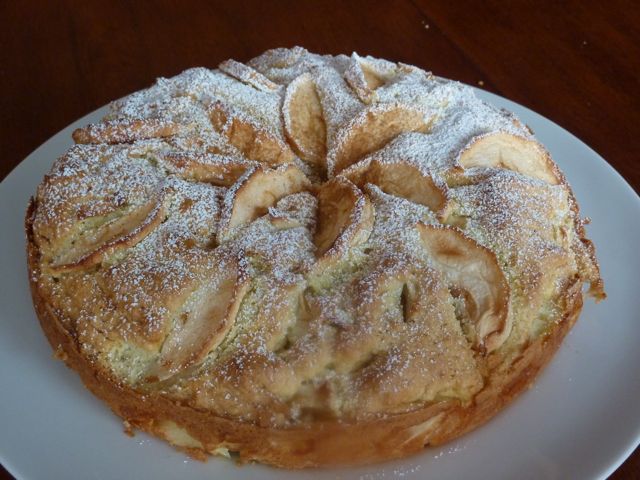
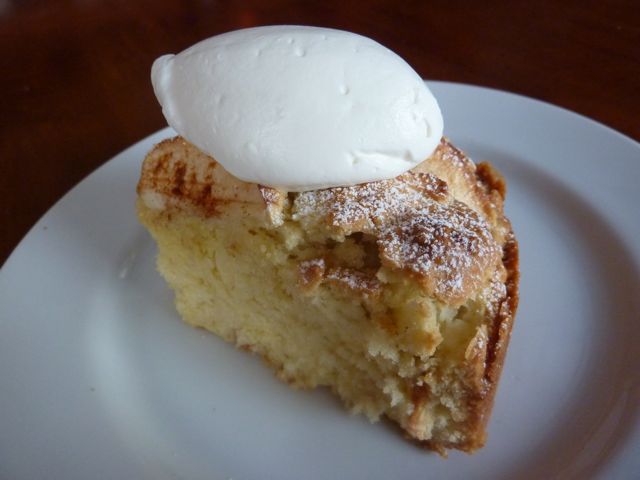
Here is an easy apple cake, based on several recipes I found, some attributed to Friuli, others to Trentino. I included it in my last cooking class, for a family that prefers fruit desserts, and it was quite a hit. Take care not to overmix the batter once you combine the wet (eggs/grappa/butter) with the dry ingredients. This should be done just until combined, to avoid developing the gluten, resulting in a “tough” cake. I mixed a bit of grappa into the whipped cream, which was a nice addition!

Torta con Le Mele

Serves 8

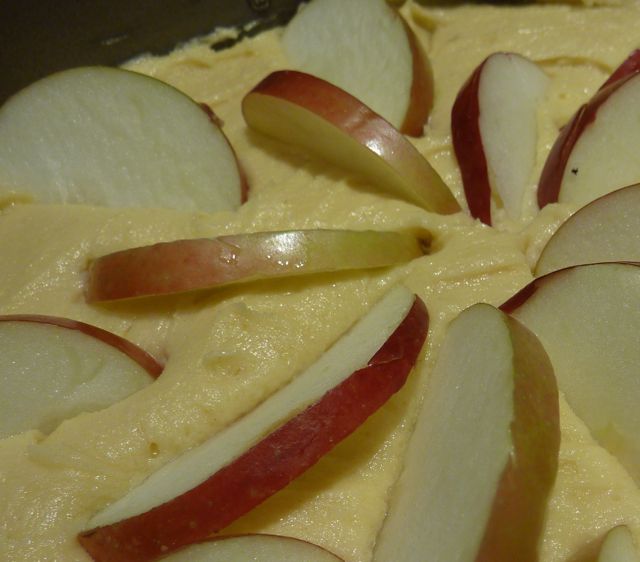
Sliced apples on cake

1 cup butter, softened, plus extra for greasing
2 1/4 cups all-purpose flour, plus extra for dusting
1 tablespoon baking powder
1 teaspoon salt
3/4 cup sugar
3 eggs
1/4 cup grappa
3 apples, peeled and cored, 2 chopped, one thinly sliced

Preheat the oven to 350°.

Grease an 8” springform pan with butter and dust lightly with flour. Or use a non-stick pan.

In a medium bowl, mix the flour with the baking powder and salt.

Using an electric mixer, cream the butter and sugar. Add the eggs and grappa, an mix until thoroughly combined. Add the flour mixture, and again, mix just until combined. Stir in the 2 chopped apples.

Torta with whipped cream

Pour the mixture into the prepared pan, and arrange the thinly sliced apple on the top. Bake for 30-40 minutes, until a skewer inserted in the middle comes out clean. Allow to cool for 15 minutes. Remove from the pan, sprinkle with confectioner’s sugar and cinnamon, and serve with whipped cream.

Serve with a sweet dessert wine, such as a Torcolato from Veneto, Picolit from Friuli, or a Vino Santo from Trentino.

Posted in Apples, Baking, Dessert, Friuli-Venezia Giulia, Torcolato, Travel, Trentino Food, Uncategorized, Vegetarian, Veneto Food | Tagged , , , , , , , , , , , , , , , , , , , , , , , , , | Leave a comment