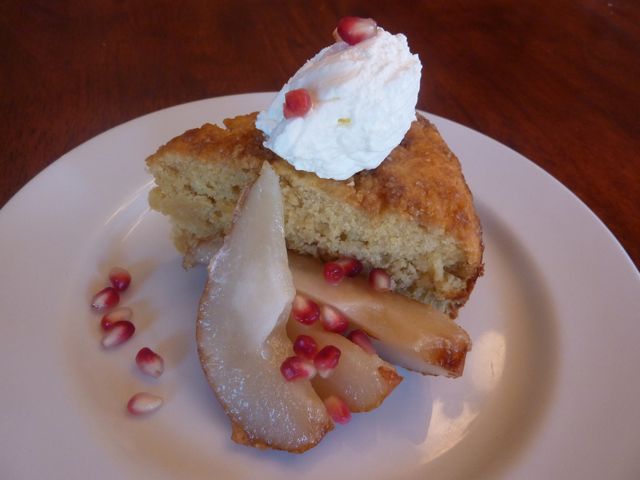
Torta di Ricotta – Simply Delicious, with Ricotta from Crooked Face Creamery

Torta di Ricotta
Torta di Ricotta

Ricotta cheese is originally from Italy, and you will find it in just about every region you visit. Ricotta, which comes from the Latin recoctus, meaning ‘recooked’ is made from the milk whey that is leftover from the production of other cheeses. Therefore, most cheese producers will make some form of ricotta from the whey that is leftover from the production of their other cheeses.
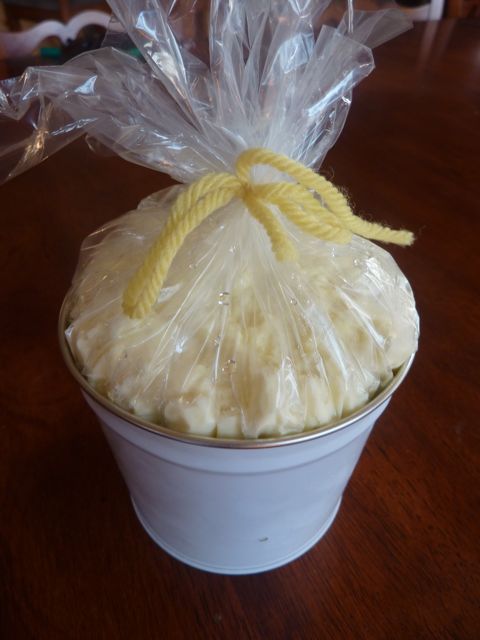
Fresh Crooked Face Ricotta

You can make ricotta cheese from whole milk, not just the whey, and we’ve have done that on all of our Italy bike tours with guest chefs. With Jody Adams, we made our own ricotta using a simple recipe that requires only whole milk and lemon juice. We stuffed some wonderful squash blossoms with it, and grilled them. Here’s a link to my blog post, Who’s Crazy Enough to Make Their Own Ricotta Cheese. Susan Regis used a bit more  complicated recipe when she joined us on our Chefs on Bikes tour this past summer; we stuffed some wonderful homemade raviolis with it, and just snacked on it as part of our antipasti.
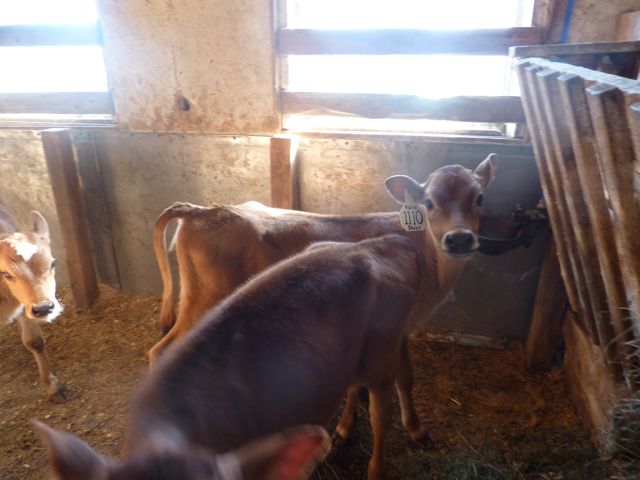
Calves at Crooked Face

I recently discovered a wonderful cheese producer here in Maine, as I searched for guests to feature on my cooking show for WSKI-TV here at Sugarloaf, ME.  Amy Clark and her husband Josh are third generation farmers, and first generation cheese makers. They craft unique farmstead cheeses under the name Crooked Face Creamery, with their herd of registered Jerseys. Jersey milk is naturally high in butterfat and protein. The cows enjoy a diet of organic forages and an environmentally-friendly rotational grazing program, giving their cheeses an authentic rich flavor. In addition to a wonderful gouda-style cheese, Amy makes a fresh ricotta from whole jersey milk, rather than just the whey. It has a wonderful flavor, rather than the usual store-bought ricotta that often tastes of nothing at all. Amy’s ricotta reflects the character of the high-quality milk that it comes from, and is perfect for both savory dishes, like lasagna, as well as sweeter dishes like cannoli.
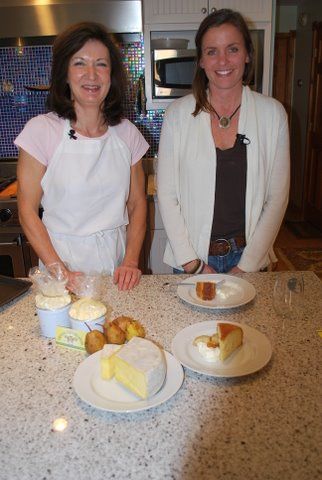
Kathy and Amy Clark
Kathy (me) and Amy Clark

Here, I’ve used Amy’s cheese in a simple Italian ricotta cake. Amy joined me on my TV cooking show on one episode where I made this, and talks about her transformation into a cheese maker. She tried many recipes and taste tested cheeses for over a year before settling on the two styles she currently produces. You can learn more about Amy, and find out where to purchase her cheeses through her web site, www.crookedfacecreamery.com.

[edamam-recipe-recipe:5]

I often top this with fruit and Grappa Mascarpone Cream. A very easy, elegant dessert topping, made unique with the favorite liquor from Northeastern Italy – grappa. I add seasonal fruit; fresh berries in the spring, roasted figs in late summer, and this fall, roasted pears.

[edamam-recipe-recipe:6]
 

Posted in Dessert, Friuli-Venezia Giulia, Ricotta, Trentino Food, Uncategorized, Veneto Food | Tagged , , , , , , , , , , , , , , , , , , , , | 1 Comment

Petrussa Schioppettino – Another wonderful wine discovery from Friuli

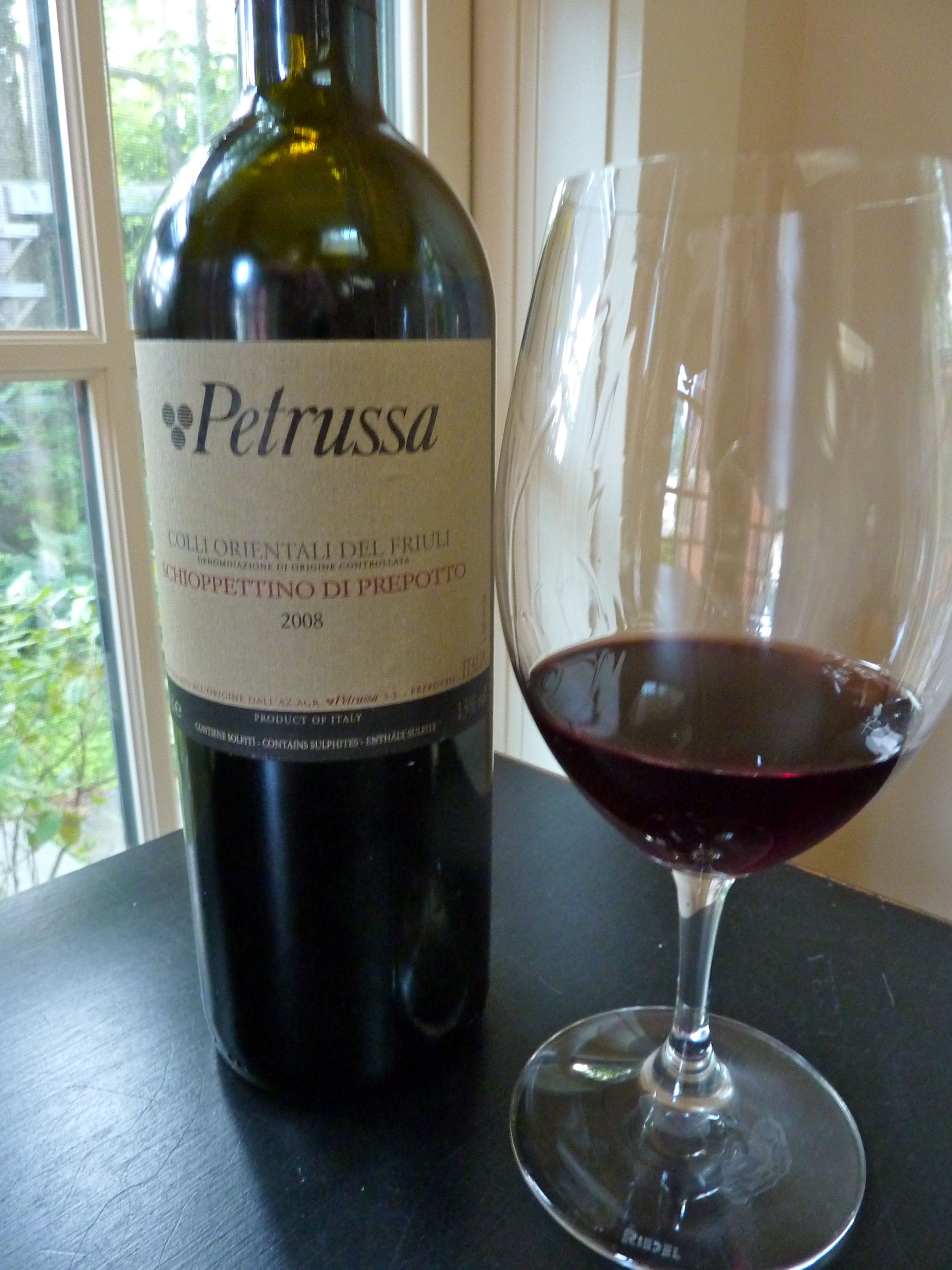
Petrussa Schioppettino front
Petrussa Schioppettino

During my visits to Italy on our Italiaoutdoors bike tours and ski holidays, I seek out any opportunity to enjoy a new wine; be it a tiny producer that we pass by on our bikes, or a glass of a totally unfamiliar wine after a fun ski day. I recently identified my “Top 10 Undiscovered Wines of Northeastern Italy”, and now I am already rethinking that list. My new favorite is a varietal called Schioppettino.

Schioppettino, also known as Ribolla Nera, is a varietal from Friuli-Venezia Giulia, between the commune of Prepotto, near Udine and Slovenia. Like many of the indigenous grapes in this region, it was almost lost to us after the phylloxera epidemic devastated most of the vineyards in this region. When the vineyards were eventually replanted, growers favored the popular French varietals, turning their nose up toward the old local stalwarts. In fact, at one point the planting of Schioppettino was actually illegal, as it was classified as an undesirable varietal, Winemaker Paolo Rapuzzi searched out the few remaining vines, and through his efforts an EU decree was created to encourage the planting of Schioppettino, saving it from extinction.

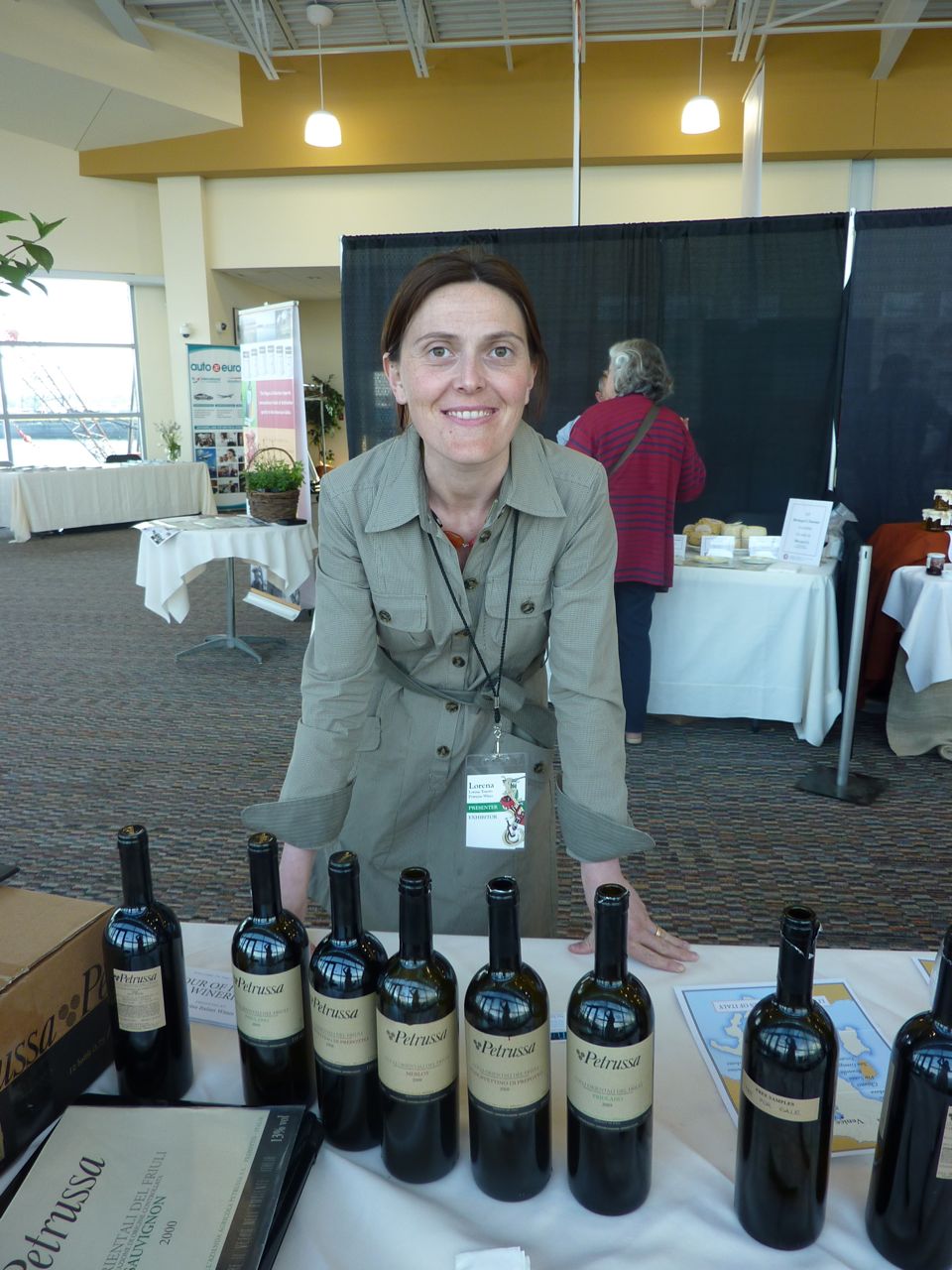
Lorena Tosetto of Petrussa

The origin of the name is Schioppettino is unclear, but often attributed to the fact when bottled young and fermented in the bottle, Schioppettino became slightly sparkling, with “popping” (“scoppiettare” in Italian) on the tongue because of the carbon dioxide. This young bottling produces a medium bodied wine with a fairly low alcohol content. More recently, Schioppettino is vinified in oak barriques, creating a more full-bodied and intense wine that is suitable for aging.

In the US I had never come across this wine, until in June when I participated in the Italian Life Expo in Portland, ME. Lorena Tosetto, from Azienda Agricola Petrussa in Prepotto was there, pouring several of her families’ wonderful wines. I very much enjoyed her Schioppettino, a wine that is now becoming one of the rising stars in this relatively unknown, but highly respected wine zone.

Following local tradition,  in July the grapes are pruned, and then close to harvesting the leaves closest to the fruit are removed to maximize sun exposure. The harvested grapes are collected in wooden crates, and left to dry until late autumn. Aging first occurs in wooden barrels and French barriques, followed by refining period in the bottle.

The Petrussa 2008 Schioppettino is a deep ruby red, decidedly cherry and berry on the nose. Its’ fruity palate is followed with a peppery spice, another “popping” on the tongue. As the flavors develop after opening, everything blends, and it presents a persistent pleasant smokiness. It pairs well with game, other full-flavored red meats, and hard cheeses.

Posted in Schioppettino | Tagged , , , , , , , , , , , , , , | Leave a comment

Cavolini di Bruxelles Con Le Mandorle – Brussels Sprouts with Almonds

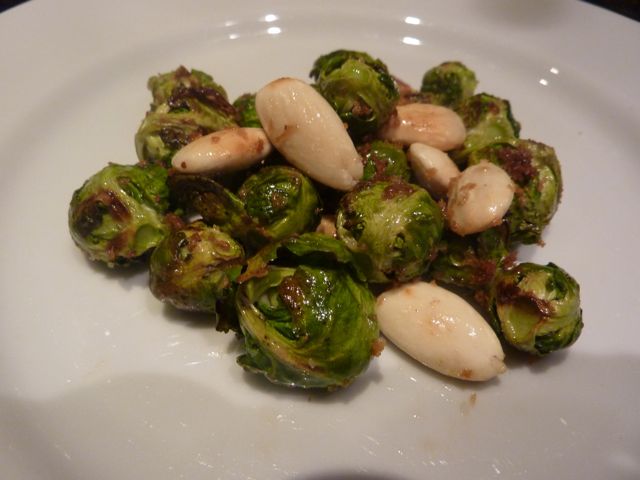
Brussels sprouts with almonds bike tours italy italiaoutdoors food and wine
Cavolini di Bruxelles con Le Mandorle

In Italy, cavoletto di bruxelles are most common in the northern regions, where they grow in cooler, coastal environments. On Italy bike tours in the Veneto region we’ve explored the flat plains along the rivers and canals on the mainland around Venice, where you will find this cooler coastal, foggy climate.  One preparation you will find in this region is cavoli cappucci agrodolci, which is Brussels Sprouts in a sweet and sour sauce, usually vinegar, sugar, onions, raisins and pine nuts, and seasoned with caraway seeds.

The first time I had brussels sprouts, when I was a teenager, I remember disliking them. I included them in a dish I was experimenting with – I liked to cook new things even at 16 – and recall them being quite bitter. As an adult, I love them. But it is not just due to my palate evolving over time; they definitely require a bit of care to cook properly, although simple preparations are still my favorite.

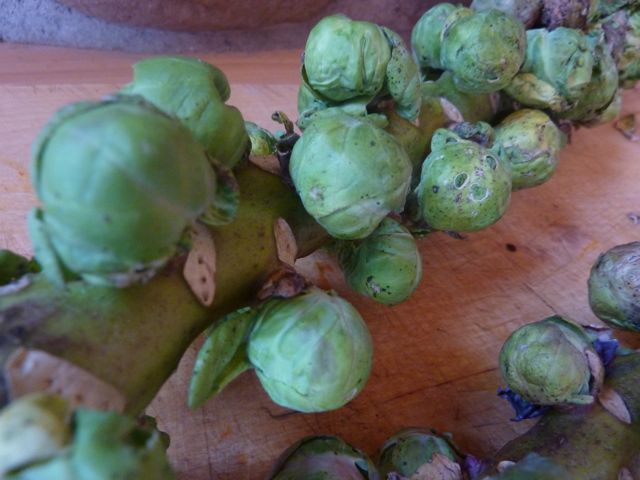
Fresh brussels sprouts culinary bike tours italy italiaoutdoors food and wine
Fresh brussels sprouts

When I first cooked them, fresh brussels sprouts were not available. Today, at this time of year fresh brussels sprouts are almost commonplace at my local farm stands. Using fresh sprouts is important, and being mindful while cooking them is also critical. They are wonderful when cooked just right, but not so much when either under or overdone. Frozen vegetables are blanched (pre-cooked), making it quite difficult to avoid overcooking them as you essentially cook them again in most any preparation.

Brussels sprouts flourish in cool, foggy coastal environments. I’ve purchased them several times from a local farmer here in Maine, Ellen James of Island Farm, and she commented that they really need a frost in order to develop some sweetness. Look for sprouts that are all the same size, and preferably still on the stalk. Smaller usually means fresher and more tender.

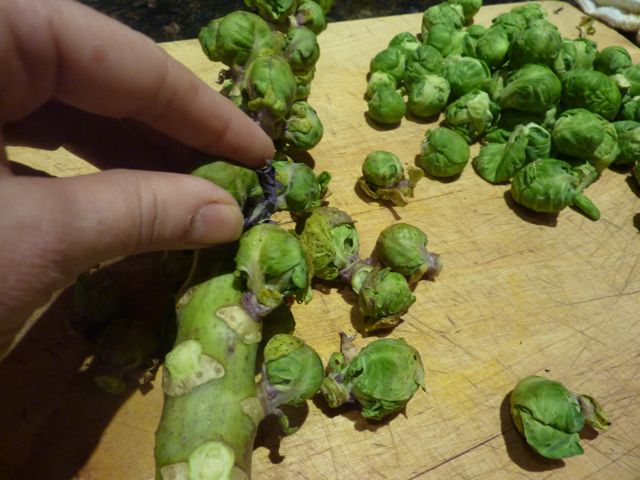
Removing sprouts from stalk ski holidays dolomites italiaoutdoors food and wine
Removing sprouts from stalk

Here is a recipe I’ve adapted from The Silver Spoon, a classic Italian cookbook now available in English. The main alteration I’ve made is roasting the sprouts, rather than boiling them. I am a big fan of roasting vegetables, not only does it add flavor and bring out the sweetness a big better, I think, but it is so simple. When I really want something easy, just toss the sprouts with olive oil, salt and pepper and roast. Keep an eye on them; they roast pretty quickly depending upon the size, perhaps 10 -15 minutes. I cut the larger ones in half before roasting.

Here’s my version of the Silver Spoon recipe, which dresses up the roast Brussels sprouts a bit, perfect for a Thanksgiving side dish.

Cavolini di Bruxelles con Le Mandorle (Brussels Sprout with Almonds)

Serves 4

1 1/2 pounds brussels sprouts, trimmed, larger one cut in half lengthwise
2 tablespoons extra virgin olive oil
Kosher salt and freshly ground pepper
2 tablespoons butter
1/3 cup blanched almonds
1 garlic clove
Zest of one lemon
2 tablespoons bread crumbs or panko

Preheat the oven to 325°.

Toss the brussels sprouts in a medium bowl with the olive oil. Season with salt and pepper. Roast in the oven until tender, 10 -15 minutes depending upon the size of the sprouts. Remove from oven and keep warm.

Heat the butter in a large saute pan, add the garlic and saute for a few minutes. Add the lemon zest, season with salt and pepper, remove the garlic clove and remove from the heat. Transfer the almonds to the pan with the brussels sprouts, and wipe out the saute pan with a paper towel.

Melt the remaining butter in the saute pan and add the breadcrumbs. Toast until golden. Add the brussels sprouts and almonds, toss together to reheat everything, and serve.

Posted in brussels sprouts, Thanksgiving, Uncategorized | Tagged , , , , , , , , , , , , , , , , , , , | Leave a comment

Butternut Squash Puree – Cavucin of Friuli-Venezia Giulia

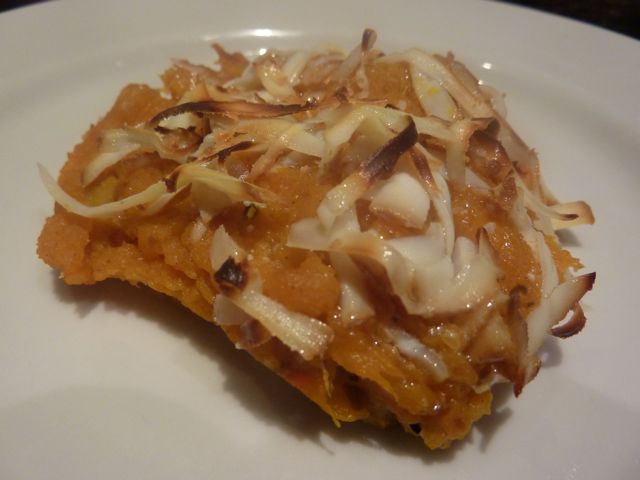
Cavucin - Squash or Pumpkin Puree

Last year around Thanksgiving I posted a couple of turkey recipes. If you’re looking for some ideas, check out my Braised Turkey with Pears and Chestnuts, and How to Use Your Entire Turkey.  This year, I’m writing up a few side dishes, all Italian inspired. Today I am making a Butternut Squash Puree, which can also just as easily be a Pumpkin puree, or zucca in Italy.

Pumpkin and other winter squashes are more commonly found in Northern Italy than down south, and interestingly enough, came to Italy from the New World, rather than the other way around. In Italy on our bike tours, we see a few winter squashes and lots of pumpkins, but many different varieties than we see here – not a lot of butternut squash. In Emilia-Romagna and Lombardia, you will most often see zucca inside of a stuffed pasta, such as tortellini di zucca. In Venice and Padova, it appears in Zuppa di Zucca, which I covered in another post. You’ll also find it used in other classic dishes from Northeastern Italy, including risottos and pumpkin gnocchi.

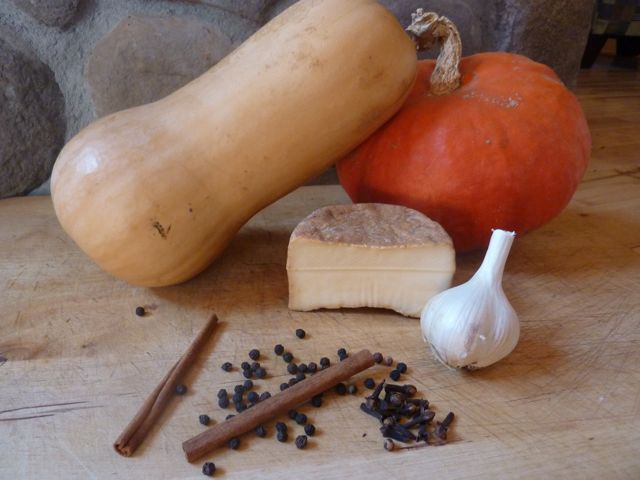
Ingredients - squash, smoked ricotta, spices

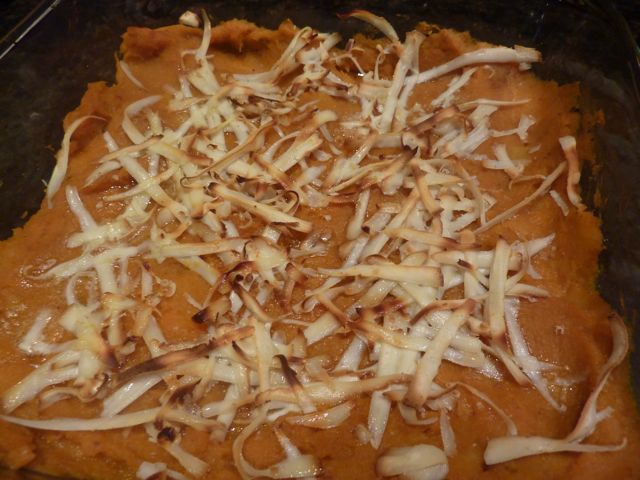
But with the turkey and lots of other things to prepare, I look for side dishes that are a bit different,  but easy and not requiring a lot of last minute preparation. This recipe is a simple puree from the region of Friuli-Venezia Giulia, flavored with cinnamon, cloves, black pepper, and flavored with the classic cheese from Friuli, a smoked ricotta. If you can’t find smoked ricotta (or should I say ‘when’) substitute another smoked cheese.

In Italy, pumpkin is more commonly used than winter squashes such as butternut, but all will work here. This recipe, which I’ve adapted from Elisabeth Antoine Crawford’s Flavors of Friuli, called for steamed squash, but here I roasted it. I think it adds a bit more flavor, and, more importantly, I don’t have a steamer basket. For pumpkins, or other oddly shaped squash that is extremely difficult to peel, you can simply dispense with the peeling, cut the squash or pumpkin in half, scoop out the seeds and roast it with the skin on, then scoop out the cooked flesh and puree.

Venzone is a tiny town in the province of Udine that annually hosts a Festa della Zucca, to celebrate the locally grown pumpkins, squash, and gourds of all shapes and sizes. Contests for pumpkin carving, as well as the largest, longest, unusual, and unique squashes are held, and the local restaurants feature dishes that showcase the squash. You will find soup, gnocchi, cakes and breads, and this dish, called Cavucin.

Cavucin or Butternut Squash Puree

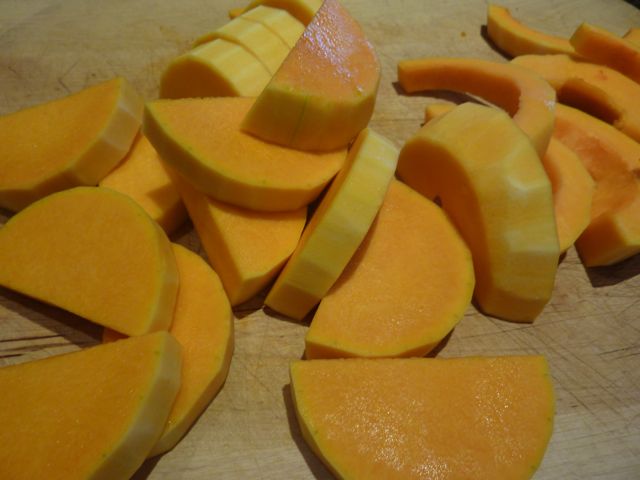
1 large butternut squash or small pumpkin, peeled, seeded, and cut into 1/2 inch slices
1 tablespoon extra virgin olive oil
Kosher salt
4 tablespoons butter
2 cloves garlic, minced
2 tablespoons all-purpose flours
1/2 teaspoon ground cinnamon
1/4 teaspoon ground black pepper
pinch of ground cloves
1/2 cup grated ricotto affumicata (smoked ricotta) or other smoked cheese
ground cinnamon

Peeled and sliced squash

Preheat oven to 375°.

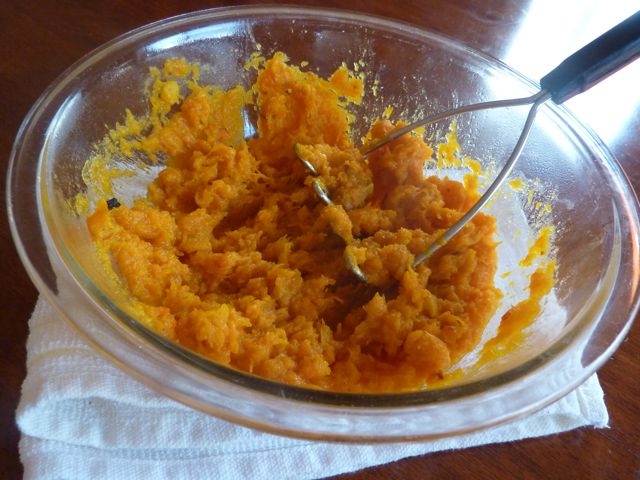
Place squash slices on a sheet pan, drizzle with olive oil and season with salt. Roast until soft, approximately 20-30 minutes. Transfer to a medium bowl; mash well.

Melt the butter in a large pot over medium high heat. Add the garlic and cook until aromatic, about 1 minute. Add the flour, and cook for 3-4 minutes. Stir in the mashed squash, cinnamon, black pepper and cloves. Cook until heated through. Taste and adjust seasonings. At this point, you can hold the squash puree for a few hours in the refrigerator, or even overnight. Reheat the puree in a saucepan before proceeding with the next steps.

Mashed squash

Turn on broiler.

Place mashed squash into a oven proof baking dish. Top with the grated smoked cheese. Place under broiler and heat just until cheese begins to brown. Remove and serve, topped with a sprinkle of cinnamon.

Squash ready for oven
Posted in Friuli-Venezia Giulia, Ricotta, squash, Thanksgiving, Uncategorized, Vegetables, Vegetarian | Tagged , , , , , , , , , , , , , , , , , | Leave a comment

Cecchetto Winery – Passionate about Raboso del Piave

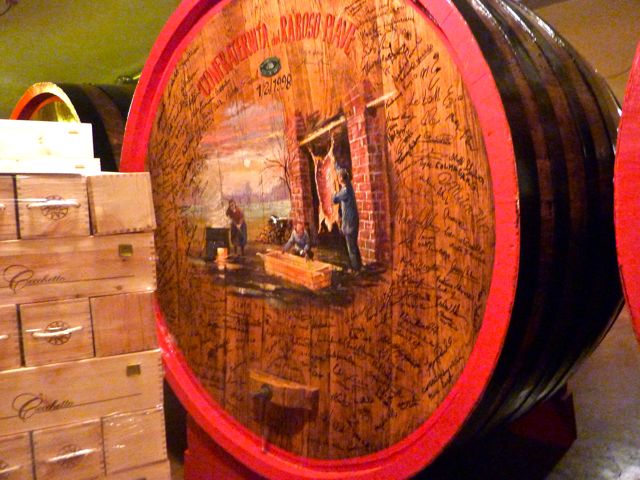
Aging barrels with paintings of local foods

The Piave wine zone is one of the many wine area in the Veneto that are still unknown outside of the region. I spent a few days there this summer, learning as much as I could about the wines and the topology of this undiscovered region. We will visit here on our 2012 Primavera del Prosecco cycling tours of the Veneto. One winemaker in particular was quite fascinating, and I had very interesting visit and a chance to sample some of his wonderful Raboso wines.

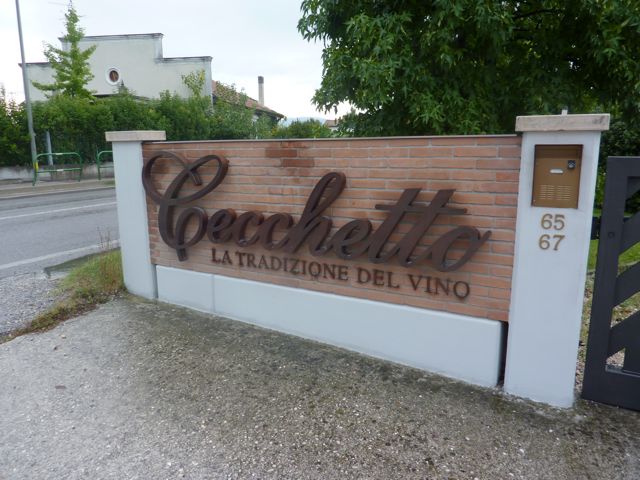
Giorgio Cecchetto is a winemaker passionate about the Raboso grape. His family winery, Cecchetto, is located in Tezze di Piave, in the heart of the Piave DOC area in the Treviso region of the Veneto. His family had a long tradition of growing the Raboso grape in this region. This region is quite flat, lying along the Piave river valley. It has flooded numerous times throughout

Cecchetto entrance

history, and the alluvial soil is quite fertile. It can also be quite damp and foggy, making it a challenging environment for many winemakers. The Raboso wine in particular is highly resistant to fungal disease and rot, and so is well-suited for this climate. Giorgio is highly committed to making the most from his beloved Raboso, and during a recent visit to their winery, I observed firsthand some of his experiments.

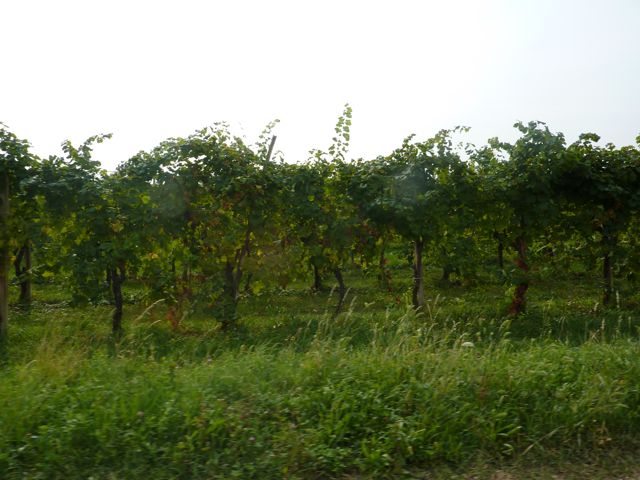
Immediately behind the winery are fields of Raboso grapes in which the rows of grape vines are interspersed with other plantings; vegetables, and in particular mulburry trees, replicating how they were planted traditionally. Inside, Raboso wines were aging in local woods such as chestnut, rather than in the French and Slovian oak that is all the rage today. Cristina Garetto, who gave me a quick tour, showed me an old book in which

Vineyards in Piave

aging in indigenous woods was specifically mentioned. Giorgio has also co-authored a book, with several other experts: Il Raboso del Piave – Fascinosa realtà delle terre del Piave (The charming reality of the Piave land) which is also translated into English.  According to Cecchetto, “it is an essential element of our heritage as much as our land, its good and bad seasons and  the 500-year-old history of our people who have kept and renewed the tradition of Raboso, always looking at the future with hope and confidence”

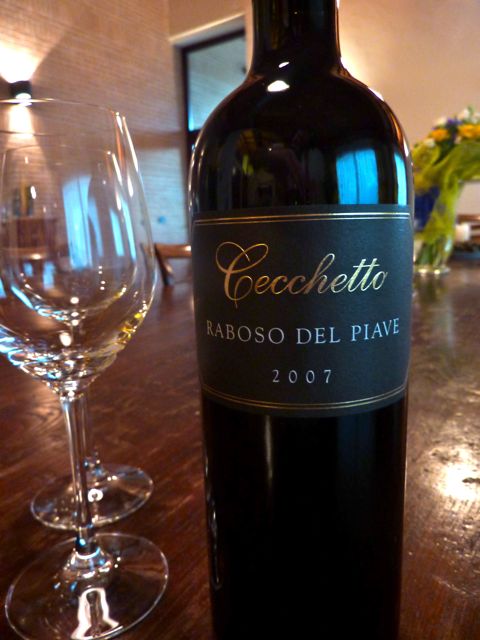
I tasted the 2007 Cecchetto Raboso del Piave during my visit in September, 2011. This wine is made from 100% Raboso Piave grapes, which are harvested when slightly overripe. The grapes are macerated in oak barrels for 12-15 days, then the wine is matured in large oak barrels for 18 months, and partly in barriques for 12 months. A final  6 months of aging occurs in the bottle.

Cecchetto Raboso del Piave 2007

This wine is a ruby red, with a full aroma of dark berries, cherries, and vanilla, along with leather and tobacco. Quite dry on the palate, with good structure and nice acidity and medium tannins.

Cristina gave me a bottle of their Raboso Passito, a sweet dessert wine made from Raboso grapes for me to try later. I shared it recently in a cooking class, and it was appreciated by all. This Raboso is a Passito wine, a wine made from grapes that have been dried to concentrate their juices. The best bunches are carefully picked and stored in crates and on trelliswork until April, so that dehydration goes on for over six months. Then maceration takes place in stainless steel containers for 20 days, followed by fermentation in barriques. To produce this wine, Cecchetto has blended together four vintages in a decreasing order of percentage: 2000, 2002, 2003 and 2005.

This Cecchetto Raboso Piave is deep ruby red in color. It exhibits a cherry aroma, rich in dried fruits. It has a very full flavor, lots of powerful tannins, and a persistent finish.

Posted in Raboso, Uncategorized, Wine Pairings | Tagged , , , , , , , , , , , | Leave a comment