Insalata di Zucchini e Pinoli

zucchini-insalata-pinoli-italy-tours-italiaoutdoorsYears ago, I recall a story about a patronizing French chef who, when asked what he thought of Chef Alice Waters cooking, responded, “That is not cooking, that is shopping.” I wish this was as easy as he makes it sound, but hunting down the perfect ingredients needed to make dishes like those at Chez Panisse is anything but. Chef Waters has created a community of farmers and producers in the Bay Area to provide the high quality ingredients she uses. In Italy, this model of community-based local farmers and producers has existed for hundreds of years. Our goal on our Italiaoutdoors Italy tours is to discover some of these local producers, and educate ourselves on good food by cooking with and eating the very best.

market-gondola-italy-tours-italiaoutdoors

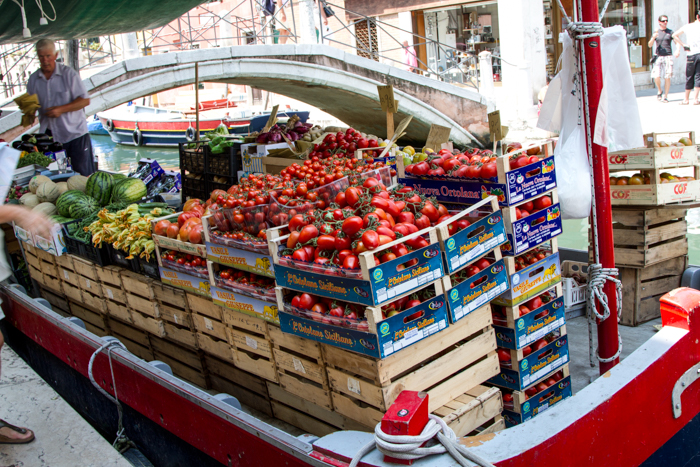
When in Italy, I live in the center of the city of Vicenza, and just downstairs from my apartment is a lovely little family owned produce market that offers wonderful local produce. You find one of these every few blocks in Italy; in cities in the US these have virtually disappeared, replaced by Starbucks and 7-11. In Italy we see traveling vegetable vendors with portable stands that they proficiently assemble in minutes from the backs of an ordinary van, moving from town to town following a weekly schedule. In Venice, a gondola is their van. The array of fruits and vegetables changes weekly, with some items – like white asparagus – only available a couple of weeks each spring. Here in the US, supermarket produce sections look the same in February as they do in September, with products shipped in from across the globe.

I watch my Italian neighbors confidently shop, knowing what to do with items even I cannot identify, which tomatoes are best for bruschetta, which potatoes make the lightest gnocchi. When I ask for a melon, the shopkeeper asks when I wish to eat it – today? Sunday? – and selects one with just the right ripeness.

zucchini-market-italy-tours-italiaoutdoors

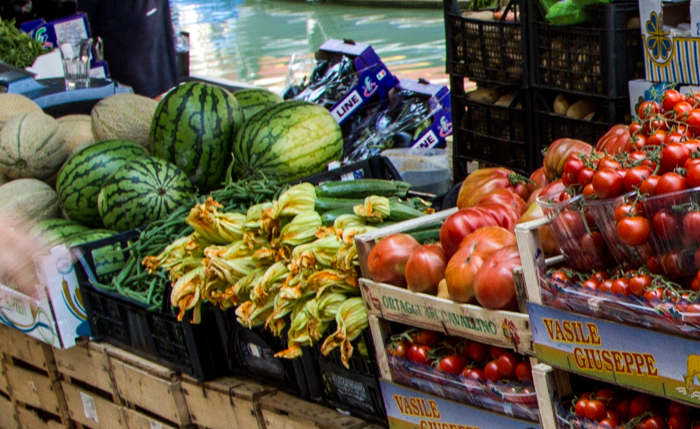
One vegetable I see all year round here in the US is zucchini. I am not sure an Italian would even recognize our zucchini, as in Italy you never see one much longer than 6-8 inches, and they often are sold with the flower still intact.The foot long or larger version your neighbor gives you from their garden would have most Italians shaking their heads. Of course, if your are a large industrial farm, with a goal of maximizing dollars per pound, this large size makes sense. But the end product has little taste, and requires more complicated preparation techniques to bring out what flavor remains.

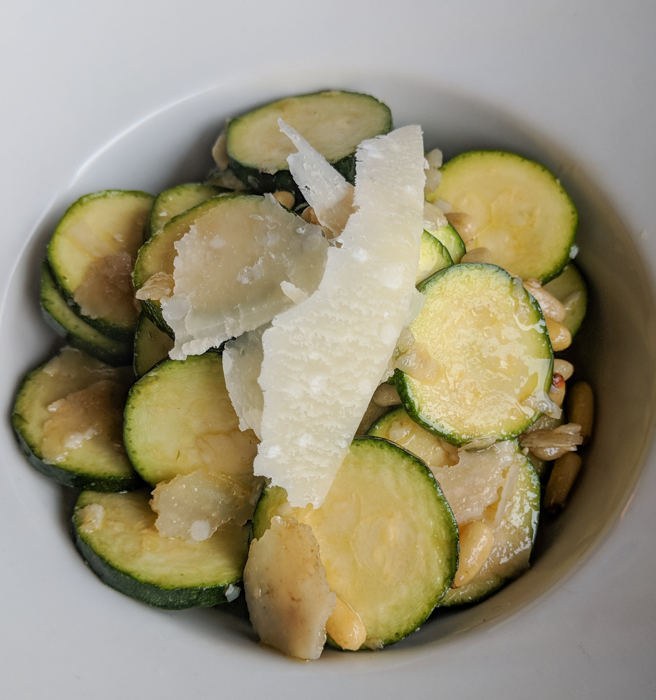
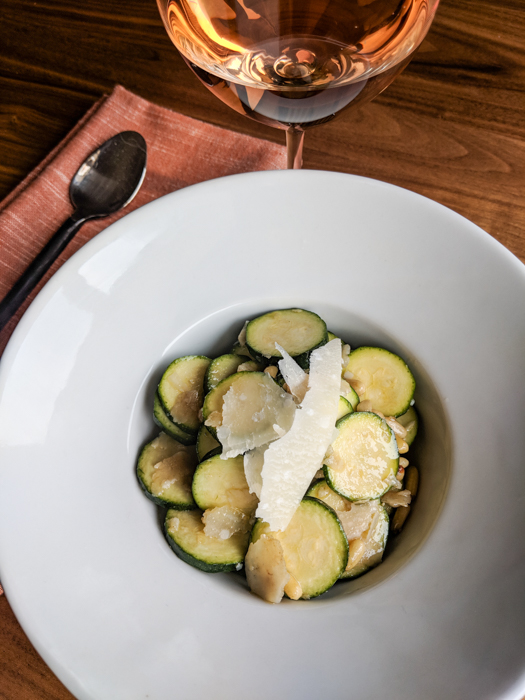
If you can find nice baby zucchini, here’s a great example of what can be done by simply combining a few perfect ingredients. Baby zucchini, Parmigiano-Reggiano cheese, balsamic vinegar, extra virgin olive oil. The links here will lead you to my articles on these items and how to select the best. The latter three keep well and I always have on hand. This summer salad is from Trattoria Antica Cereria in Parma. It is included in “Osteria: Slow Food Editore” by Rizzoli. You could do the same with nice ripe tomatoes, fava beans, artichokes. And if all the hard work is in the shopping, pour a glass of wine and enjoy a few additional moments off your feet. I enjoyed this with a glass of Nebbiolo rosé from Malabaila winery in Piedmont.

If you prefer not to eat your zucchini raw, you can steam the zucchini for a few minutes to soften them.

zucchini-insalata-close-italy-tours-italiaoutdoors

Insalata di Zucchini e Pinoli

Serves 4

1 pound baby zucchini, thinly sliced in to rounds
3/4 cup pine nuts
1 cup Parmigiano-Reggiano shavings
2 tablespoons balsamic vinegar
1/2 cup extra-virgin olive oil

In a bowl, combine the zucchini, pine nuts and Parmigiano Reggiano. Gently mix to combine.

With a fork, whisk together the vinegar, olive oil and pinch of salt until amalgamated. Use the mixture to dress the salad, then let sit for about 15 minutes before serving.

Posted in Emilia Romagna, Gluten Free, Salad, Travel, Uncategorized, Vegetables, Vegetarian, Wine Pairings | Tagged , , , , , , , , , , , , , , | Leave a comment

Walk and Wine – Castello di Neive

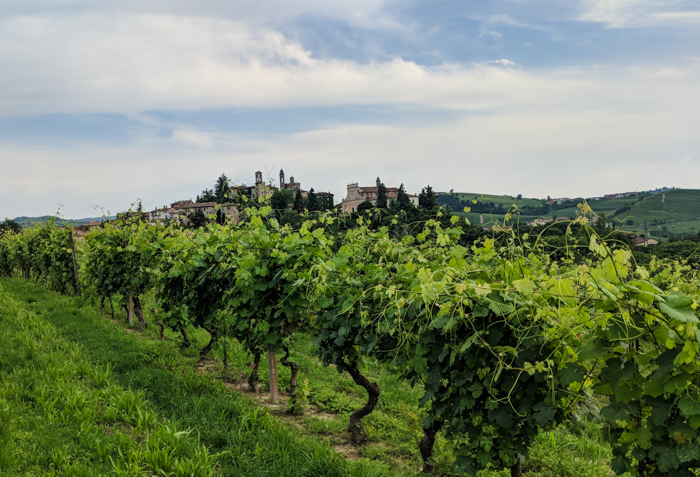
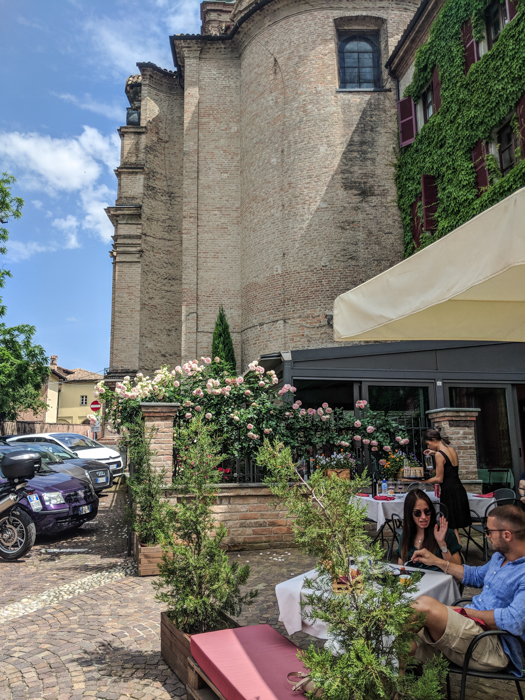
vineyards-neive-walking-tours-piedmont-italiaoutdoors.jpgAs I spend a delightful spring afternoon strolling through the picturesque quiet streets of Neive, admiring 13th century villas and charming churches, watching local families enjoy tasty-looking outdoor lunches at quaint trattorie, I keep an eye out in the distance for the lovely vistas of valleys and vineyards that reveal themselves between the ancient edifices. This is one of my favorite little towns in Italy, and the start point of our Italiaoutdoors Piedmont walking tour. But it took a visit with Matteo at Castello di Neive, one of the leading producers of Barbaresco, to reveal the history that, unbeknownst to me, lay beneath my wandering feet.
trattoria-neive-walking-tours-piedmont-italiaoutdoors.jpg

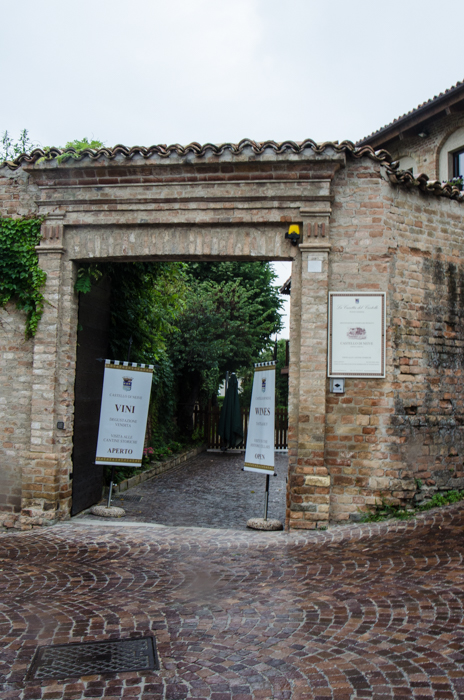
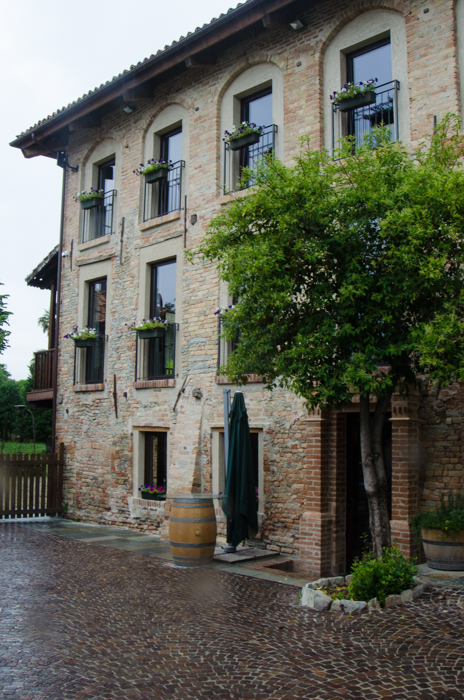
The winery is today located in the eponymous Castello di Neive on the towns south-western border. Neive is one of the three villages in the Barbaresco wine zone. This picturesque walled town dates back to the 12th century. A castle was first built on this spot during the foundation of Neive, but was destroyed in 1274. Other castles followed, built on the old foundations, until the beginning of the 18th century when Manfredo Bongioanni, the Count of Castelborgo, built the castle I visit today. A defensive wall with sentry boxes links the castle and its gardens to the southern gate of the town, just steps away from the lovely town center where diners are savoring their glass of Barbaresco. The castle was completed in 1753, when the beautiful internal chapel was officially unveiled.
entrance-castello-neive-walking-tours-piedmont-italiaoutdoors

Today the castle cellars are still used for wine production, thanks to the original innovative design which has accommodated, and even facilitated modern vinification techniques and equipment. The cellars were constructed with very high ceilings to allow the use of big barrels. In these very cellars, during the 19th century, the French oenologist and wine trader Oudart, a name renowned as one of the key players in the creation of Barolo, was operating as a consultant to the Count of Castelborgo. He is credited by many (but not all) as the first in the area to obtain a dry, stable and therefore easily exportable wine from Nebbiolo grapes, first in the nearby town of Barolo. When used here, he called the wine ‘Neive’ and in 1857 this wine won a gold medal in London. The first ‘Barbaresco’ was produced thirty years later, using the same techniques employed by Oudart.
castello-neive-walking-tours-piedmont-italiaoutdoors

My guide Matteo took me through the cellars and shared the history of the current winery. This 150 acre estate is owned by the Stupino siblings – Anna, Giulio, Italo and Piera. They were all born in Neive, the forth generation of a local family. In the 1960s, their father, Giacomo, began to purchase vineyards and land in the most favorable locations for viticulture, Messoirano, Montebertotto, Basarin, Valtorta, I Cortini. They began first producing wine for their own consumption, and selling their remaining grapes. In 1964 they purchased the castle with its spacious cellars, and more land in the prime areas of Santo Stefano and Marcorino. They began a renovation of the cellars and reorganized the vineyards, and in the 70s began to produce their own wines and sell them.
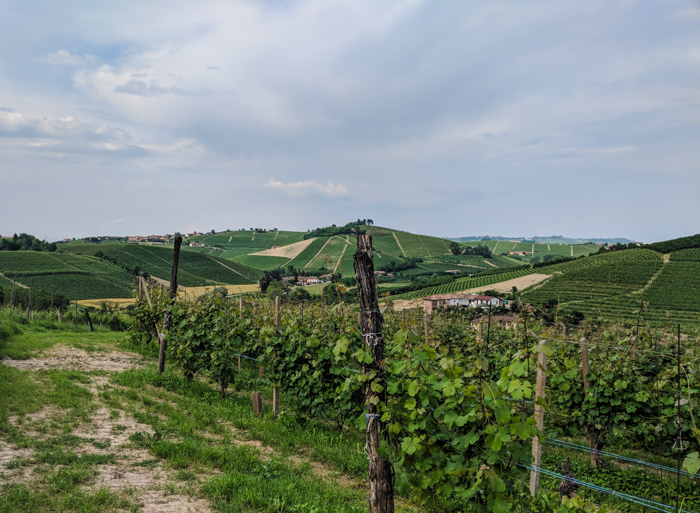
vineyard-hills-walking-tours-piedmont-italiaoutdoors.jpg

Today they cultivate a wide variety of grapes – Nebbiolo, Dolcetto, Barbera, Grignolino, Pinot Nero (which is used in their sparkling wines) and a lone white, Arneis. The last has an interesting story – Matteo told me that the impetus for the use of Arneis came from Italo’s wife, who only drinks white wines. The result was a collaboration between Italo and some experts from the University of Turin, as they sought a local white grape to add to their portfolio. Together with the University, Castello di Neive put into place a clonal selection program with Arneis, a white grape long ignored due to its low yield, and a general lack of local knowledge in white wine vinification methods. They took 30 – 35 different Arneis clones and planted them in different vineyards throughout Langhe and Roero. After evaluating the results, they selected the best 3-4 to reintroduce to the area and produce white wine.
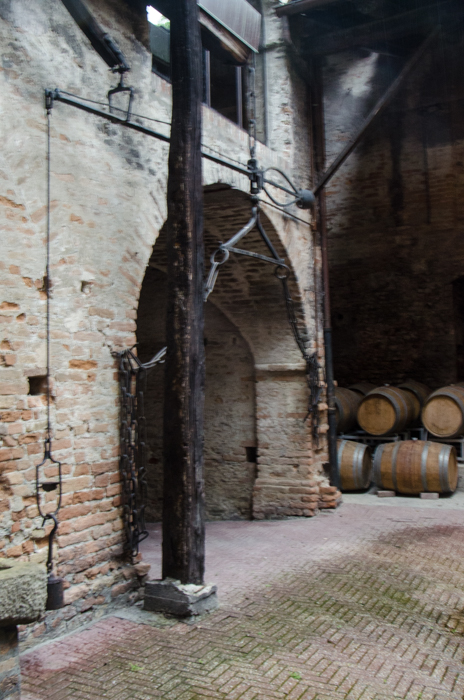
stellyard-castello-neive-walking-tours-piedmont-italiaoutdoors

We started in the castle courtyard, where Matteo pointed out the large rare steelyard and wine press. The steelyard was used to weigh the grapes and wine carts as they came and went, as the farmers who supplied the grapes were paid by weight. We move inside, and on this level the cellar stands about 4.5 meters high, very high ceilings for 1700s construction. Here, in this temperature controlled environment, are racks of barriques and larger oak barrels for aging.
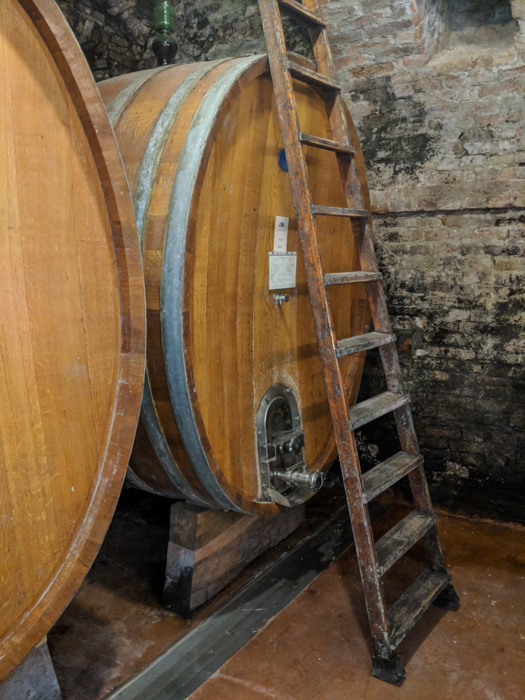
barrel-ladder-neive-walking-tours-piedmont-italiaoutdoors

An adjacent cellar has a slightly lower vaulted ceiling (3.5 – 4 meters high), found here are 35-hectolitre Allier oak barrels used for ageing. Leading off of this cellar, almost requiring us to now lower our heads to enter an ‘infernotto’, a term new to me that refers to the deepest part of the cellars. I’ve lost my bearings, but Matteo orients me and I learn that this infernotto was built into the hill and passes under the adjacent houses of Neive, where I had been wandering earlier that day. This infernotto was uncovered in 1996, and had likely been used as a stable for small animals like sheep and goats. The room had been closed off with a wall approximately 300 years ago, to prevent unpleasant odors from entering the cellar. It is not deemed suitable for any winery use today, but it does provide visitors a nice view of the many layers of marl that make up the terroir of Barbaresco.
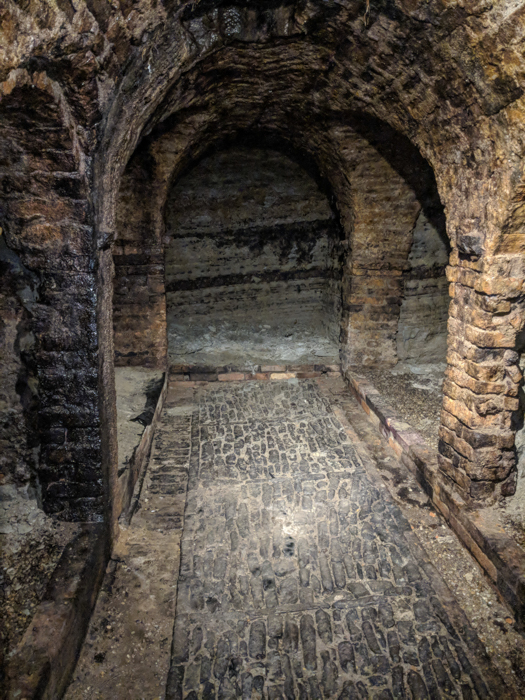
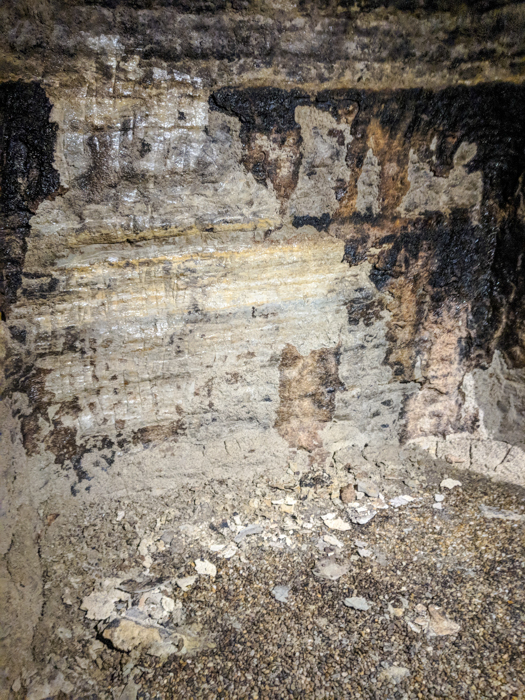
infernotto-closed-neive-walking-tours-piedmont-italiaoutdoors.jpg

infernotto-terroir-neive-walking-tours-piedmont-italiaoutdoors.jpg

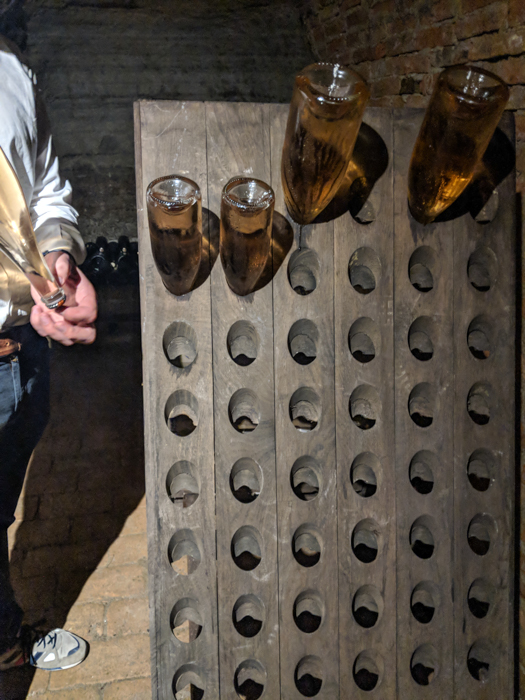
We pass through more cellars, these currently empty but destined to become event space for the winery. We arrive at yet another infernotto, more finished and less damp than the first. This was the old larder, where in winter snow was gathered to preserve fresh and cured meats, eggs, cheese, and bottles of Nebbiolo wine. This corridor, which runs from the castle’s cellars well into the depths of the hill, inspired the family to produce a Metodo Classico wine. Here, temperatures remain between 45 – 55 F no matter the season, the ideal temperature for the production of sparkling wines. These are Pinot Nero based sparkling wines, and production began with the harvest of 1995. A traditional wooden riddling rack held a few bottles for demonstration purposes.
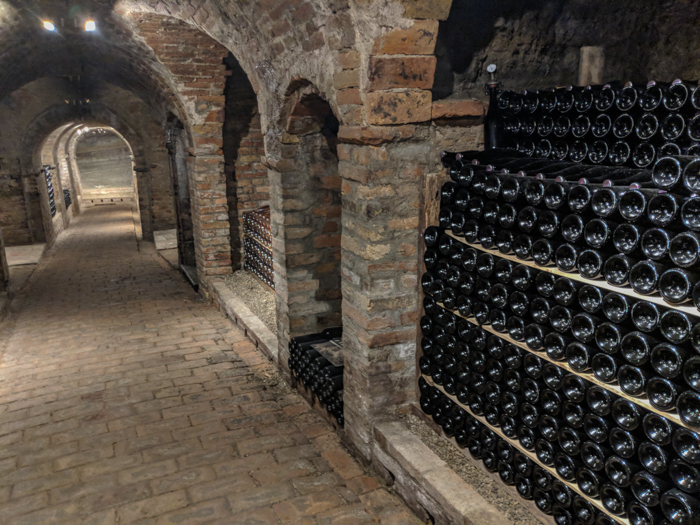
metodo-classico-neive-walking-tours-piedmont-italiaoutdoors.jpg

riddling-rack-neive-walking-tours-piedmont-italiaoutdoors.jpg

As we exit the infernotto, I spot a small assortment of wine bottles well-covered with sediment. These are older vintages of their Arneis wines. Matteo informs me that the staff opens one every once in a while, and find them still drinkable well past the expected expiration date. I’ll recall this secret treasure trove next time I’m above in Neive enjoying a glass of crisp Arneis at an enoteca! On that note, it is off to the tasting room where Matteo set me up with an enlightening tasting of their wonderful wines.
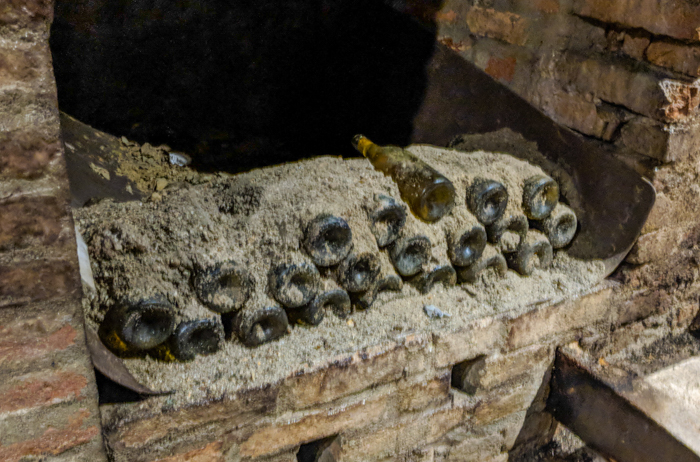
old-arneis-neive-walking-tours-piedmont-italiaoutdoors.jpg

Langhe Arneis Montebertotto 2016

The Montebertotto vineyard and its neighbor Messoirano cover an entire hill, and enjoy an extremely favorable exposure and microclimate. It is in this vineyard that, in 1978, the collaboration with the University of Turin on the clonal selection of the Arneis grape began.
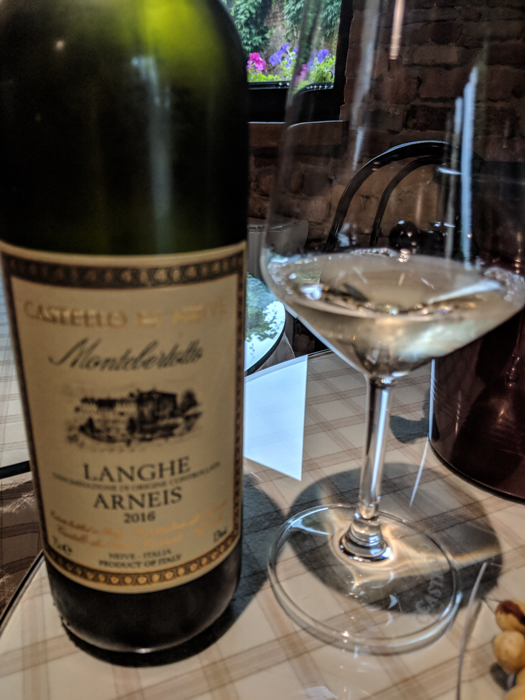
arneis-castello-neive-walking-tours-piedmont-italiaoutdoors

Straw yellow, with green notes. Arneis is a medium-bodied wine, fresh and floral with stone fruits, pear, grassy. Crisp acidity with bitter almond notes on the finish. Enjoy with antipasti and light pasta dishes.

Vigna Basarin Dolcetto d’Alba 2015

Dolcetto, the “little sweet one” is neither little nor sweet. Wines made with Dolcetto are quite dark in color with flavors of blackberry, licorice, and tar. The wines typically don’t age well due to their low acidity, but offer plenty of tannin. This is one of the everyday drinking wines of the Piedmontese.

Basarin is one of the 8 vineyards owned by Castello di Neive, the very first one they purchased. The current owner recalls childhood picnics to this hill, where, armed with baskets full of food and bottles, they met aunts and relatives, all dressed up, and feasted on Dolcetto grapes and bruschette. Today they own the top half of the Basarin hill. The reputation of the Dolcettos obtained from grapes grown on this hill has always been high. Father Giacomo, who knew the nature of its soil and how windy the hill can get, always insisted they should never plant any Nebbiolo there. So even though it is officially now part of Barbaresco, they still planted Dolcetto here.
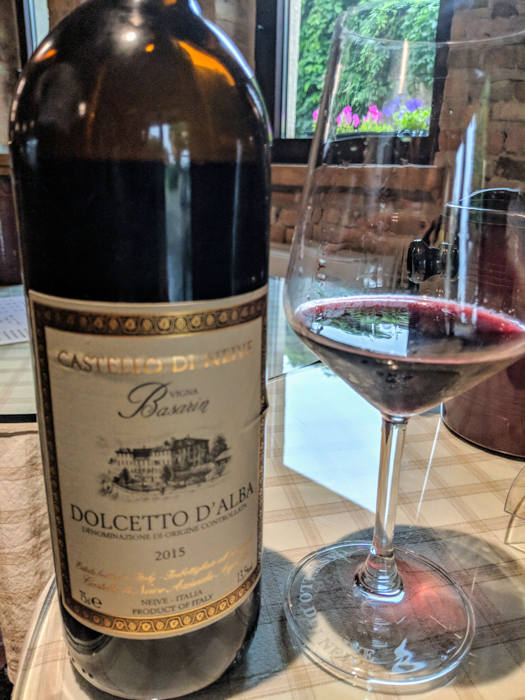
dolcetto-castello-neive-walking-tours-piedmont-italiaoutdoors.jpg

Ruby red with violet reflection. Intense fruit aroma with notes of jam, eucalyptus and herbs. Well balanced, nicely structured, with notes of ripe fruit, elegant finish.

Vigna Santo Stefano Barbera d’Alba 2016

Barbera is the most planted red grape variety in Piedmont as it is a bit less exacting than Nebbiolo. Barbera wines from Piedmont are dark in color and taste of black cherry, licorice, and dried herbs.

In 1964, during the negotiations to acquire the Castle and its vineyards, Giacomo had to choose between a piece of land where a vineyard had already been planted, and the Santo Stefano farm, where the land was mostly fallow. Giacomo recognized the great potential of Santo Stefano, and chose to acquire that wild hill, transforming Santo Stefano into the high quality vineyard it is today.
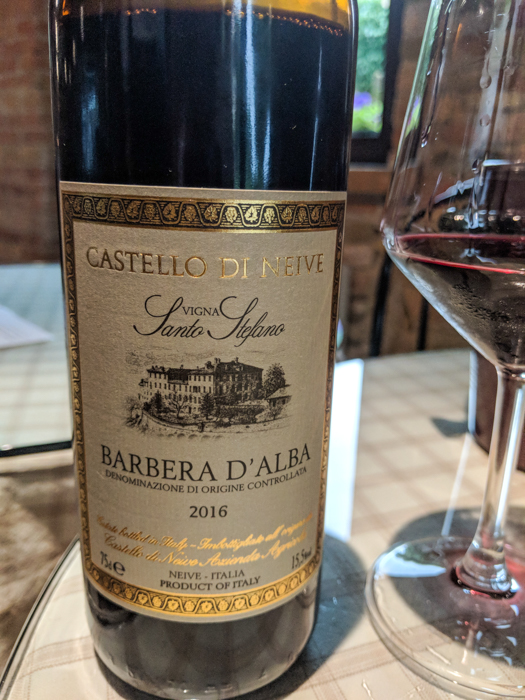
stefano-barbera-castello-neive-walking-tours-piedmont-italiaoutdoors.jpg

Intense ruby red with purple tinges. Ripe cherries with hints of spices, nice complexity, well-structured, balanced acidity. Persistent finish.

Gallina Barbaresco 2014

The Gallina vineyard is planted with Nebbiolo for Barbaresco, with Pinot Grigio, Riesling italico and Pinot Bianco for a Castelborgo Brut made using the Charmat method (used for Prosecco) and with Pinot Nero for Metodo Classico.

Bright garnet red in color. Delicate floral perfume with cherry notes. Full and aromatic flavors of cherry, licorice tar, with fine and elegant tannins.
stefano-barbaresco-castello-neive-walking-tours-piedmont-italiaoutdoors.jpg

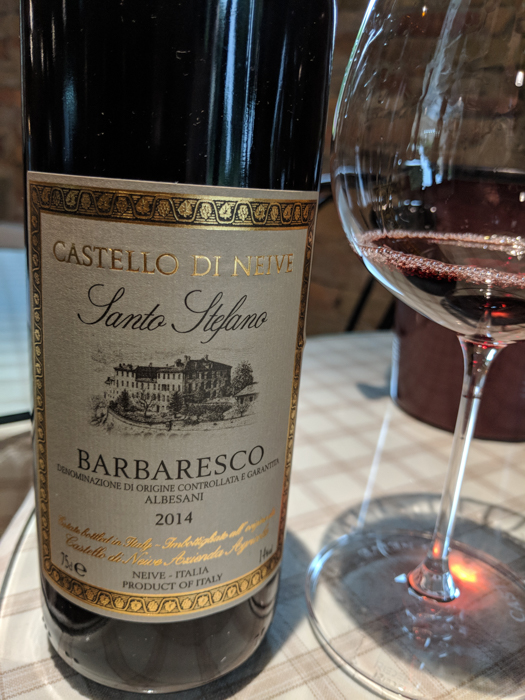
Santo Stefano Barbaresco 2014

The aforementioned Santo Stefano hill first planted by Giacomo is now regarded as one of the premier crus for Barbaresco.

Bright garnet red in color. Elegant, with aromas of eucalyptus and floral notes typical of this particular vineyard. Beautifully structured with balanced tannins with refreshing acidity and persistent finish.
Posted in Piedmont, Travel, Uncategorized, Wine, Wine Pairings, wine tastings | Tagged , , , , , , , , , , | Leave a comment

Walk and Wine in Italy – The Terroir of Barbaresco

barbaresco-view-italy-wine-tours-italiaoutdoors
View of Barbaresco from Neive

Piedmont’s Langhe area is renowned for its picturesque rolling hills and world class red wines, earning UNESCO recognition for both their natural beauty as well as distinguished wine tradition. While Barolo is typically the main attraction, we begin our Piedmont Walk and Wine tour in the Barbaresco zone, discovering this elegant and approachable sister to Barolo.

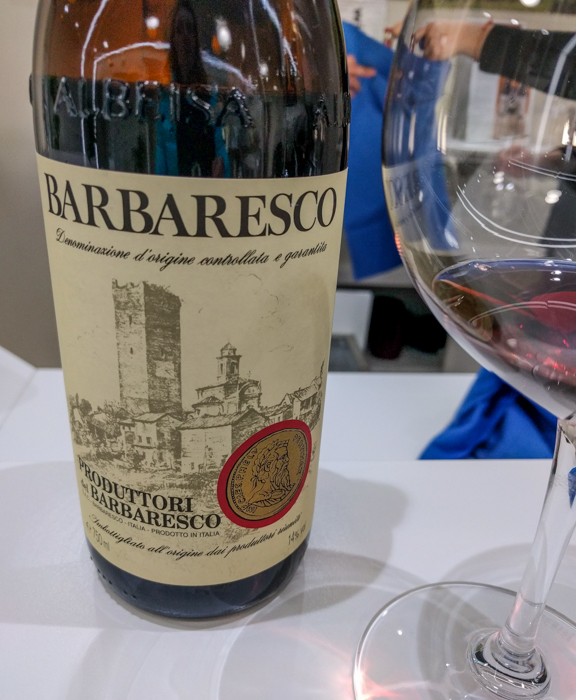
barbaresco-produttori-italy-wine-tours-italiaoutdoors

Let’s first look at the similarities between the two. Barolo and Barbaresco are two classic wines from Piedmont. Both are 100% Nebbiolo, a native grape of the region. Both are classified as DOCG by the Italian government, the highest quality designation. Both zones are located in the Langhe hills, a series of steep isolated hills separated by valleys with flatter land. The Barbaresco zone lies just to the north and east of the city of Alba, the main villages of the area are Barbaresco, Neive, and Treiso. The Barolo zone lies to its southwest, a bit further afield, encompassing the towns of Barolo, Serralunga d’Alba, Monforte d’Alba, Castiglione Falletto, Novello, La Morra and Verduno.

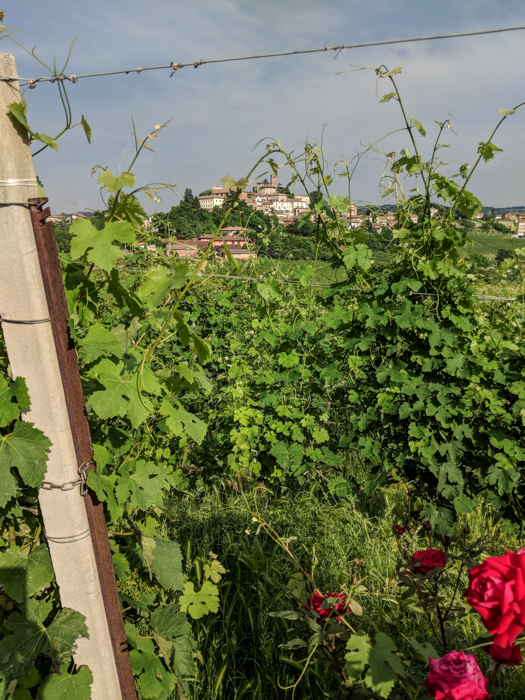
neive-view-italy-wine-tours-italiaoutdoors
Neive from vineyards

The Langhe hills have been producing wines for thousands of years, back to Roman times. Historically, the populace preferred sweet wines, and Nebbiolo, being a challenging grape to grow, took a back seat to local grapes like Barbera, Dolcetto and Freisa. In the early 1800’s, Piedmont was ruled by the French kingdom of Savoy, and local noblemen, influenced by the French wines, began to innovate. The Marchese and Marchesa Falletti of Turin brought a French wine technologist, Louis Oudart, to their estates in Serralunga and La Morra to introduce viticulture practices like barrel aging and temperature control. Slightly later, Camillo Benso, the Conte di Grinzane, hired Oudart to develop a style of wine that was more like the contemporary Bordeaux red wines, dry and barrel aged.

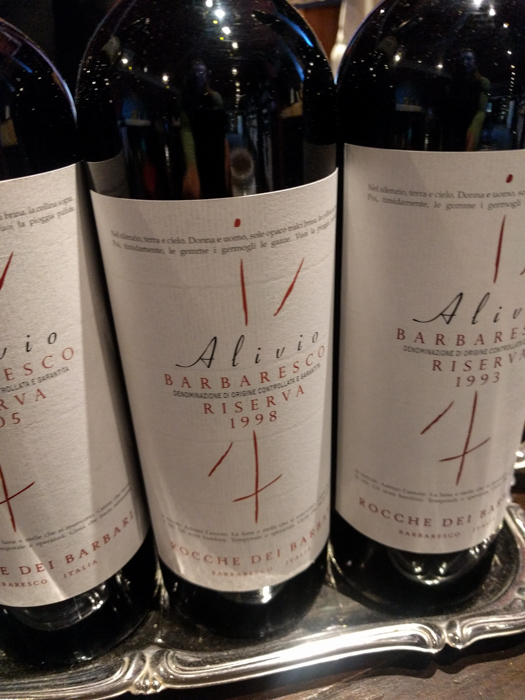
barbaresco-barbari-italy-wine-tours-italiaoutdoors

Initially, the grapes grown in the Barbaresco zone were sold to Barolo producers to include in their wines. At the end of the 19th century, Barbaresco was created as a wine name of its own when the producers of Barolo refused to extend their name to include wines from the towns around Barbaresco. In the early 20th century the wine producers of the area suffered several set-backs, first, the root louse phylloxera, followed by two World Wars, separated by the great depression. When post-war recovery began in the late 1940’s, Barolo and Barbaresco wines resumed their rise in quality. They both became DOC wines in 1966, and were granted DOCG status in 1980.

Although close in proximity, one difference in Barolo and Barbaresco is in the terroir. The Barbaresco zone is near proximity the Tanaro River. The river generates warmer morning temperatures, so the grapes mature earlier. Both soils are calcareous marl, a lime-rich clay-based soil. But the soil in Barbaresco is richer in nutrients and, because of this, the vines don’t produce as much tannin as found in the wines of Barolo. Barbaresco exhibits Barolo-like qualities; aromas of roses, perfume and cherry with a persistent finish. But it is fresher, drinkable earlier, with typically less tannins. These high tannins require longer aging to tame, so Barbaresco only requires 2 years of aging, rather than the 3 required for Barolo. Both wines are not always full-bodied and dark in color. But they are complex and well structured. Many described Barbaresco as more “feminine” than its counterpart.

Barbaresco’s growing zone is small, just 1,823 acres, producing just under 5 million bottles per year. That is fewer than one bottle per resident of the Piedmont region of Italy. The village of Barbaresco is the historical heart of the denomination and the center of production. Its complex combination of calcareous clay, marl, and sandy veins produces the most complex and age worthy wines in the zone.

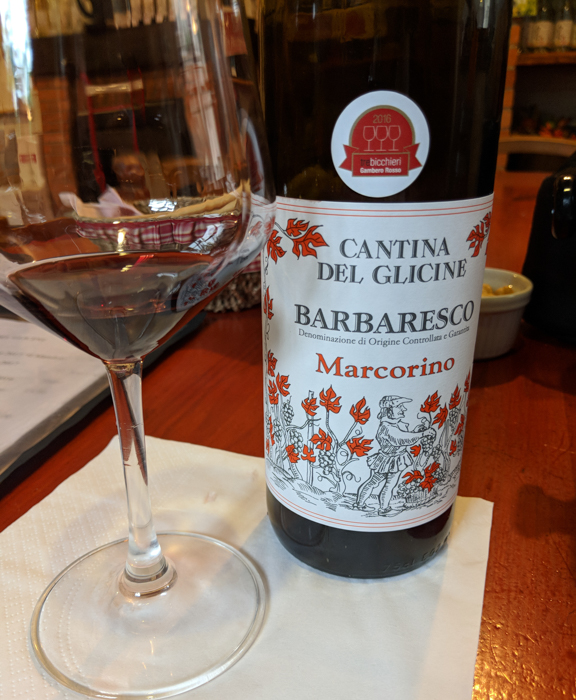
neive-glicine-italy-wine-tours-italiaoutdoors

Neive, a lovely walled town where we begin our tour, produces a wide variety of styles, from younger and fresher to full-bodied and tannic. Vineyards on Barbaresco side are more tannic and structured, those on the east have more sand and yield less structured, more accessible wines.

Treiso holds the highest altitude vineyards in the denomination, with the largest diurnal temperature variations. These wines are more floral, fresh and elegant.

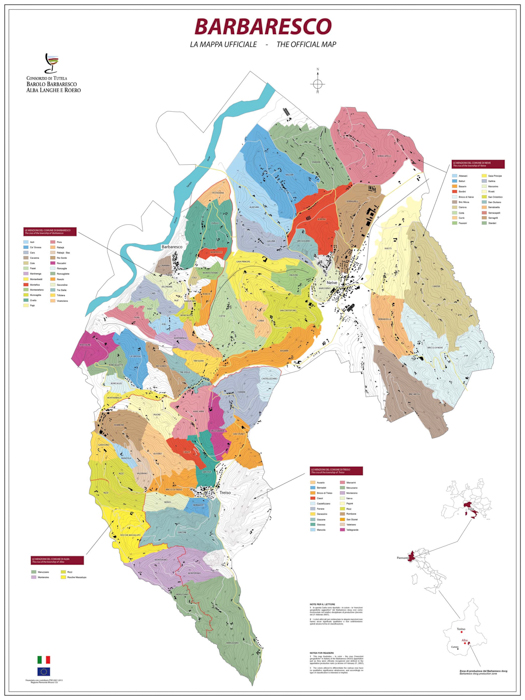
Barbaresco became the first wine area of Italy to officially map out its crus and has incorporated those vineyard delineations into its DOCG. The following map, put out by the Consorzio di Tutela Barolo Barbaresco, illustrates the crus.

bararesco-mappa-ufficiale-italy-wine-tours-italiaoutdoors

Posted in Piedmont, Travel, Uncategorized, Wine, Wine Pairings | Tagged , , , , , , , , , | 2 Comments

Testaroli con Pesto alla Genovese

testaroli-spoon-italiaoutdoors-private-walking-tours-cinque-terreAdventurous clients on our Italiaoutdoors Food and Wine tours in Italy appreciate being introduced to the distinctive regional dishes that are unique to the areas we visit. These are not dishes you will find at Olive Garden, but authentic cuisine that reflect the history of the region. Many of these can be so local that you will only find them in a few small isolated towns, not even on menus across, say, an entire region like Tuscany.

porto-venere-coast-italiaoutdoors-private-walking-tours-cinque-terre

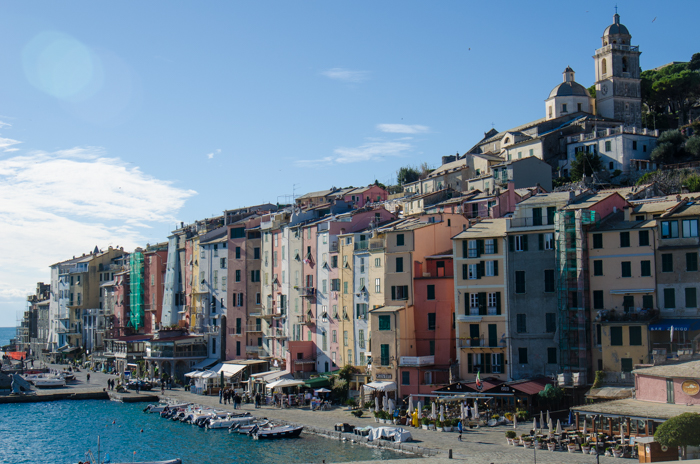
One example of such a dish is testaroli. We sample this on our walking tours to Cinque Terre, Liguria and Tuscany. A specialty pasta of Northern Tuscany, production is centered in the Lunigiana area, around the villages of Pontremoli, Fosdinovo and Castagnetoli. You can find them in shops and restaurants in the province of Massa-Carrara and La Spezia area, which is where I enjoyed it on a visit to Portovenere on the Ligurian coast, the starting point for our walking tours to Cinque Terre. Outside of this limited area, it’s really difficult to find, even in other parts of Tuscany or Liguria.

porto-venere-testaroli-italiaoutdoors-private-walking-tours-cinque-terre

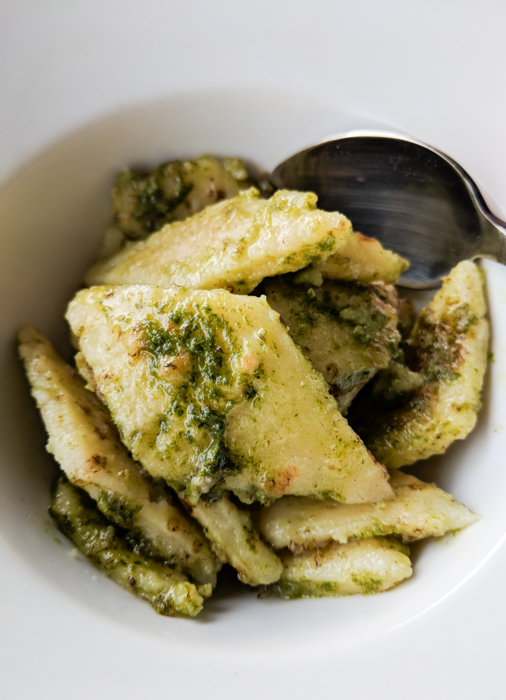
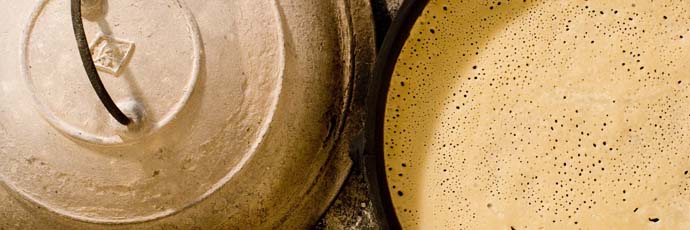
Testaroli is a classic example of “cucina povera”, the food of the peasants, made of simple, inexpensive ingredients. Some claim that they are the first kind of pasta, dating back to Ancient Rome. A testarolo (singular) is a thin, pancake-like disk made from a batter of only flour, warm water and salt. It is cooked on a traditional cast-iron griddle, made of two pieces, called a “testo”. Both pieces are placed on a wood-burning fire until they become red-hot. When the bottom piece, the “sottano”, has reached the right temperature, the batter is poured on to it and it is covered with the “soprano”. When the testarolo is cooked through, the disc is cut into diamond shapes and cooked in boiling water, like pasta, then served with fresh pesto.

testarolo-artigianale-pontremolese

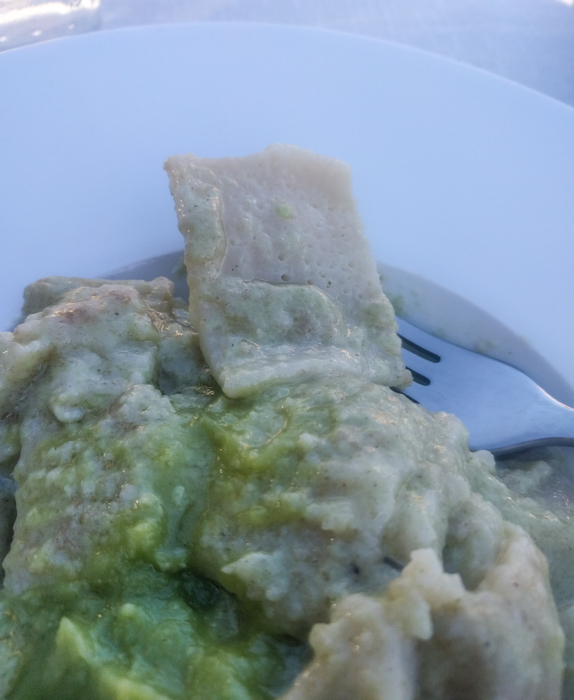
Artisanal testarolo, cooked using these two plates, differs from the more widely available industrial version. The industrial version uses only one steel plate, heated by gas flames, without being covered. The difference is clear: authentic testarolo is full of holes created by water evaporating from the batter, and is thin, soft and light. The industrial version is dense, heavy and thick. The Slow Food Presidium has named the Artisanal Pontremoli Testarolo to it’s official list of Presidia products, in order to preserve this ancient cooking method.

 testaroli-wine-italiaoutdoors-private-walking-tours-cinque-terre

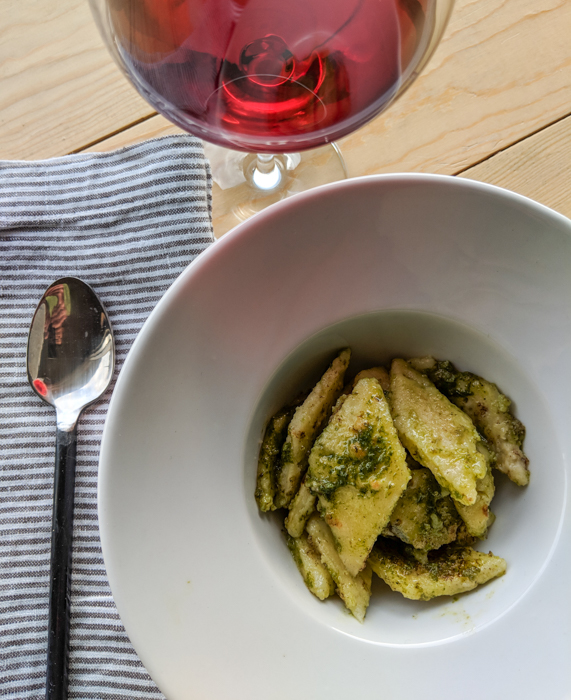
This is basically a crepe batter, cooked, then cut into diamond shapes and boiled like pasta. Enjoy with Pesto alla Genovese (my recipe here), and a nice Ligurian wine like this Ciliegiolo rosé from Bisson. Ciliegiolo is a red wine variety, named after the Italian for ‘cherry’. It is a minor blending component of Chianti, and a relative of Sangiovese.

Testaroli con Pesto alla Genovese

1 1/2 cups all-purpose flour
1 1/2 cups water
1 teaspoon sea salt
Vegetable oil for cooking
1 tbsp toasted pine nuts
Grated Parmigiano Reggiano cheese

Whisk together flour and water and salt. Let sit for 30 minutes at room temperature.

Heat a lightly oiled nonstick or cast-iron frying pan over moderately high heat. When pan is hot, pour in about 1/3 cup of batter. Tilt the pan in all directions so the batter spreads evenly over the bottom. When the crepe is set, flip it over and briefly cook other side. Transfer testarolo to a plate. Continue to cook the remaining testaroli, adding a little more oil to pan if necessary.

Prepare the pesto.

Cut each cooked testaroli into diamond shapes about 1 1/2 inches on each side.

Bring a large pan of water to boil over high heat. Salt the water liberally. Cook the testaroli in the boiling salted water briefly, about 3 minutes. Cook in batches if necessary to avoid crowding. Remove from boiling water.

Place testaroli on warm serving plates, top with Pesto Genovese. Drizzle with some olive oil, and sprinkle some toasted pine nuts and Parmigiano Reggiano cheese. Serve immediately.

Posted in Liguria, Pasta, Travel, Uncategorized, Vegetarian, Wine Pairings | Tagged , , , , , , , , , , , , , | 1 Comment

Walk and Wine in the Veneto – Prà Soave and Valpolicella

soave-italiaoutdoors-private-wine-tours

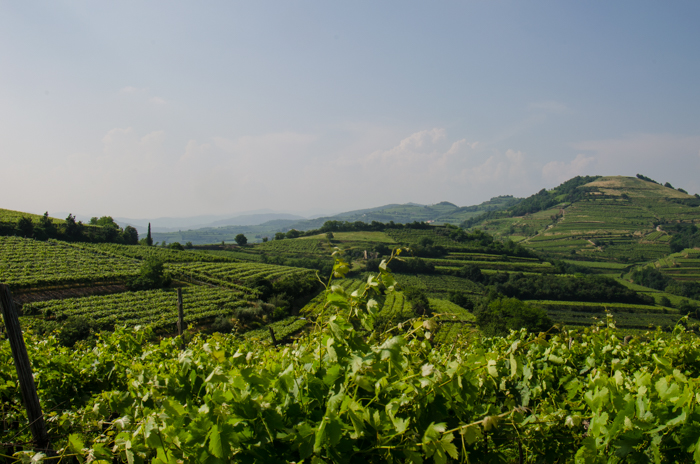
The Soave DOC zone is located in the hills surrounding the town of Soave, a beautiful walled town that is our launching point for our Italiaoutdoors Food and Wine Amarone Walk and Wine tour. The vineyards lie in the Tramigna, Mezzane, Illasi and Alpone valleys of the Veneto. The grape variety featured in this DOC is the white Garganega, one of the premier indigenous white grapes of Italy, which is used either alone, or can be blended with up to 30% Pinot Bianco, Chardonnay, or the traditional blending grape, Trebbiano di Soave.

pra-winery-italiaoutdoors-private-wine-toursI recently spent an afternoon with an award winning producer of both Soave and Valpolicella wines, Prà. Graziano Prà comes from a family of grape growers, as both his father and his grandfather grew grapes for other producers. Graziano had more ambitious plans, heading to the wine college in Conegliano in the 80’s, then returning home to begin producing his own wines. Today he is still in charge of the winemaking, still driven by a belief that a quality wine comes from local varietals that thrive in the extraordinary terroir of his land.
pra-terroir-montegrande-italiaoutdoors-private-wine-tours

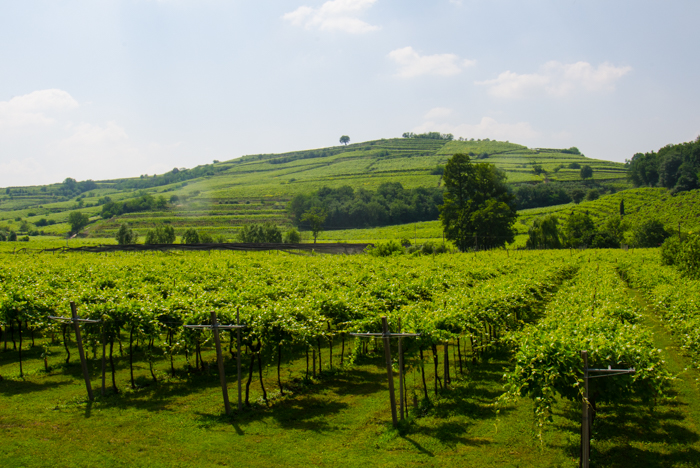
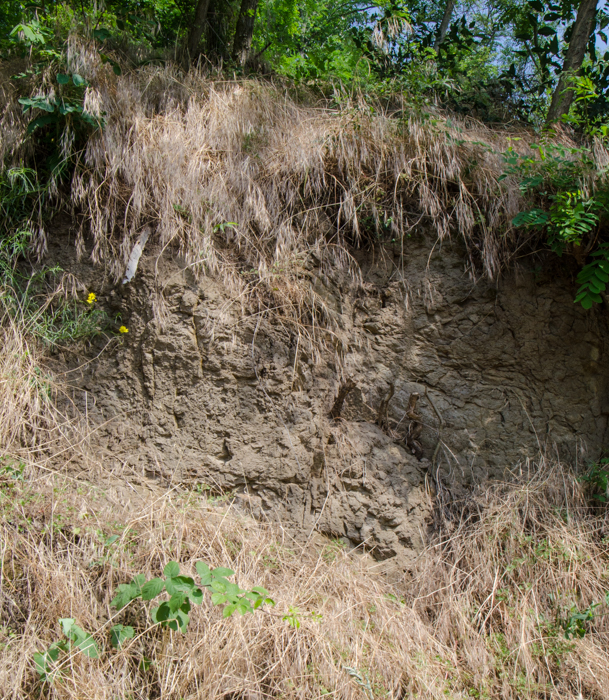
Soave is a relatively small area, but this DOC produces more still, dry white wine than any other in Italy, and is home to over 3000 growers. The area has volcanic origins, where over time the lava flows have turned into sediment. The basalt soil is dark, and rich in minerals that express themselves strongly in the relatively neutral palate of the Garganega grape. But there are marked differences in terrain, obvious as you approach, between the vineyards in the hills and those on the flat lands.

pra-estate-italiaoutdoors-private-wine-tours

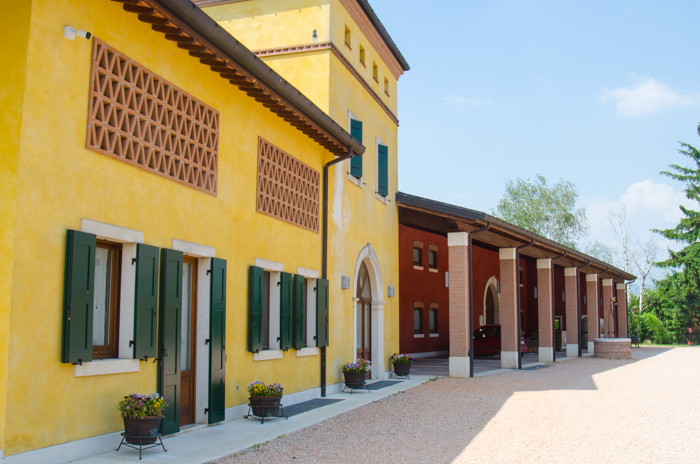
Prà is located just outside of Monteforte d’Alpone, the family’s original estate. Here, among 30 hectares of vineyards, Graziano erected a modern production facility in 2009. The family also owned an additional 2 hillside hectares in the Soave Classico zone nearby at Montegrande. We headed here to see firsthand this unique location, home to the best white wines in the Prà porfolio.

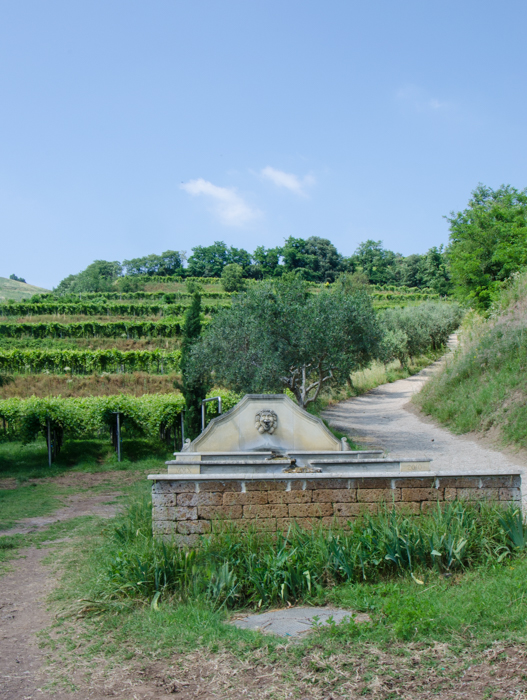
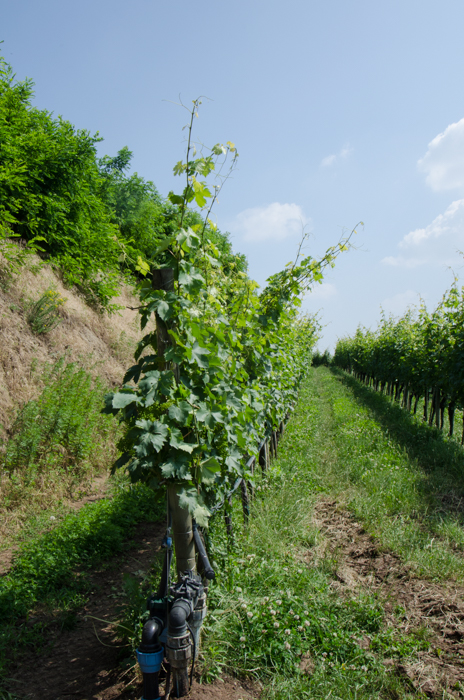
pra-fountain-montegrande-italiaoutdoors-private-wine-toursMy host Giulio drives me along narrow farm roads, then up a steep, rutted gravel road to the Montegrande vineyards. A fountain built by Graziano marks the beginning of their property. To the left are rows of Garganega vines, identifiable by the pergola trellising system. The pergola system trains the vines up vertical stakes, then along an overhead pergola to create a lovely canopy. Its advantages are that it shades the ground in hot, arid climates to preserve moisture, and shades the thin skinned Garganega fruit from direct sunlight. Nearby, a smaller plot has vines trained using the Guyot system, these are the Trebbiano grapes which are thicker skinned and less susceptible to damage from the sun.
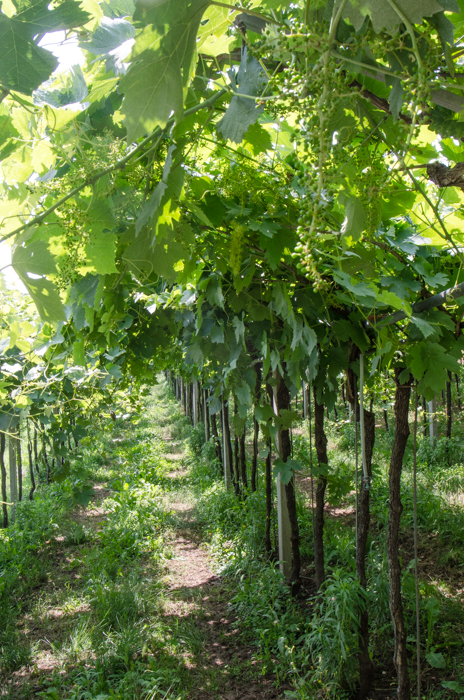
pra-pergola-montegrande-italiaoutdoors-private-wine-toursGiulio describes for me the unique drying process they employ in this vineyard, which they call ‘taglio del tralcio’, or ‘cutting of the shoot’. One month before harvest, workers come through the vineyard and partially cut through the stem just above each bunch of grapes they plan to harvest. This cut interrupts the flow of water to each bunch, causing it to dry out over the next month. When they return to harvest, the grapes have dried for a month, concentrating sugars and flavors.
pra-trebbiano-montegrande-italiaoutdoors-private-wine-toursAfter an auspicious start to his wine production career focused on white wines, Graziano branched out to red. Keeping close to his roots of wines based on local varietals grown in exceptional terroir, he began his search. His long hunt for the perfect vineyard brought Graziano to the high marl slopes of La Moradina in the Valpolicella zone. Sitting on white soil of chalky rock, ancient clay and marine sand, La Morandina is located at 500 mt altitude on rubble and schist. The grape yield is very low, giving more body to the wines. The high levels of chalk and marl produce wines that are fine and elegant with good freshness and medium body, perfect for long aging and easy drinking.
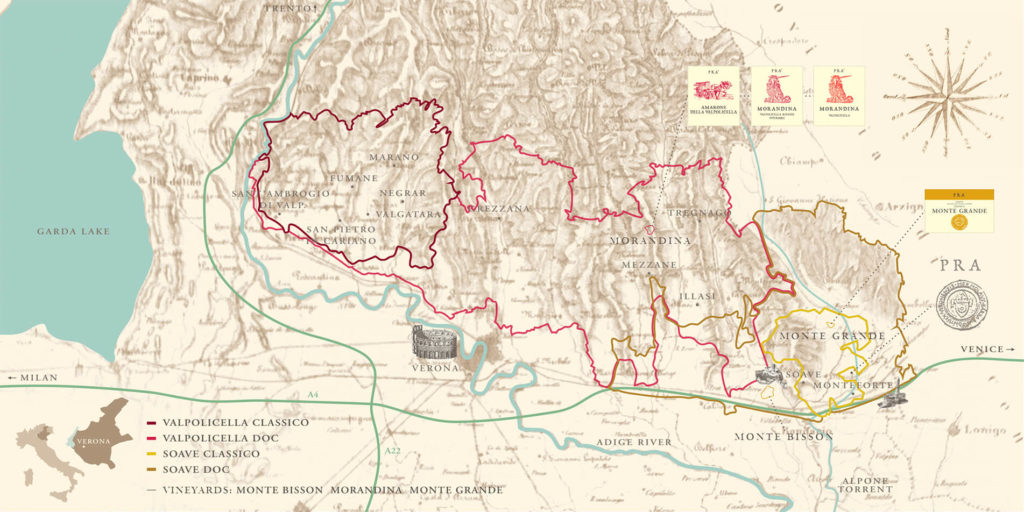
Pra-Territory-mapBack at the estate, Giulio set up a tasting for me on a lovely terrace with a panoramic view of their vineyards. I enjoyed tasting a variety of wines from their wonderful portfolio.
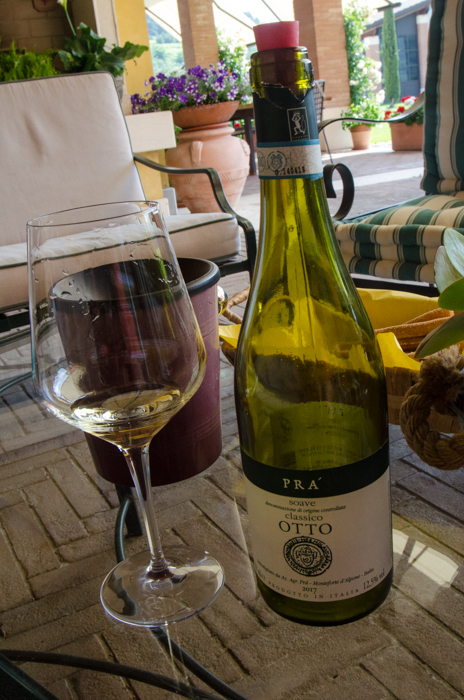
Otto Soave Classico

100% Garganega, from their vineyards in Monteforte d’Alpone. The wine is fermented and matured in stainless steel vats.

Pale yellow in color, with a floral bouquet with notes of stone fruits. Medium body, lots of fruit flavor with mineral notes. Excellent with an antipasti of Berico Euganeo prosciutto and Asiago cheese.

pra-otto-italiaoutdoors-private-wine-tours

Staforte Soave Classico DOC

100% Garganega, from their vineyards in Monteforte d’Alpone. A selection of the best grapes from the vineyards. The wine is fermented and refined in stainless steel vats with regular batonnage for 6 months.

Bâtonnage is a French term for aging the wine a bit on the “lees”. The lees are the sediment of winemaking, made up of dead yeast and bits of grape seeds and solids. Winemakers sometimes like to keep some of these solids in contact with the wine as a way to extract flavor, aroma and texture.

If left alone, these solids will settle to the bottom of a barrel, where they run the risk of producing hydrogen sulfide. Bâtonnage prevents this, by stirring the wine on a regular basis, instead of just letting it sit on the bottom. Prà has invested in stainless steel tanks with paddles at the bottom specifically designed for stirring the settled lees as needed.

Strong nose of apple and fresh stone fruit, with floral notes. Smooth and round with a nice minerality and persistent finish.

Pairs with raw fish and shellfish, as well as lighter pasta dishes.

Monte Grande Soave Classico DOC

70% Garganega, 30% Trebbiano di Soave from their Monte Grande vineyards. The grapes are ‘taglio del tralcio’ one month prior to harvest. Fermentation is carried out in large casks made of Allier oak. The wine is then left in the casks to mature for 10 months.

Minerality is the distinctive characteristic of this cru. A wonderful scent of ripe tropical fruit and citrus. A elegant, fresh palate with notes of vanilla. Should age well.

Perfect with shellfish and fish dishes as well as risotto and light pasta dishes.

pra-colle-italiaoutdoors-private-wine-tours

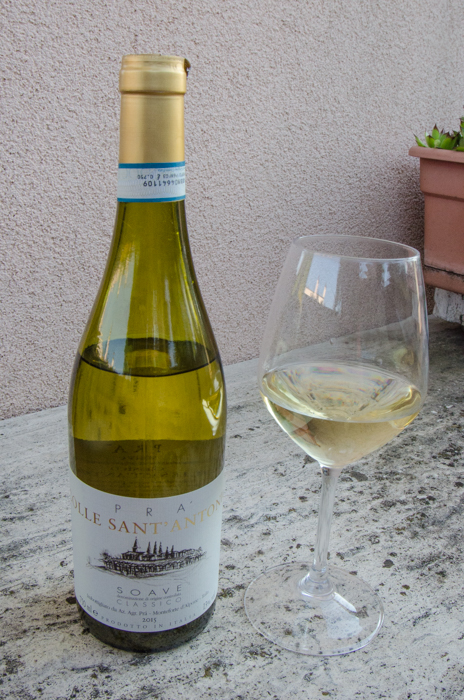
Colle Sant’Antonio Soave Classico DOC

100% Garganega from their Monte Grande vineyards. The grapes are ‘taglio del tralcio’ one month prior to harvest. Fermentation is carried out in casks made of Allier oak. The wine is left to mature in oak for 18 months.

Intense yellow in color. A very fruity nose with notes of spice, vanilla, and honey. Full bodied with a crisp acidity. Complex palate with flavors of nuts and dried fruit.

Perfect with local specialties like sarde in saor and baccalà alla vicentina.

Passito Bianco Delle Fontane

This is Pràs sweet passito style dessert wine. 100% Garganega, only the most sun ripened are selected from the vineyards for this wine. Grapes are dried for one month. Refined in stainless steel vats.

This wine has a deep golden color. Sweet aromas of stone fruits and honey. Rich and full-bodied, flavors of dried fruits and citrus with a long finish.

Pair with aged and blue cheeses, as well as traditional desserts such as sbrisolona and zaleti.

pra-morandina-italiaoutdoors-private-wine-tours

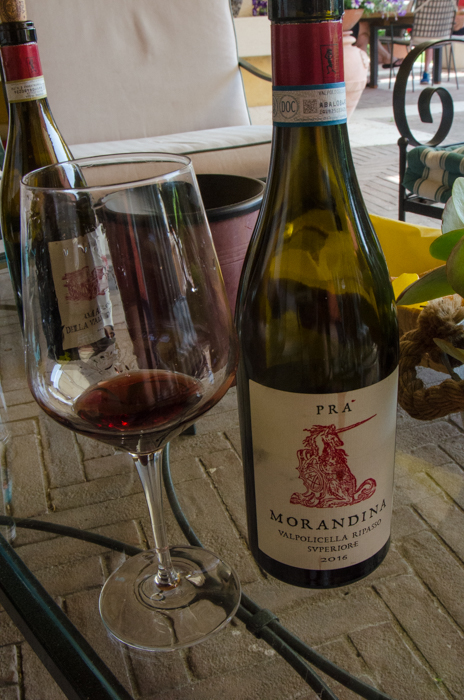
Morandina Valpolicella Ripasso DOC

A blend of traditional Valpolicella grapes Corvina, Corvinone, Rondinella, Oseleta from their organic vineyards in Mezzane and Tregnago.

Ripasso wines are made by employing a second fermentation of Valpolicella wine over the Amarone dried grape skins. Maceration for 5 days. 12 months aging in tonneaux of Allier.

Ruby red color with hints of purple. Typical aromas of fresh cherry and spice, cherry and plum flavors with black pepper and well-balanced acidity.

Pair with red meats and meat based pastas or risottos.

Amarone Della Valpolicella DOCG

A blend of traditional Valpolicella grapes Corvina, Corvinone, Rondinella, Oseleta from their organic vineyards in Mezzane and Tregnago.

Grapes selected by hand, dried for 2 months. The grapes are destemmed, pressed and vinified. Fermentation for 15 days in vertical stainless steel vats. 2 years aging in tonneaux and barriques, the last year in large Allier oak casks. One year bottle aging.

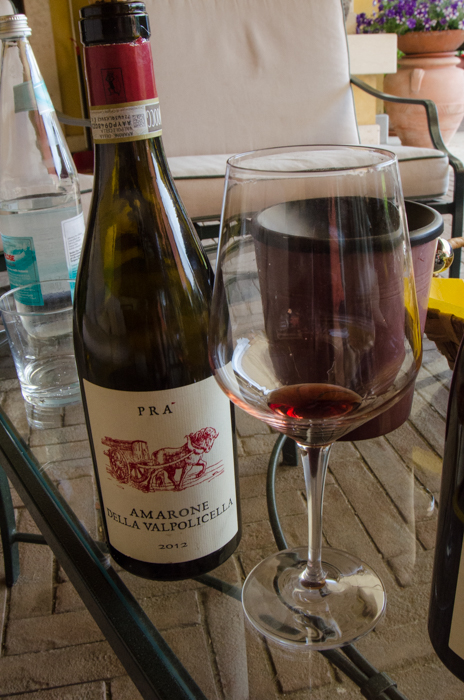
Bright ruby red. Intense aromas of plum, cherry and spice. Typical flavors of cherry, plums, ark chocolate. Elegant structure, well-balanced tannins.

Enjoy with roasted red meat and game, as well as flavorful braises. Also goes well with aged cheeses, like Parmigiano Reggiano.

pra-amarone-italiaoutdoors-private-wine-tours

Posted in Uncategorized, Veneto, Wine, Wine Pairings, wine tastings | Tagged , , , , , , , , , , , , , | 1 Comment