Chocolate Chip Oatmeal Power Cookie

cookies cycling holidays europe
Chocolate Chip Oatmeal Power Cookie

Last weekend I took part in an unbelievably inspiring event – the Pan-Mass Challenge. It is a 190-mile, 2 day bike ride that raises funds for cancer research at Dana Farber. I was a member of Team Rialto, a group of us affiliated in some way with Rialto restaurant in Cambridge, MA. We ranged in ages from twenties to sixties, and we all completed the ride with energy to spare (although not much!) Many of us had first started ‘serious’ riding as a result of our biking trips to Italy. Jody Adams, her husband Ken Rivard, and team member Ron Goldberg joined Italiaoutdoors in June 2010, and Sean joined Jody on our September trip. All team members trained extraordinarily hard for the ride, and their hard work was evident. Jody committed during the ride that when we first rode together in Sicily, and were challenged by the riding there, who would have thought a few years later we’d be riding over 100 miles in one day? Our team has raised over $50,000 at this point, with more coming in. And we’re already planning for next year. To do something we all love to support such a great cause, surrounded by so many bikers who are really challenging themselves physically, and cheered on by the crowds that line the entire route is truly an inspirational experience.
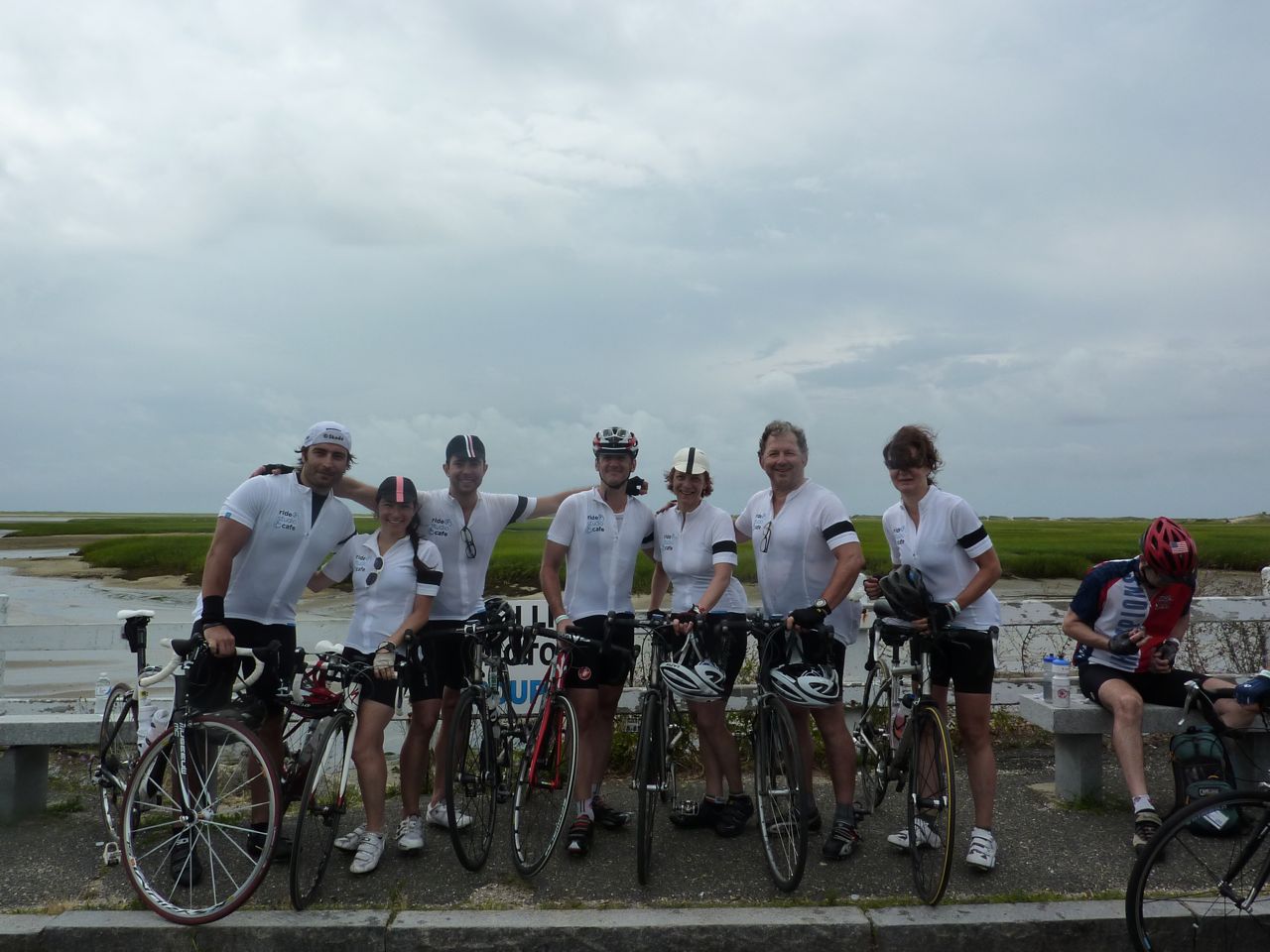
Team Rialto at the Finish cycling dolomites
Team Rialto at the Finish

Completing an endurance event like this requires not only physical strength, but a mindfulness on pacing yourself and making sure your body is properly fueled throughout. For an hour or two bike ride or gym session, you can get by without paying much attention to food and water intake. Biking for 7 to 8 hours, in August, is a different story; we all have learned over the last few months the importance of drinking water – often – before you are actually thirsty. Stopping to eat every hour or so is also critical. I find I don’t feel hungry when I am exercising, but when I don’t properly fuel, I hit a wall. And this is the one time when I find something containing sugar is best, something that my body can immediately convert into fuel. I am not a fan of power
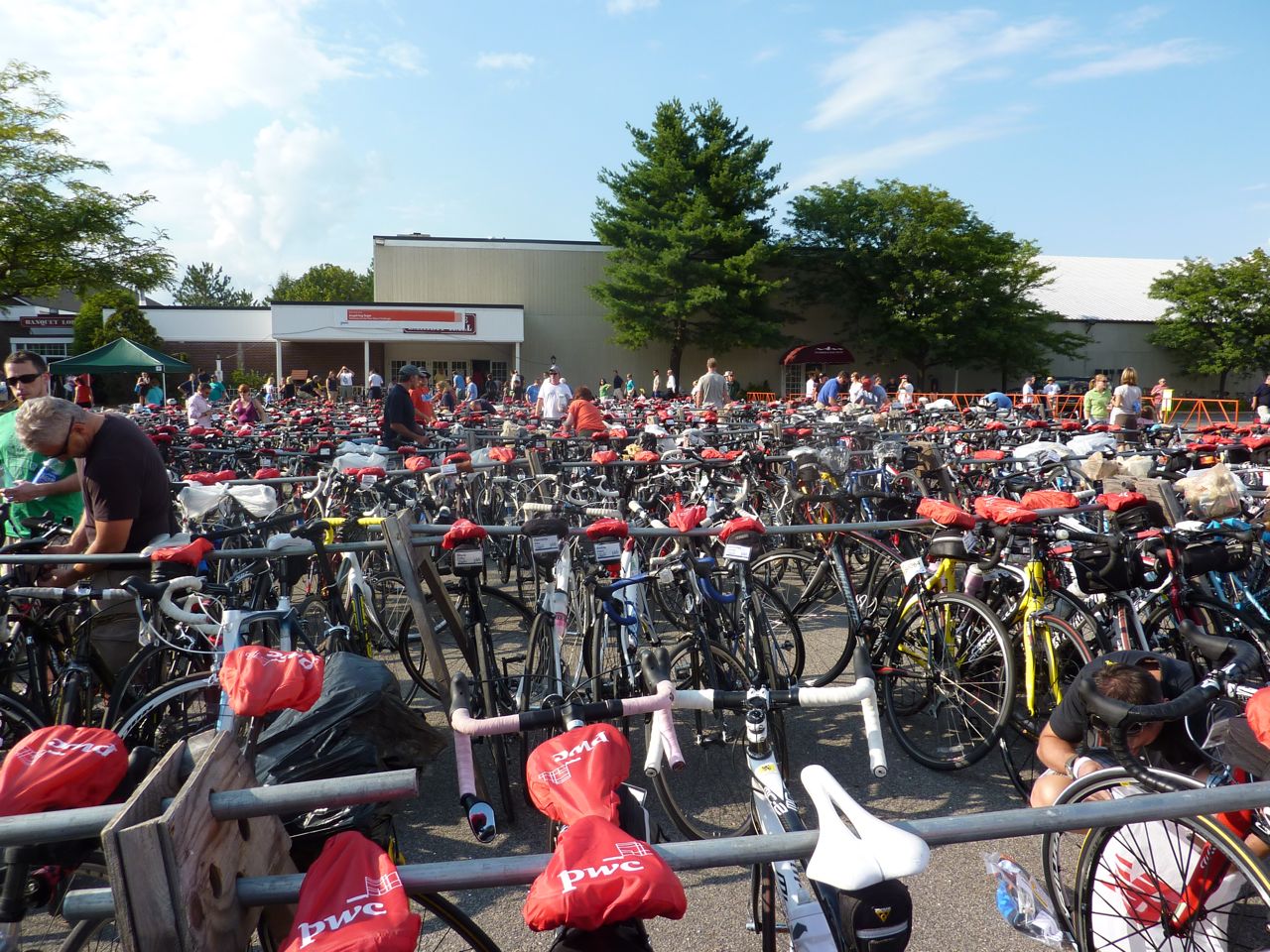
bikes at start bike tours italy
Thousands of bikes

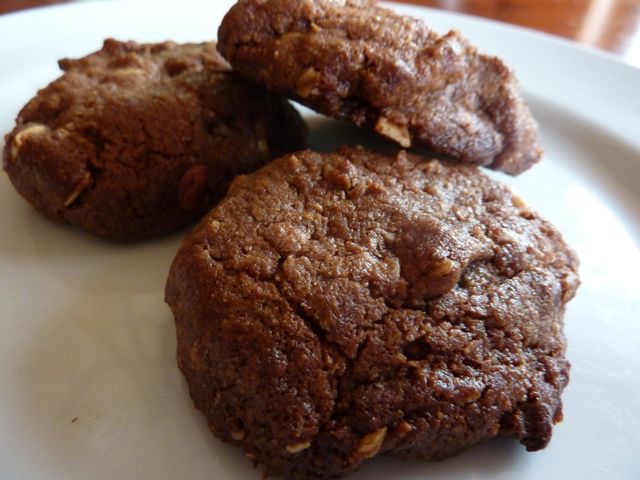
bars or other ‘sports food’. On our biking trips, we try and fuel up on ‘real’ food rather than gorp or processed sports foods. For the PMC, I made up a batch of cookies which I carried in my back pocket, and snacked on throughout the ride. I developed the following recipe, modifying a chocolate chip oatmeal cookie by adding in a few of my favorite ingredients – coconut, flax seed, and cocoa.

Chocolate Chip Oatmeal Power Cookies
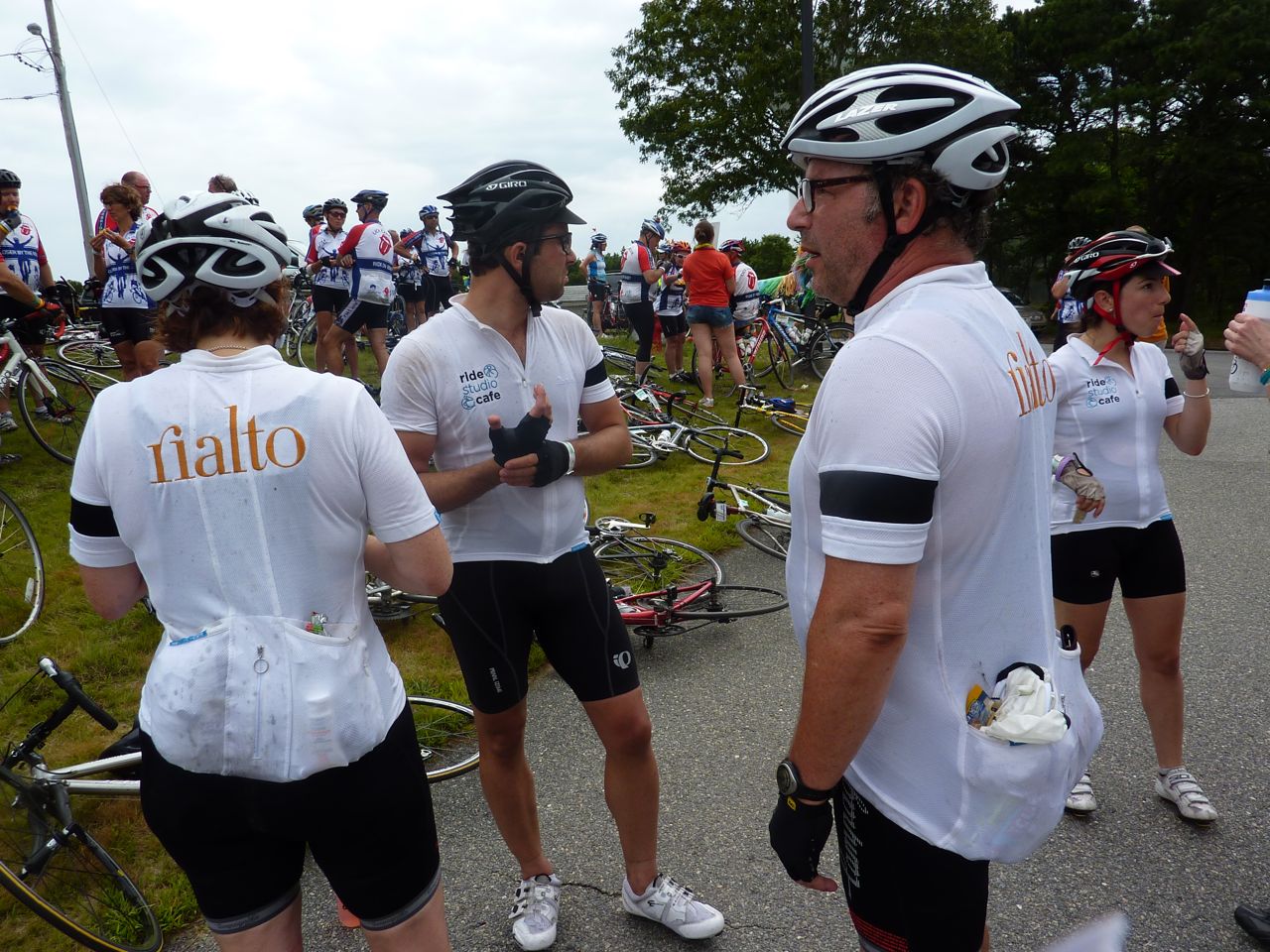
Team Rialto – stopping to refuel

1 1/2  cups butter, softened
1 cup sugar
1 cup packed brown sugar
3/4 cup peanut butter
2 eggs
1 teaspoon vanilla
1 2/3 cup flour
1/3 cup ground flaxseed
1/2 cup cocoa
2 teaspoons baking powder
1 tablespoon salt
2 cups chocolate chips, preferably dark chocolate
1 cup whole oatmeal (not quick cook)
1/2 cup coconut
1 cup almonds or other nuts

Preheat oven to 375°.

Beat butter, sugar, brown sugar, peanut butter and vanilla in a large mixer bowl until creamy. Add the eggs, one at a time, beating well after each addition.

In a small bowl, combine the flour, flaxseed, cocoa, baking powder, and salt. Gradually beat in the flour mixture. Stir in the chocolate chips, oatmeal, coconut, and almonds.

Drop by rounded tablespoons onto an ungreased cookie sheet. Bake for 9 to 11 minutes.
Posted in Baking, Cookies, Dessert, Fitness, Uncategorized | Tagged , , , , , , , , , , , , , , , , , , , , , , , , , , , , | Leave a comment

Fennel Confit from Susan Regis

Confit Fennel

Fennel is a hardy, perennial herb that is indigenous to the shores of the Mediterranean, but today is found many parts of the world, especially on dry soils near the sea-coast and on riverbanks. Known as the Florence fennel, it has a bulb as its base, with stalks emerging from the soil, carrying yellow flowers and distinctive feathery leaves. It has a mild anise-like flavour, but is more aromatic and sweeter. The bulbs are eaten as a vegetable, both raw and cooked. In Italian, fennel is finocchio. In North American supermarkets, including my local Shaws, it is often mislabeled as “anise”.

Susan Regis with Italiaoutdoors

Fennel has become quite common along roadsides, in pastures, and in other open sites in many areas, including northern Europe, the United States, southern Canada and in much of Asia and Australia. It propagates well by seed, and is considered an invasive species and a weed in Australia and the United States. We can attest to its presence in Italy – we quite often find it growing by the side of the road during our Italiaoutdoors bike adventures.

Fennel features prominently in Italian cuisine, where bulbs and fronds are used, both raw and cooked, in side dishes, salads, pastas, vegetable dishes and risottos. Fennel seed is a common ingredient in Italian sausages and meatballs and northern European rye breads.

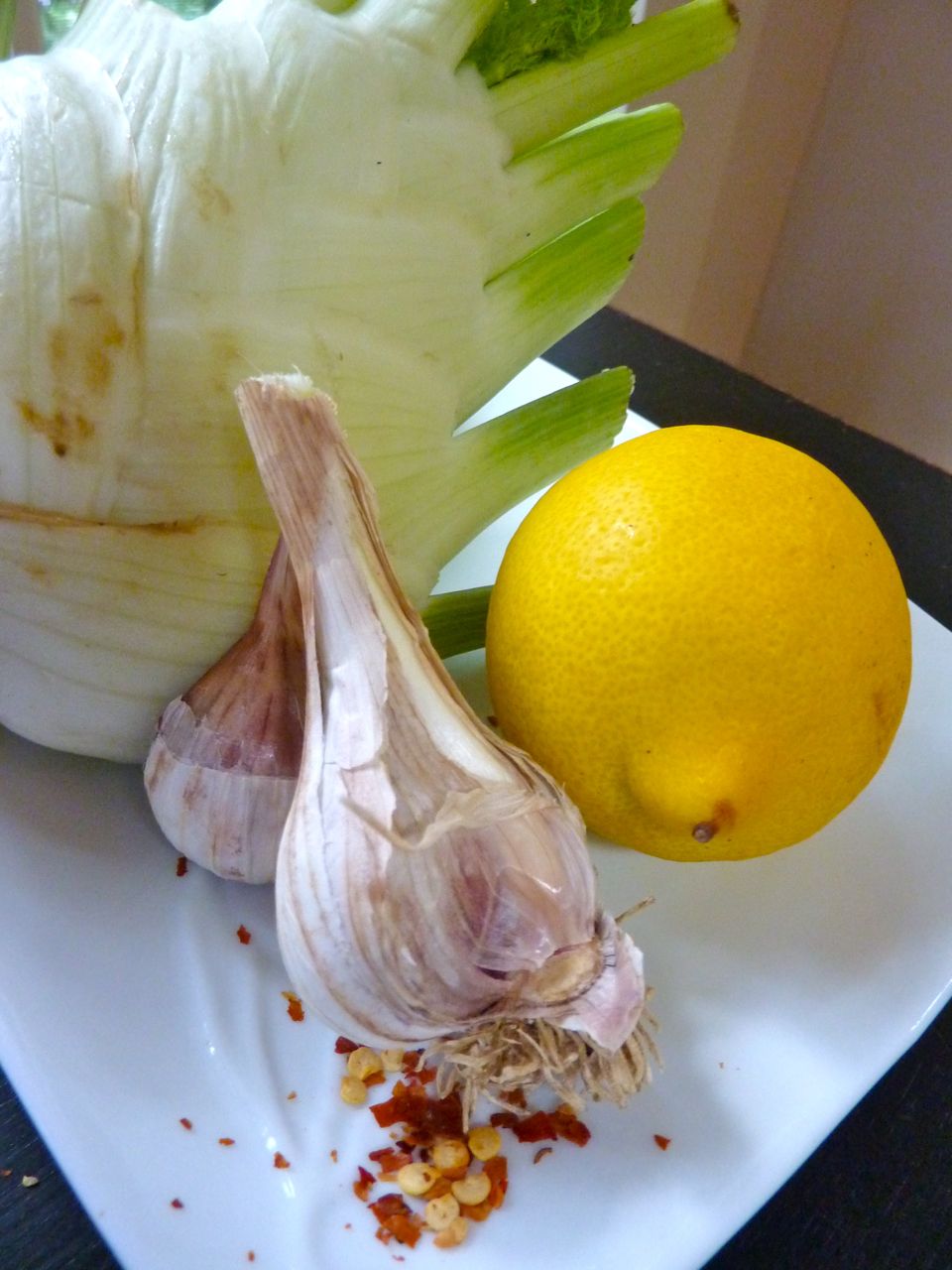
Ingredients – fennel, garlic, lemon, red pepper flakes

Fennel is yet another vegetable that people don’t seem to know quite what to do with; it can be simply sliced and used raw as a salad ingredient. With tomatoes and feta, or with grapefruit, it makes a great addition.

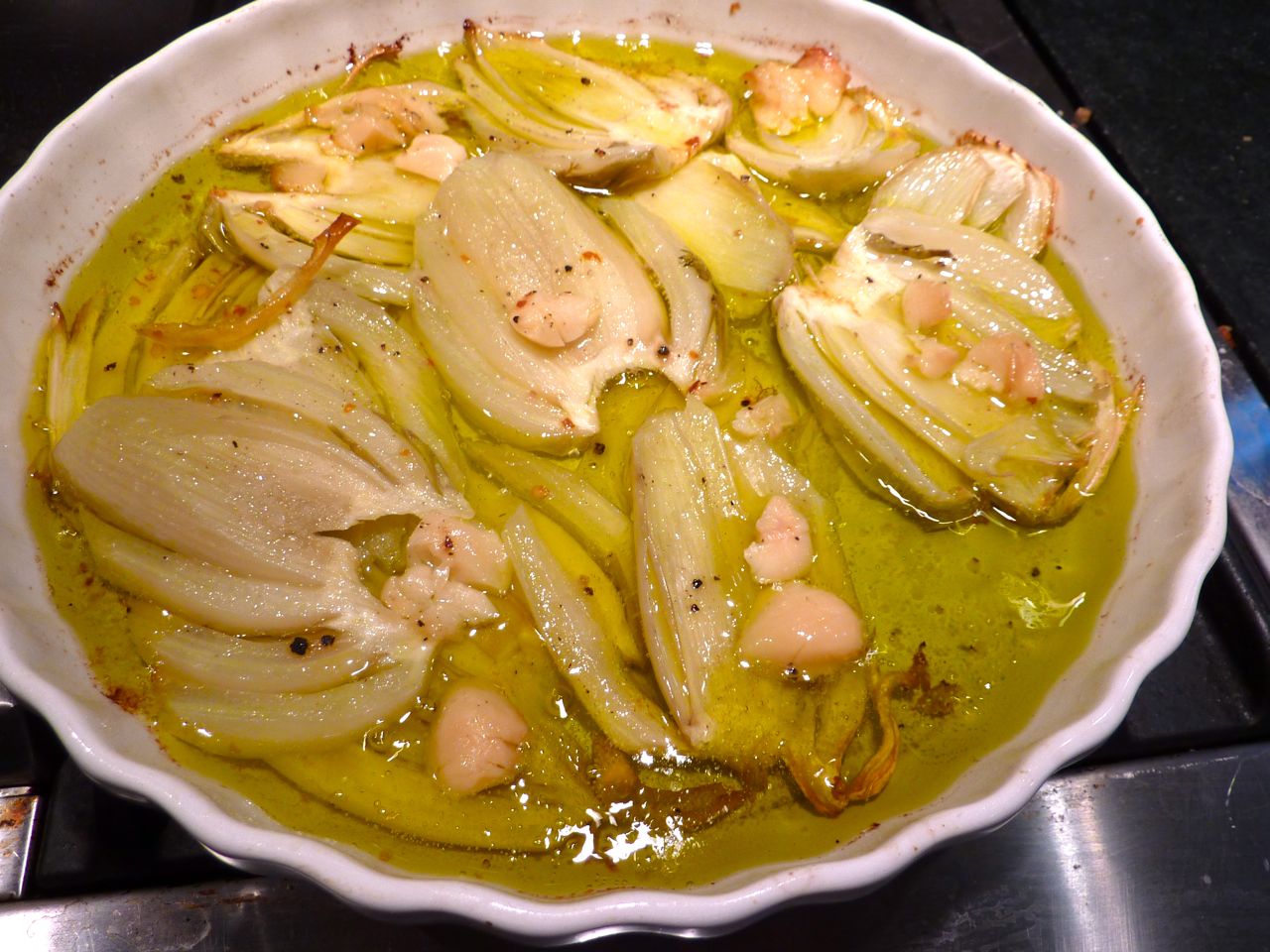
Last month we hosted Master Chef Susan Regis on one of our Chefs on Bikes tours. Susan showed us how to braise fennel in oil, a fennel confit. A very easy recipe, with lots of ways to use the end product. The amount of oil used for the cooking was at first intimidating, but it can be reserved and used in so many different ways we quickly used it all up!


Confit Fennel

2 bulbs fennel
3 cloves garlic
Peel from one lemon
1/8 teaspoon red pepper flakes
1 cup extra virgin olive oil
Kosher salt and freshly ground pepper

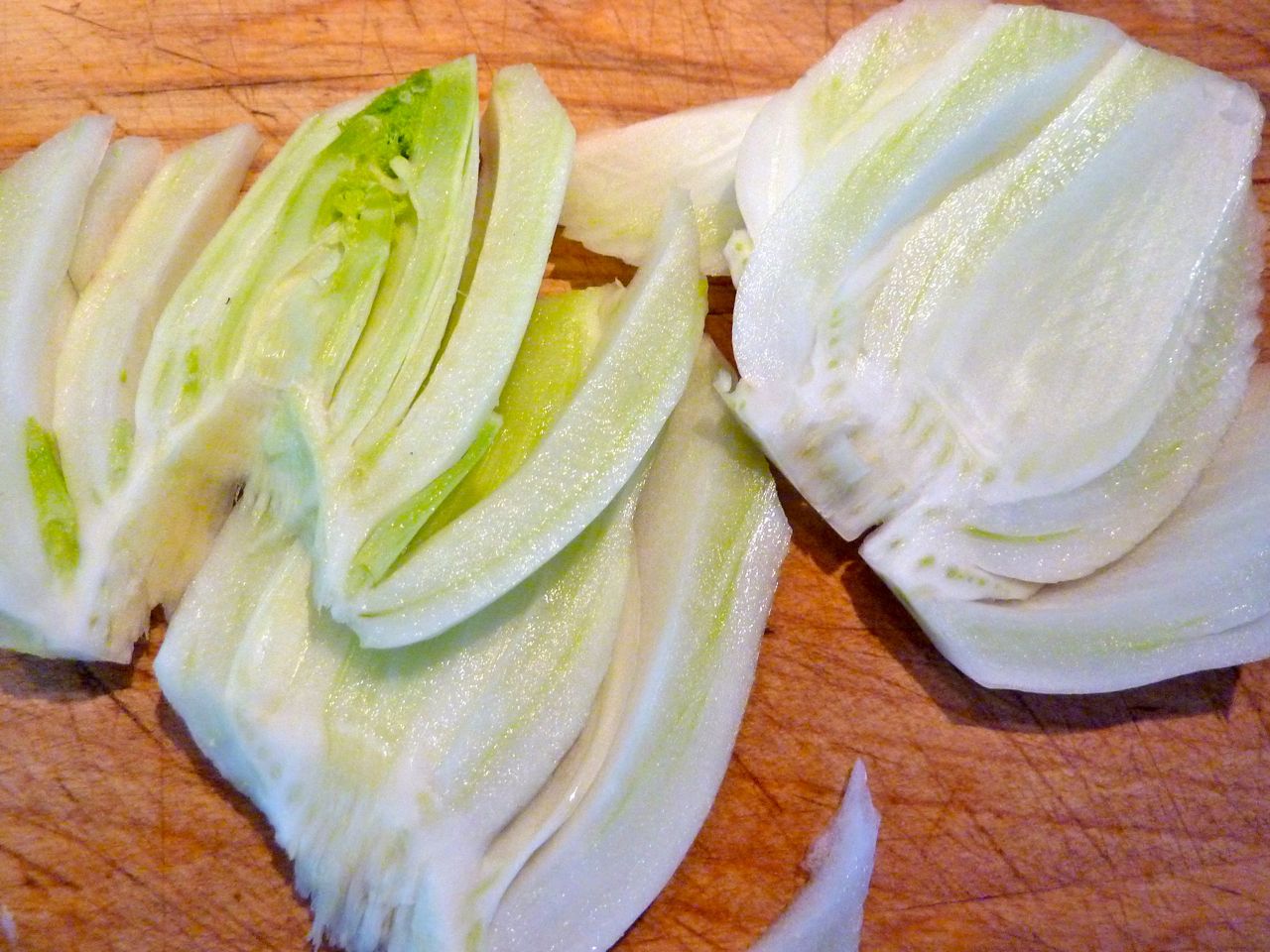
Sliced fennel

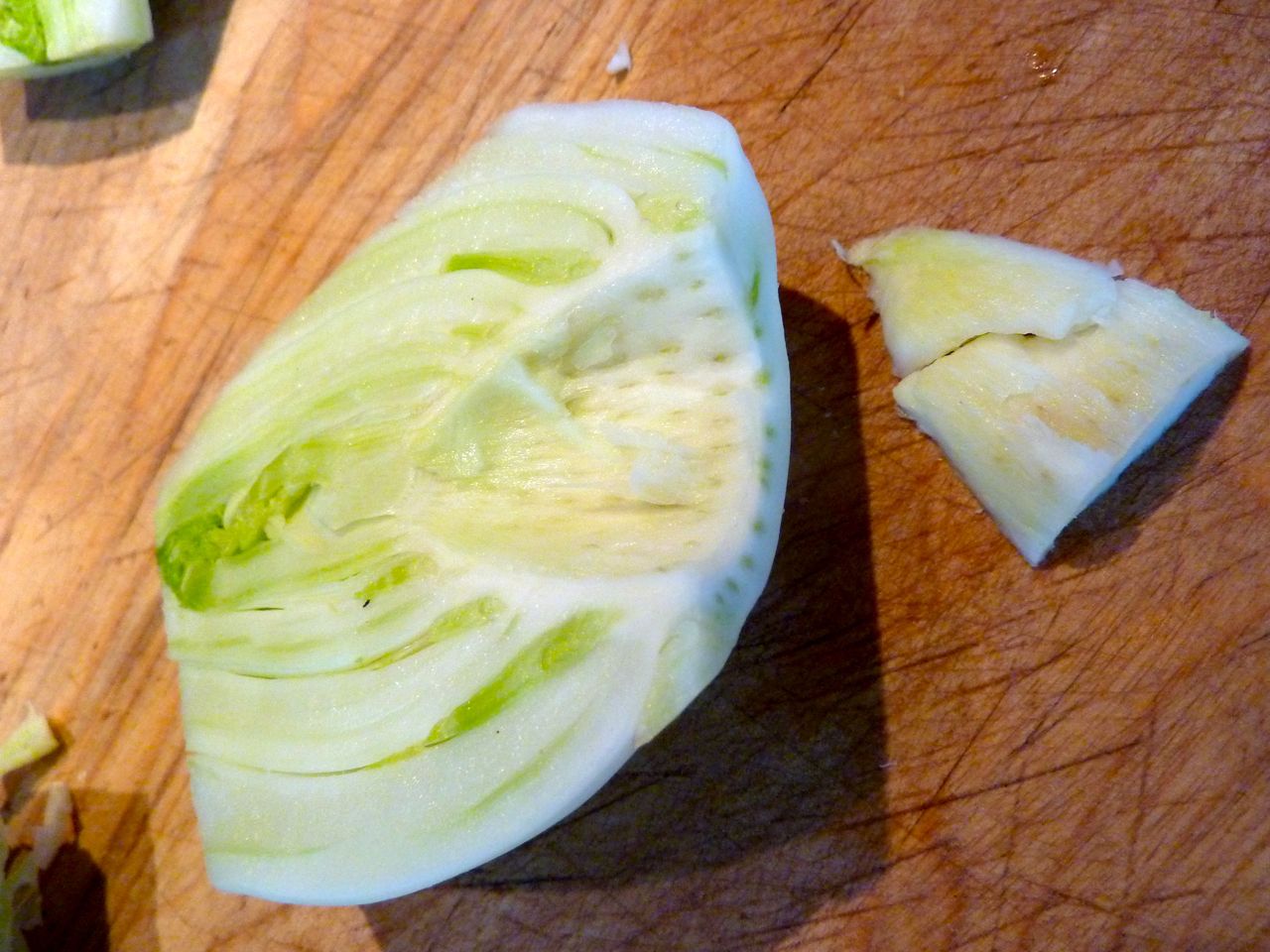
Trim the stem end of the fennel, cut off any stalks and leaves (reserve the fronds for garnish) and pull away discard any damaged or tough outer layers of fennel bulb. Slice fennel lengthwise 1/4″. Remove the tough solid inner triangular core that is at the base of the bulb,

Lay slices in a shallow roasting pan. Gently smash the garlic cloves and add to fennel. Sprinkle with red pepper flakes and several strips of the lemon peel, being careful not to get the white pith with the peel. If you do get some pith, cut it away with a small pairing knife.

Cover the fennel with olive oil – the amount of oil may vary slightly depending on the size/amount of fennel. Season with salt and a few grates of black pepper. Cover the pan with aluminum foil and roast slowly in a 325° degree oven for one hour or until tender.

Removing core

Allow fennel to cool in oil.

Susan’s recommended uses:

Room temperature with fresh burrata or mozzarella cheese
Warmed with fish, poultry, or just about anything!
The fennel oil is great on salads, breads, grilled shrimp etc….

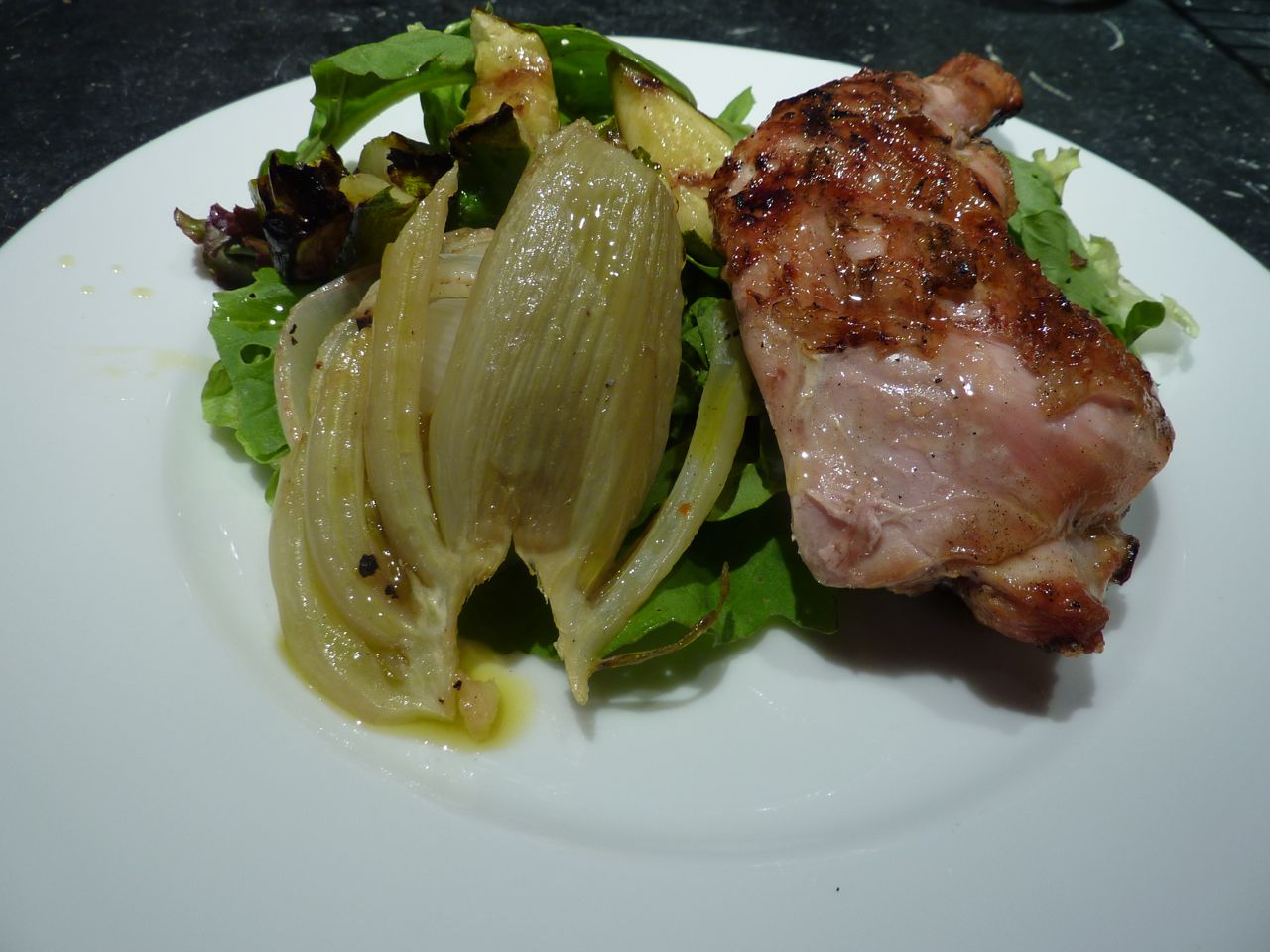
I used the fennel the room temperature fennel in a salad last night, topped with grilled chicken drizzled with the oil.

Confit fennel with chicken

For lunch today, I had a pasta with leftover grilled zucchini, fennel, chicken – drizzled again with the oil.

Tonight for dinner, it will accompany some fresh local striper (Striped Bass), with beets and beet greens.

Posted in antipasti, Braising, fennel, Uncategorized | Tagged , , , , , , , , , , , , , , , , , , , , , , , , , | Leave a comment

What are Garlic Scapes, and what do I do with them?


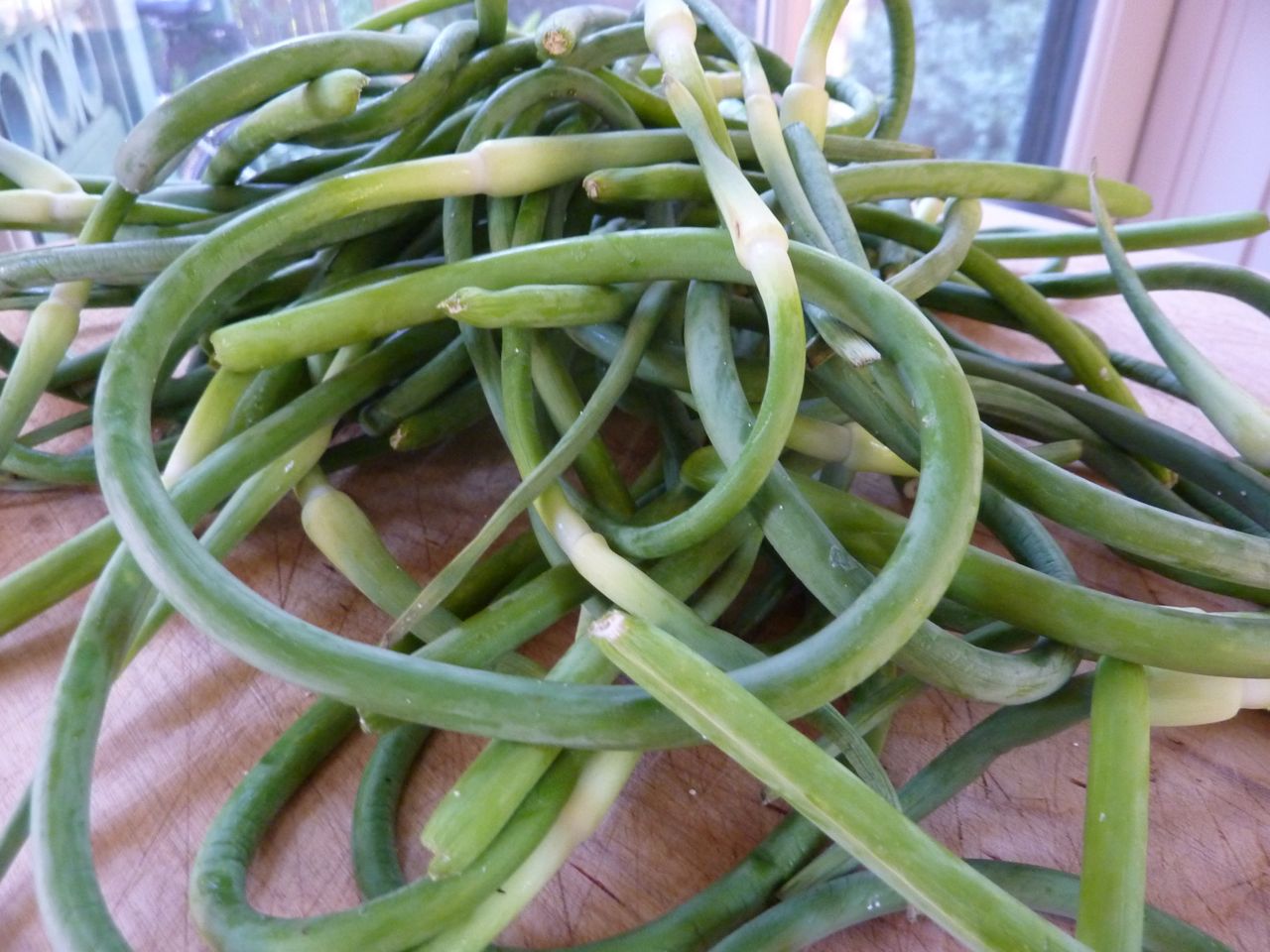
Garlic Scapes

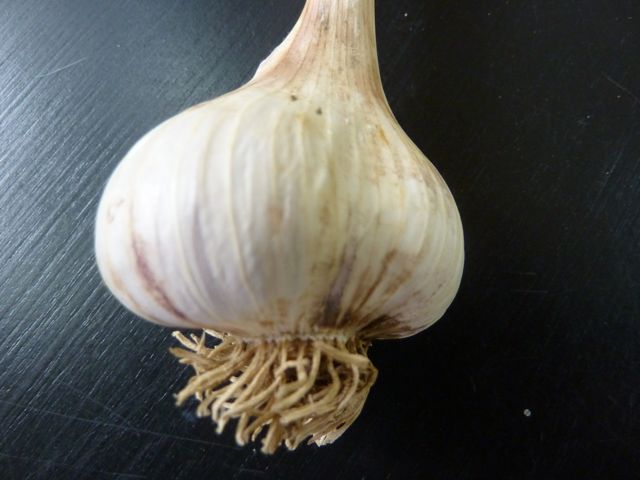
Garlic is a key ingredient in my cooking both here and in Italy. There is hardly a sauce, soup, or pasta that doesn’t include it. And it seems to have found it’s way into every region of Italy. In the Veneto region that we visit on our bike and hike tours, the Polesine area is renowned for it’s white garlic, protected by an official DOP designation.

This time of year, however, my use of garlic turns to the ‘scapes’. Garlic scapes have recently found there way to my local farmstands and farmer’s markets here in the US. Every year, when they appear, I hear many customers asking “What do I do with these?” The answer is always the same – use it in a stir fry. Actually, this is the answer whenever anyone asks “What do I do with X?”, X being garlic scapes, kohlrabi, anything unfamiliar!

Garlic

So, what are garlic scapes?

Garlic scapes are the curled flower stalks of the hardneck varieties are garlic that are grown in colder climates. This round green stem grows up from the bulb, growing to about 2 feet in length and beginning to curl in on itself. They are cut off by the farmer to promote better bulb growth, and so are available in early summer only. They are crunchy, with a mild garlicky flavor. They keep for a while in your refrigerator.

What do I do with garlic scapes?

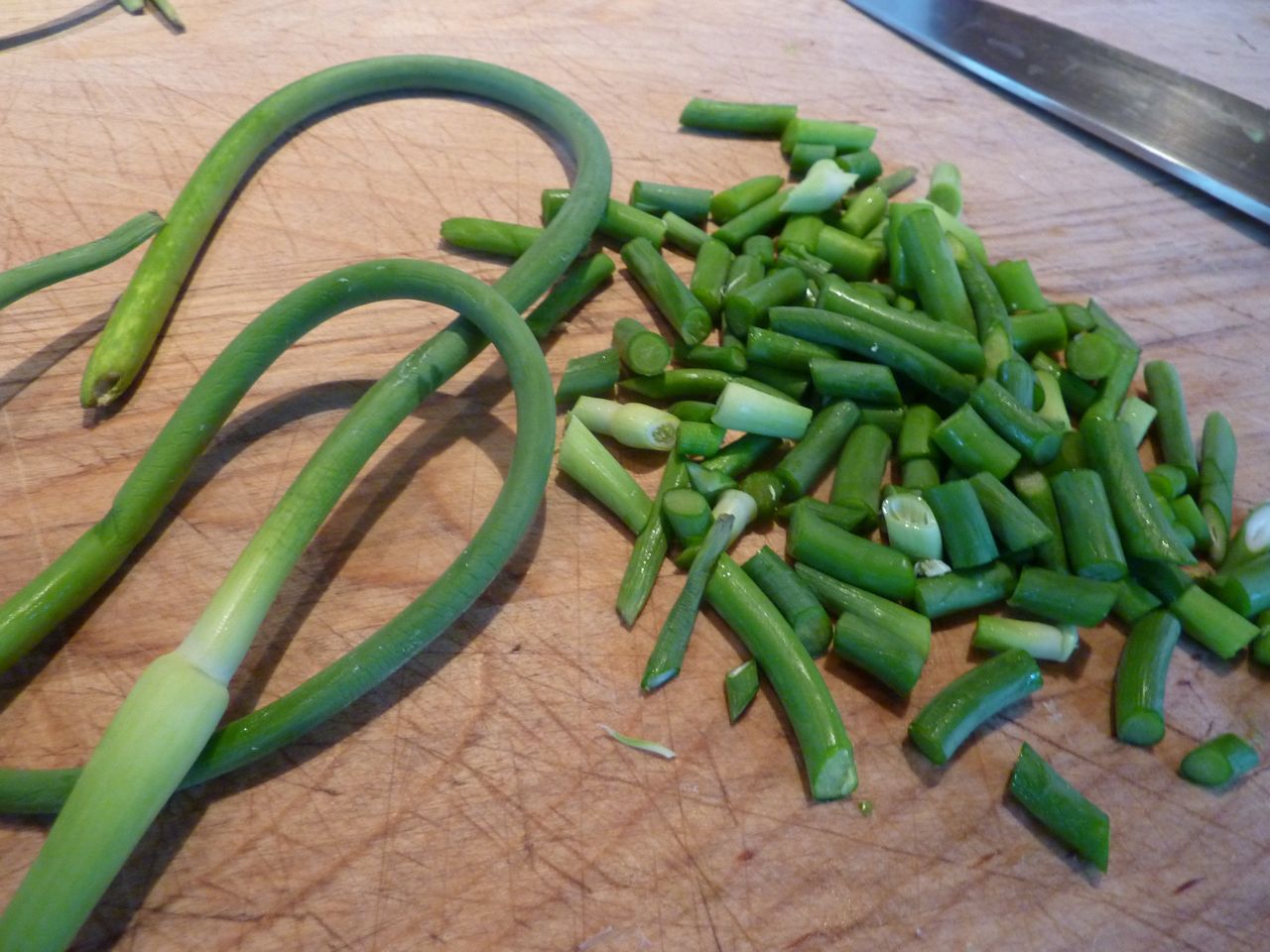
Chopping scapes for pesto

Well, besides the stir fry, or chopped up fine to add a bit of garlic flavor to a salad, you can use them raw to flavor a fritatta or omelet, or a pizza. But my favorite thing to do with garlic scapes is to make a pesto out of them. This is a very simple puree of scapes with olive oil. I then can freeze it in large spoonfuls, and have this available all winter long. I don’t make a ‘full’ pesto with nuts and cheese; I can always add these later as I use the pesto, and this allows me the flexibility to add different nuts, use different cheeses, or eliminate the nuts for guests with food allergies.

What can I do with garlic scape pesto?

Here’s a list, with more to come:

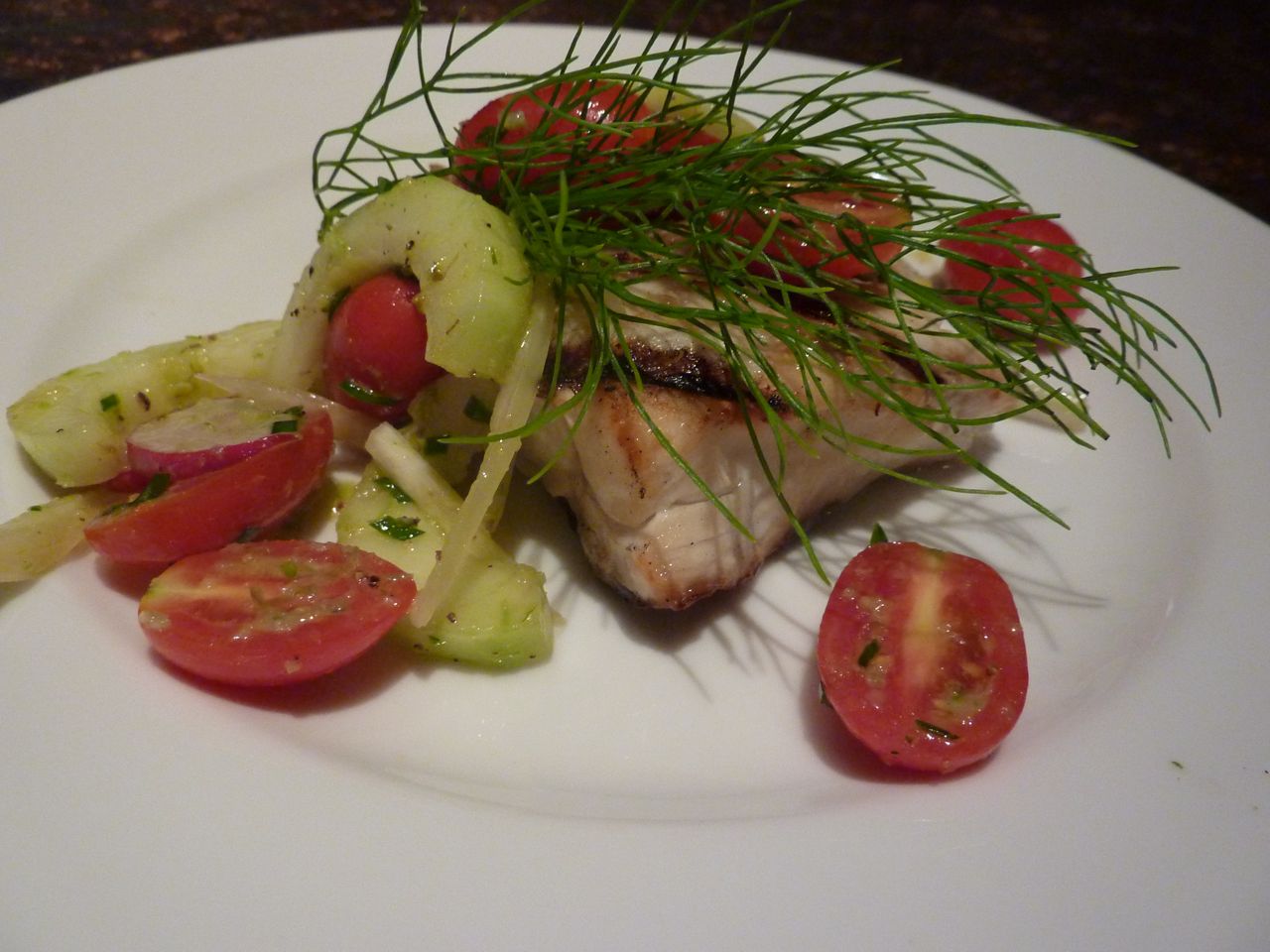
Tomato, cucumber and fennel salsa flavored with garlic scape pesto over striped bass

Crostini
Pizza
Flavor a pasta
Mix with other herbs for different pestos (basil, mint, chive…)
Flavor a soup
Flavor a risotto
Flavor grilled or steamed vegetables
Make a sauce for fish or chicken – mix in other herbs, chopped capers

Garlic Scape Pesto

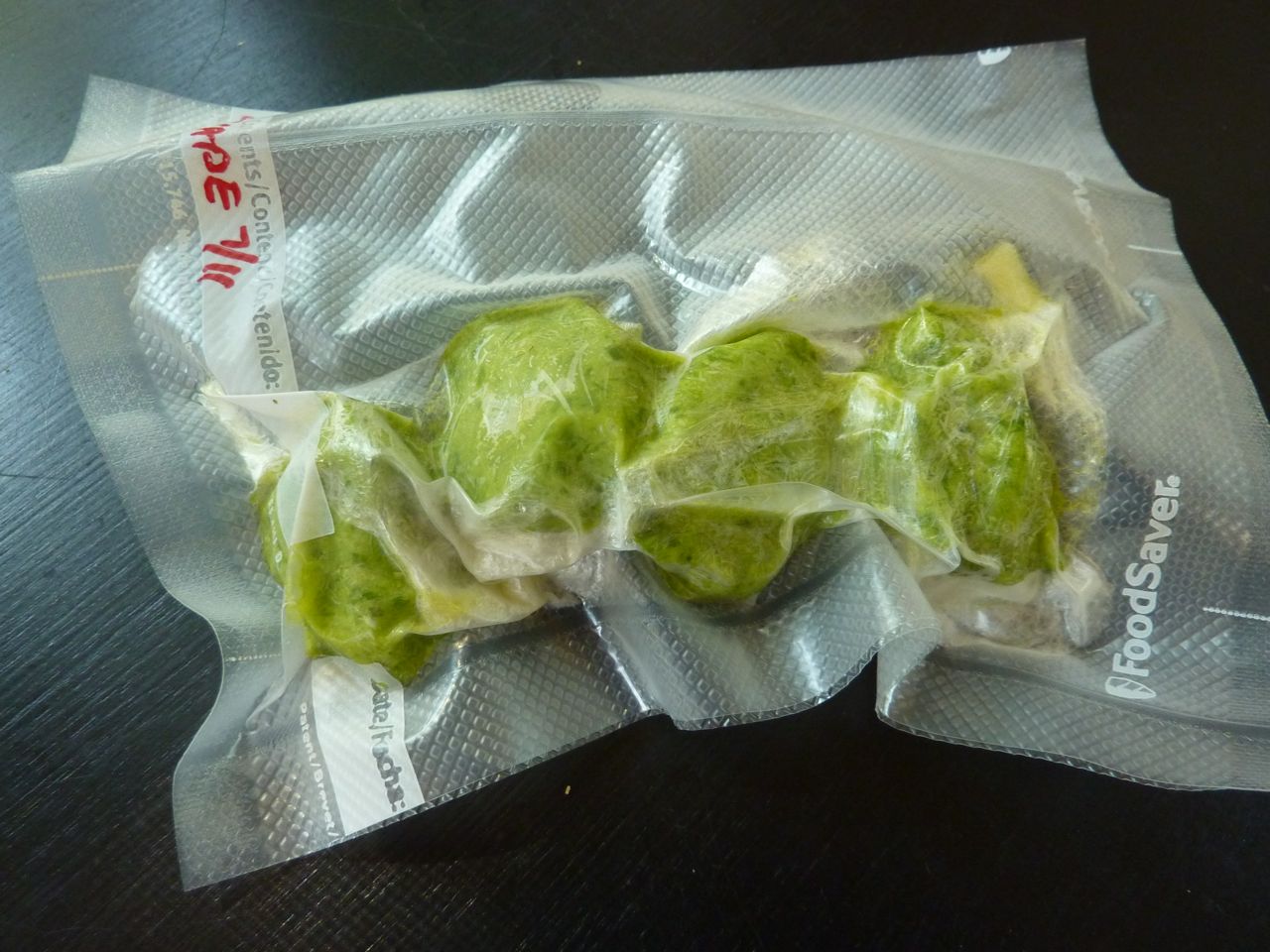
This is not your standard pesto with nuts and cheese; it is even simpler. I basically puree the scapes with olive oil – that’s it. Every spring I make a huge batch of this, and freeze it, either in ice cube trays, mini muffin cups, or just spoon out tablespoons onto a sheet pan. After the cubes are frozen, I wrap each in a small piece of plastic wrap, and then place a few wrapped cubes in a vacuum freezer bag, or a small ziplock with the air squeezed out. I pull one or two out when I am ready to use it; they only take a few minutes to defrost. I’ll add nuts and cheese only when I am ready to serve it as pesto; that way, I can use whatever nuts I wish; walnuts, almonds, pine nuts, and I can experiment with different cheeses, parmesan, pecorino, or aged asiago.

I make this puree to preserve lots of fresh herbs, such as basil, mint, and chives. I blanch these before using to maintain a nice bright green color, but the scapes keep a nice color even without blanching.

Makes about 1 cup

10 or so garlic scapes, coarsely chopped
1/2 cup extra virgin olive oil

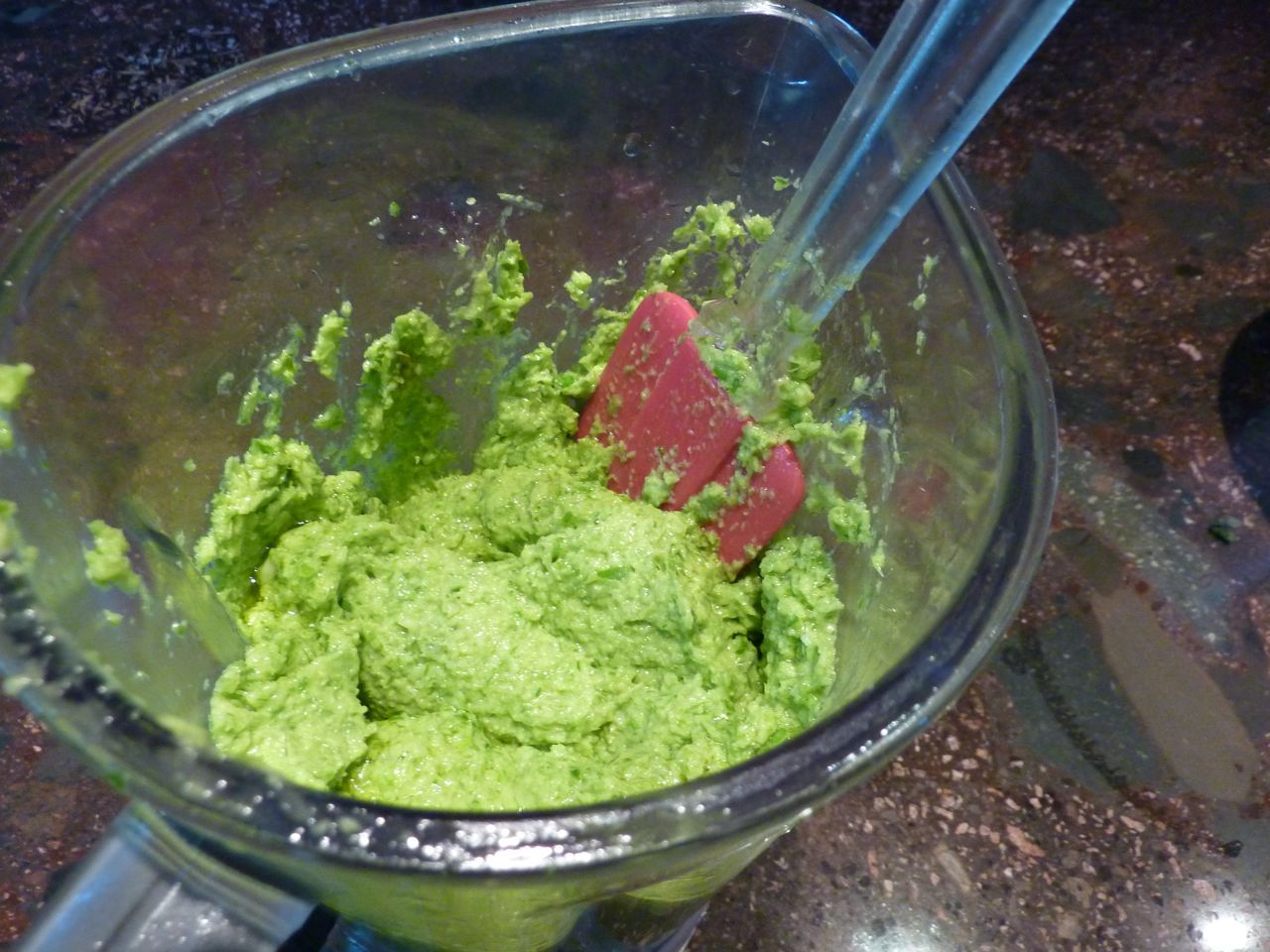
Garlic scape pesto

Put the chopped garlic scapes in a blender or food processor. With the motor running, add the oil in a thin stream and process until the scapes are very finely chopped, close to a puree, about 1 minute.

Cubes ready for freezer

At this point, you can place in ice cube trays or mini muffin cups to freeze. If serving immediately, you can add your favorite nuts and grated cheese (pine nuts and parmesan, for example). About 1/4 cup of each, or to your taste.

Posted in Chicken, Fish, garlic, Pasta, Pizza, Travel, Uncategorized, Veneto Food | Tagged , , , , , , , , , , , , , , , , , , , , , , | Leave a comment

Chioggia Beet and Fennel Salad

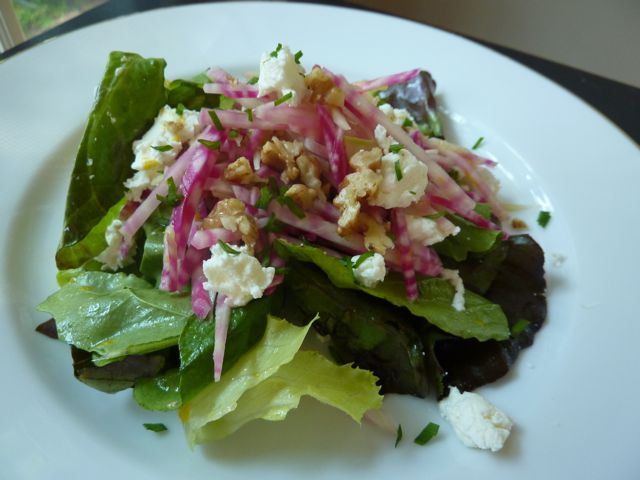
Chioggia Beet and Fennel Salad

Thanks to my local CSA, the West Newbury CSA at Long Hill Orchard and Farm, I have been enjoying Chioggia beets the past few weeks. This heirloom beet comes from the Italian coastal town of Chioggia, right outside of Venice. In fact, it is often referred to as “Little Venice”. Of course, these beets immediately attract my interest, in my efforts to research the foods and wines from Northeastern Italy for our Italiaoutdoors trips. So I’ve been selecting them every week they’ve been available.

Chioggia, "Little Venice"

This beet varietal was probably brought to the US in the 1800s by Italian immigrants. Chioggia is a coastal town, which doesn’t quite strike me as the place where beets would come from. It ends up that all beets – and this includes members of the beet family grown for their leaves, such as swiss chard, as well as those grown for their tubers – are descendants of the sea beet. The sea beet is native to the coasts of Europe, northern Africa and southern Asia. It requires moist, well-drained soils, and does not like shade. It is able to tolerate relatively high levels of sodium in its environment because its leaves are waxy, hence its ability to thrive in coastal areas. So that explains why a seaside town like Chioggia can be home to these delicious beets.

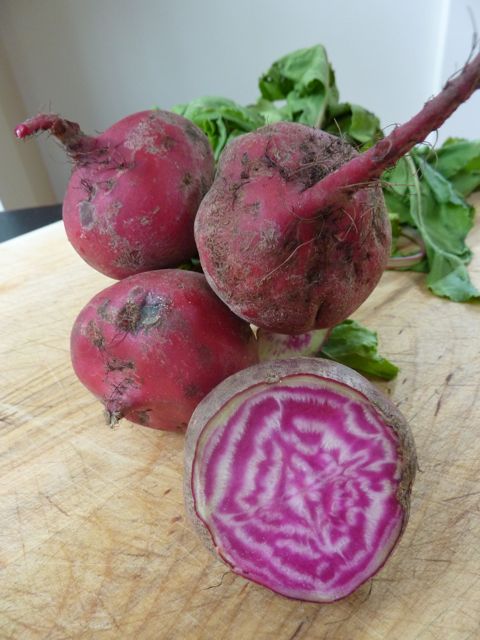
Chioggia Beets

I’ve heard that raw beets make a wonderful salad, but had never tried one, so I decided this was the time. We are currently in the throes of a heat wave, with temperatures exceeding 100°, so any recipe that does not involve heat is immediately attractive. My friends Jody Adams and Ken Rivard just started a great food blog, The Garum Factory, and did a wonderful chioggia beet salad with fennel, zucchini, blue cheese and walnuts. Jody states that she pickled the beets because raw beets are too earthy for her taste. Reading up on the chioggia beets, they supposedly have a higher content of geosmin than other beets, a compound that causes the ‘earthy’ flavor. But I had to try it at least once, and I have to say I didn’t find them too earthy at all. It remains unclear as to whether the geosmin is produced by the beet, or a result of its growing environment, so I’d suggest just tasting before deciding – if it is too earthy for you, there are lots of alternatives such as pickling or roasting.

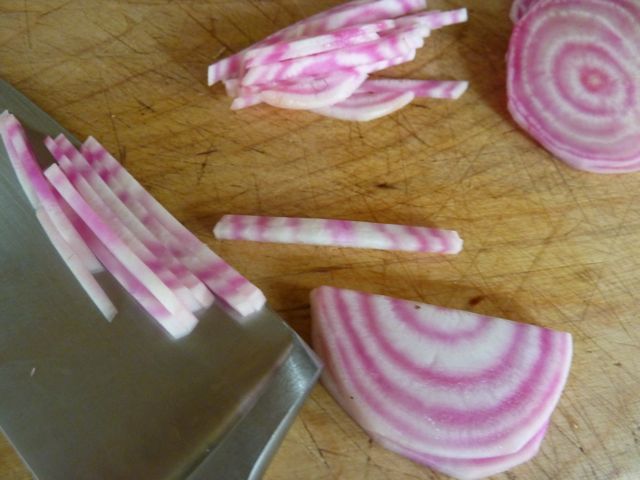
Chioggia beets have a beautiful pink-fuschia-red color, and when sliced open display very attractive concentric rings of pink and white. Unfortunately, this ring pattern fades when they are cooked, but using them raw makes for a very pleasing dish. Many recipes for raw beets recommend grating in a food processor, but I went to a little extra effort and julienned them. With a mandolin or slicer, this is pretty quick, and really makes a nice presentation. But if you a pressed for time, the food processor will work just fine. Some fennel, a nice local goat cheese from Westfield Farm, walnuts, and a citrus dressing, and a great, quick, cool and healthy lunch.

Chioggia Beet and Fennel Salad

Serves 4

4 chioggia beets
1 head fennel
Juice of one orange
Juice of two lemons
Zest of one orange
3 tablespoons extra virgin olive oil
Kosher salt
1/4 cup walnuts
6 cups mixed greens – lettuces, arugula
4 ounces crumbled goat cheese
2 tablespoons minced chives, parsley, or mint
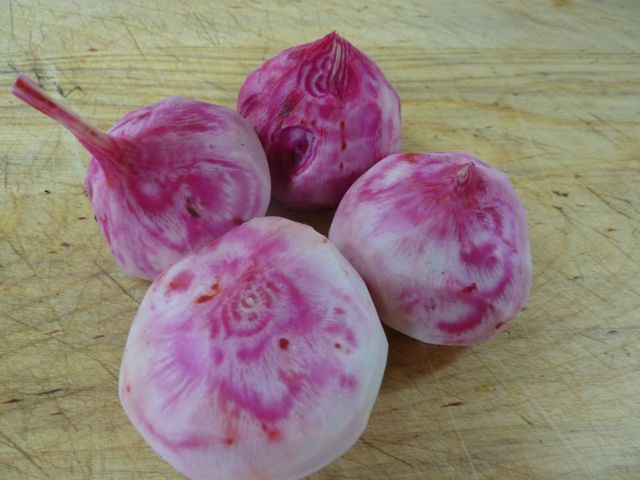
Peeled beets

Cut the greens off the top of the beets and reserve for later use. Peel the beets with a vegetable peeler. Using a slicer or mandolin, thinly slice the beets. Stacking a few slices, use a chef’s knife to cut the beets into narrow strips. Place in a medium bowl.

Remove the fennel fronds. Remove the tough outer layers and cut in half lengthwise (from the top, where the fronds were, through the core end.) Remove the triangular shaped core at the base. Using the slicer or mandolin, thinly slice the fennel. Rinse the slices, dry with a paper towel, and slice into narrow strips, just as you did the beets. Add to the bowl with the beet strips.

Julienned beets

Place the orange juice, lemon juice, orange zest and olive oil in a small, sealable container. Shake vigorously. Season with salt. Place the walnuts on a sheet pan. Drizzle with olive oil, and season with salt.

Toast in a pre-heated oven (or toaster oven, when it is 100° outside.) Allow to cool, and coarsely chop.

Place the mixed greens in a large bowl. Dress both the greens and the beet and fennel strips with the citrus vinaigrette you just made. Taste, and season each with salt if needed.

Distribute the greens on 4 plates, topping each with a quarter of the beet and fennel slaw. Top with the crumbled goat cheese, chopped walnuts, and minced chives.

Posted in beets, chioggia beets, fennel, Salad, Uncategorized, Vegetarian, Veneto Food | Tagged , , , , , , , , , , , , , , , , , , , , , , , | Leave a comment

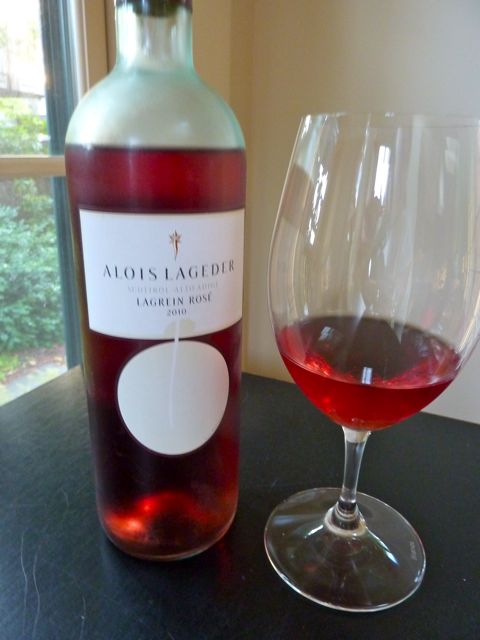
Lageder Lagrein Rosato – a great summer rose from Alto-Adige

Alois Lageder Lagrein Rosato 2010

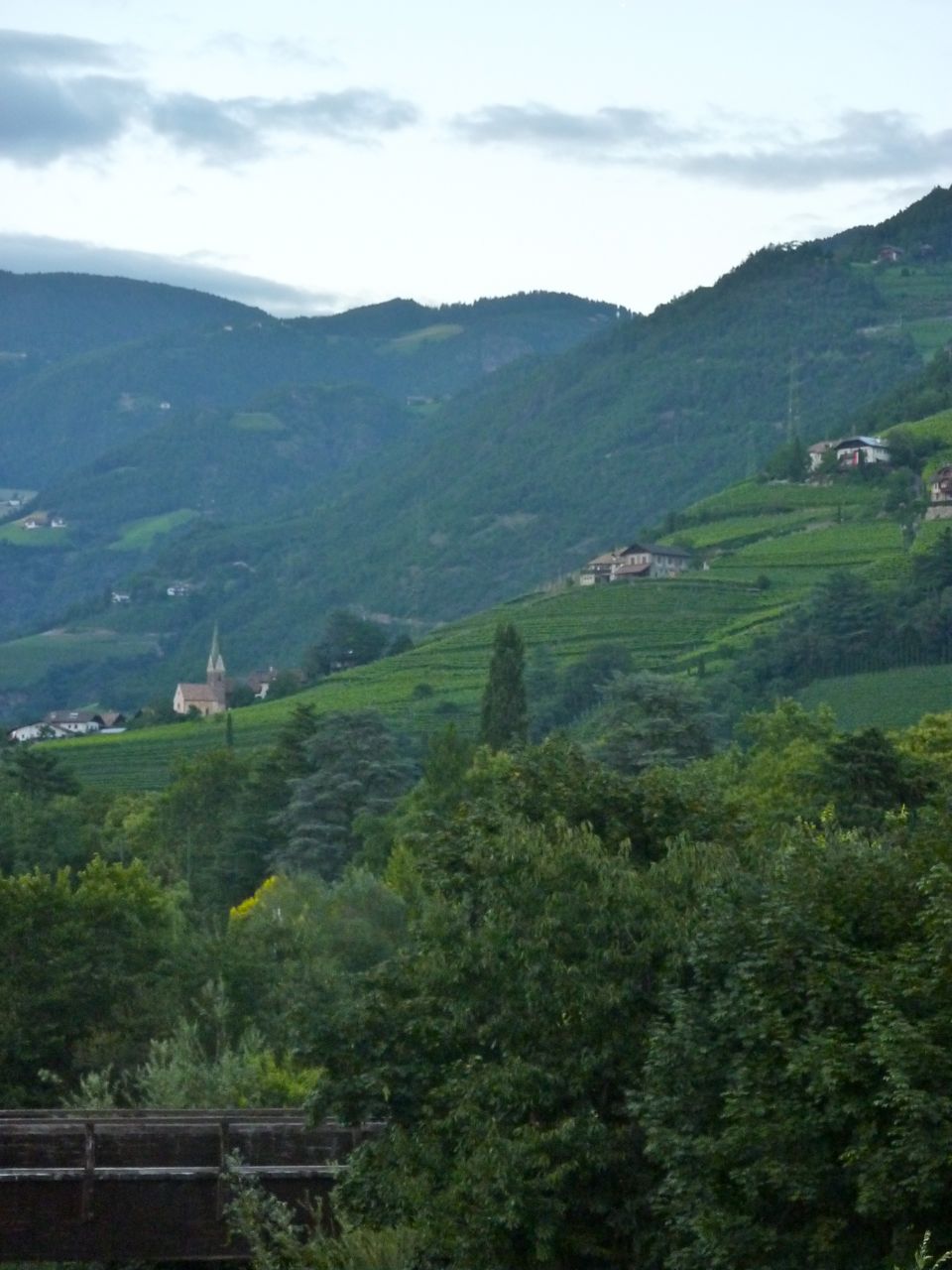
I made a quick stop by the Lageder facility recently, as I visited the Sudtirol Wine Road in Trentino Alto-Adige. Their wines are available in the US, wonderful examples of the high quality wines this region is now producing.

Began in 1823 by Johann Lageder, who left his family home near Val Gardena (home to great skiing) and moved to Bolzano to find his fortune. He became a wheelwright and wine dealer, and his son Alois continued on in the wine business, purchasing the families first vineyard. The family first began producing Santa Magdalena and Lagrein wines from vineyards in the Santa Magdalena area, in the hills north of Bolzano.

Subsequent sons (all named Alois), became specialists in the local terroir and microclimates, as well as the indigenous varietals such as schiava (Vernatsch) and Lagrein. The family expanded their vineyard holdings, moving south to the village of Magrè, where excellent exposures produce robust reds such as Cabernet, Sauvignon and Merlot. A winemaking facility and cellars was created at the Löwengang estate in Magrè.

At the start of the 1970s, the company moved away from the then-popular bulk wines and began to bottle more of its own wines, and market them under its own Alois Lageder-label. The image of Alto Adige wines had suffered greatly as a result of years of perception as products for mass consumption. The family undertook the task of repositioning the winery, beginning initiatives to improve the quality of their wines, such as trellising on wires, and reducing yield.  In 1995, a high-tech winemaking facility and cellar complex in Magrè was constructed. Today, all of their over fifty hectares of vineyards adheres to the principles of biodynamic agriculture.

View of surrounding countryside from Bolzano

Lagrein is a red grape native to the Lagarina valley in Trentino-Alto Adige. A very distinctive, native red with strong herbal notes, it is used in red (Lagrein Scuro or Dunkel) and rosé (Lagrein Rosato or Kretzer) wines. It is a descendant of Teroldego, and related to Syrah and Pinot Noir.

I recently enjoyed the Lageder Lagrein Rosato 2010 at a recent fundraiser I worked on with the Homestead restaurant in Farmington, ME. This wine, one of my Top 10 Undiscovered Wines of Northeastern Italy, was the hit of the evening, and I was thrilled when I happened upon it recently in my favorite local gourmet store here in Newburyport, Joppa Fine Foods.

It is a wonderful dark pink color, with a hint of ruby. A very pleasant nose, berry and floral. This medium-bodied rose will stand up to some stronger flavored dishes, with a tart cherry flavor, nice acidity and persistent aftertaste with a nicely bitter finish.

I paired it with my last recipe post, a smoked salmon dish, Saumon con Verdure Mediterranee (Salmon with Mediterranean Vegetables). Fantastic foods and wines from Sudtirol!

Posted in Lagrein Rose, Lagrein Rose, Salmon, Smoked Food, Trentino Food, Uncategorized, Vegetables | Tagged , , , , , , , , , , , , , , , , , , , , , , , , , , , , , | 2 Comments